** When you buy products through the links on our site, we may earn a commission that supports NRA's mission to protect, preserve and defend the Second Amendment. **
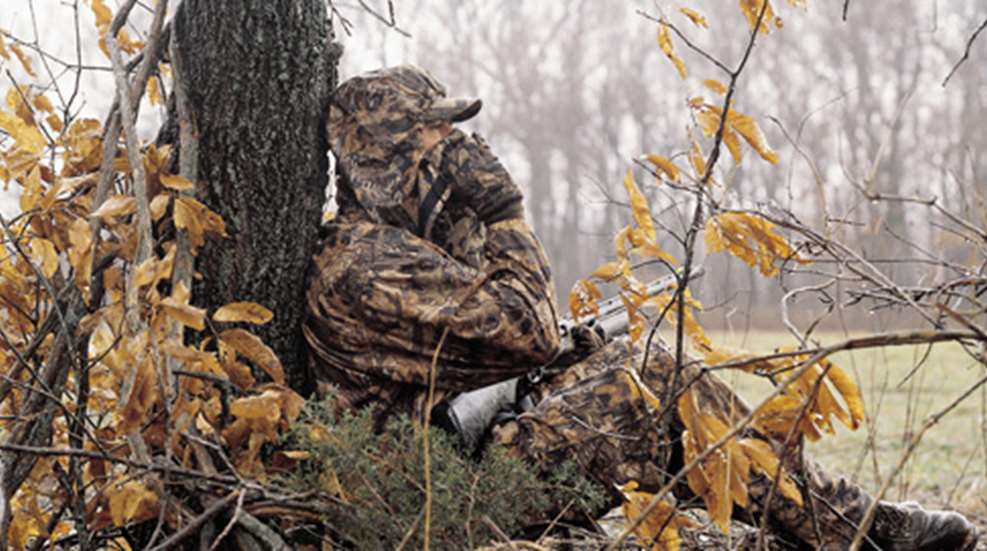
Ah, opening day. They haven’t been chased yet, and should be sitting ducks. Right? Then why does it seem like so many of us—yes, me, too—so often come up empty-handed? Here’s why most people blow it on opening day and how you can avoid those mistakes.
You Didn’t Scout
How many folks do you know who head afield opening morning without doing any scouting? Are you kidding me? Scouting is the key to having a fighting chance on opening morning. And there’s only one way to do it—with boots on the ground. I look at the pre-season as a time to go to class and do lots of homework. Opening day is the final exam.
How many folks do you know who head afield opening morning without doing any scouting? Are you kidding me? Scouting is the key to having a fighting chance on opening morning. And there’s only one way to do it—with boots on the ground. I look at the pre-season as a time to go to class and do lots of homework. Opening day is the final exam.
You Scouted Incorrectly
You decided to go scouting, and you found some birds. But so what? Because you were too bold and too careless, you scared the dickens out of them. You made the biggest mistake a novice makes—you brought a bunch of calls with you on your scouting trips. Don’t you know that preseason calling educates and pressures the birds? I cannot give you any better advice than this—do not bring calls with you when scouting. Walk the woods looking for sign, use binoculars to glass fields and potential roost trees and listen hard. But do not call. Once you have their location marked, back off and stay out of their core area until you are ready to hunt.
You decided to go scouting, and you found some birds. But so what? Because you were too bold and too careless, you scared the dickens out of them. You made the biggest mistake a novice makes—you brought a bunch of calls with you on your scouting trips. Don’t you know that preseason calling educates and pressures the birds? I cannot give you any better advice than this—do not bring calls with you when scouting. Walk the woods looking for sign, use binoculars to glass fields and potential roost trees and listen hard. But do not call. Once you have their location marked, back off and stay out of their core area until you are ready to hunt.
You Didn’t Pattern Your Shotgun
Every year the ammo makers introduce some hot new turkey loads. Awesome! But that doesn’t mean they’ll pattern well with your shotgun/choke combination. You must pattern your shotgun and learn what it can do at both close and longer ranges. That means range time with paper targets. When I set up my wife’s current turkey gun I shot a total of 12 different 3-inch 12 gauge turkey loads with both No. 5 and 6 shot through three different choke tubes. About broke my shoulder, but now I have two loads that are ideal for that gun. And she’s yet to miss.
Every year the ammo makers introduce some hot new turkey loads. Awesome! But that doesn’t mean they’ll pattern well with your shotgun/choke combination. You must pattern your shotgun and learn what it can do at both close and longer ranges. That means range time with paper targets. When I set up my wife’s current turkey gun I shot a total of 12 different 3-inch 12 gauge turkey loads with both No. 5 and 6 shot through three different choke tubes. About broke my shoulder, but now I have two loads that are ideal for that gun. And she’s yet to miss.
Where Were They Again?
OK, you actually roosted some birds the night before opening day. But the next morning you are not sure exactly which tree they are in, but because you know you need to be set up in the dark, you wander around. Then, when the sun comes up, you hear them—and they’re right over your head! Don’t laugh, this has happened to me. A simple GPS like the Brunton Get-Back or Bushnell Backtrack can mark the roost tree location, the location of the place you want to set up and your vehicle. What else do you need to know?
OK, you actually roosted some birds the night before opening day. But the next morning you are not sure exactly which tree they are in, but because you know you need to be set up in the dark, you wander around. Then, when the sun comes up, you hear them—and they’re right over your head! Don’t laugh, this has happened to me. A simple GPS like the Brunton Get-Back or Bushnell Backtrack can mark the roost tree location, the location of the place you want to set up and your vehicle. What else do you need to know?
You Cannot Hold Your Patience
There’s nothing better than calling a big gobbler right into your lap, but opening day often falls a week or more before the birds are really heated up, making calling one in extremely difficult. But your scouting has shown lots of sign in a big green field—the perfect place to find turkeys from mid-morning through early afternoon. Be patient! When the woods get silent or the calling isn’t working, you’ll find me sitting comfortably in a little brush blind in the shade along a field edge, occasionally putting and purring and waiting for an opportunity.
There’s nothing better than calling a big gobbler right into your lap, but opening day often falls a week or more before the birds are really heated up, making calling one in extremely difficult. But your scouting has shown lots of sign in a big green field—the perfect place to find turkeys from mid-morning through early afternoon. Be patient! When the woods get silent or the calling isn’t working, you’ll find me sitting comfortably in a little brush blind in the shade along a field edge, occasionally putting and purring and waiting for an opportunity.
You Decoyed Too Early
If the gobblers are not red-hot on opening day, leave the big full-bodied decoys at home until things heat up in a week or two. I love using decoys when turkey hunting, but find it counterproductive to challenge a gobbler that isn’t quite ready to be challenged. Instead, a hen decoy or two might be all it takes.
If the gobblers are not red-hot on opening day, leave the big full-bodied decoys at home until things heat up in a week or two. I love using decoys when turkey hunting, but find it counterproductive to challenge a gobbler that isn’t quite ready to be challenged. Instead, a hen decoy or two might be all it takes.
You Are Not a Nitpicker
How many times has opening day seen you grabbing gear and heading to the woods like a scalded cat? Then, once you’re there, you reach into your vest and can’t find your favorite call, face mask, bug dope—whatever. Oh boy.
You Attack Blind
OK, there was a lot going on and you were not able to locate birds before opening day. But you’ve hunted here before, so you park the truck and race off into the darkness with a game plan based on prior year’s successes. There is no better way to blow birds than this! A better plan is to park, move away from the vehicle a short distance and listen. When you hear something, make a plan and go. Don’t hear anything? Move to a new spot and start over. Repeat if necessary.