Let’s be frank. Hunting dogs require an excessive investment in commitment, training and cash. Family pet aside, the return is for a few short days afield each fall. You may be slow walking your way to a hunting dog, but don’t let that cause you to miss out on pheasant hunting. You can hunt pheasants without a dog with a plan.
First, hunt model cover that funnels pheasants to their demise. Without a dog, wind direction is not likely the most important factor to note when deciding your starting point. Sure, the wind can carry away your sound and minimize your presence, but habitat size and shape are the driving force in planning. Even if you can’t pre-scout a property, a hunting app like HuntStand provides a platform to view habitat outlines from above for hunt execution.
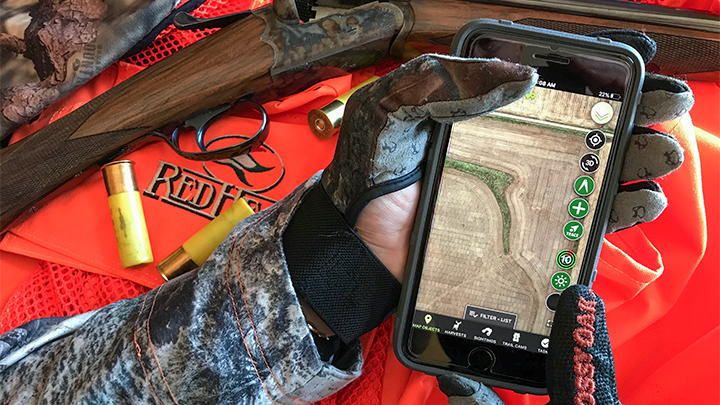
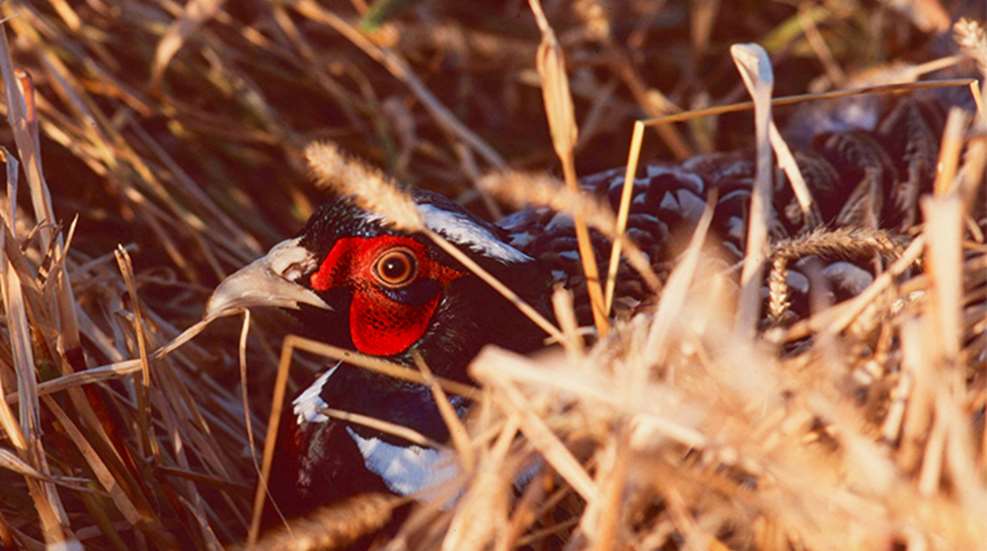
Since ringnecks are runners, they will wear out a pair of running shoes way before taking flight if habitat allows. Don’t give them the chance for unlimited laps. Scout for narrow parcels of cover that abut open ground. Grassy waterways in harvested fields, cattail islands, linear rights of way and other dense vegetation that guides pheasants to plowed fields, water edges or grazed pasturelands are ideal. Pheasants feel confident in their slinking escape, but hold tight when cover runs out.
Hunting with a partner or two gives you an advantage at the far end of the tract. Before anyone strolls through a swath, plant one or more blockers at the end of the strip. These blockers should sneak into place quietly and under the radar for a surprise ambush on escapees.
With blockers in place, the remaining troupe should amble through the cover. Regardless if you are hunting solo or with a mob, slow stop-and-go tramping through cover prods pheasants to the roadblock or pushes them to the edge of paranoia. The orchestrated stopping while moving through a parcel provokes some into flight early while runners may burst into flight at the end of the walk. Pushers and blockers alike have opportunities on flushing birds. Pushing too fast through cover, especially dense vegetation, is a recipe to miss tight-sitting birds. Even if you do work a patch meticulously, make a reverse walk back to the starting point. With stop-and-go, it has potential to spur leftover cool hands into flight.
Weather can also aid dogless hunters. Heavy snow, drizzle and strong winds motivate birds to hold tight. Your slow-motion approach could startle hunkered birds waiting for sunshine.
If you do trigger flushes, don’t be afraid to launch a second shot at falling birds. Your first shot may be deadly … or not. Crippled pheasants can be as difficult to find as a Sasquatch and are the No. 1 reason to acquire a dog. When a bird falls into vegetation, mark the location and move quickly to it in a safe manner. A hard-hit bird could be disoriented enough to slow its escape scheme.
Hunting pheasants with a seasoned dog is a special event, but sometimes you must go it alone without Gunner.