 Q: What is the best way to clean a gun?
A: When it comes to gun cleaning, everybody has at least two favorite methods. This is one of ours.
Unload the gun and remove all ammo from the room.
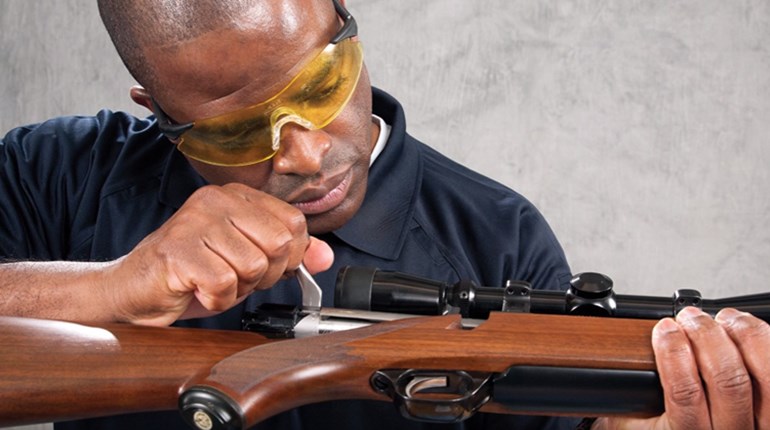
For rifles, remove the bolt (on bolt-actions), or lock it open (on pumps, lever-actions and semi-autos). Disassemble shotguns to separate the barrel and bolt from the receiver.
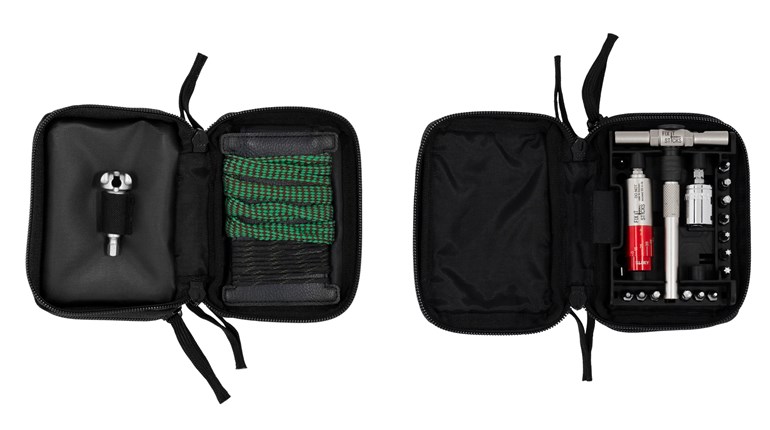
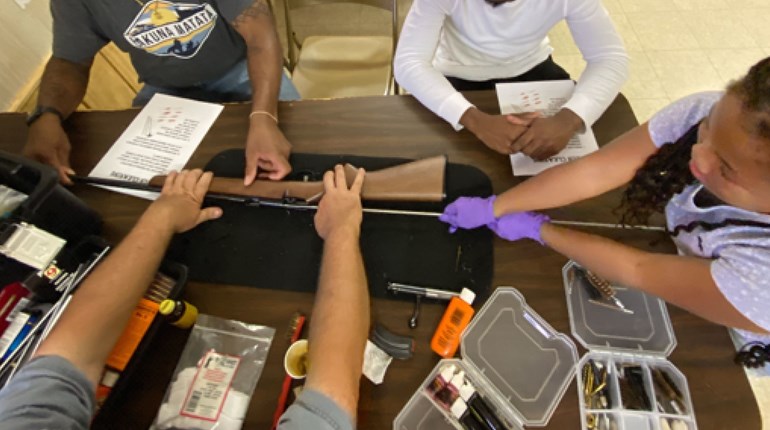
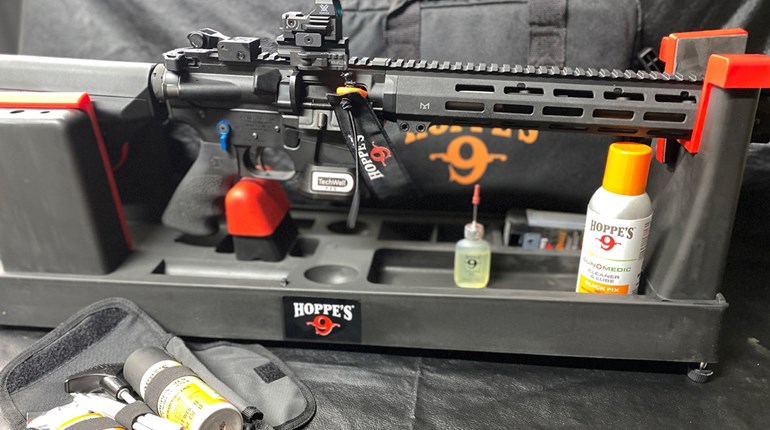
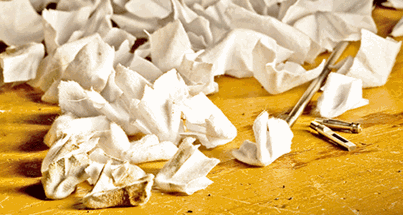
Fit a cleaning rod with a caliber-specific patch jag and patch, or gauge-specific mop. Dampen the patch or mop in carbon-removing bore cleaner (like Hoppe’s No. 9), and run it down the bore to loosen carbon deposits; work from breech to bore, if possible, to push debris out the muzzle and not into the chamber or action. Then run a dry patch. Continue this wet/dry combination of patches until a dry patch comes out clean.
Every 20-40 shots, you should remove copper buildup from rifle barrels with copper-removing solvent. I like CR-10 or Sweet’s; both are ammonia-based, so I wear latex gloves and work in a ventilated area. Run a patch dampened in the solvent down the bore, and let it sit according to directions on the bottle. Then fit the rod with a caliber-specific bore brush, and coat it with solvent. Run it up, then back; this is one pass. Perform one pass for every round fired. Then run a solvent-dampened patch down the bore; repeat until the patch comes out clean. (With ammonia-based solvents, the patch will turn blue. It will never come out completely white if the patch jag is made of brass, because brass contains some copper. So some light blue streaks are acceptable.) Repeat the dampened patch/bore brushing until all copper is removed. When you’re satisfied, run a couple patches dampened in regular bore cleaner down the bore to remove all traces of the copper solvent (any left in the bore will dry and attract moisture, which will etch the bore). Then run one dry patch.
If you plan to use the gun again anytime soon, leave the bore dry after using carbon or copper solvent. If the gun is to be stored a long time, run one patch lightly coated in gun oil down the bore to prevent rust, but be sure to wipe it clean before using.
Use any cleaner designed for guns to wipe residue from the inside of the action, the magazine and bolt (cotton-tipped applicators like those found in doctor’s offices are handy, as are pipe cleaners and toothbrushes). Lightly oil the bolt or apply a couple drops behind each lug, but avoid getting any on the bolt face.
Wipe down all exterior metalwork with a rag coated with gun oil.
According to master gunsmith Kenny Jarrett, apply nothing but a few drops of lighter fluid to the trigger group. It will lightly coat the area, flushing away any debris, then evaporate. Using oil or any solvent risks gumming up the works, which may lead to a frozen trigger when the shooting starts.