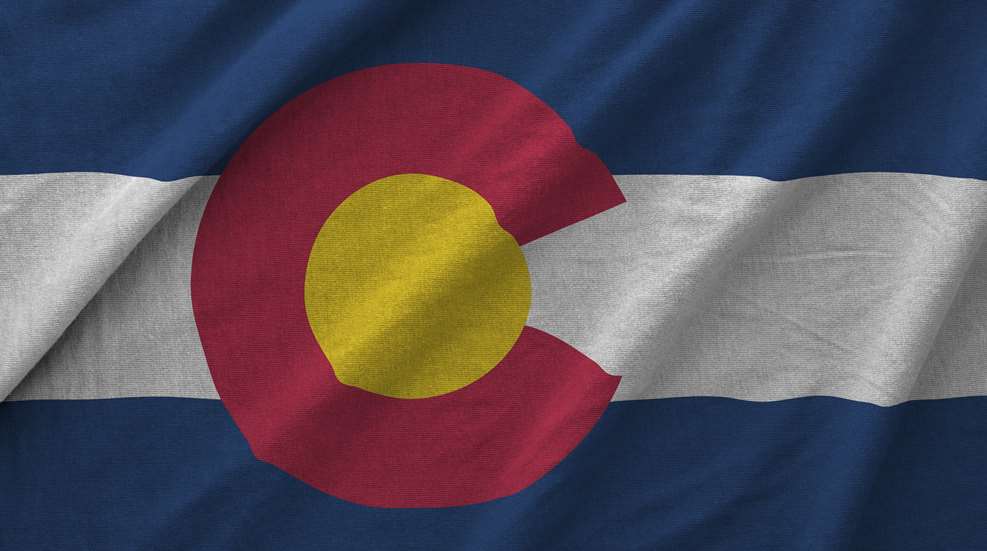
Colorado voters will decide this November whether there should be a constitutional right to hunt and fish in the state constitution. Initiative 302, officially titled the Constitutional Right to Hunt and Fish, cleared its final procedural hurdle on August 20, 2026, when the Colorado Secretary of State’s Elections Division certified that proponents had gathered enough valid signatures.
The measure will appear on the November 3 general election ballot. It requires 55-percent approval to pass, as it would amend the state’s constitution.
This potential amendment’s path to the ballot began in early April 2026. On April 15, the state’s Title Board—composed of designees of the Colorado secretary of state, attorney general and the Office of Legislative Legal Services—approved the single-subject requirement and set the official ballot title. That decision allowed signature collection to begin.
Proponents needed at least 124,238 valid signatures statewide, plus signatures equal to 2% of registered electors in each of Colorado’s 35 state senate districts. On July 8, the campaign behind this amendment submitted 184,097 total petition signatures. After a review, the Elections Division validated 145,299 of them.
Secretary of State Jena Griswold’s office announced the certification, placing the measure on the ballot. The signature drive was primarily funded by the T. Roosevelt Conservation Alliance, a Colorado issue committee closely tied to the Wisconsin-based International Order of T. Roosevelt (IOTR) and its advocacy arm, T. Roosevelt Action. Campaign finance reports show the committee raised approximately $1.34 million and spent about $1.5 million, the bulk of it on signature collection. Local partners such as Coloradans for Responsible Wildlife Management (led by Dan Gates), Howl for Wildlife and the 76 Group provided organizational support and helped coordinate paid and volunteer circulators across the state.
Hunters and fishermen already fund the majority of Colorado Parks and Wildlife’s budget through license fees and federal Pittman-Robertson excise taxes on firearms, ammunition, and fishing equipment. These activities generate an estimated $3.25 billion in annual economic impact and support more than 25,000 jobs in the state.
This amendment is designed to safeguard the North American Model of Wildlife Conservation—the science-based system that has restored many game populations—against future ballot measures or policy shifts that could restrict traditional hunting and fishing.
In 2024, an unsuccessful measure (Proposition 127) sought to ban the hunting of mountain lions, bobcats and lynx—anti-hunting are sure to try again.
Also, similar right-to-hunt amendments already exist in 24 other states. Florida’s version passed with 67.4 percent of the vote in 2024.
Anti-hunting groups are actively working against this proposed amendment; for example, groups such as Humane World for Animals argue that hunting and fishing should not be the “preferred means” of managing wildlife populations. They would like to dismantle the North American Model of Wildlife Conservation and to give animals legal protections similar to humans.
Voters will see the following language on the ballot (as set by the Title Board): “Shall there be an amendment to the Colorado Constitution creating a constitutional right to hunt, fish, and harvest fish and wildlife by traditional methods, including all species of fish and wildlife managed by the state except non-game species, endangered species, or any species that is illegal to hunt under federal law, and, in connection therewith, establishing hunting and fishing as the preferred means of managing fish and wildlife populations; and preserving the right of the state to regulate hunting, fishing, and wildlife management if necessary for sound scientific wildlife conservation and management, public safety, or to preserve the future of hunting and fishing opportunities for all species?”
Public polling on Initiative 302 remains limited as of late August 2026. The campaign itself cites internal or early survey data showing 75 percent of Colorado voters support the concept.