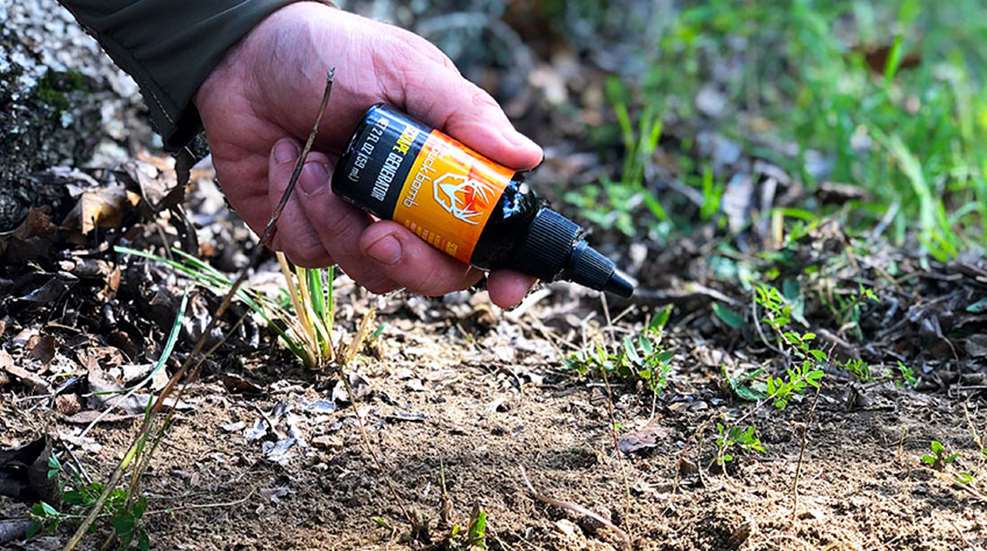
The manner in which a whitetail buck makes a scrape is one of the most fascinating instincts involving the animal kingdom. This unique, yet simple act of scraping has been studied, debated and even argued by hunters, mainly due to the various opinions of experts when detailing their observations, along with the many meanings behind scrapes. One of the topics heavily debated among hunters is that of mock scrapes, particularly regarding when and where to place them and whether or not they work.
Additionally, many hunters have different opinions as to what scrapes mean and which deer actually use them. I’ve read books, magazine articles and listened to seminars from some of the most recognized whitetail hunters in the nation in hopes of learning more about scrape behavior. But a few years ago, I heard an experienced hunter describe it in one of the most unique ways possible; a scrape is made by a buck, and this is followed by does checking the scrape, and in his words, “the doe leaves her business card when she’s ready to talk.” After studying and listening to many other hunters, this unique and humorous explanation is true in many ways.
Location of Scrapes
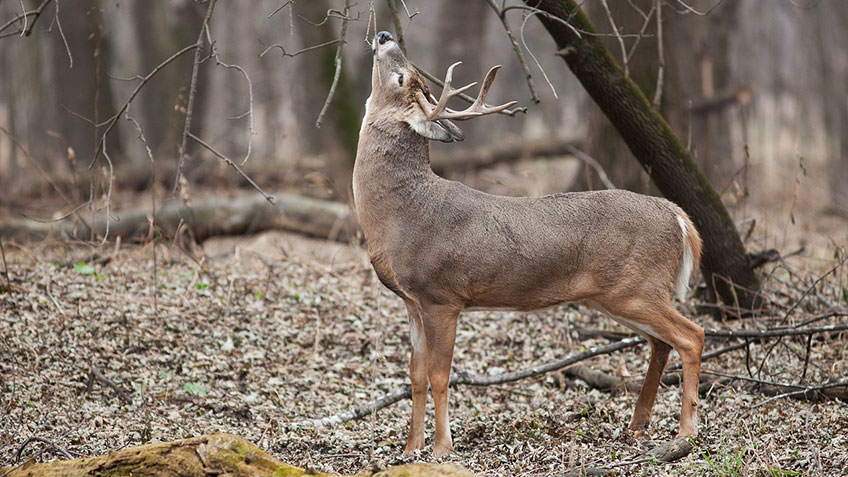
Even though bucks will scrape from early September all the way into January, I think most hunters would agree that the scrapes that are made from mid-October through the end of November mean the most and are the ones that should be hunted. If a scrape was intended for bucks only, then they would be made where the bucks stay; instead, bucks make scrapes in locations they know will be visited by a lot of does. When you find multiple scrapes along a well-traveled area (scrape lines), you can assume that the buck is scraping for a purpose, and that they differ from the occasional scrape found through September and early October. The majority of scrapes that are made for breeding purposes usually take place approximately 30 days before peak breeding times. A lot of hunters will hunt scrapes during the peak rut, when in reality it should be the weeks prior. This is also the best time to be using scents and lures, especially when constructing a mock scrape.
Constructing & Hunting a Mock Scrape
Hunting mock scrapes has been a successful tactic used by many hunters throughout the years. Constructing a mock scrape can achieve multiple effects when trying to hunt a mature buck; it can create dominance between other bucks, it can make them go from checking scrapes nocturnally to checking them during daylight hours, and more importantly it directs them to a specific location so that the hunter can have a shot opportunity.
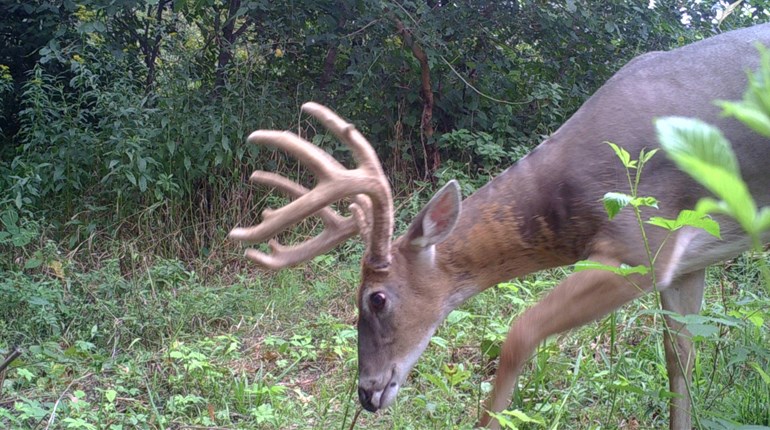
If you have ever set up a trail camera over an existing scrape, then you already know that several bucks will check a scrape. Scrapes make a buck’s presence known to other deer and let does in the area that are getting close to estrus know of his existence. At the same time, it’s letting other bucks know to stay away. During the time that the buck is waiting for the right doe to “leave her business card,”other bucks will check in on the scrape, hoping for the opportunity to contact her first. This is why so many bucks show up on trail cameras that overhanging a scrape.
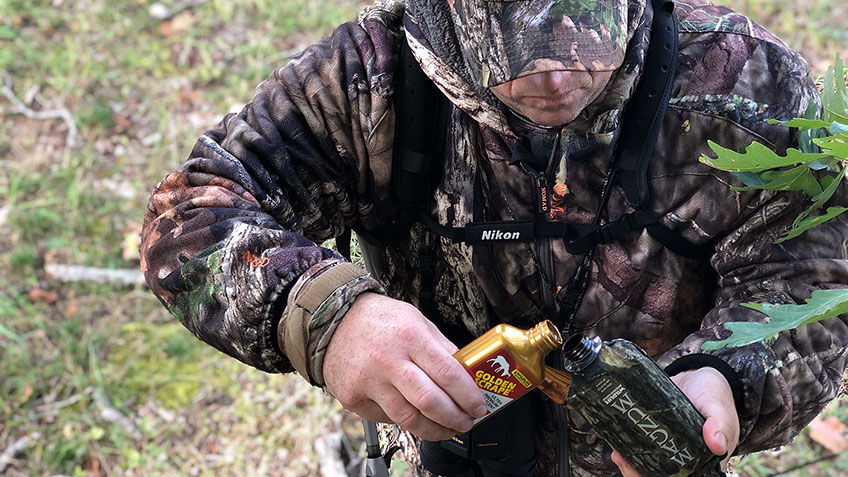
When I start seeing an abundance of bucks appear on camera is when I begin making mock scrapes. When constructing one, I make sure that I’m completely scent-free, especially my feet, as they’ll be in contact with the area the most. I wear Lacrosse Alphaburly Pro rubber boots because they’re made of scent free rubber and are easy to spray down with a scent eliminator. I rake a 2- to 3-foot circle with a stick a few feet from an actual scrape, being conscious to leave the least amount of human scent possible. Once the dirt is exposed, I place scent.
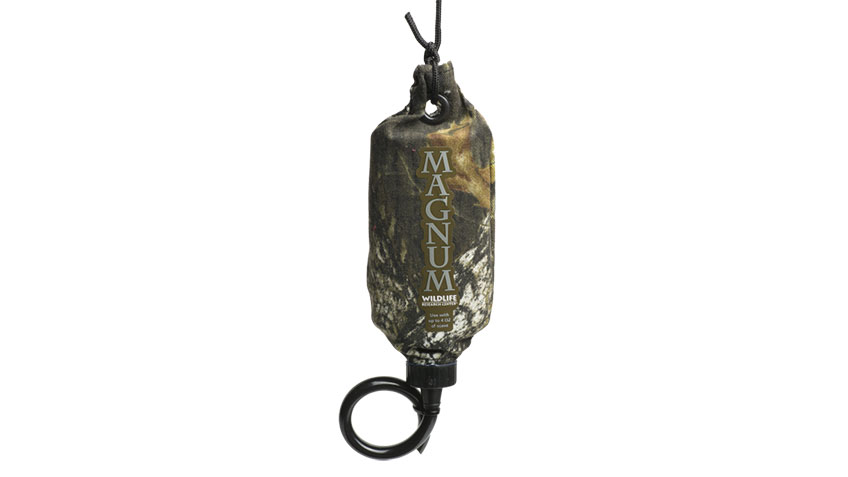
There are two ways that I like to apply scent. If I know it’s an area I’ll be hunting on multiple occasions, I’ll use a scent dripper, such as Wildlife Research Center’s Magnum Scrape Generator. This scrape generator is a scent dispenser designed to hold scent for weeks at a time, only dripping scent during daylight hours, which brings bucks during that time.
Since it’s a mock scrape, a buck will think that another buck has entered his territory, and as the dispenser continues to drip, the buck will begin to check the scrape more frequently. This is a great tactic to use when hunting a stand for several days in a row, as it allows the hunter to avoid the scrape site, thus keeping human scent to a minimum.
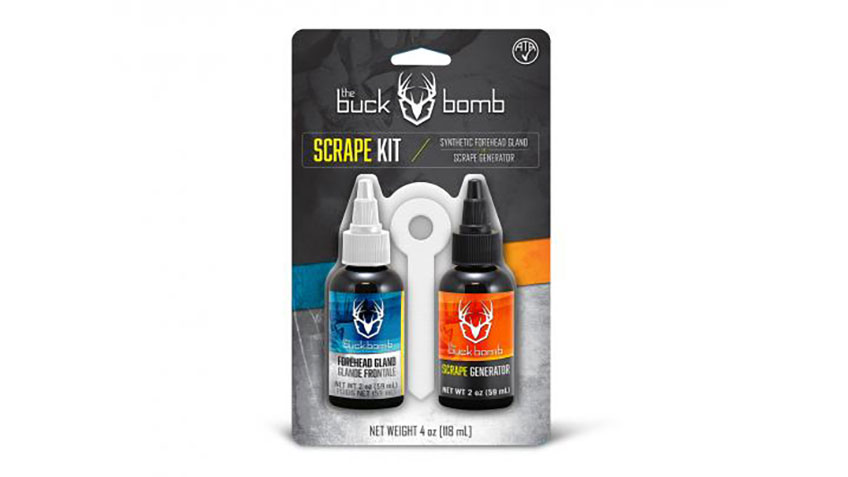
When only having the opportunity to hunt for a short amount of days, a quicker way to lure bucks in with a mock scrape is to use a scent wick with scent applied along with scent on the ground. Buck Bomb has developed a Scrape Kit perfect for this situation. The kit includes a bottle of Forehead Gland scent, several wicks that hang on an overhanging branch, and a bottle of Scrape Generator that’s a blend of doe estrus and mature buck urine. By using a wick with the Forehead Gland scent combined with a heavy dose of Scrape Generator on the ground, urgency is created that will make a buck curious. With both scent tactics in place, the goal is to bring a buck into a specific area. Using a larger amount of scent will make bucks think it’s fresh and will keep them close by.
When making mock scrapes, I try to get as close as I can to about 20 yards from my blind or treestand, which gives me that extra cushion of knowing that the buck is well within range when he shows up. You can hunt mock scrapes for several weeks; once an estrus doe comes into the area to leave her scent, the mature buck will usually leave the scrapes until she is bred, only to return for the next doe. If hunters make the correct adjustments as the rut progresses, the mock scrape will keep working for an extended period of time.