Feel free to get excited, waterfowlers. With just two months until early teal seasons open, the U.S. Fish and Wildlife Service’s (USFWS) annual population survey indicates that the duck population is looking good—really good.
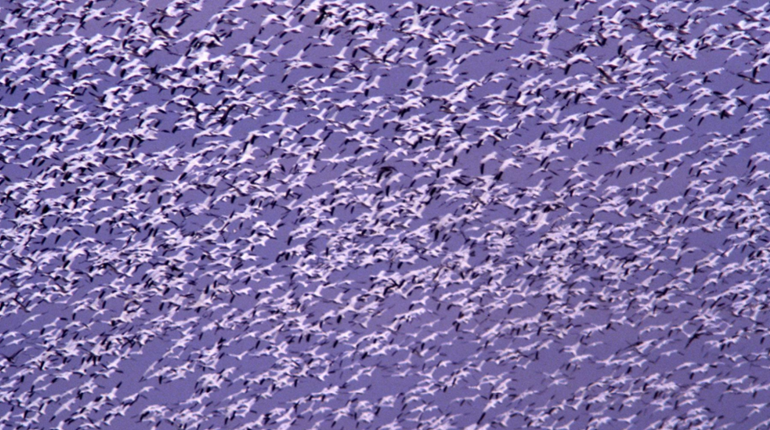
The total population estimate of 49.2 million ducks is an 8-percent increase over last year’s estimate and breaks a population record set in 2012. To put that in further perspective, there are a whopping 43-percent more ducks in North America today than the 1955-2013 long-term average.
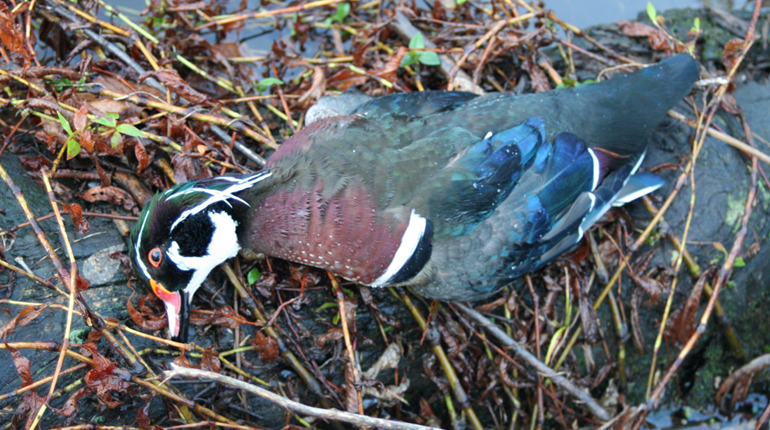
Mallards, gadwalls, northern shovelers, green- and blue-winged teal, scaup and redheads are all up a few percentage points, but their numbers can be considered similar to last year. American wigeon are up 18-percent—a significant increase that puts them 20-percent above the long-term average.
Only northern pintails and canvasbacks declined, but their numbers are still considered similar to last year. Pintails remain 20-percent below the long-term average and are a species of concern for biologists. Why have they remained stagnant while other populations boom? DU biologists wonder if insufficient wintering habitat plays a role.
Overall, however, duck populations are in great shape thanks to an ongoing lucky streak. Nearly five consecutive years of heavy winter snow pack and ample spring rains have provided numerous wetlands, yielding ample food, furthering nesting opportunities, and helping ducklings avoid predation. My fear is that these successes have blinded us to a habitat crisis.
Continued years of high duck production may lead you to believe that prairie nesting habitat is sufficient. In truth it is in great decline. One USFWS study indicates the loss 74,340 wetland acres in the Prairie Pothole Region from 1997-2009, which biologists says could’ve provided nesting habitat for 100,000 breeding pairs. So, yes, the continent is rich with ducks right now—but are we one drought away from a population crash? We mustn’t become complacent in the fight for sound conservation policy and the protection of vital prairie grasslands.