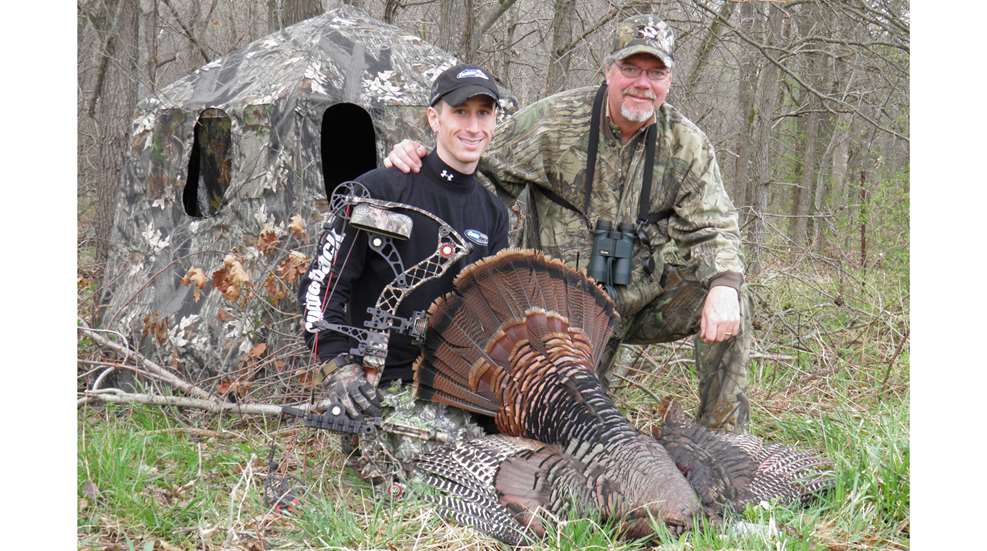
The gobbling was not over-abundant, but it was regular. The bird, which I had decided was a two-year-old, sounded off about every two minutes. He was directly behind me, to the east, across a small, bright-green wheat field. The sun had just begun to cast a rosy hue further east of him.
Bowhunting the Mississippi River levee for spring gobblers is an incredible experience. Because it is in the largest river bottom on the continent, there is no other high ground for miles in any direction. Knowing a mature gobbler’s passion to “own” the highest point of real estate, you can see why the levee attracts big toms like an outlet mall attracts shoppers.
There was plenty of light now. I could hear two or three birds fly down across the wheat field. There was no need to turn and face the gobbling turkey. I knew that sometime that morning he would come to the levee to check out my decoys. That is precisely where I planned to take my shot.
When the two-year-old gobbler hit the ground, his calling increased. I had still made no calls to him. I needed to see which way he went around the wheat field first. He was gobbling a lot now. He had not yet come out in the field when another gobble came from the south end of the wheat.
If I intended to put a broadhead in that ole boy, I would have to get his attention to my decoys. I picked up my 4Play box call and ran off a series of hen yelps. He did not respond. I waited five minutes, then repeated the calls. He did not respond. I waited again, and a few minutes later he gobbled.
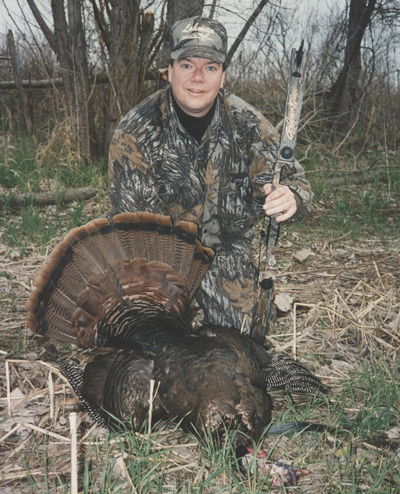
Calling to a Tom is approached a bit differently when hunting with archery gear than with a shotgun. You not only have to talk the bird into range (less than 20 yards), but you must quite often hold the gobbler at that range until he presents you with a perfect shot. This can take quite some time.
I like to fire a bird up with hen calls. I try to get him to the point that he is answering every call. He most likely will not come to the hen calls, but all you need to know is that he knows there is a hen there. Gobblers do not like coming to hen calls. They would much rather the hens come to them. However, the effectiveness of my gobbler-calling strategy is dependent upon the Tom believing there is a hen in the area.
Springtime bowhunters should know that wild turkeys do not think and reason, they merely react instinctively to stimuli. The normal reaction of a gobbler to a calling hen is for him to stay put. He will gobble and strut, expecting the hen to seek him out for breeding.
Now is when the turkey hunting archer out-thinks the old Tom. After your hen calls have him excited, shut up. Stop calling and let him wonder what is going on. He may gobble to try to coax you (playing the hen) into making another call. He may even gobble more after you stop calling. He is trying to vocally guide the hen to his position. He just cannot figure out why she will not come to him.
At this point you need to nock an arrow, get your bow ready and get back into the conversation. Now you must give the big tom positive stimuli to react to. You must now make the calls of a male turkey. That’s right, you now become a Jake with your calling. An educated tom may not come to a hen, but he will come to defend that hen if another male infringes upon his territory.
There are two main calls that spring bowhunters can use to reproduce gobbler calls. The first is the yelp of the Jake or immature tom. These calls can be made with a 4Play box call or a 4Play diaphragm calls. Jake yelps are much louder and coarser than hen yelps. These calls force the old Tom into believing that a young male is now with the hen. He will instinctively move to intimidate the youngster and run him off.
The other very effective call is the gobbler cluck. This loud, sharp cluck is a common noise made by gobblers, and is often used when one male challenges another. The gobbler cluck is by far my favorite turkey call to make. It can be made with the box call or diaphragm call. I like using the 4Play triple cut reed diaphragm call to make my clucks. This leaves both hands free to handle my bow.
Early in the season my set-up is always the same. I put out two hen decoys and a full-strut Jake decoy. I have tested and used many different turkey decoys from several different manufacturers. My experience has led me to a huge preference for decoys.
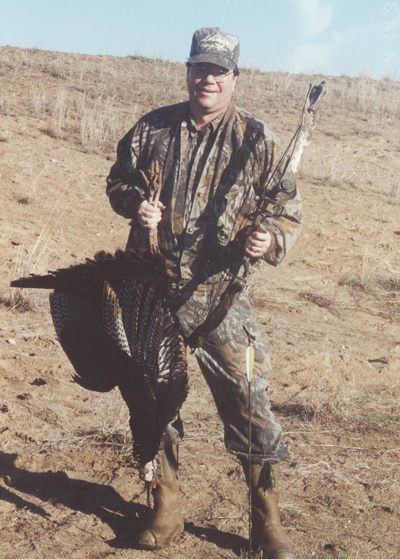
As I said, I like to use a strutting Jake and one or two hens early in the season. Later on, I will replace the strutting Jake with a regular standing Jake decoy. Late-season Toms are usually more nervous from hunting pressure and less likely to pick a fight that could be noisy and attract attention. What I do believe is of great importance to the bowhunter is the combination of having your bird hear gobbler calls, then seeing a strutting bird as he approaches. The picture just feels right to him.
My decoys are placed in a very specific fashion. Even though the wind can move them enough to make them look natural, I do not let them move enough to adversely affect me getting my perfect shot. Decoy placement is directly related to what shot your gobbler will ultimately present you.
In the spring a Tom’s instincts are focused on two topics: breeding and fighting for the right to breed. A bowhunter needs to be sharply aware of these behavioral traits to be successful. These traits determine how the bowhunter will place his decoys.
Distance of the decoys from the hunter is a matter of skill and performance. You must realize that your shot will come as the Tom is engaging one of your decoys. Which decoy is the turkey’s choice? If he would rather breed than fight, then he will engage one of your foam hens. If he is in the mood to fight, then he will approach your Jake. Either way, all decoys should be positioned so that the gobbler will turn his back to you while in full strut.
To correctly set your hen decoys, place them facing directly away from you. In the spring the “business end” of a hen, for a Tom, is the rear. The male will strut around behind the hen, hoping she will lie down to be bred. He will usually stay in full strut until he actually mounts her for breeding.
Conversely, your Jake decoy, whether strutting or standing, should be placed facing toward you. When the tom approaches a Jake to intimidate or to fight, they begin by being eyeball-to-eyeball. A mature bird will never fold his strut in the presence of a strutting Jake. Both the hen and Jake, set in this fashion will present you with your best shot.
As planned the tom came face-to-face with the Jake almost immediately. With this move he put his huge tail-fan between his head and me. With his fullest attention focused on his sparring partner and his fan covering my movement, I raised my bow and came-up on one knee. My target was the small area where all the tail-feathers from his fan converged. He was about 12-yards from me.
To make a lethal shot on a wild turkey with archery gear you must put your broadhead in one of two places. You must either break the bird’s spine or virtually eviscerate the gobbler by cutting every vital organ in his body. The shot I like best is the one my entire set-up plans for. With his back toward me, in full strut, a broadhead right up the tailpipe will dispatch the tom in short order.
Taking a spring gobbler with your bow is one of the most challenging hunts you will ever attempt. To get a bird that can see as well as a turkey into bow range, then raise, draw, anchor, aim and shoot without being detected is a very difficult proposition. But it is not impossible if you consider the following factors.
Concealment
The bowhunter must be extra careful when it comes to camouflage and overall concealment. Your average shot distance will be closer than shotgun hunters, therefore your target has a greater chance of detecting your presence. Make sure everything is camouflaged and be sure your camo pattern matches the natural background color.
I prefer the Tarnen pattern from Huntworth Camo. The colors and the random, disruptive pattern of Tarnen are designed to not only conceal your form, but your movements, as well. Along with Tarnen they offer other great patterns like Vertek and Disruption.
Decoys
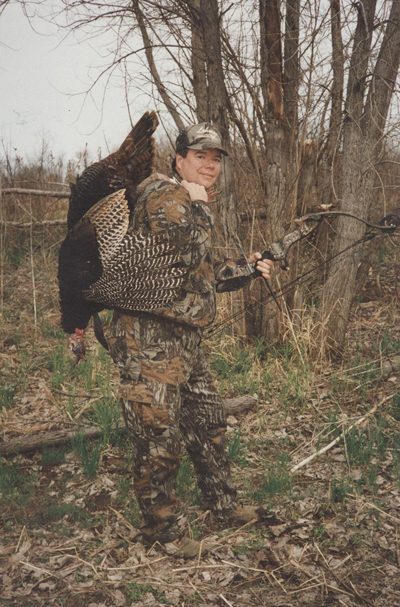
Turkey decoys are the most valuable tools at the bowhunter’s disposal. They should be used in high visibility areas such as open timber or field-edge setups. Be sure to put your decoys well within your effective range. Place male and female decoys so that a gobbler engaging either of them will present you with a perfect shot.
I do not have a specific preference for turkey decoys. Use whatever you are comfortable with. I recommend lightweight decoys to make switching set-ups easier and quicker.
Calling
Bowhunters must approach calling a bit differently as well. Getting the bird into bow range is only half the battle. You must then manage to keep the Tom interested enough to stay close long enough for that perfect chance. Remember to fire him up with hen calls and then close the deal by changing to male turkey calls like Jake yelps and gobbler clucks. Be sure to never, under any circumstances, use the gobble as a call. It is just too dangerous.
Without any doubt, get yourself a 4Play box call and several diaphragm calls. The 4Play box call is the most innovative box call ever produced and gives you more wild turkey sounds that any other call, of any kind, on market today. Combine these sounds with diaphragm calls, to sound like multiple birds, and tom will end up well within bow range.
Shot Placement
All your efforts as a spring gobbler bowhunter are focused on getting the tom to turn his back to you while in full strut. This shot is always fatal. Shooting at the base of the wing, on a tom that is not strutting, will break the spine. You can also break the spine by putting your broadhead between the wing bases on a non-strutting Tom facing away from you.
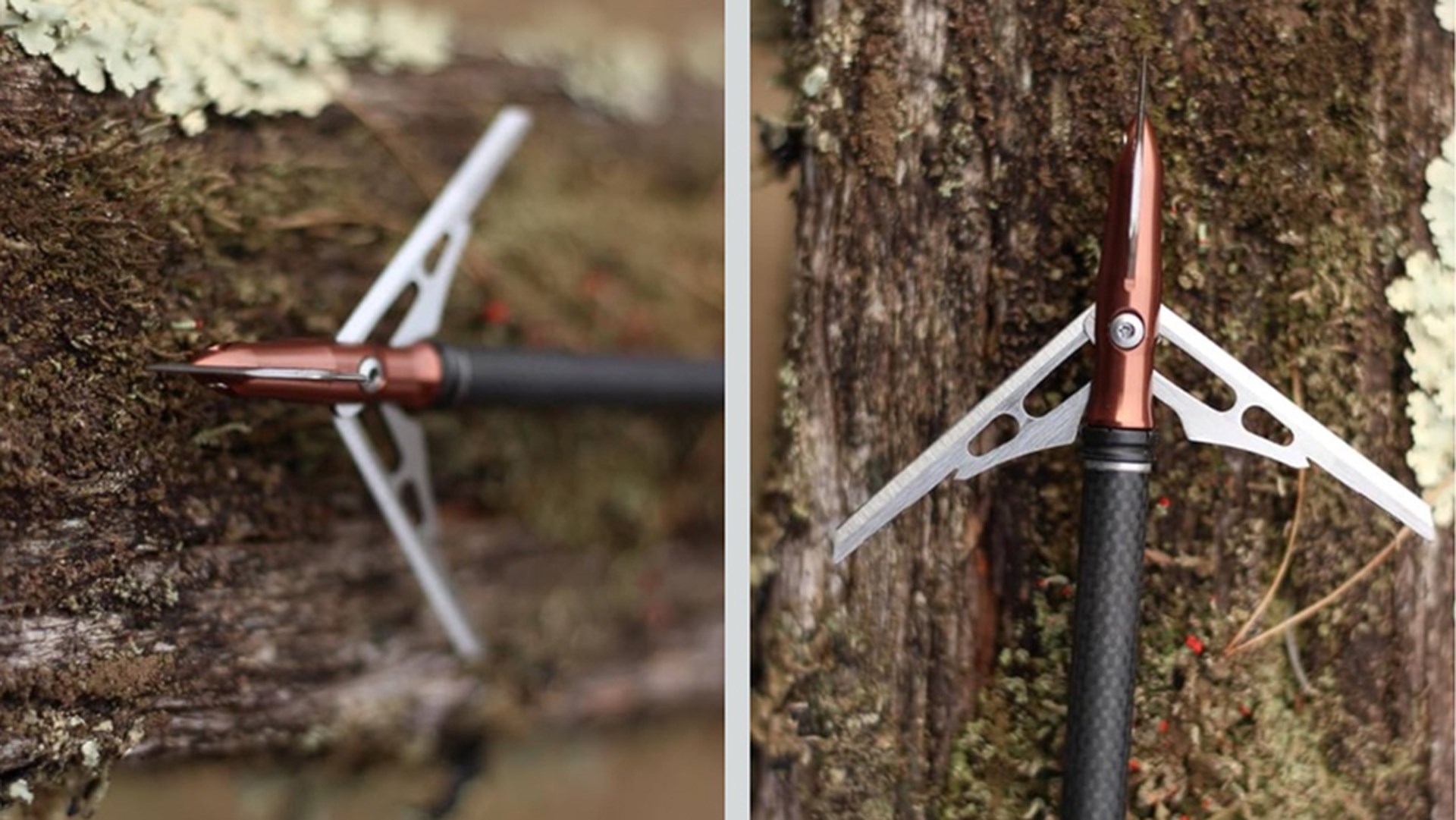
Broadheads
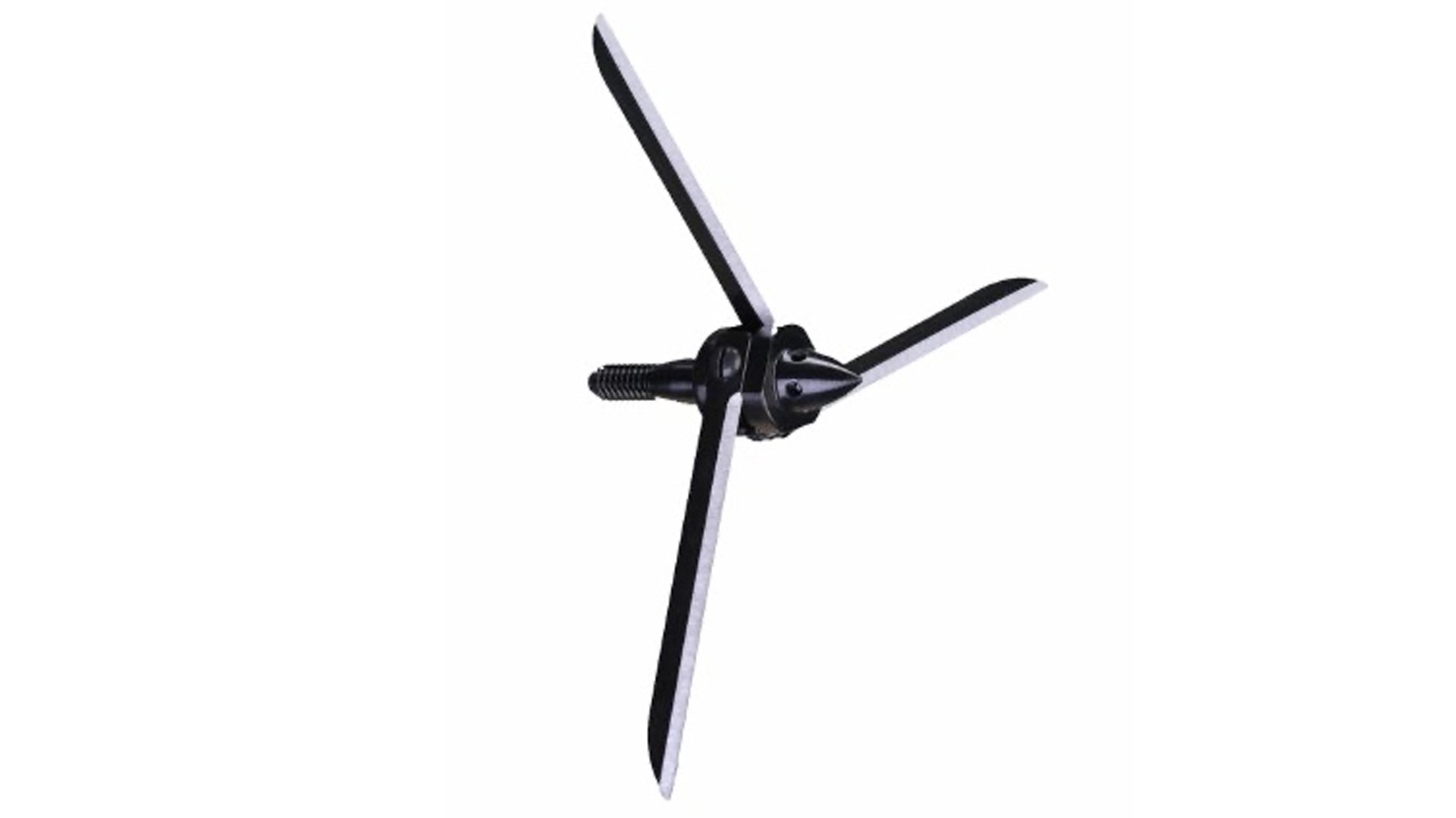
As you begin to explore and research turkey hunting with archery gear you will no doubt have questions about broadheads. You will find quite a large selection from which to choose. I have tried several and do not have a stand-out favorite.
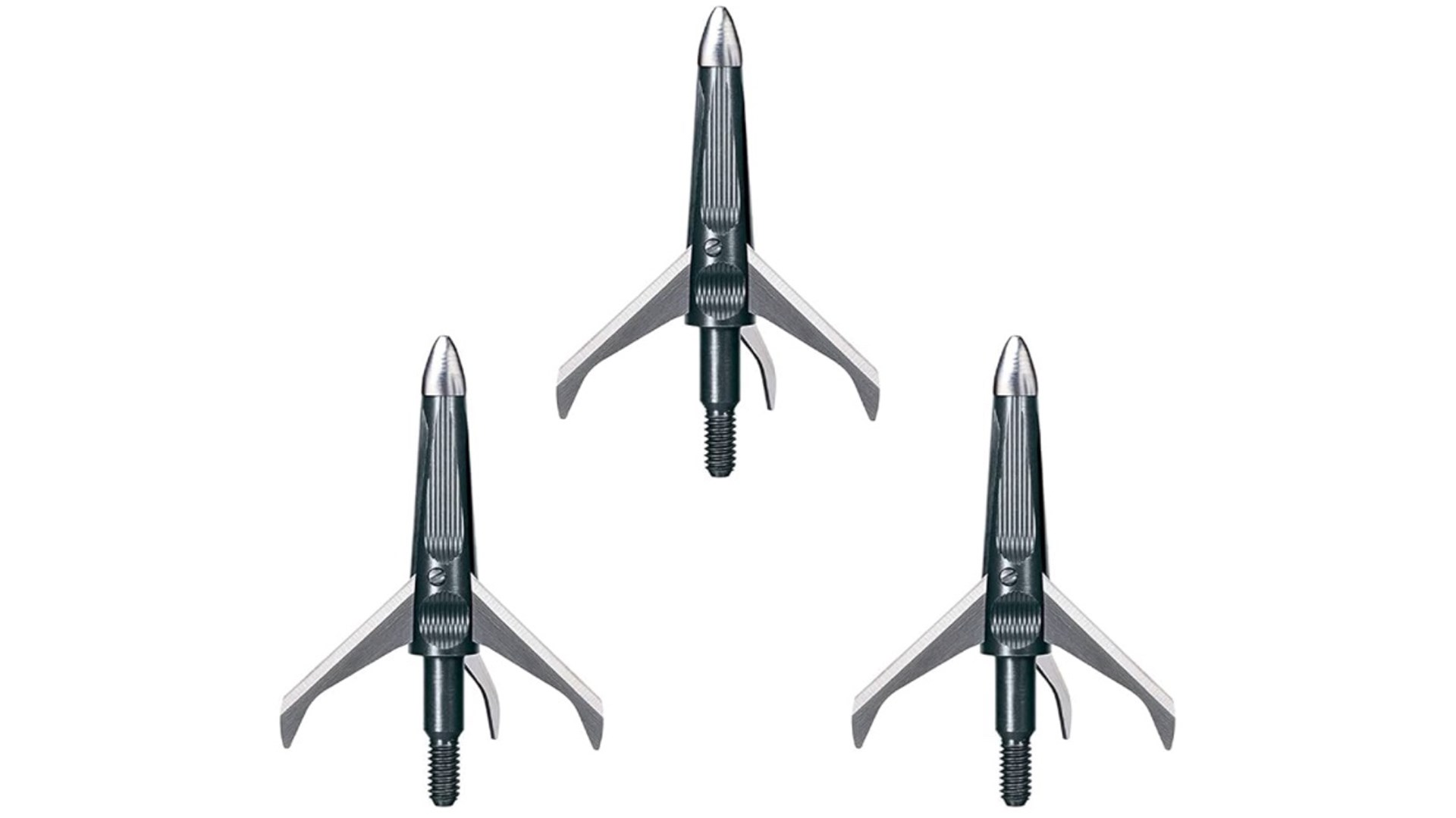
A lot of these specialty turkey hunting tips are designed specifically for head and/or neck shots. I do not like these. The margin of error is simply too great. I prefer more traditional broadheads with maximum penetrating efficiency. Reread my suggestions on shot placement and you will see why.
Finally, it does not matter which type of bow you are planning to take into the spring turkey woods. Recurve, compound or crossbow, all will cut the same hole in tom’s feathers. The important aspect is your efficiency with your bow. Know your lethal range and never be tempted to shoot beyond it.
By applying these factors along with your skills as an archer, you too can become successful with your bow in the spring. You will get a sense of satisfaction and a great deal of personal gratification when you take this toughest of all archery trophies.