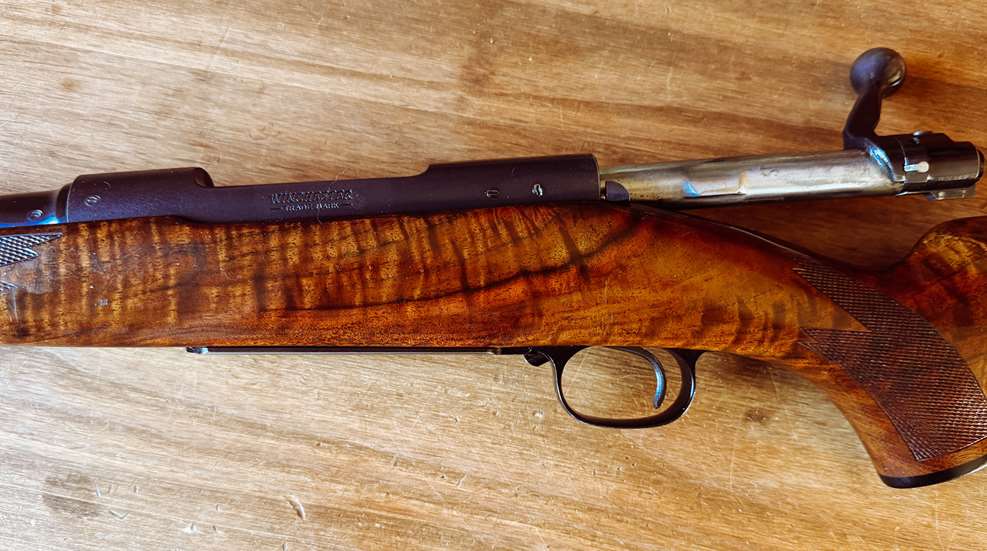
In a world where the wheel seems to be continually reinvented, ballistically speaking, what about working with an existing platform to achieve new performance goals? While lacking the fun of a new gun purchase, tailoring a current inhabitant of the gun room can come with its own set of giggles. Come with me as we take an academic tour of an American icon and its versatility as a worldwide critter getter. Let me re-introduce you to the .30-06 Springfield.
“An F-150 and a .30-06”

The .30-06 ranks among the most common and familiar of the North American centerfire rifle cartridges—right there with a .30-30 and a 7mm Rem Mag. As coined in the Blake Shelton song, “Hillbilly Bone,” an “F-150 and a .30-06” are the ultimate accessories for a proper hillbilly.
Vernacular aside, there is a reason (several, actually) that the .30-06 has persevered all these decades. The .30-06 came about in the early 1900s as a successor of the .30-03, a brief replacement for the .30-40 Krag. With well over 100 years of models and platforms, the .30-06 has firmly cemented its status as a North American go-to centerfire hunting cartridge.
So, what do we know about the .30-06, ballistically speaking?
The .30-06 is a long action version of the .308. With similar case proportions and identical bullet diameter, the two share some significant similarities. The .30-06 has proven itself effective with bullets from 110-220 grains with velocities ranging from 3000+ to 1800 feet per second (FPS) on the low end, respectively.
The .30-06 has a standard twist rate of 1:10. This has historically limited bullet weights to the 220-grain commercially or perhaps a little heavier for handloaders. Past that stabilization has proven problematic for the given twist. Those that are looking strictly for a littler critter getter (varmint hunting) in their .30-06 could perhaps get away with a 1:11 and stick to the lighter end bullets, theoretically speaking. However, that might inhibit the fun somewhat.

We know about the “what is” for the .30-06. What about the “what ifs”? Here’s the twist. Let’s extrapolate and back up. There are a few cartridges on the market at the moment that laud massive innovation in ballistic prowess. In some cases, it’s correct. In some, it’s a simple perspective twist and bullet-weight selection adjustment.

What if we took a similar approach to the .30-06? With over 100 years of success stories, this well-loved cartridge has taken whitetails in the Midwest, elk in the mountains of North America and multiple species on the Dark Continent, to name a few.

The .30-06 has historically been limited to its 1:10 inch, 110-grain to 220-grain realm. But what if we change the narrative? Would a twist rate change for this classic American icon change the game, so to speak? Would previously off-limits species for this caliber suddenly become accessible? Based on bullet technology, barrel manufacturing innovation and smokeless powder as we know it today, I would say yes.
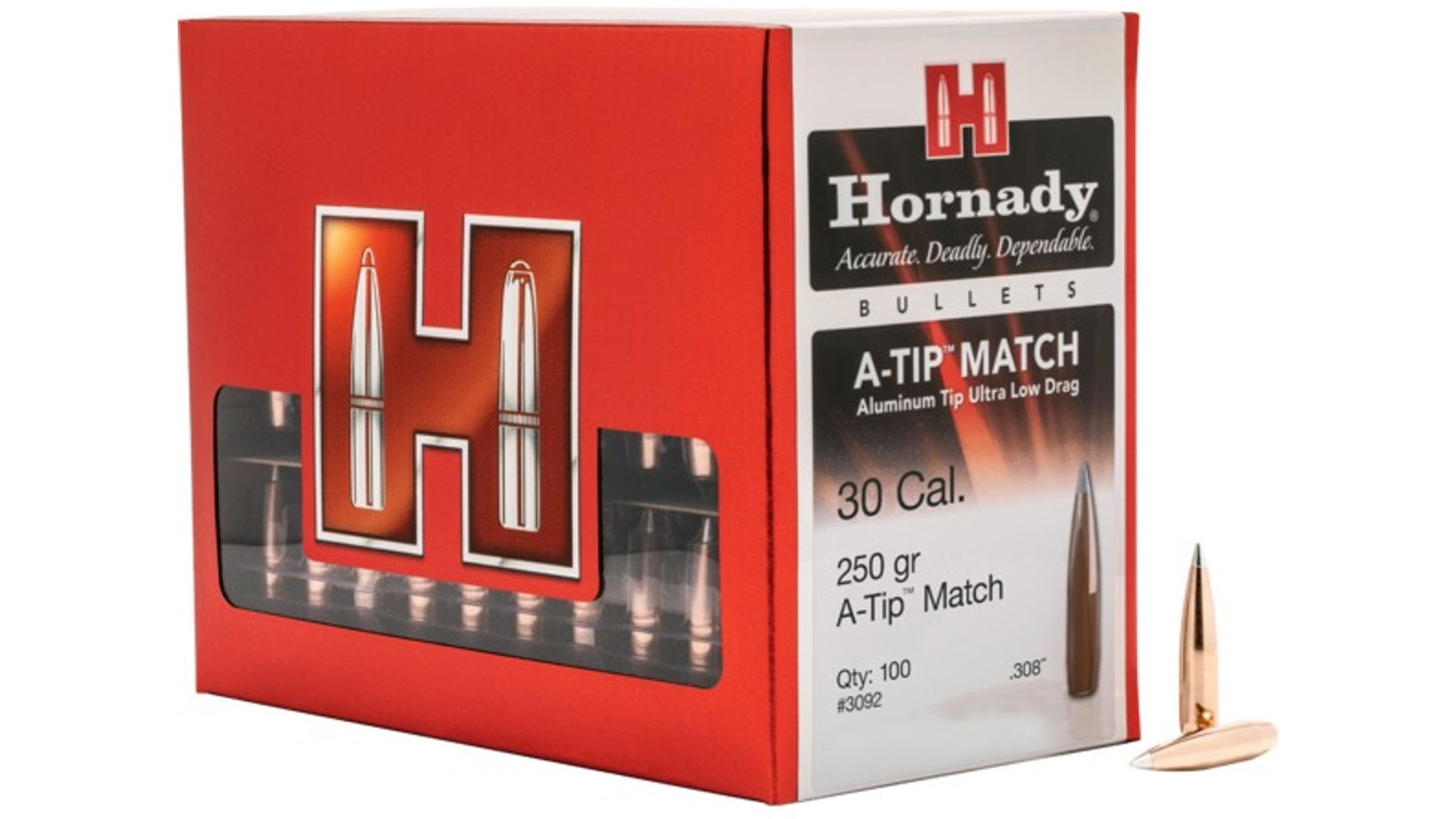
I’m a fan of academic rabbit trails. Come join me on this one. Let’s begin with what we know. The commercially available 200-plus grain ammunition offerings are slim and difficult to find. Bullet options for the intrepid handloader in the .308 diameter are a little easier to find. So, we are looking at handloading adventures to make this a viable exercise.
On the topic of handloading, the .30-06 is an ideal candidate for this exercise due to the inherently generous action tolerances. Originally designed as a military cartridge, action machining precision fell into the delicate balance of mass production, reliability and functionality in diverse environmental conditions.

Thoughts and Theories
The .30-06 is a firm and undisputed fixture in the centerfire North American hunting world. The goal of this exercise is to see if there exist opportunities to expand that in both species and geography through a synthesis of barrel innovation and ballistic theory. As mentioned, the ballistic wheel seems to get re-invented frequently, so let’s give it a good old college try.
What if we took the .30-06 as we know it and twisted it to say, 1:8.5 or faster? There are bullet options out there in .308 diameter to get us the heavy contenders we’re looking for to chase larger critters. Would that stabilize a 240- or 250-grain bullet? Or, perhaps heavier? Would the case capacity support it? And, if both answers were yes, what opportunities would that open up?
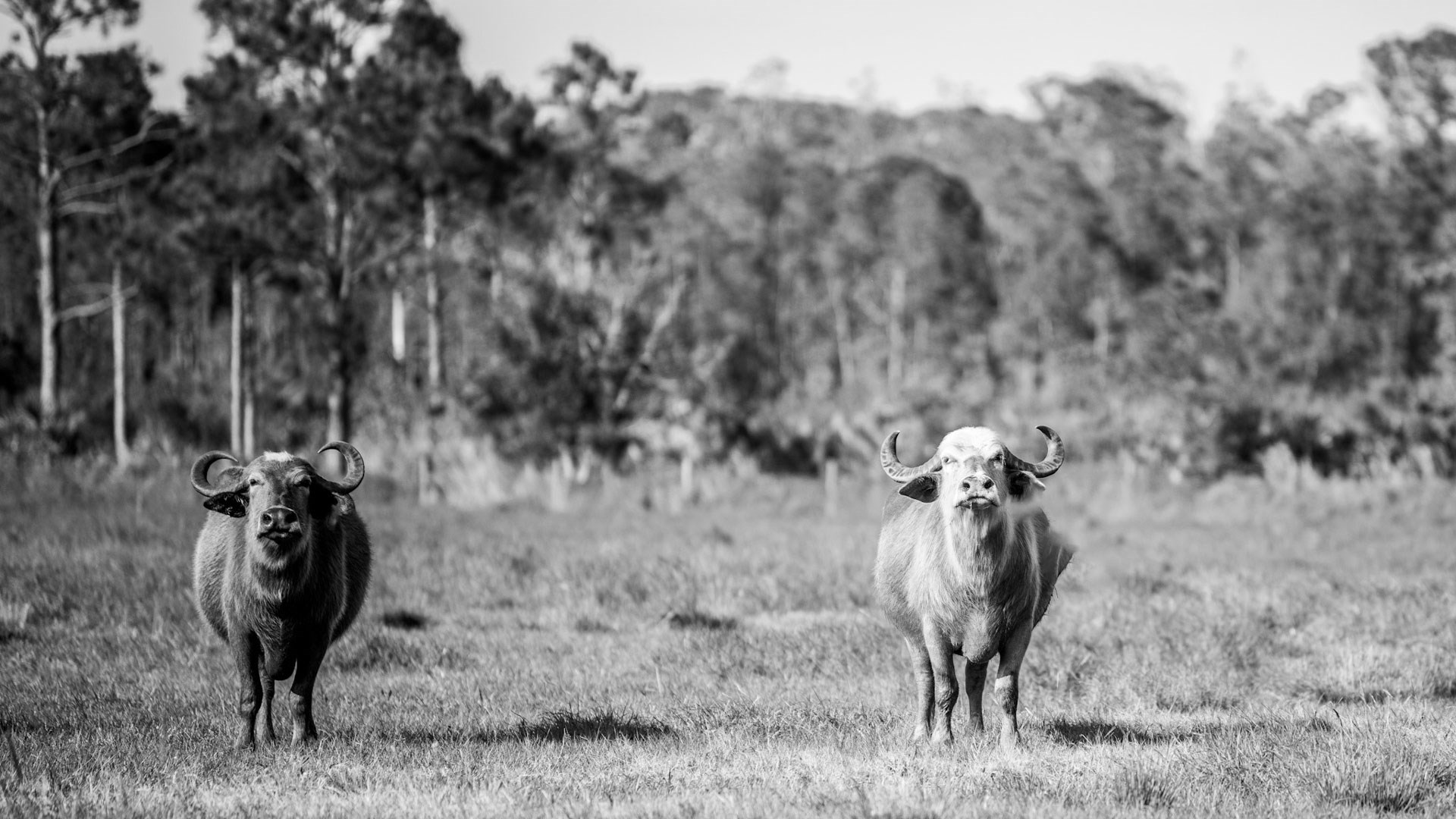
The .30-06 is undoubtedly one of the most versatile cartridges in the world. The goal of this is to pose the “what if” of making it even more so. The current limitations on North American game (elk/moose) and African quarry (plains game to eland, stopping short of dangerous game), might be re-evaluated with a heavier bullet stabilized by a tighter twist.
Many calibers have taken this approach over time. A few things to keep in mind should you decide to go from theory to execution.
First, research your desired bullet carefully. Think about what your end goal/game objective will be. This will impact ballistic coefficient (BC) needs, sectional density goals and necessary muzzle velocity—all contributing to energy on target at a given distance.
Second, powder. Finding that “just right” cocktail for your newly tight twisted .30-06 might take some effort, but the variety of powders on the market provide lots of options from which to choose.
Third, don’t discount the sub-sonic realm. Heavy for caliber bullets, faster twists and shorter barrels all are a recipe for fun down range. Sub-sonic options allow for shorter barrels without sacrificing significant muzzle velocity per inch decrease. And who doesn’t need a handy little brush gun in .30-06?!
The Twist
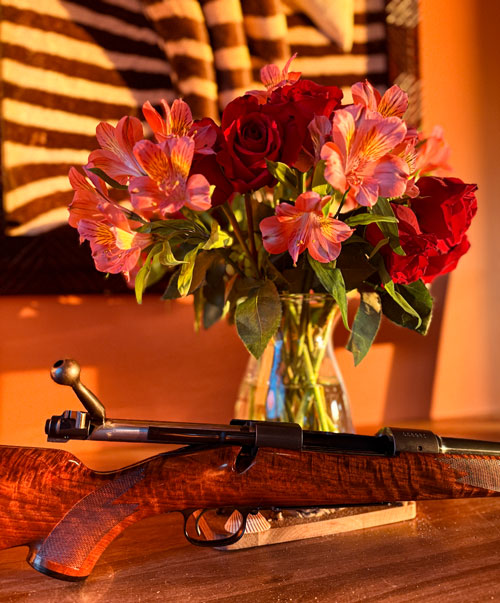
Whether you go out and re-barrel your trusty .30-06 that rides around in your F-150 or not, the point still remains:
- Gunpowder grins are great.
- Any day you can pull the trigger is a good day.
- Adapting a classic to be enjoyed even more is a special kind of connection to the past.
Chasing the latest calibers and platforms can be both fun and a fulltime job. Sometimes it’s cathartic to sit with a classic for a bit and entertain the “what if” behind the ballistic “what is.” If you’re looking to lean into the classics in the gun closet, a modern twist on a timeless fixture might be next on your gun project docket.
Happy Hunting!
Andi