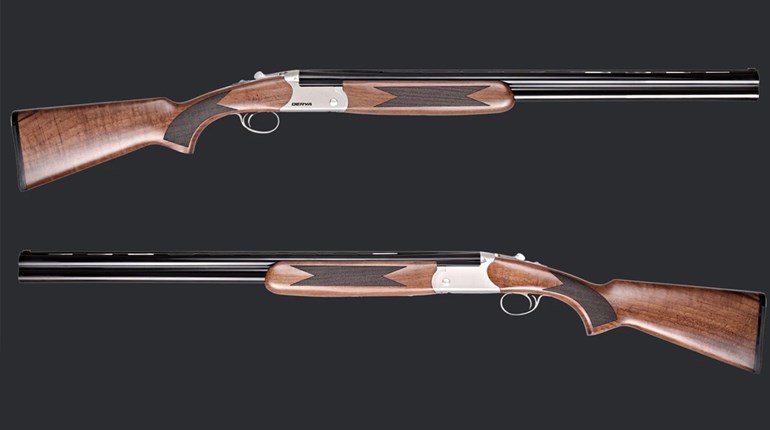
If given the choice, most hunters would opt to use a rifle to hunt big game; increasingly, however, those who are willing to employ shotgun slugs are afforded additional opportunities afield—particularly in settled areas east of the Mississippi River. Why? Due to the steadily climbing population and the resultant modification of nature into subdivisions, businesses, schools, and park-and-ride lots (among many other detriments to the environment), areas safe for discharging centerfire rifles are decreasing. Sadly, it’s a trend that shows no sign of slowing.
That being said, the whitetail deer population that burgeons around this madness must be managed, and it’s usually done with limited-range weapons, such archery tackle, muzzleloaders, and shotguns. Where legal, the latter offers the best combination of range, ballistics, and convenience. But rifles they are not.
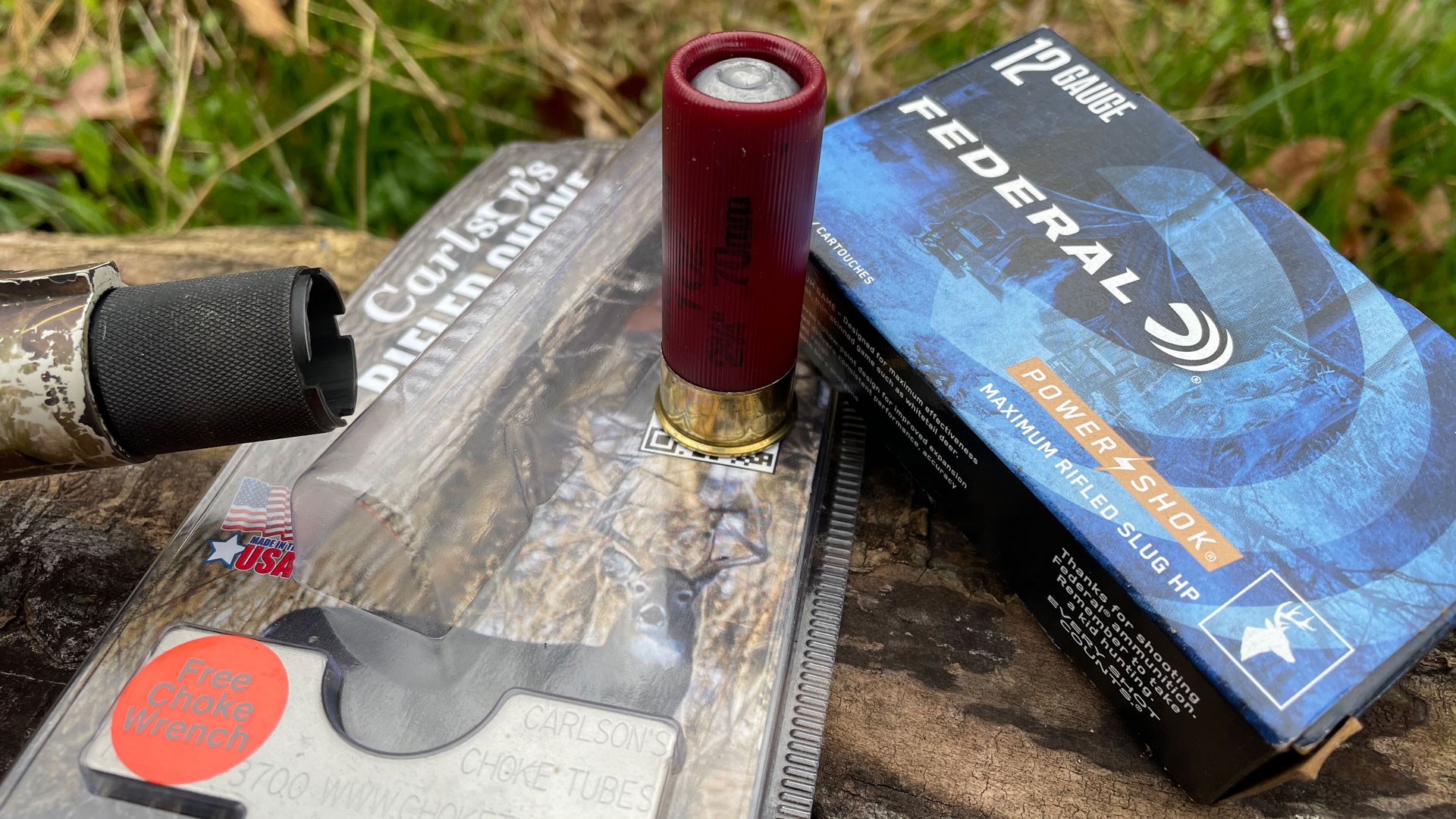
For those accustomed to the pinpoint accuracy and extended range of modern centerfire rifles, slugs may be unappealing; after all, the oversized projectiles have a pronounced, rainbow-like trajectory (read as close-range affairs), terrible wind deflection, and, in general, aren’t remarkably accurate unless used in a fully rifled slug gun. But, do you need to buy a dedicated slug gun, or settle for “acceptable” groups from a smooth bore? The answer is “no.” Another more economical, option is found in acquiring a rifled choke tube for one’s favorite scattergun.
Before perusing the websites of your favorite retailers and manufacturers, though, there are some things you need to know about rifled choke tubes. Below is what I discovered through research and experience.
The Basics
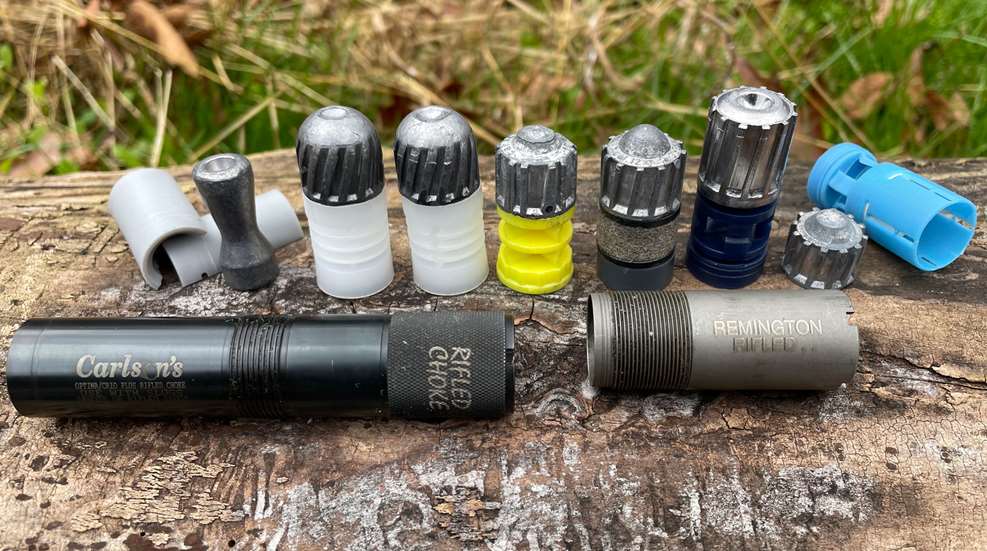
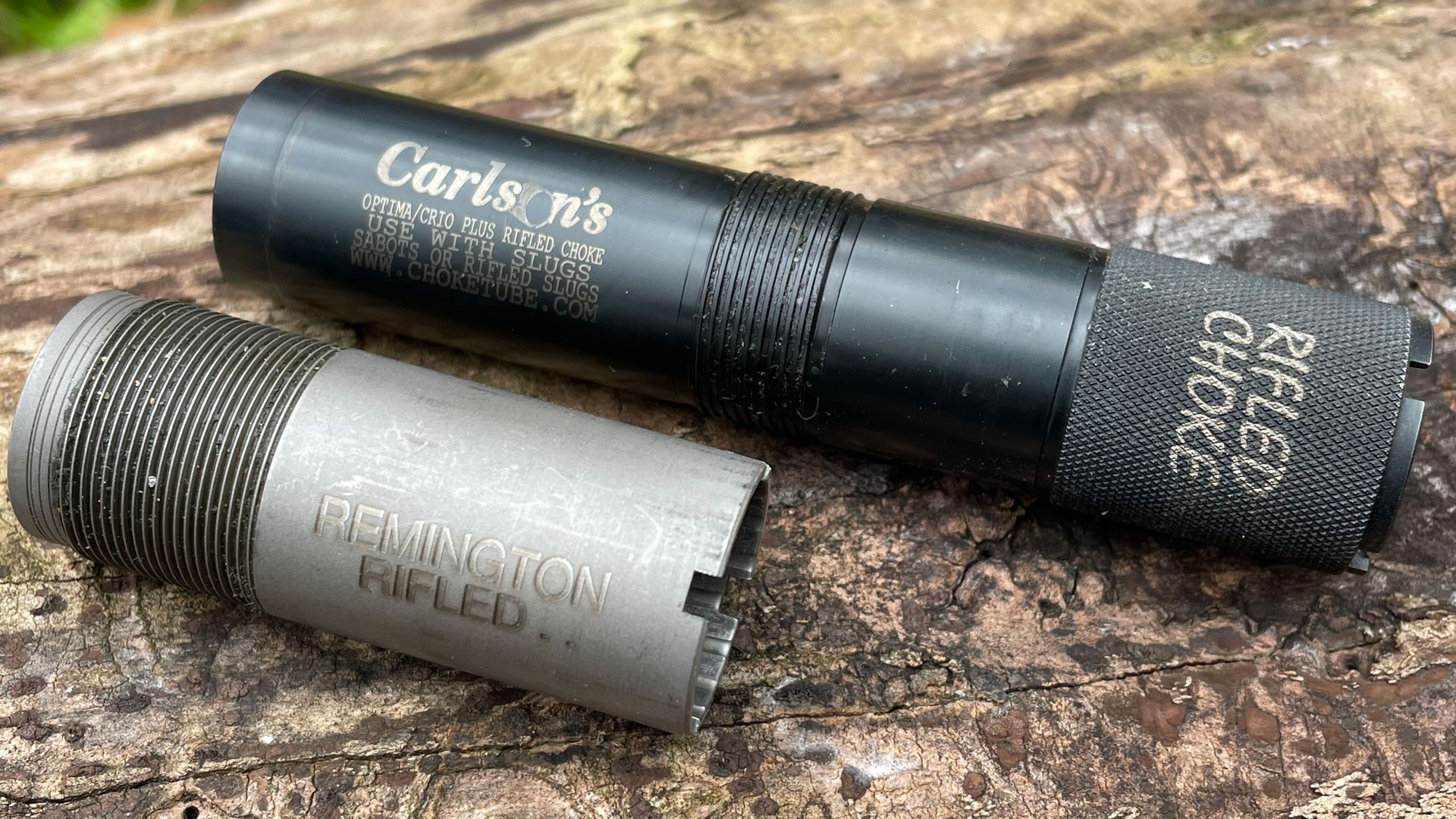
Finding a rifled choke tube isn’t particularly difficult for most common thread patterns, such as the Remington RemChoke, Benelli Crio Plus, Beretta/Benelli (Mobil), Beretta Optima HP, Browning Invector and Invector Plus, and Winchester Win Choke. At this time, Browning appears to be the only gunmaker that sells them direct to consumer (as accessories); there’s no need to fret, as aftermarket companies, and particularly Carlson’s Choke Tubes, cover those mentioned above and then some. Options in 12 gauge typically outnumber those in 20.
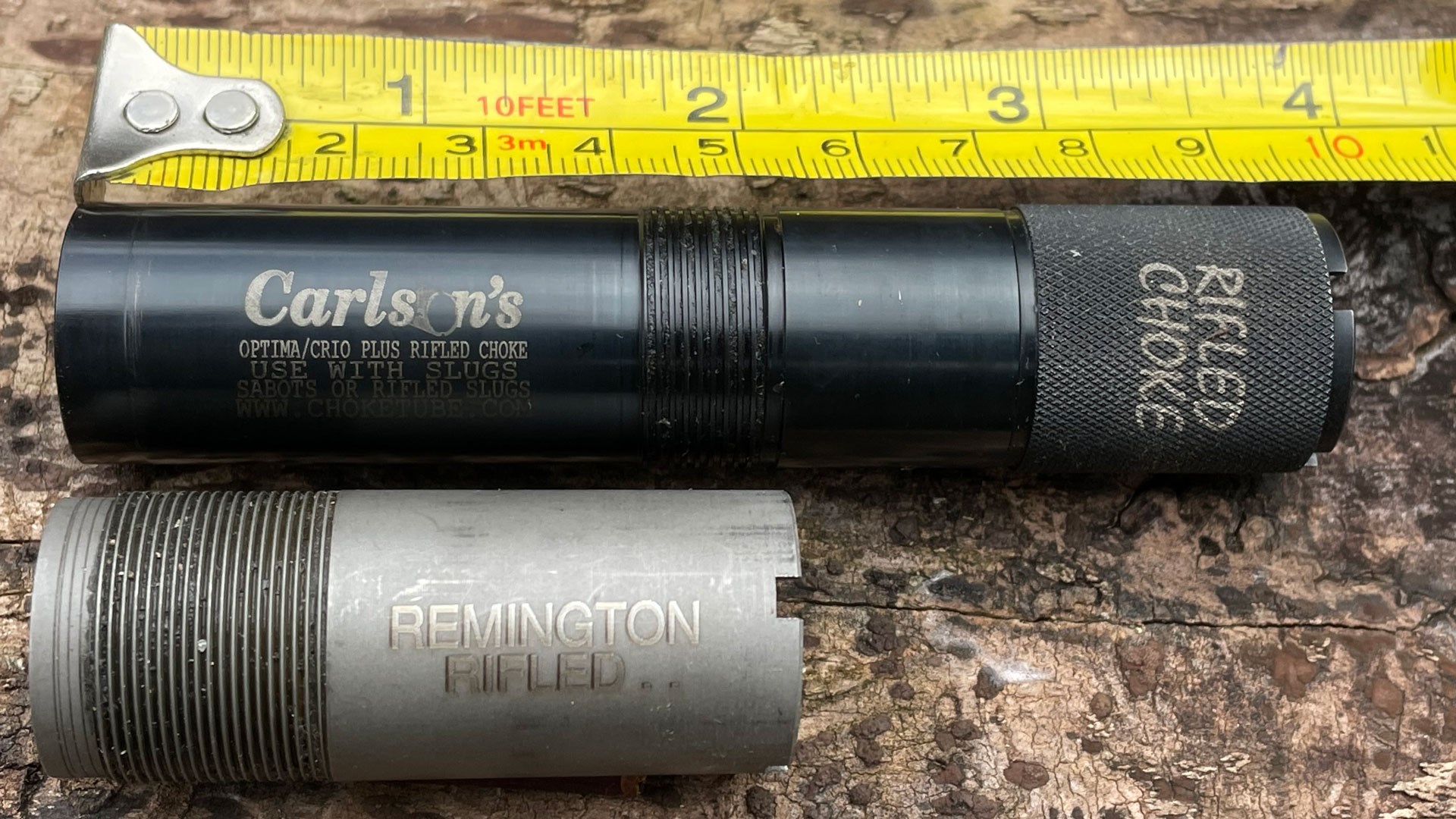
As with choke tubes offering varying degrees of constriction, rifled models are, at times, available in flush-fitting and extended configurations, though the latter are now conventional. I haven’t found one length to outperform the other, but the extra length of an extended model definitely aids the installation and removal process. Given that many slugs—including those featuring a sabot—can be used with fully rifled barrels and rifled choke tubes, it’s unsurprising that the twist rate of both are similar, if not identical. For instance, a 1:35-inch twist rate is commonly employed in 12 gauge.
Selecting the Right Ammunition
While there is ammunition that plays nicely with both fully rifled barrels and rifled choke tubes, some is outright incompatible with the latter. When the manufacture states, “Use in fully rifled barrels only,” or something similar, heed their warning. Avoid that load. Unfortunately, such cautions are common to the highest-performing—and flattest shooting—slugs, but that’s simply the tradeoff associated with going the rifled-choke-tube route.
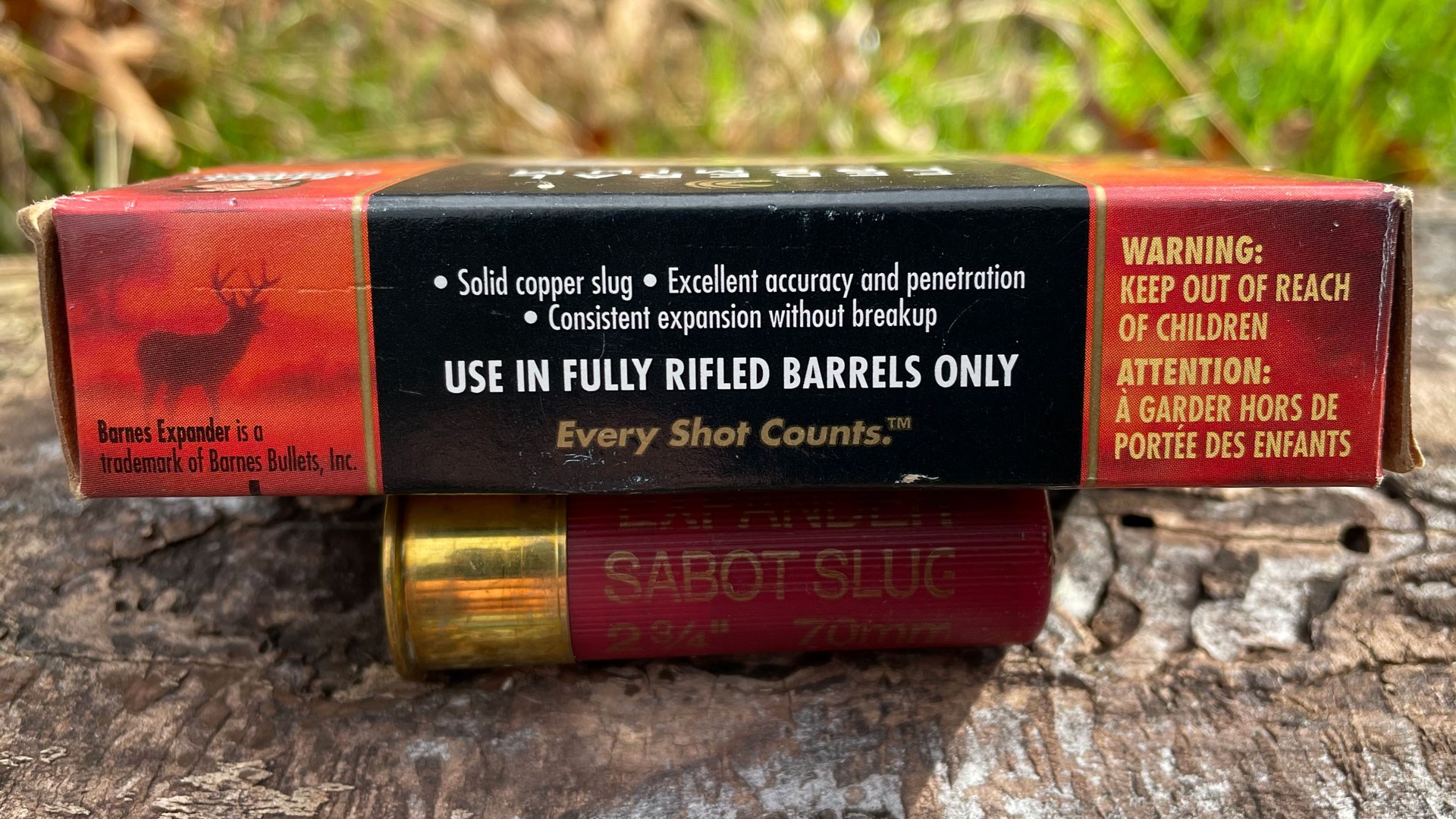
Provided there’s no warning, or the ammunition box reads, “Suitable for use in smoothbore and rifled shotguns with any choke,” or an analogous message, that slug is safe for use through your rifled choke tube. Most will be of the traditional, full-diameter, Foster-type design or Brenneke’s improved version, though there are sabot slugs that can be utilized in rifled choke tubes, too. Examples of the latter are Winchester’s Super-X BRI Sabot Slug, a favorite of mine, and Brenneke’s new Topas, which pairs a blue, 12-gauge wad with a Brenneke-style, lead-alloy, 16-gauge slug. That’s only the beginning, too.
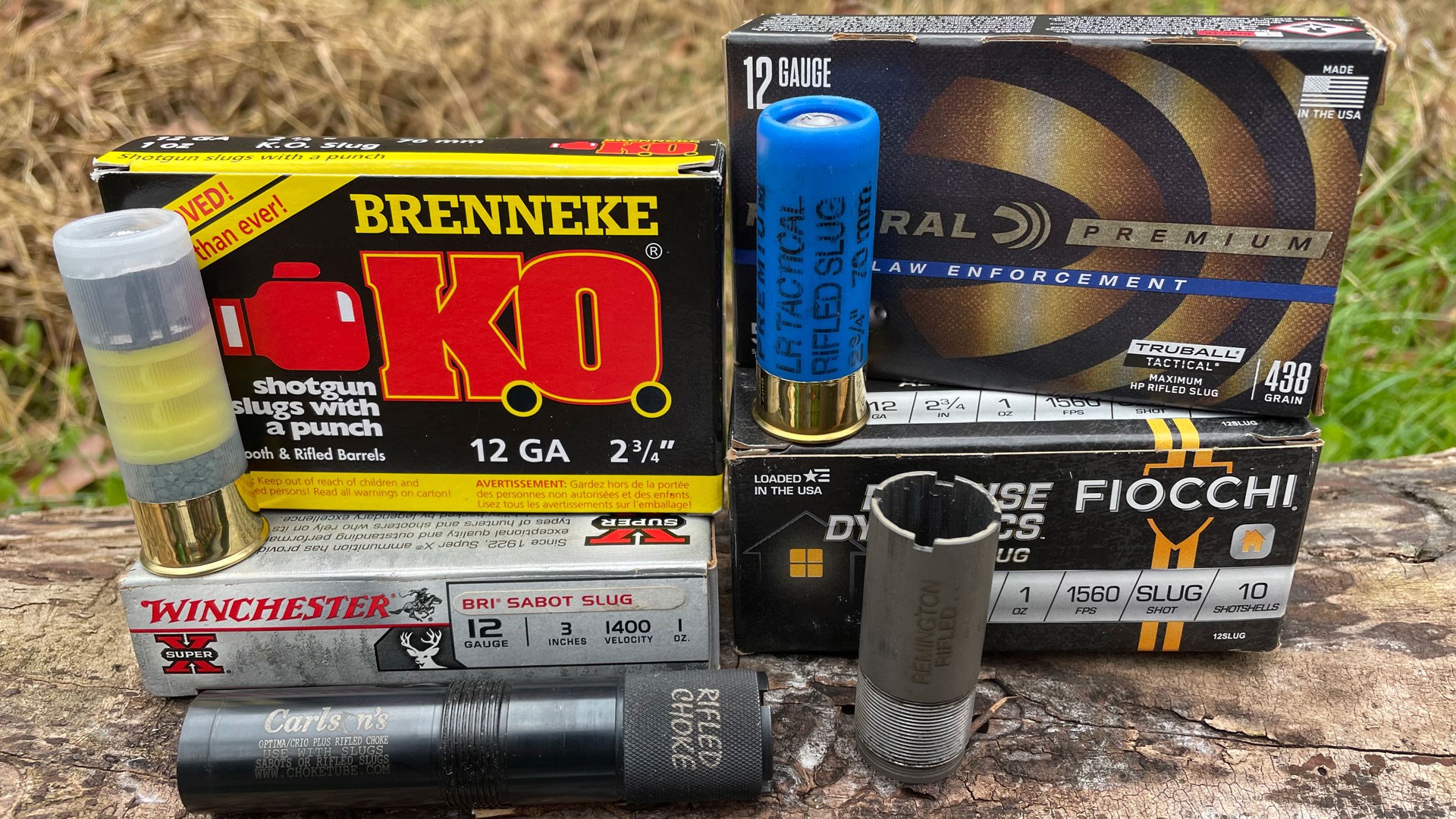
Unfortunately, there’s no shortcut to finding which ammunition performs best in your shotgun/rifled choke combination; you’ll need to acquire multiple loads and spend time on the range. I’d recommend investing in a rest that weight can be added to, such as the Caldwell Lead Sled Solo, to reduce perceived recoil. Before purchasing slugs, first consider the maximum range that you’ll be using them. Foster- and Brenneke-type slugs are best employed inside of 75 yards, though 100 isn’t too far to reach with the right setup and practice. If you’re looking to reach beyond that, though, opt for a suitable sabot slug. Of course, using an optic or rifle sights will greatly improve accuracy over a standard shotgun bead.
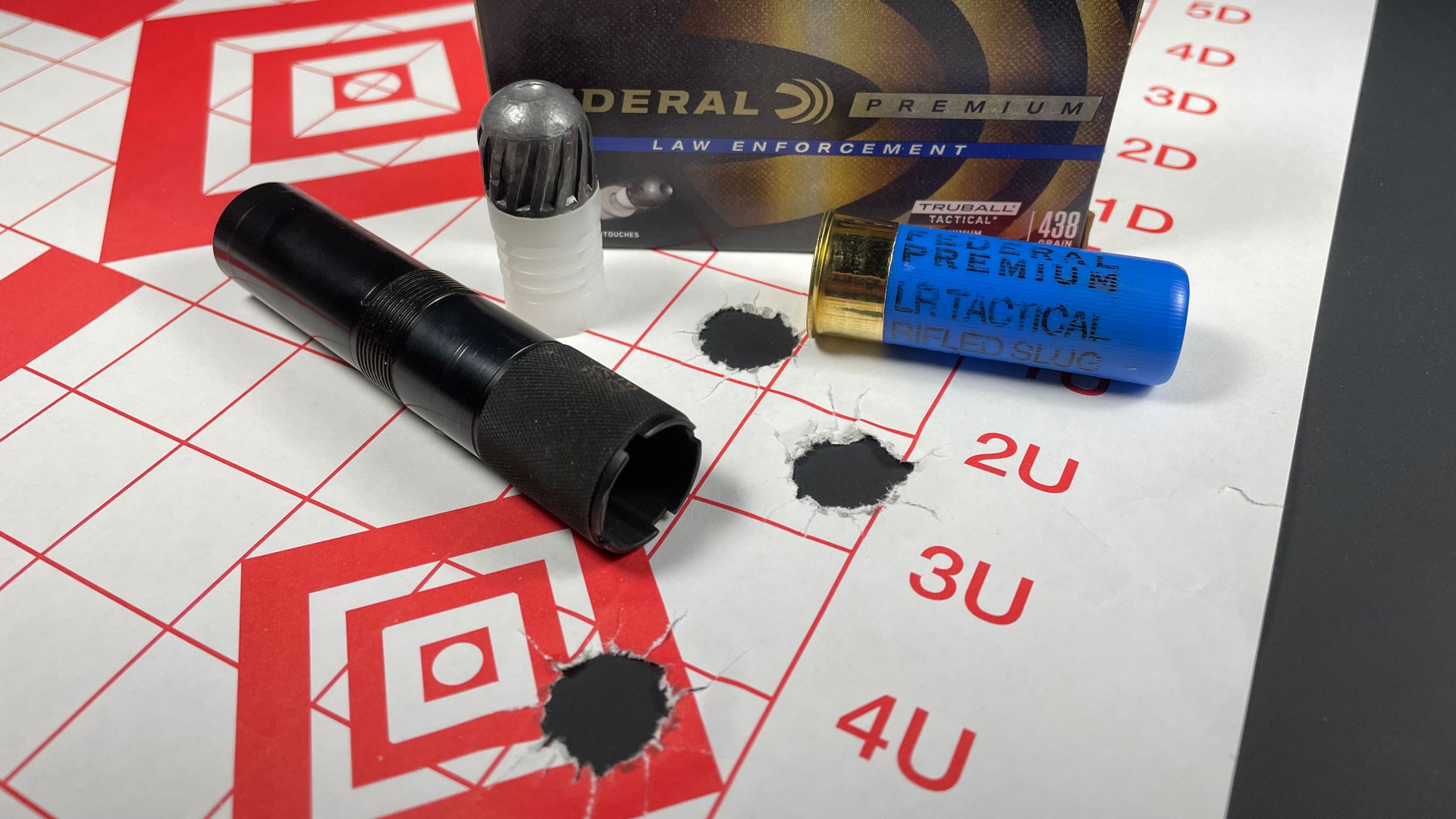
My suggestion is to secure samples (a standard five-count pack is fine) of several slugs in various lengths (if a 3-inch-chambered gun) and weights (i.e., 7/8, 1, 1 1/8, and 1 1/4 ounces) and test them side by side. You’ll find one shell length, slug weight, and slug design that outperforms the others. For example, whereas Brenneke’s Classic Magnum 2¾-inch, 1 1/8-ounce load gave lackluster performance in my Benelli SBE II, its K.O. 2¾-inch, 1-ounce round is a solid performer. More on it shortly. At times the least-expensive option can produce the best results. Trust me.
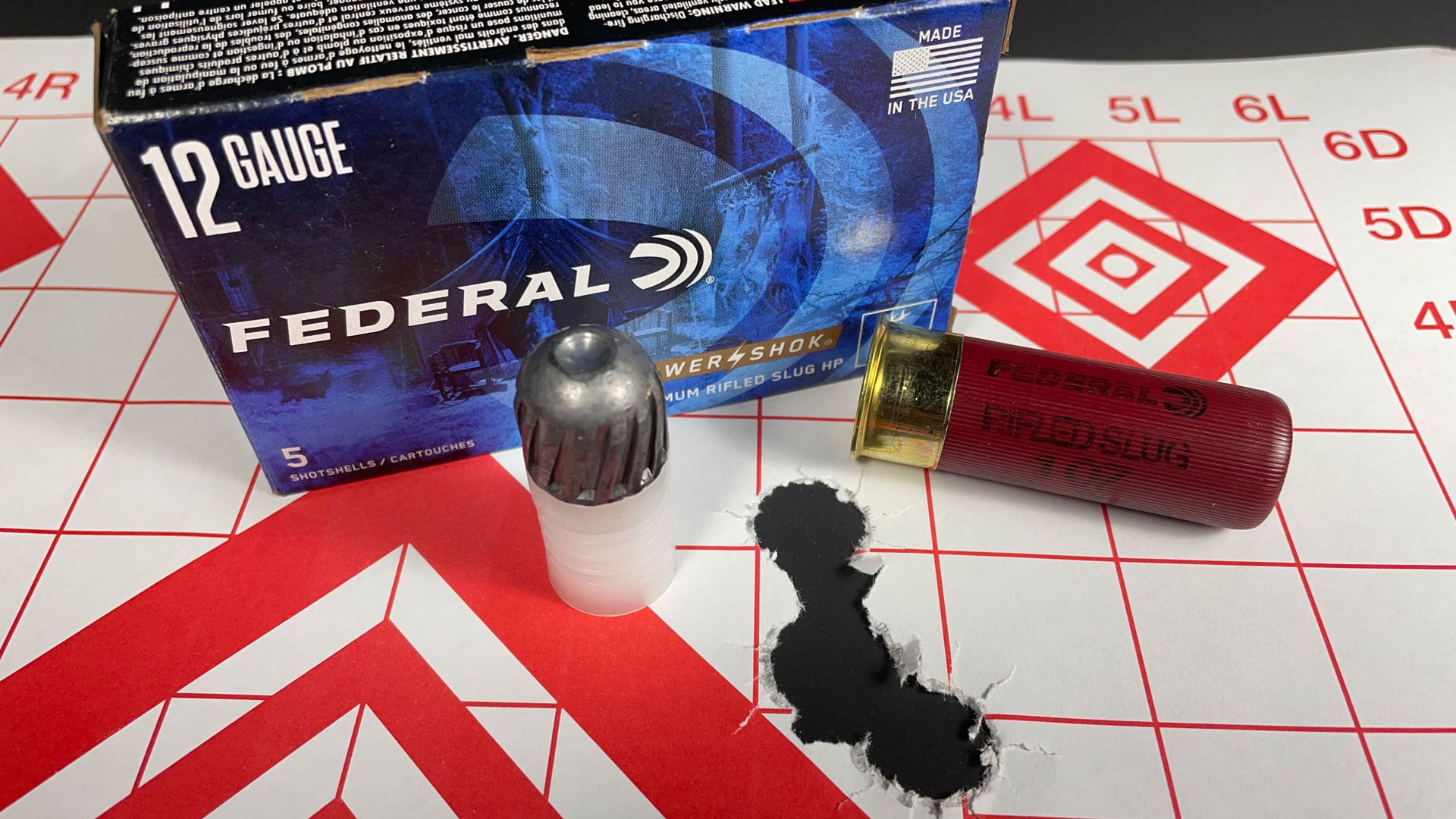
Don’t only shoot up close, either; I’ve recently had a shotgun fitted with an aftermarket rifled choke tube produce fine-looking, three-shot clusters at 25 yards while zeroing the shotgun, only to throw patterns consisting of keyholes at 75. This was across multiple sabot slugs, too. All this to say know what your selected slug will do at all the ranges you expect to use it.
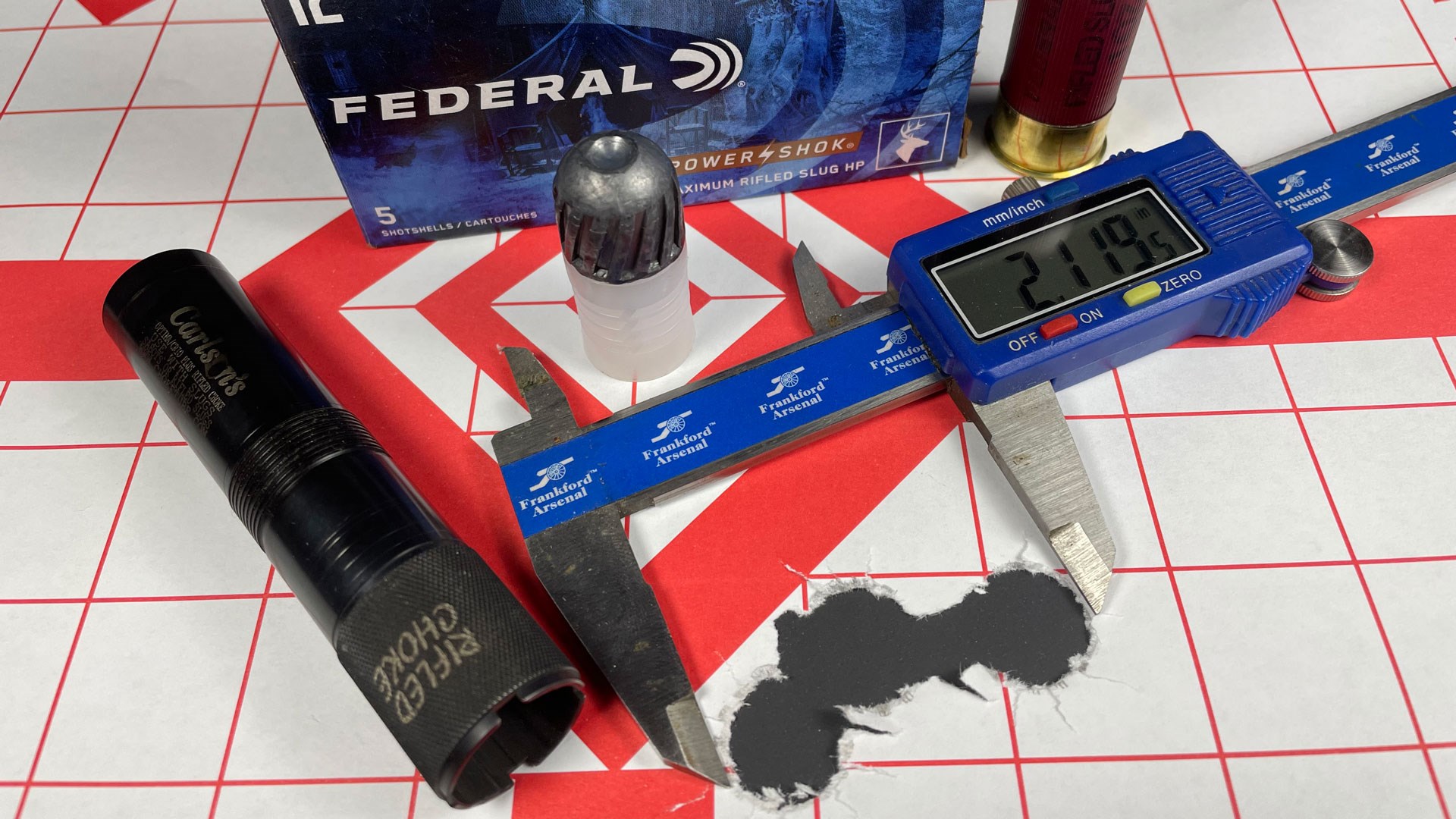
Lastly, be prepared to discover that the one slug you want to use most might not be well-matched with the shotgun/choke combination you have. That happened to me. Accept that reality and move on. You’ll discover something that works well, and you might never want to deviate from it. I did, and only days before this piece was written, I used the abovementioned Brenneke K.O. slug to quickly down an antlerless deer approaching 75 yards on an antlerless quota hunt in Virginia. Based upon its accuracy on the range and terminal ballistics in the field, I’m not planning on changing anytime soon, even though I just discovered a slug that edges it out accuracy-wise.
Accuracy Potential
The level of accuracy you’ll attain using a rifled choke tube depends on your ability (and willingness) to experiment with different loads (or even brands of chokes), sight types, and ultimately your marksmanship skills. Find the right recipe and your rifled-choke-tube-equipped smoothbore will rival some fully rifled slug guns. Through the years, I’ve witnessed some impressive groups produced using them, but experimenting with loads was key.
The best performance that I’ve achieved using a rifled choke tube came from a semi-automatic Sarsilmaz shotgun equipped with a flushing-fitting, rifled RemChoke and Leupold Vari-X II 1-4X scope, while using Winchester 3-inch Super-X BRI 1-ounce slugs. Using this combination, I consistently clustered the heavy, hourglass-shaped, lead-alloy slugs at 100 yards, which enabled me to easily harvest a DMAP doe at a ranged 149 yards.
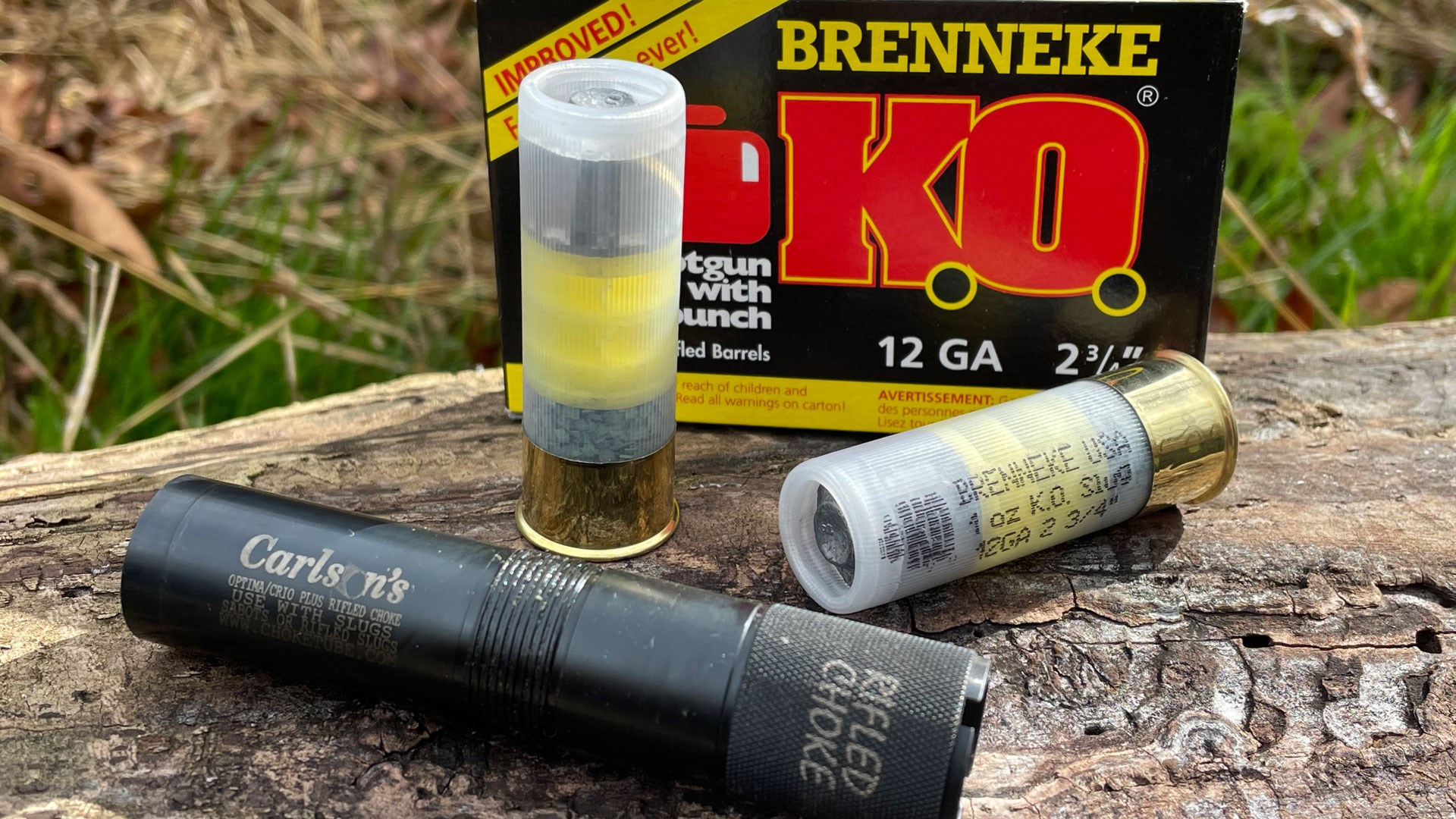
I no longer have the Sarsilmaz shotgun, but the scope was transferred to my trusty Benelli SBE II. An extended, Carlson’s rifled choke tube was also added. Completing my union was Brenneke’s 2¾-inch K.O. slug, which the company reports is capable of producing 2-inch, five-shot groups at 50 yards Given that I achieved a three-shot group (limited ammunition on-hand at the time) not much larger in size 25 yards further downrange, I have no doubts that the Brenneke’s claim is accurate. What’s more, in the same shotgun I’ve also achieved superior performance from Federal’s economical, Power-Shok 12-gauge, 2¾-inch 1-ounce slug; in fact, at 50 yards, a three-shot group with the .72-caliber slugs measured only 1.40 inches. Ponder that for a moment.
So, the next time you’re presented with an opportunity to hunt big game using slugs, don’t agonize. Break out your smoothbore and install a rifled choke tube. It’ll do all you need while saving coin simultaneously.