Oil Spill Silver Lining: Money for Duck Habitat

by
posted on November 20, 2013
** When you buy products through the links on our site, we may earn a commission that supports NRA's mission to protect, preserve and defend the Second Amendment. **
dogs_ah2015_fs.jpg (43)

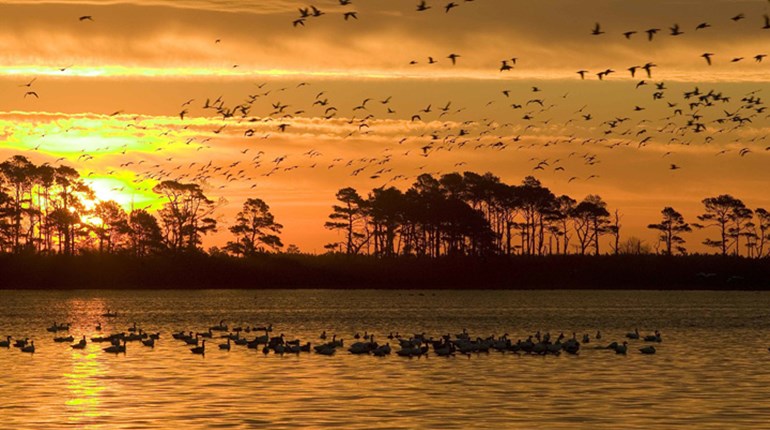
The 2010 Gulf Coast oil spill posed two key threats to waterfowl in its immediate aftermath: Direct mortality in the forms of starvation and oiled birds, and the destruction of some of the continent's most important wintering habitat. Fortunately the worst-case scenarios didn't come to fruition, but a variety of major duck habitats were impacted—namely the oil killed a variety of aquatic grasses, exacerbating an already troubling rate of coastal erosion.

The spill was an absolute environmental disaster, but, at least for ducks there is a silver lining: According to Ducks Unlimited, waterfowl are among the first beneficiaries of the criminal settlement being doled out by Deepwater Horizon. DU wrote in a press release:

The National Fish and Wildlife Foundation (NFWF) recently announced five projects to restore and enhance habitats for species impacted by the 2010 Deepwater Horizon Disaster, including the Gulf Coast Migratory Waterfowl Enhancement Project. These projects are funded through the NFWF-administered Gulf Environmental Benefit Fund.

The $1.25-million grant will be provided to the Texas Parks and Wildlife Department (TPWD), which will work with Ducks Unlimited to restore and enhance Texas coastal wetlands.The project intends to improve wetland health and water availability on private lands (95-percent of Texas is privately owned). A second portion of the project will create "seasonal surface water" (i.e. flooded fields) in agricultural areas to provide food for all sorts of migrating fowl.

Latest

Ledehow Do You Compare

How do you Compare to the Average Hunter?

There is no “average” hunter, although don’t be surprised if you’re more run-of-the-mill than you think after seeing the results of the “2025 Hunting Industry Insights” report. The survey, conducted by Untamed Outdoor Agency (UOA), focused on what might be the most active demographic—sportsmen between the ages of 32 and 52.

Says You: Trail Camera Overkill?

Editor-in-Chief Scott Olmsted's monthly response column to questions posed by our members. This week, we're discussing mountain lions, poaching and trail camera use.

New for 2026: Trijicon SRO Green Dot

Trijicon has announced a 2.5 MOA, Green Dot version of the SRO reflex sight. The new model will be available in Black and Coyote Brown anodized finishes.

More Than $6.6 Million in Tribal Wildlife Grants to Advance Conservation

The U.S. Fish and Wildlife Service (USFWS) is awarding more than $6.6 million to federally recognized Native American and Alaska Native tribes to benefit fish and wildlife resources and their habitats. This year’s funding will support 35 tribes for conservation projects across 15 states, benefiting a wide range of wildlife and habitat, including species of cultural or traditional importance to Indigenous communities.

Hardware Review: TriStar KR.22

TriStar is noted for shotguns, but Bryce Towsley recently received a test gun from them that’s much different. Check out his review on the TriStar KR.22.

New for 2026: Browning Trail Cameras' Security Tree Strap

Browning Trail Cameras has released a Security Tree Strap, a durable and dependable mounting solution to keep trail cameras in place in nearly any environment.

Interests


Get the best of American Hunter delivered to your inbox.