Know-How: Why Motion Kills

by
posted on November 30, 2016
** When you buy products through the links on our site, we may earn a commission that supports NRA's mission to protect, preserve and defend the Second Amendment. **
kh_motion_kills_f.jpg

Waterfowlers love wind. Because birds typically land into it, wind helps to channel ducks and geese in a definitive direction so you can set your spread and hide accordingly. It also moves the decoys, which makes them look more realistic and therefore more likely to fool your quarry.

Thanks to enterprising and inquisitive waterfowl junkies who wanted to see how their spreads looked from a bird’s-eye view, we now know that perhaps the biggest reason wind increases a spread’s effectiveness is because it helps waterfowl see the decoys.

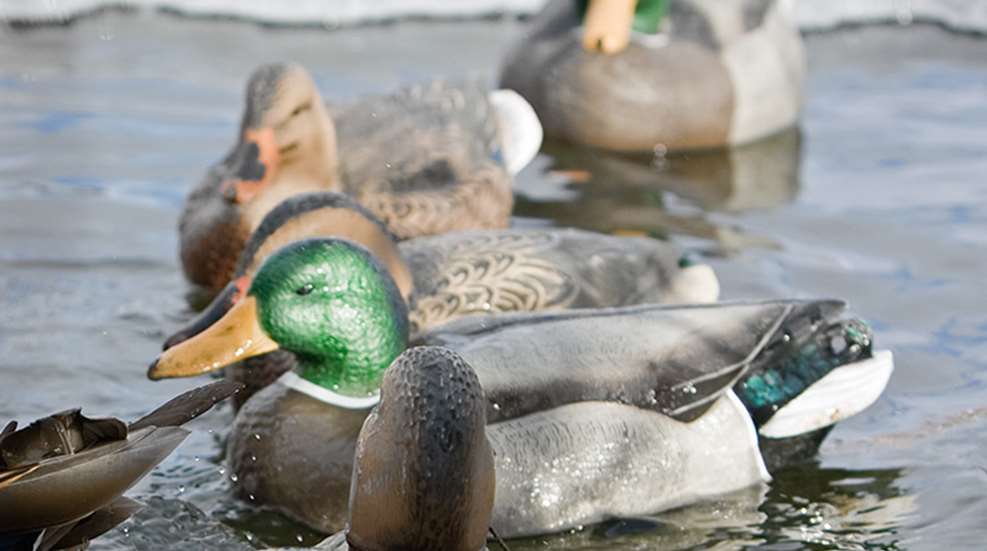
Think about how a mountain or tree line is so beautifully reflected in the glass-smooth surface of a lake or pond. Now imagine you’re a duck flying over a decoy spread sitting on absolutely still water. What’s that duck going to see? The sky, because the water’s surface is acting like a mirror. By contrast, when the wind ripples up the water, the surface can’t reflect the sky and the ducks can now see the decoys more clearly.

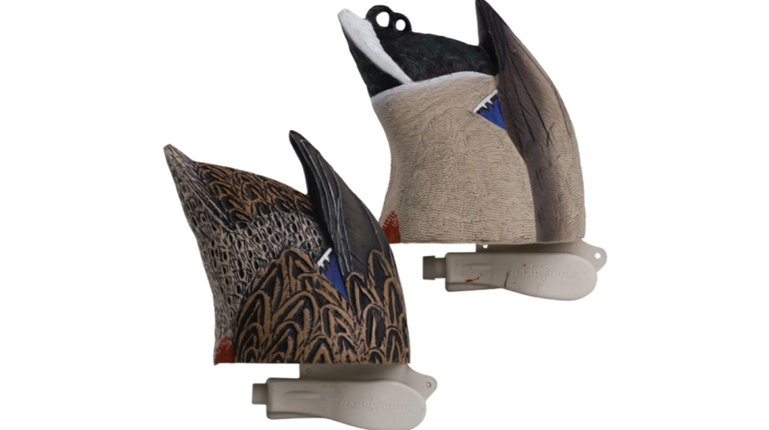
If you’re hunting over water on a calm day, the best way to increase your decoys’ visibility is to churn up the water. That’s one of the main reasons timber hunters thrash the water with their feet; it’s why jerk cords can be so effective, especially when hunters really rip on the cord to send ripples coursing throughout the majority of the spread. The next time you think ducks are ignoring your decoys because they look lifeless sitting still on the water, it might just be the ducks can’t see them.

Latest

Facinn1.25
Facinn1.25

Late Season Decoy Mix

In the final days of duck season, don’t be afraid to change the look of your decoy spreads. Be it a simple alteration or a bold move, a different presentation can be all it takes to provide a strong finish to the season.

New for 2026: Stealth Cam 3.0 Tail Cameras

Stealth Cam has announced its 3.0 trail camera line, with some major tech-forward improvements over its previous generations. Designed for hunters and wildlife managers, these cameras introduce a suite of technologies designed to push surveillance capabilities to the next level, all accessible through the Command app.

Kifaru Launches New Hunting Apparel System

“This system is a purpose-driven solution for the tough environments and unpredictable scenarios outdoor enthusiasts’ encounter. Every piece was designed to help hunters meet those challenges head on.”

Hardware Review: Sierra MatchKing X

Sierra MatchKing bullets have been setting the accuracy standard for handloaders since the Truman administration. Now, they have redesigned their classic MatchKing bullet for hunting, with a softer lead core, tapered jacket and a skived nose to help it expand. They call the bullet the MatchKing X (MKX).

New for 2026: Lapua TRX Tipped

Lapua has expanded its True-Range Expanding (TRX) family of products to include several new ammunition offerings.

Bolt-Action Build: Model 2020 Muley

With the right tools and a bit of know-how, anyone can build a quality backcountry rifle in their own shop, and for a far sight less than a comparable rifle from a custom gun-builder. Follow along for exactly how to build a backcountry-capable rifle all your own, with your only trip to an FFL being the one necessary to get your receiver.

Interests


Get the best of American Hunter delivered to your inbox.