Whitetail hunting was once pretty straightforward: We would simply sit quietly and await fate. Modern hunters have become more proactive by calling and rattling, setting decoys, planting food plots, placing attractants and using deer scents. Of these tactics, dispersing scents might be the most universally successful, as whitetails live by their noses.
The most effective scent strategies revolve around the rut, when a buck’s nose is in high gear. To tempt that nose, however, hunters should understand there’s more to using scents than just spraying them around the woods.
Make a Mock
Mock scrapes can be deadly effective and valuable for conditioning a buck to appear during shooting hours. Wildlife Research Center’s scent drippers are key. They dispense scent only after ambient temperatures rise, meaning after the warming sunrise. Initiate mock scrapes with scrape-specific formulas that imitate visits from multiple deer of both sexes; these typically contain buck and doe glandular secretions and urine. As the rut heats up, estrus-doe urine encourages more frequent visits by randy bucks.
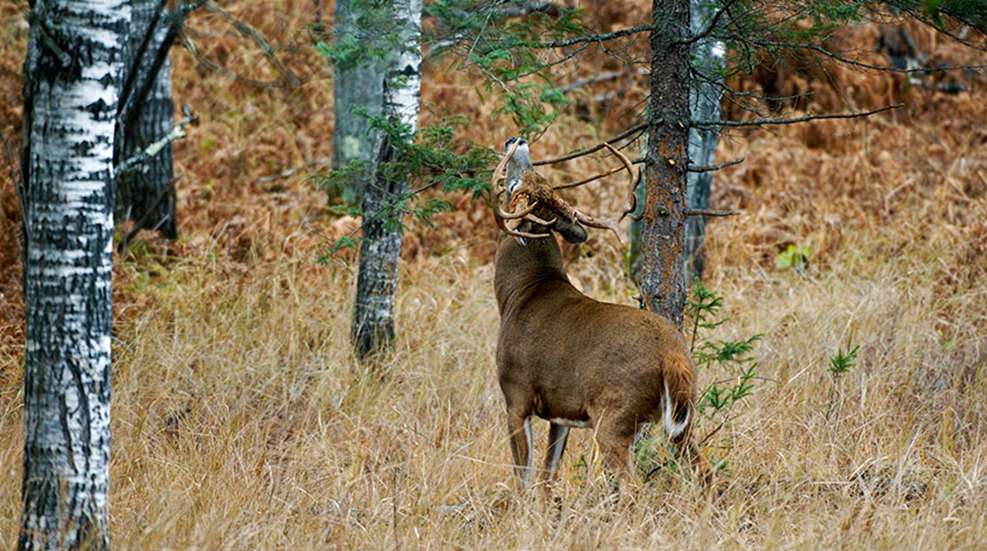
Natural scrapes include an overhead “licking” branch where deer deposit glandular scent while rubbing and chewing, and pawed-out ground where they leave urine and droppings. Make mock scrapes more effective by employing a dripper-anchoring branch above the primary licking branch, allowing scent to dribble over and along the licking branch before reaching the pawed ground. Spray scrape-specific scent on the ground during periodic visits. Bucks attend to such scrapes to ward off competitors and seek receptive does.
Lay a Dragline
The scrape’s function is that of a community signboard where deer deposit scent to make their presence known. Does visit them to alert bucks that they are ready to breed. Bucks trail these hot does in hopes of instigating a tryst. Creating scent draglines effectively mimics the travels of a doe in estrus, and any buck crossing such scent lines is sure to investigate.
The problem with draglines, and especially boot-mounted scent pads, is deer possess olfactory senses thousands of times superior to humans. No matter how meticulous you are about ridding boots and cuffs of scent, traces of deer-spooking human odors may remain. Separate your trail from a dragline by attaching the cord and scent mop to a 5- or 6-foot stick, and hold the stick at arm’s length while walking downwind of the scent trail you create with the dragline.
At their simplest, draglines are laid while entering a stand. To cast a wider net, arrive well ahead of daylight and create dragline spokes converging in a clean shooting lane. Replenish scent at the far end of each new line, and place the drag mop in the shooting lane. Draglines can also be used to steer bucks away from downwind areas where you might be detected.
Stop ’Em Cold
Deer-scent effectiveness often hinges on herd dynamics; healthy buck-to-doe ratios and a presence of mature bucks generally bring about better results. Yet scents can also help hunters in less-than-ideal habitats.
Use scents to stop deer in shooting lanes or to create high-odds opportunities. Deploy scent wicks in strategic locations to coax a deer to pause while taking a whiff. Hang wicks behind stumps or tree trunks to obscure an investigating deer’s vision, making drawing a bow or raising a gun into shooting position feasible.
Top-Notch Scent Products
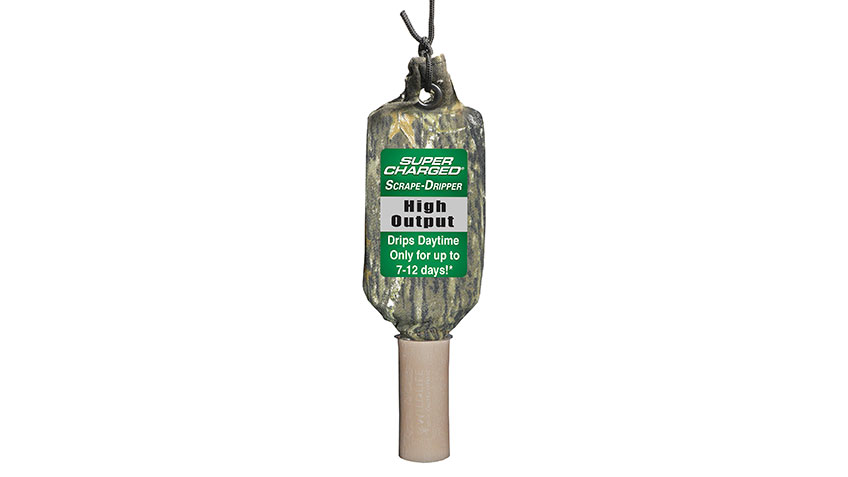
Super Charged Scrape-Dripper Combo includes scent to create a “heavy-traffic” scrape. MSRP: $12.99; wildlife.com.
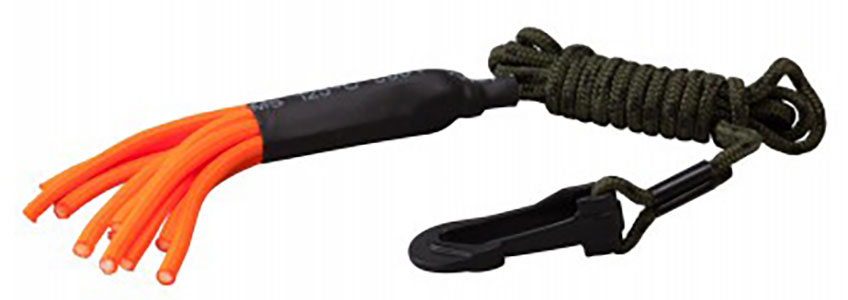
Deluxe Scent Drag soaks up your favorite doe-in-heat potion and has a clip for a hands-free scent trail. MSRP: $4.95; codebluescents.com.
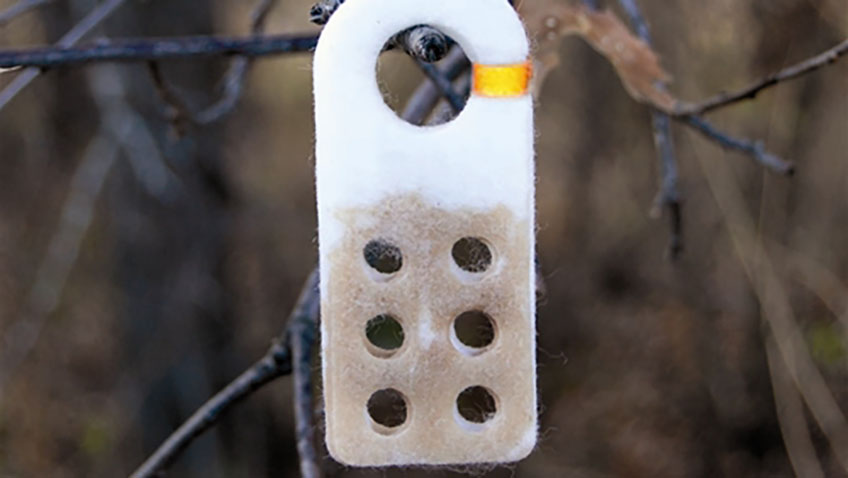
Reflective Vent Wick has holes in the felt for better scent dispersion and a reflective attachment band for finding it when light fades. MSRP: $3.49; hmeproducts.com.