The November rut is one of the most magical times of the year, especially for deer hunters who pursue whitetails north of the 35th latitude. This is the month that everything breaks loose, and bucks run wild. But don’t think for a second these deer are pushovers. It still takes a sound game plan to get it done. Here’s yours for November, as well as the days just before and after it.
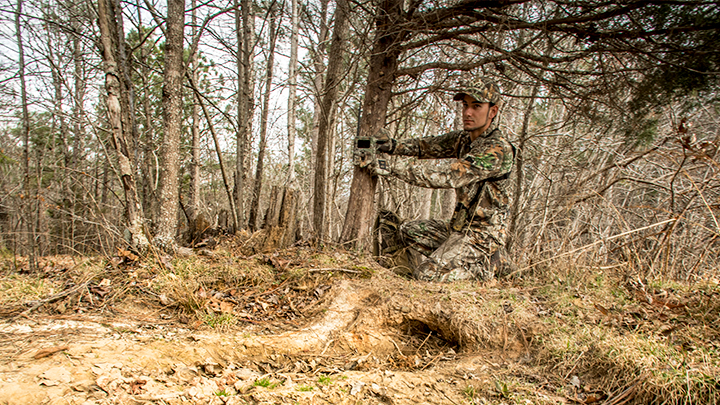
Pre-Rut
Dates: October 15-31
By this point, most bucks have relocated to their fall rut range. Still, for now, rather than spending time around doe bedding, they’re taking the best buck bedding available. Rut sign is picking up significantly, too. Rubs and scrapes dot the landscape and will eventually peak out around early November.
Overall, the pre-rut is a period of inactivity. It’s possible, but rare, for does to enter estrus during this period. Generally, when it happens, it’s a very mature doe. Most bucks aren’t really chasing or seeking out does during this window; they know it’s still a few weeks out. That said, testosterone is rising, and the desire to breed is increasing. That tends to lead to more daylight movement.
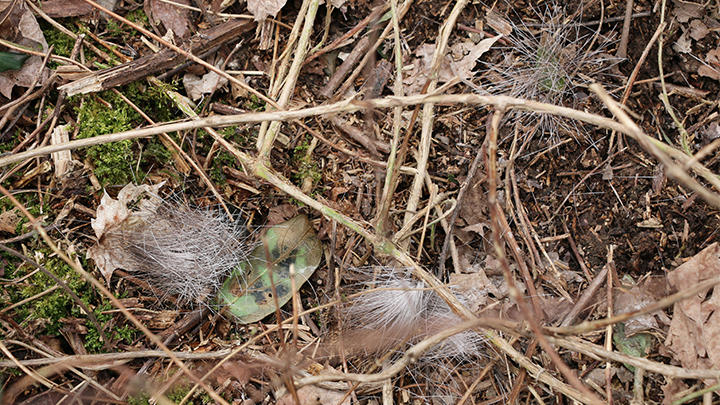
Now is the time to push in and strike right at the heart of a buck’s pre-rut bed-to-feed pattern. Determine where it’s bedding, feeding and how it’s getting from point A to B. Find the “X” where you can intercept that deer, and make it happen. Capitalize on these patterns before these vanish with the onset of the rut.
Seeking Phase
Dates: November 1-6
Testosterone levels are skyrocketing. Bucks are harassing does, but most of them still aren’t receptive. That leads to lots of frustration for bucks, and serious brawls over the few does that are receptive. It also produces a lot of daylight movement because bucks are having to work hard to find estrus does.
Because most does want nothing to do with bucks, now is the time to be aggressive. Use calling sequences to set the scene. Start with an estrus bleat, then buck grunt. Perhaps stage a fight with a rattling sequence.
Now is a great time to use a buck decoy, too. Position a deke quartering toward your stand or blind location. Generally, mature bucks approach a decoy head-on, which should offer you a broadside or quartering-away shot opportunity.
This is also a good time to focus on scrapes that are located close to bedding, or focus on staging areas, saddles, pinch points, funnels and other great early rut stand locations.
Of course, continue focusing on food, too. Very little breeding is taking place, so the bulk of focus is still on grub. That’s where the does will be, and the bucks will follow.
Chasing/Tending Phase
Dates: November 7-13
This phase marks the beginning of significant chasing activity. A large percentage of does are bred during this window, but most will hold out a few more days. That said, the infamous lock-down phase typically starts toward the latter end of this time period. Not all does breed simultaneously, of course, but a significant percentage of does entering estrus can cause the biggest bucks in the herd to hunker down for a few days.
If your target buck(s) is/are paired off with does, there isn’t much you can do about it. Generally, unless a chase breaks out, these deer usually don’t move more than 100 yards or so, and it can last 24-72 hours. Unless you can sneak within range, that makes it hard to hunt these deer.
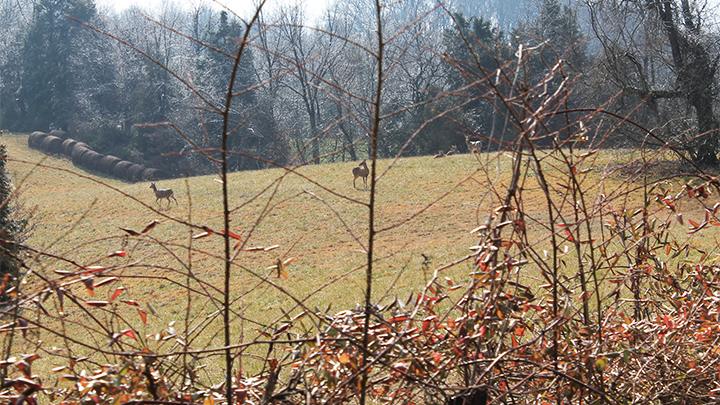
If you want to go at them hard, dive into some of the best doe bedding in the area, and set up in an area where you have a few shooting lanes. Sometimes, breeding pairs might pass through an opening and you can get your shot.
Above all, just keep hunting. Personally, I prefer to continue hunting like I did during the previous phase. When a buck breaks off from his doe, he’ll be in search of the next one and doing what he did before finding one.
Tending/Late-Rut Phase
Dates: November 14-20
If the majority of does haven’t entered estrus yet, they will by this date range. Again, there isn’t much you can do other than be persistent. Stay ready for when the action cuts loose again. Don’t apply too much pressure, though. Most deer have been hunted hard the past few weeks. Stay sharp and try not to spook deer.
Like the previous week, continue hunting as you have all throughout November. Focus on traditional rut stands, such as funnels and pinch points. Other good spots to hunt are leeward ridges, crossings, trail intersections and other high-odds areas. Stay close to good grub, too. Don’t overlook a secluded water hole near bedding cover, either.
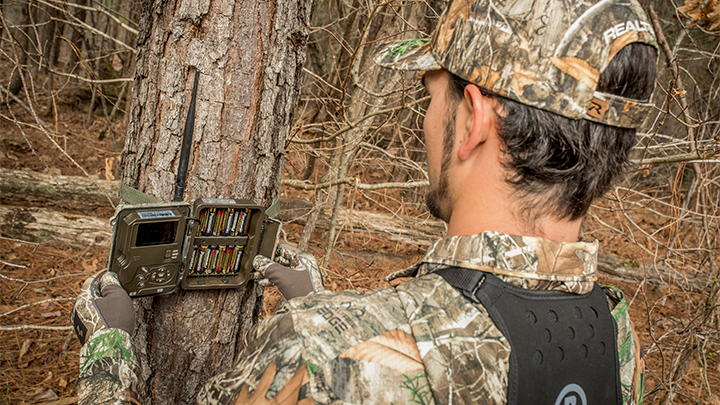
As does become less and less receptive, bucks will start resuming focus on scrapes. While hunting over scrapes is rarely productive (most scraping takes place at night), a hot scrape near a bedding area can produce, and all are certainly great for trail cameras.
Late-Rut
Dates: November 21-30
If you’re still packing a tag by this point, don’t fret. Some of the biggest record-class bucks are killed during this window. Why? Mature bucks know to save a little gas for the late rut. Younger bucks don’t have enough experience to do that, and oftentimes spend their energy reserves before the festivities are over.
If you’re still seeing rut activity, continue with your rut hunting plan. That said, if things really seem to be cooling down, it might be time to switch over to a bed-to-feed pattern plan. Play this by ear, of course, and don’t pull off the rut game plan unless your gut tells you to.
Other than that, if you’re having trouble finding deer, it might prove beneficial to focus on spots that haven’t been pressured as much. These are likely the areas deer will be.
Post-Rut
Dates: December 1-15
Finally, as the late season sets in, it’s all about finding the best bedding, food sources and low pressure. Deer know where they are and aren’t hunted. By this point, they’re packing into the latter. You can see some second-rut action during this window, but it isn’t something you can count on. Merely take advantage of it as it comes, and nothing more.
That said, food is the primary concern. Deer can’t make it through winter without it. Finding quality food sources can make all the difference in your season. Also find small, secluded water sources. Deer prefer these over loud, running bodies of water.
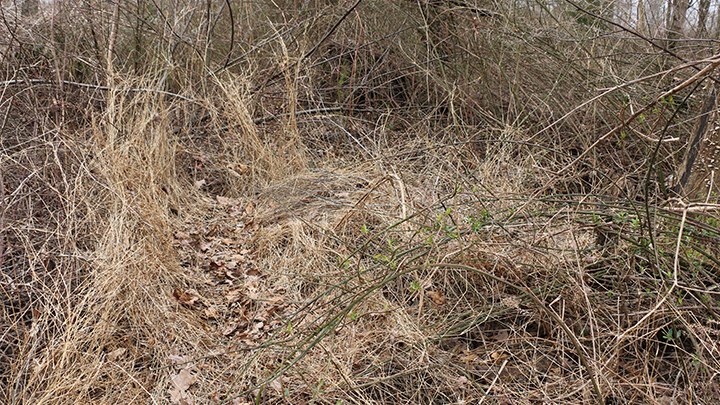
Look for good bedding areas, but the right ones. These ideally offer solar and/or thermal advantages. Solar bedding is best described as south-facing slopes, which receive the most sunlight during the colder months. Thermal bedding is ultimately dense stands of conifers, which shield deer from wind, rain and snow, and even hold heat closer to the ground.
Finding how deer are getting from one location to the next is the name of the game during any point in the season, but especially the latter weeks. Hunters are going to be faced with challenging situations, but nothing they can’t overcome with careful planning and execution.