The U.S. Fish and Wildlife Service Migratory Bird Conservation Commission recently granted Ducks Unlimited (DU) and numerous partners $9 million in North American Wetlands Conservation Act (NAWCA) funds. The money will benefit three programs in the Great Lakes Region focused on restoring and conserving waterfowl habitat in Illinois, Indiana, Michigan, Ohio and Wisconsin.
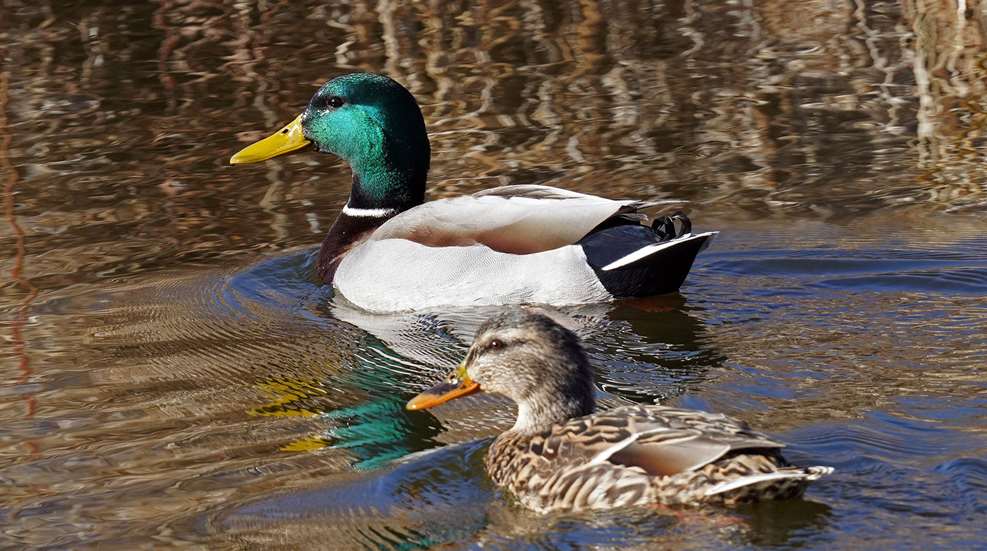
Three million dollars were awarded for Phase Two of DU’s Great Lakes Mallards Project. The funding will be used to protect, restore and improve 3,689 acres of wetland and upland habitat in Wisconsin, Illinois, Indiana, Michigan and Ohio that are vital to mallard breeding success. Slightly more than half of the acreage included in the project is on public land managed by state departments of natural resources and supports various forms of outdoor recreation, including hunting.
The Upper Midwest has suffered dramatic wetland losses, with declines of up to 90 percent in Ohio, 87 percent in Indiana, 85 in Illinois, 50 in Michigan and 46 percent in Wisconsin. Much of the project area is threatened by urbanization and conversion of vulnerable habitats—small wetlands and grasslands.
“Breeding mallard numbers across the Great Lakes have been trending downward since the early 2000s,” said DU Biologist Hunter Mentges. “What we’re seeing in the research is clear. When grasslands and wetlands disappear, mallard productivity drops right along with them. If we want to turn this around, we must protect and restore the grasslands where hens nest and the wetlands where they raise their broods, especially across a region that’s mostly privately owned.”
Northeast Ohio
The Lake Erie Coastal Wetlands Project, Phase 5, will use its $3 million share of the NAWCA grant to conserve 2,481 acres of wetlands and forest, primarily on the Lake Erie shore in northeastern Ohio. The 10-county proposal area provides migration stopover and breeding habitat for a diversity of waterfowl and other migratory birds.
More than three million people live in the area where agriculture and urban development have drained wetlands, fragmented forests and increased nutrient loading in rivers and streams. Hunting is allowed on 62 percent of the conserved acreage.
“This project features the permanent protection, restoration or enhancement of 1,595 wetland acres, in addition to 886 acres of uplands and will be achieved through the collaboration of twelve partners,” said DU Regional Biologist Corey VanStratt. “This diversity of conserved habitat provides nesting, brood-rearing, migration stopover and wintering habitat for waterfowl and other wildlife. The project will reduce flood waters, recharge groundwater supplies, improve the quality of surface water flowing into Lake Erie, protect drinking water supplies for millions of people in and near the project area and stimulate local economies through nature-based tourism.”
Eastern Wisconsin
The final $3 million in grant funding will help fund DU’s Eastern Wisconsin Great Lakes Focus Area II Project. It aims to protect, restore and enhance 8,593 acres of wetlands and adjacent uplands across eight counties in Wisconsin. The effort is focused on critical breeding and migration habitats for waterfowl, shorebirds and other migratory species.
The project involves acquiring eight parcels totaling 302 acres through fee title, including properties such as Sheboygan Marsh, Pigeon River, Black Ash Swamp, Wiedmeyer Property and Milwaukee River Oxbow. Costs range from $25,000 to more than $1.25 million per tract. Other projects include the restoration and enhancement of 7,729 acres of wetland and grassland habitat important to nesting and migrating waterfowl.