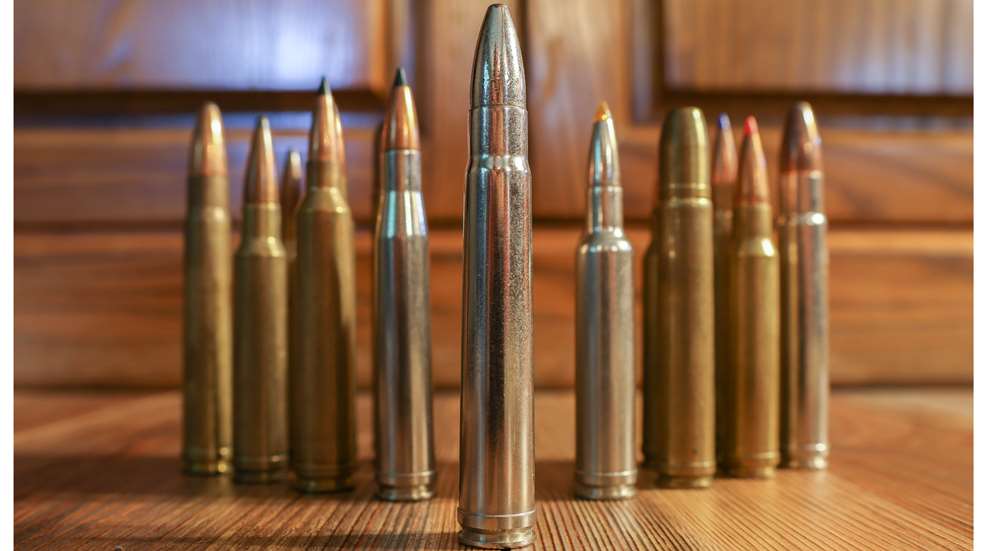
The Cape buffalo had been hit four to five times—not by me, but all solid hits—when I was asked to come in for a backup shot. His askari, the younger bull who decided to pay homage to the old fellow, didn’t want to leave him but when the Griffin & Howe .375 H&H went off simultaneously with the .404 Jeffery, the game was over. Watching the video playback, G&H’s Dan Rossiter had certainly done his part with that Criterion in .404 Jeff, but those bulls don’t necessarily read the script. It was assuredly not my first experience with the .375 Holland & Holland Magnum, nor the offspring of the great cartridge; it most certainly would not be my last.
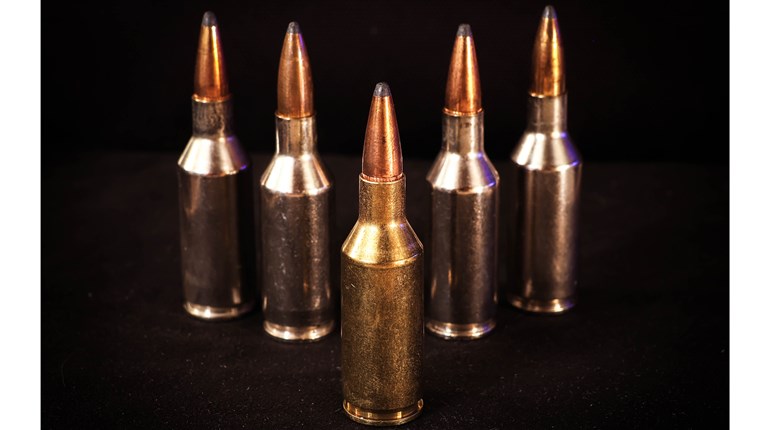
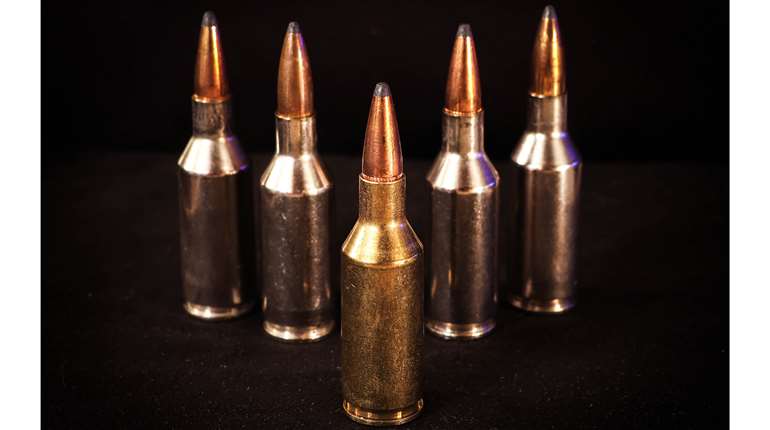
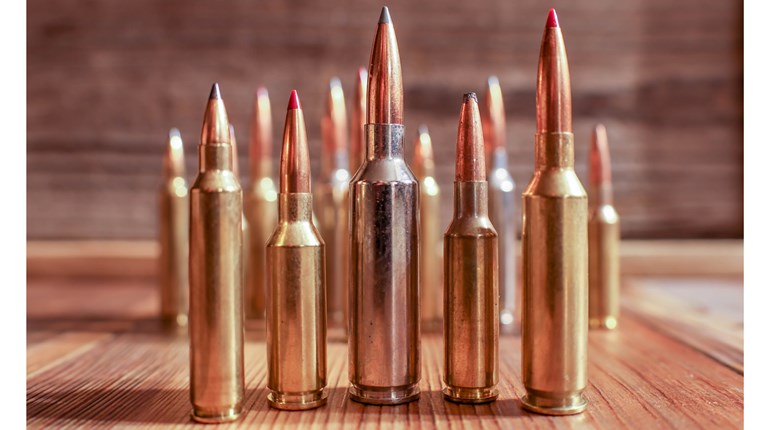
Mention a Holland & Holland Belted Magnum, and the ‘three-seven-five’ will be immediately thrown into the conversation, though technically speaking, the .375 H&H Magnum was neither Holland’s first belted cartridge, nor its first .375-caliber cartridge. It is, however, the most famous of the family, though there are many children and branches of the family tree. When I was a young man, nearly all of the centerfire rifle cartridges considered to magnums wore a belt of brass just north of the extractor groove. I assumed that the belt added strength, but I was wrong, as the design uses the belt to give the positive headspacing of a rimmed cartridge, without the complications involved in getting a rimmed case to feed in a box magazine repeater.
1905 saw Holland & Holland release the .400/375 Belted Nitro Express, also known as the Velopex, bringing the first belted cartridge to the market. To say it was anemic is an understatement—it pushed a 270-grain bullet to 2,150 fps—and was immediately challenged by Otto Bock’s 9.3x62 Mauser. However, in 1912 H&H released a pair of belted magnums: the still ubiquitous .375 H&H Magnum and the shorter .275 H&H Magnum; the latter bears a striking resemblance to the 7mm Remington Magnum which would come half-a-century later. While the former went onto glory, the latter all but disappeared early-on. With a 2.500-inch case and a 3.42-inch cartridge length, I am surprised the .275 H&H Magnum didn’t catch on, as it did better the velocities of the 7x57 Mauser and .30-06 Springfield considerably.
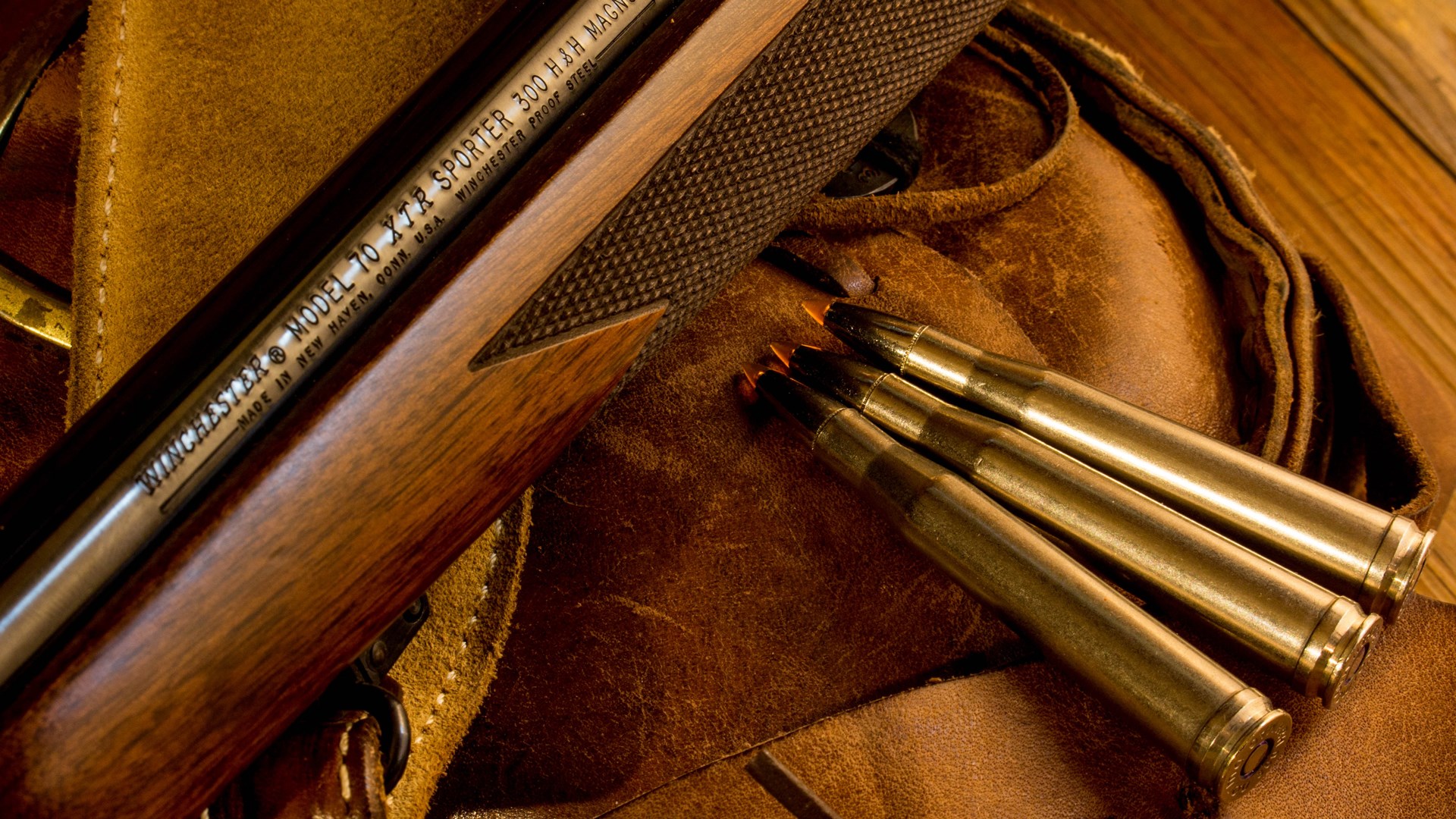 .300 Holland & Holland
It was in 1925 that Holland & Holland brought us the .300 Holland & Holland Magnum, sharing the same length as the .375 H&H Magnum, and a gentle shoulder and long neck. It was the first real commercial gain over the .30-06 Springfield in a .30-caliber cartridge, and it caught on well here in the U.S., even being offered in the Winchester Model 70, with ammo for both the .300 and .375 H&H being produced by several American ammo companies. While the .300 Holland might have faded with the introduction of other .300 Magnums, I still reach for the classic cartridge almost every hunting season. Its velocities run around 150 fps above the ’06, and about 100 fps below the .300 Winchester Magnum; it remains a great hunting cartridge.
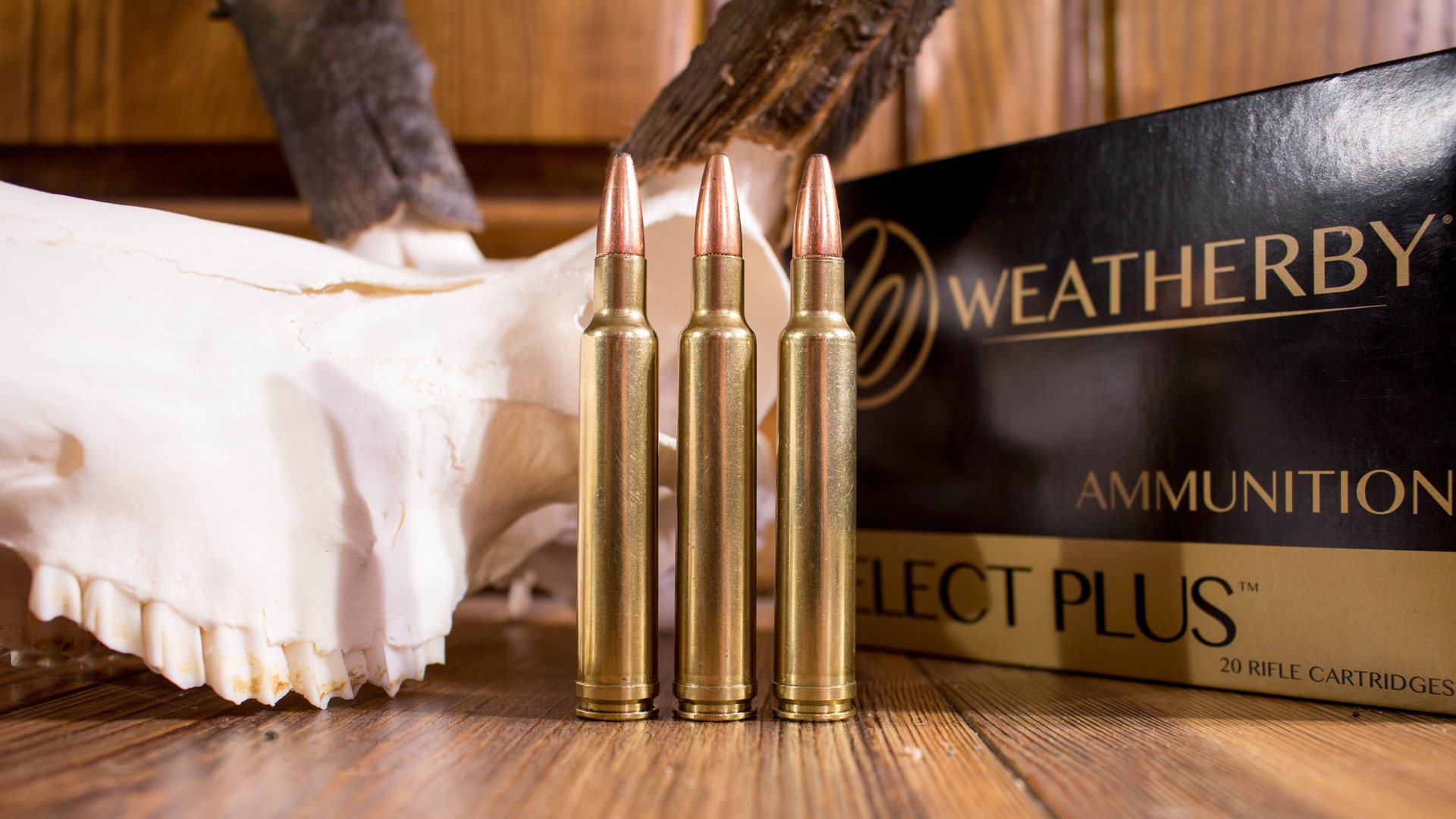 .300 Weatherby Magnum
Roy Weatherby showed the world what velocity could be, with his series of proprietary belted magnums which feature a double-radius shoulder. His most popular cartridges were based on either the full-length H&H case, blown out to remove the majority of body taper or shortened to fit in a long-action receiver. Whether or not it was the .375 or .300 H&H case which served as the parent is a debatable point and probably moot; suffice it to say that the belted H&H case is either the father or grandfather. The .300 Weatherby Magnum and .340 Weatherby Magnum use the 2.82-inch case length—just shorter than the 2.85-inch case of the H&H Magnums—while the .257 Weatherby Magnum, 7mm Weatherby Magnum and the 270 Weatherby Magnum are shortened to 2.55 inches, to fit in the long-action magazines. As time progressed, Weatherby would use a larger belted case for the .378 Weatherby Magnum and .460 Weatherby Magnum, and a scaled-down belted case for the .240 Weatherby Magnum and 224 Weatherby Magnum. But those first Weatherby cartridges were undoubtedly based on the Holland & Holland case.
In 1955, Holland introduced the .244 H&H Magnum, being the full-length .375 H&H case necked down to hold 6mm bullets. This little barrel-burner launched a 100-grain bullet at 3,500 fps, designed for deer stalking in the United Kingdom. While this cartridge never had a serious following here in the U.S., it had more than a few fans among British and Scottish deerstalkers.
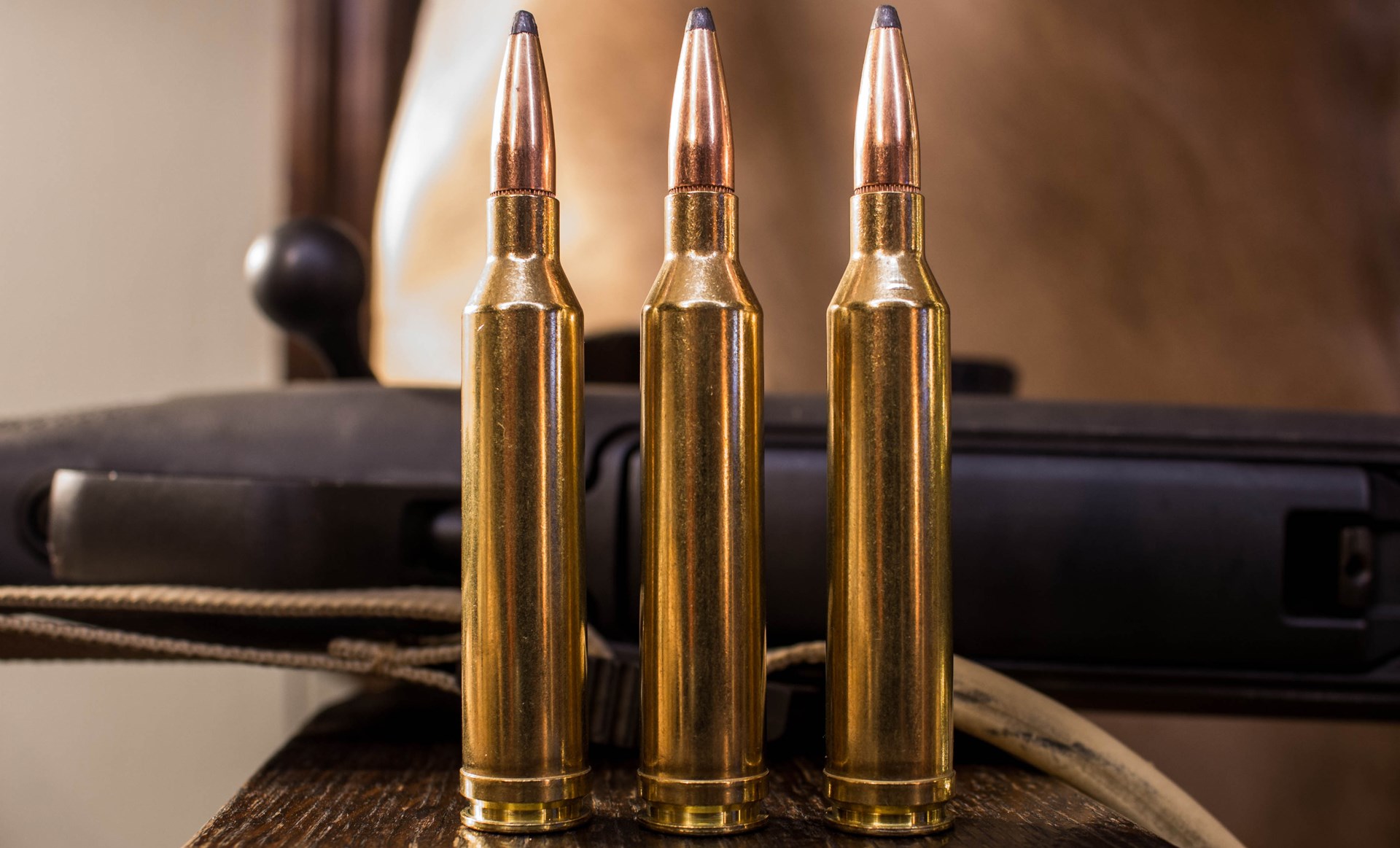 .264 Winchester Magnum
The latter half of the 1950s were dominated by Winchester’s lineup of magnum cartridges, all based on the belted H&H case shortened to 2.50 inches to fit in a long-action receiver. The .458 Winchester Magnum, .338 Winchester Magnum and .264 Winchester Magnum were released in 1956, 1958 and 1959, respectively. With the supply of ammunition for the classic British double rifles drying up rapidly, the .458 Winchester gave hunters of the largest species a viable choice of readily available American-made ammunition. The .338 Winchester Magnum would go on to become the darling of many elk hunters and those hunting the 49th state, and though it would take some years for America to embrace the benefits of the 6.5mm bore, the .264 Winchester Magnum made a dandy of a deer and antelope cartridge. Winchester would add a fourth to the lineup in 1963, with its .300 Winchester Magnum. This one would have the same 3.340-inch overall length of the others, but a slightly longer case with the shoulder moved forward for additional powder capacity. It remains an extremely popular choice, and one of my favorites.
 7mm Remington Magnum
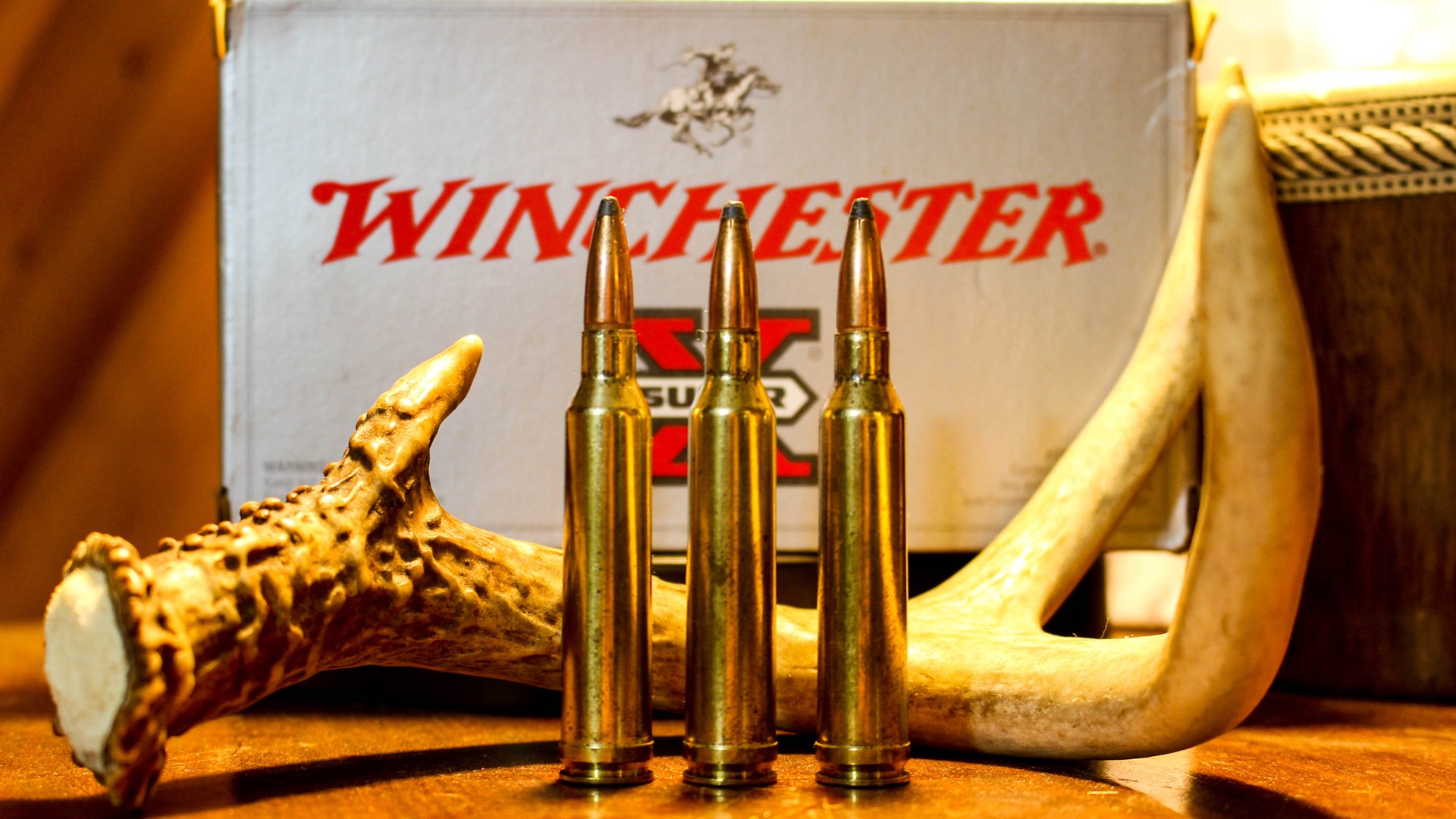
Remington would offer its first belted magnum in 1962, and it remains its most popular—the 7mm Remington Magnum shoved the .264 Winchester Magnum off the stage, and has rivaled the .300 Winchester Magnum since the latter was released. The cartridge really needs no introduction. The .350 Remington Magnum and 6.5 Remington Magnum were released in 1965 and 1966, respectively, and were the first two belted magnums to be shortened for use in a short-action rifle. Those dog-legged Remington rifles, with the ventilated rib and shark fin front sight—the 600 and 660—have a small but nearly fanatical following, though the cartridges were never nearly as popular as the 7mm Remington. In 1978, Remington brought us the magnum-length 8mm Remington Magnum, assumedly banking on the metric successes of the 7mm Remington Magnum. Despite an overall lack of popularity, the 8mm Remington Magnum is a good cartridge, even if it doesn’t offer much of an advantage over the .30-caliber magnums. In late 1988, Remington announced the .416 Remington Magnum, a necked-up variant of the H&H case, using the respected projectiles of the .416 Rigby and delivering identical factory ballistics. Breaching the gap between the .375 H&H and the .458 Winchester Magnum, the .416 Remington Magnum runs at a higher pressure than does the .416 Rigby, but affords an extra cartridge in the magazine, and is fully capable of taking all species of game. I have used the cartridge on a number of African safaris with great results.
 .358 Norma Magnum
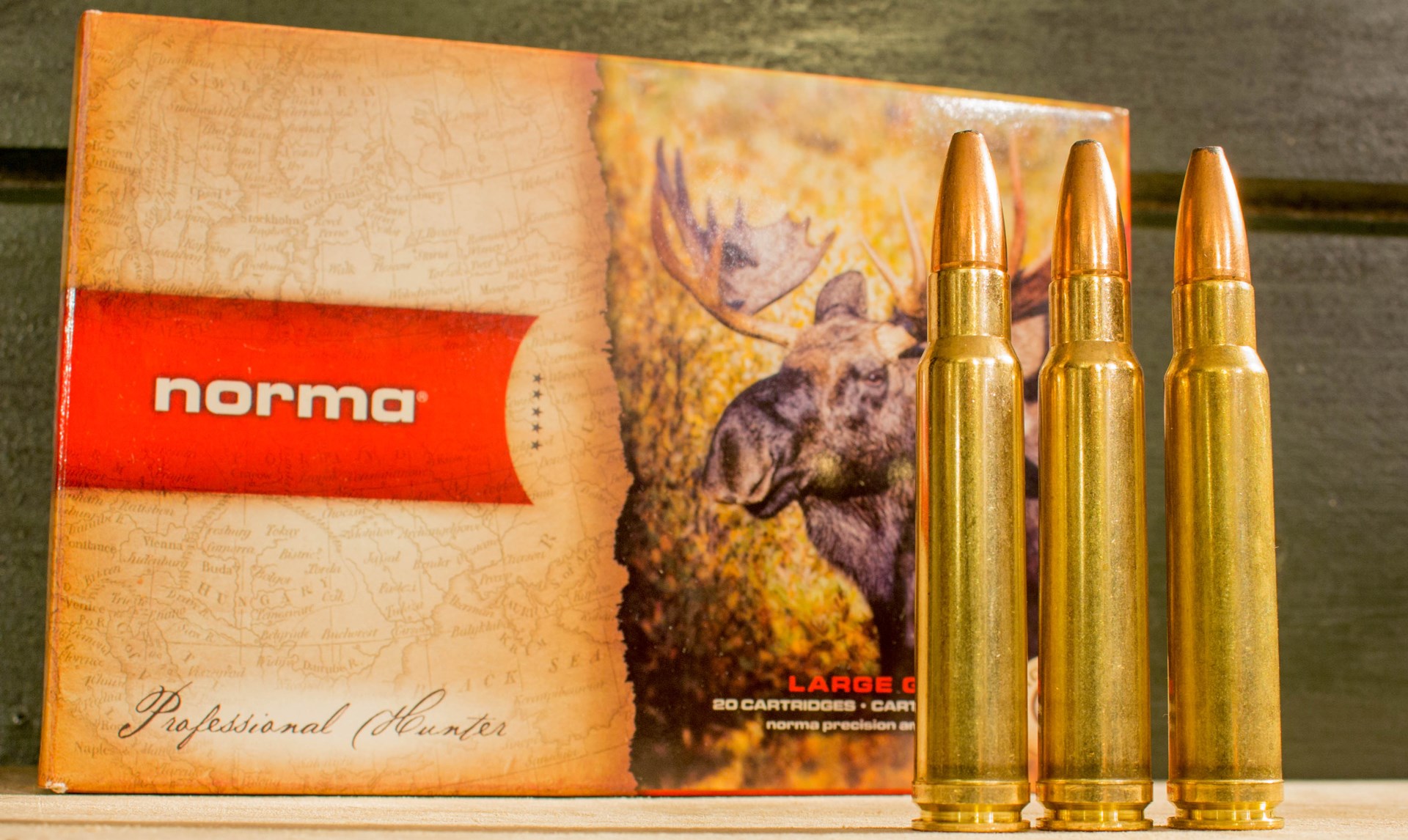
Sweden’s Norma threw its hat in the ring in the late 1950s and early 1960s with their own shortened belted magnums—the .358 Norma Magnum and .308 Norma Magnum. The former would drive a 250-grain bullet to 2,750 fps, rivaling the .375 H&H itself, while the latter is the ballistic twin to the .300 Winchester, albeit with a different shoulder location. Both are great cartridges, and with the pair a North American hunter would be well-suited to any big-game species on the continent. Both are designed to operate in a long-action rifle, and while ammunition is becoming rare, the capabilities of the pair are not to be denied.
 7mm STW
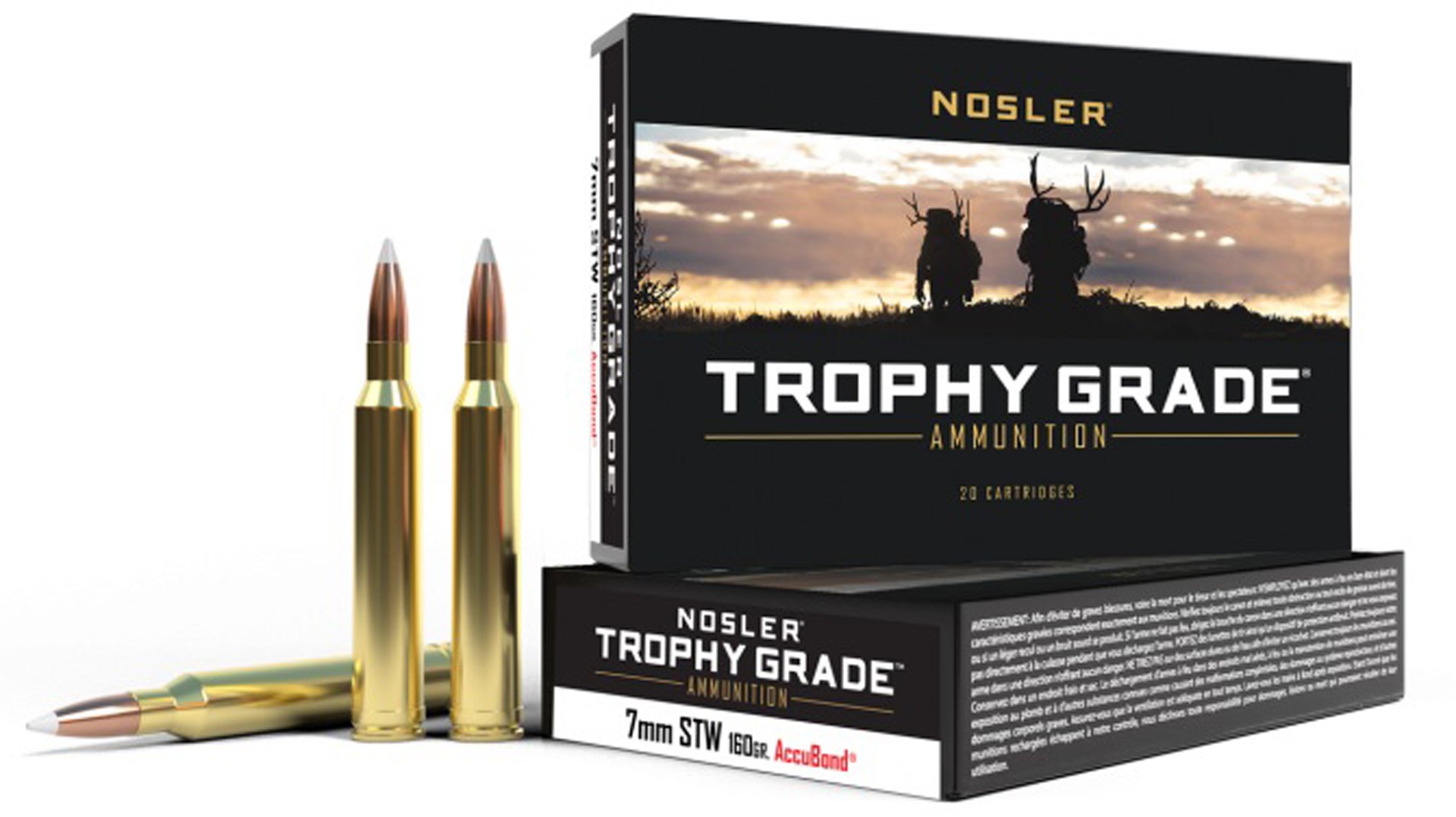
Layne Simpson’s experimentation with the full-length 8mm Remington Magnum belted cartridge (a child of the H&H case) led to the 1990s release of the 358 Shooting Times Alaskan (STA) and the 7mm Shooting Times Westerner (STW), with the latter having a brief period of popularity, especially among long-range deer hunters. Both share the 2.85-inch case length and 3.60-inch cartridge length of the .375 H&H.
 .458 Winchester Magnum
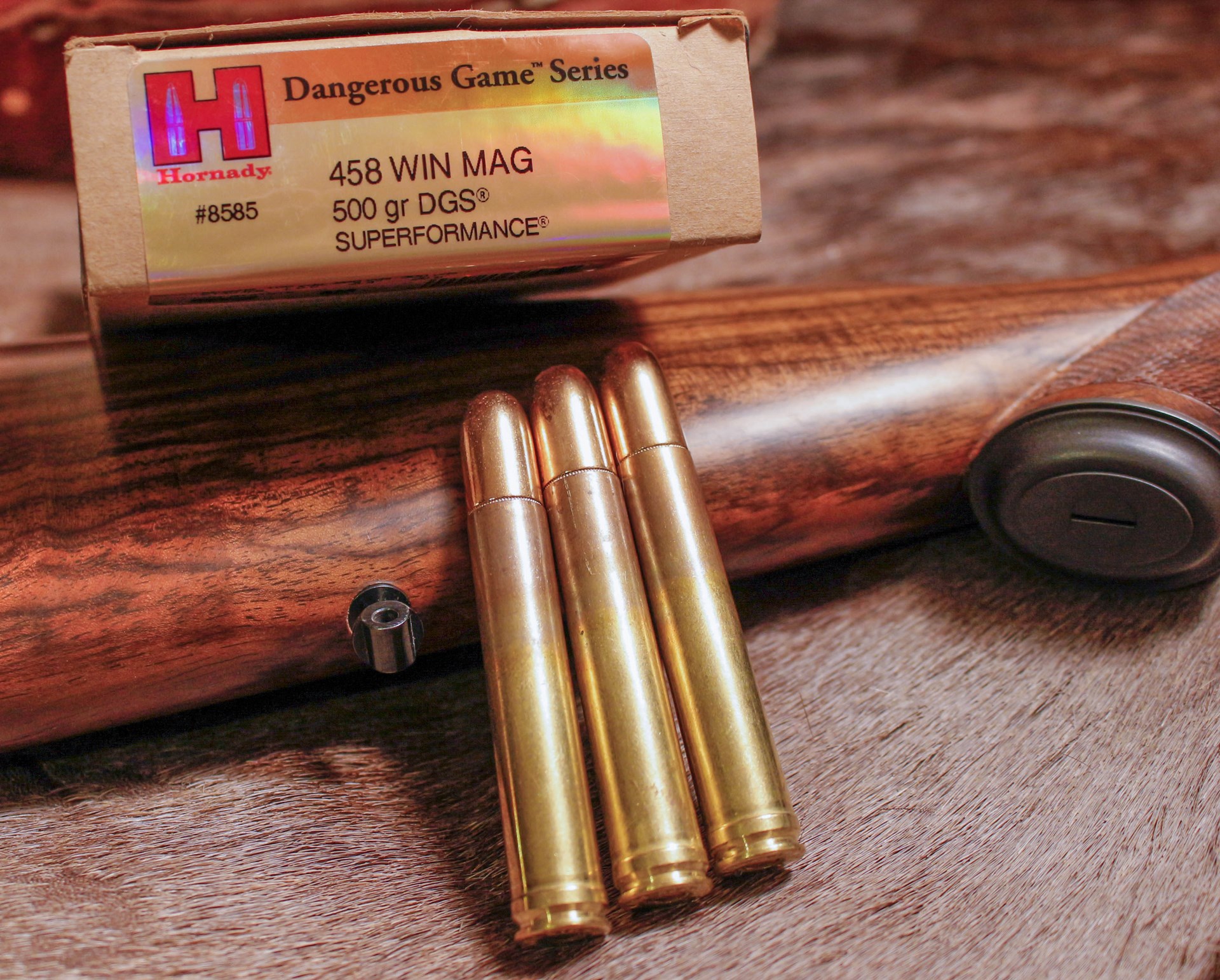
Jack Lott experienced some frustration with his .458 Winchester Magnum in the late 1950s on a safari in Mozambique, and sought to build a better mousetrap. Displaying problems with overly-compresses powder charges, the .458 Winchester Magnum wasn't delivering the promised velocities, and Lott decided a longer case would allow for a larger and less-compressed powder column. The cartridge stayed in wildcat form for quite a while, but was legitimized in 1995 based on a standardized design provided by Art Alphin of A-Square. It does give a healthy velocity advantage over the .458 Win Mag, and the 2.800-inch case fits perfectly in a magnum-length receiver.
Hornady & Marlin paired to bring us the .450 Marlin in 2000, using a belted case to deliver the performance of the “hot” .45-70 Government loads, in a cartridge which can’t be chambered in an old Trapdoor Springfield (those hot .45-70 loads can destroy the older 19th century guns). It is available in the older Marlin 1895M lever gun, as well as the Browning BLR.
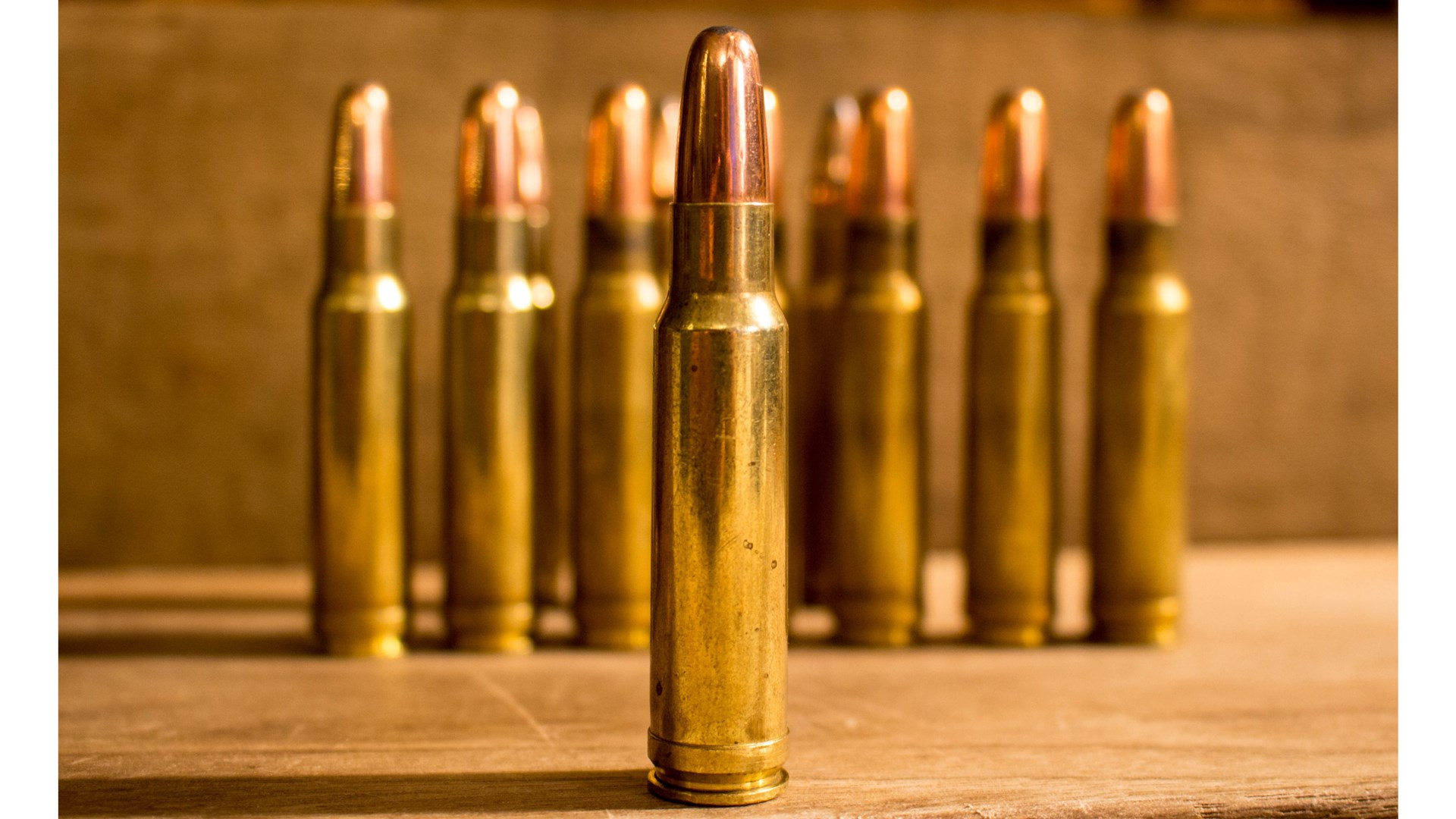 .350 Remington Magnum
Holland & Holland added a pair of new proprietary cartridges in 2003, introducing the .400 H&H Magnum and .465 H&H Magnum. The former is based on a necked up .375 H&H case, and gives the advantage of the 400-grain slugs of the .450/400 NE, at .411-caliber, cruising at 2,300 fps. The latter is based upon the larger .378 Weatherby Magnum case.
There are also a number of popular wildcats or obscure commercial designs to name, and though they may not have an invite to the family reunion, they are absolutely related. These include (but are not limited to) the 7x73 Vom Hofe, the 7x61 Sharpe & Hart, the .334 OKH, the .416 Hoffman, the .416 Taylor, the .450 Watts, the .470 Capstick and many others. If you like the idea of hunting with the obscure, the prolific amount of the H&H family of cases available will surely provide you with the fodder you need to get the cartridge you want.
For all of the successes the Holland Belted case design has had for the majority of the 20th century, it seems that all good things must come to an end. To the best of my knowledge, the 6.5-300 Weatherby Magnum—released in 2016—was the last belted cartridge brought to the market. The new rifle cartridge designs focus on rimless cases, with steep shoulders, capable of handling long, sleek bullets. While this trend shows no signs of slowing down, there are so many fans of the belted cartridges that I don’t feel they’ll fade into obscurity anytime soon. I love my .300 Winchester Magnum, .300 H&H Magnum and I have gone on record stating that the .375 H&H Magnum just might be the most useful all-around hunting cartridge ever developed. There is plenty of room for the differing designs, but long live the belt.
Most Popular