Every season I promise myself to find a way to buy stock in ammunition companies given the number of shots fired and shells purchased. Sadly for hunters, many of those shots don’t bring home the doves to wrap the bacon around. If that sounds like your season thus far, here are some tips to nudge the success rate in the other direction!
Examining the Possible Problems
If you are not a real savvy dove shooter there could be a number of things affecting your success rate. The first thing to realize is that doves fly fast. They reportedly can fly up to 55 mph! They often cruise around 30-40 mph when flying from point A to point B. That said, your shot cloud must intersect those birds a lot more precisely than other types of shots. If you are a little behind out of the gate, your shot pattern is way behind downrange. I had an older gentleman many years ago that I really did not know sitting just down from me on a dove field watching me miss a few and hit a few. He consistently dropped birds that flew by him without missing one. He commented, “Lead what you think you need to lead and then lead a little more.” That was great advice. I started putting a bit more space between my bead and the birds and more were dropping. He nodded at me after a few successful shots and smiled.
One obvious way to begin to correct our shooting success is to shoot more. However, there are a few points to consider. First, be sure you have your shooting habits correct before ingraining bad habits. Do you mount the gun properly and point or lead as you should? Do you follow through and not stop your swing? Do not aim the shotgun like your deer rifle. Be sure your face is down on the stock. Don’t pull off to see if you hit the bird. Hit the bird confidently and KNOW you hit it so you can send the dog. Don’t yank the trigger, press it.
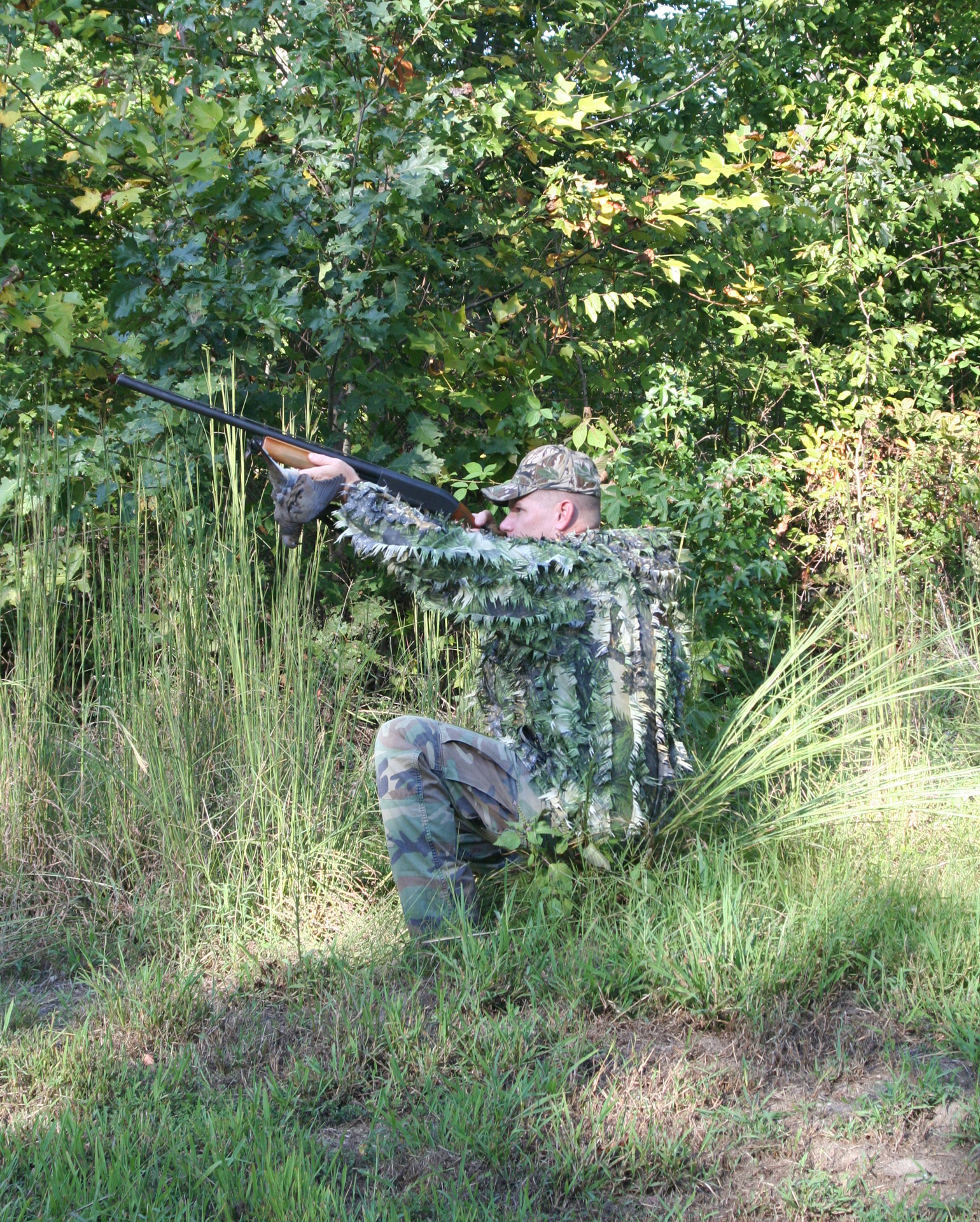
When practicing, be sure to shoot a variety of shooting scenarios. In other words, standing behind the thrower and shooting slow, outbound clays will do nothing past help you grasp the basics. Have some crossing shots, speed up the clays by tightening the spring on the thrower or use midis or minis to really tighten up your shooting. If you have a few friends with throwers, place them at various locations and take turns pulling without telling each other which direction the bird will come from. This is not only fun but will really dial you in. Do not forget to practice shooting from a sitting position if you are one of those hunters that sits on a stool along a field to dove hunt. Shooting from a sitting position is different from standing and shooting!
Are you missing doves because you are shooting at them too far out? That is a common problem. First of all, waiting until the doves are within 30 yards is best. However, we all know that sometimes you must shoot at 40 yards or even a tad further if you are going to get shots. That said, you need to be able to hit them and kill them cleanly at those ranges or you should not shoot. Finding a dove in the brush in September is tough and we owe it to the bird to recover and use it if we kill it. Sending the dog repeatedly into deep brush in the heat is tough on them too, so try to avoid that if possible.
Longer shots might require heavier loads. While shooting 20–30-yard shots with #8 shot is gravy for most people, using #7.5 shot in higher brass may be necessary if you are getting mostly longer-range shots and wounding birds with lighter loads. I carry a mix of shells for that very reason. If I find I cannot move my location and birds are constantly up higher or out further, but the shot is still ethical, I switch shells. Another thing to consider is your choke. Many hunters use an improved cylinder. This choke is particularly effective on opening day before the birds are educated and gun shy. Later in the season or for further shots, the modified choke is my go-to. There is a lot of sky busting by folks on opening day though. Don’t be that person on the dove field. If the bird is out of range, let it go.
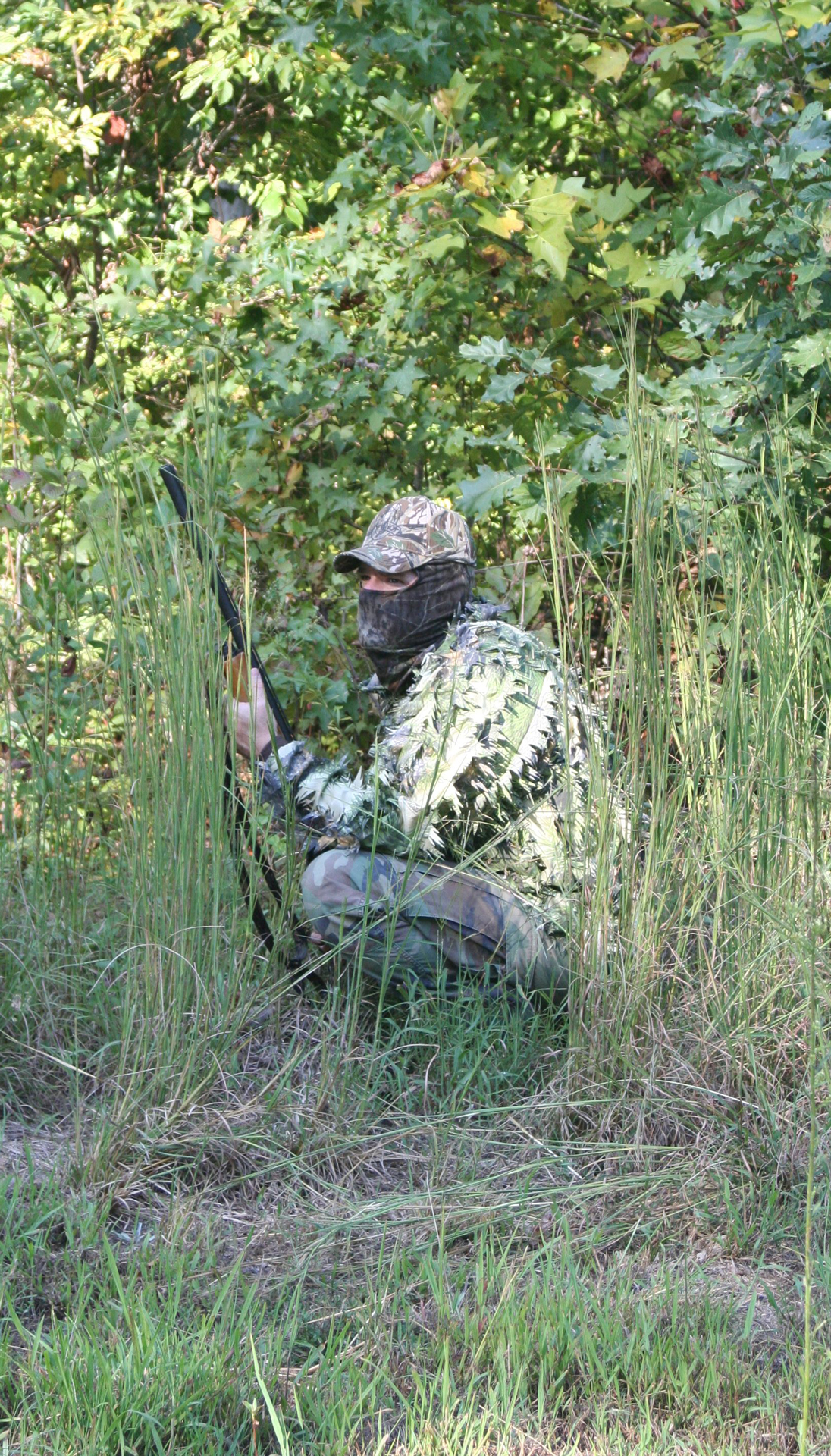
One thing to consider if you seem to be getting all long-range shots is why are the doves staying just on the fringe of your shooting zone? Are they flaring or changing flight paths as they approach your position? If so, ask yourself if you are blending in well. You want to be part of your backdrop, not stand out against it. Wear clothes that blend. A facemask is sometimes a good idea too.
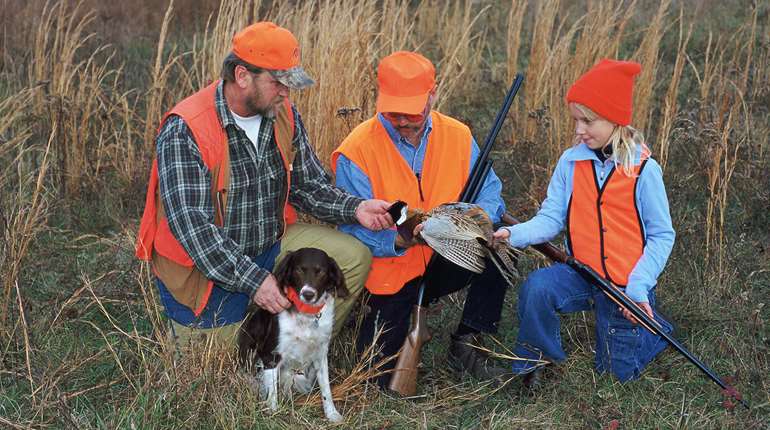
Are you moving too soon? Doves see movement and flare or jink or jerk to one side or the other. Wait until the last possible moment to move. Is the dog moving around? If you or someone near you has a young child, be sure to teach them to sit still. This is good training for later in life when the child joins you in a deer stand or turkey blind anyway.
This season be the hunter bagging doves, not shooting at doves. Check your shooting ability, choke status, shell choices and be sure to blend in, sit still and wait for those optimum shots. Not every dove in sight needs a load of lead sent its way.