On Sept. 17 the United States Department of Agriculture (USDA)—working with the New Mexico Livestock Board and New Mexico Department of Agriculture—announced that a horse was identified with a New World screwworm (NWS) infested wound in Grant County, N.M, which borders southern Arizona. Days later the Arizona Game and Fish Department (AZGFD) asked the public to be on the lookout for NWS.
The destructive pest poses a serious threat to wildlife, livestock, pets and, rarely, people. The parasite’s invasion of the United States had a devastating impact on wildlife and the ranching industry in the 1950s and ’60s, particularly in Texas.
This is the first affected equine identified in New Mexico, and authorities are working on the epidemiologic investigation and area surveillance. This case is approximately 50 miles from the Arizona border. Details on the New Mexico infested zone, adjacent surveillance zone, and other response information are found New Mexico’s NWS webpage.
NWS has not been detected within Arizona’s borders, but recent detections in Texas, New Mexico and northern Mexico pose a risk of it spreading into the state. U.S. efforts to prevent the invasion have been effective so far. In September the only three cases in Texas were confirmed by the USDA. The horse in New Mexico is only other report listed for the month on the department’s detection webpage.
Readers who are considering traveling into New Mexico with livestock or personal pets, should check the latest map of infested and surveillance zones. Traveling into and out of this area will have restrictions and may require special permits. Unnecessary travel into affected areas with animals should be avoided.
NWS flies lay eggs in open wounds or mucous membranes such as the nostrils, eyes, navels or mouths of live warm-blooded animals. The eggs hatch into a type of larvae (maggots) that feeds on living tissue.
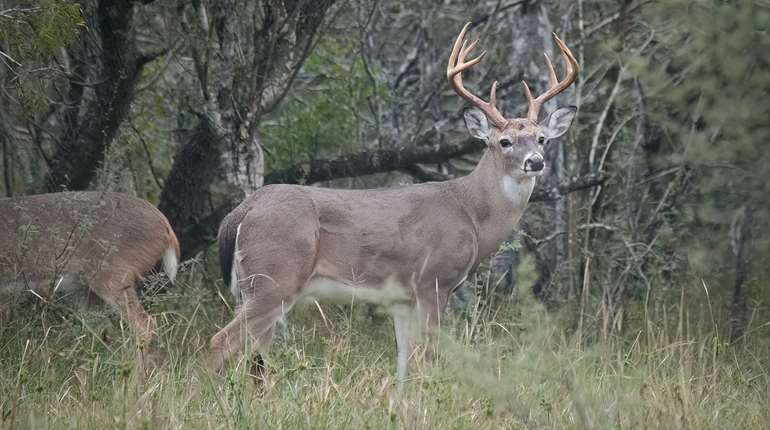
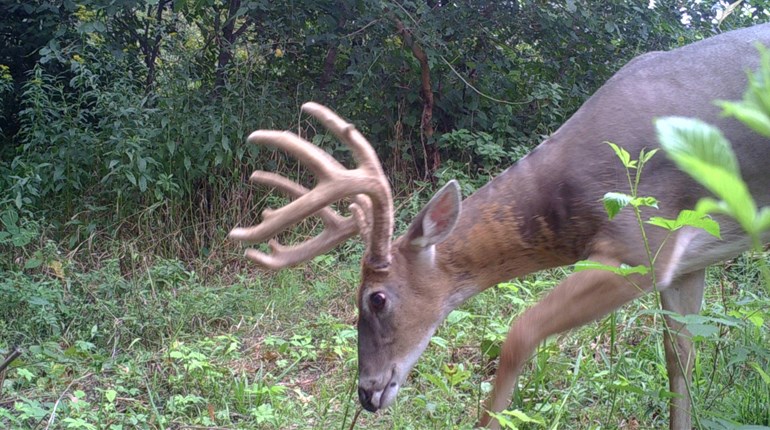
As you hunt or recreate outdoors, please check harvested game and observe live animals you encounter for:
• Larvae (maggots) on alive or very recently deceased animals. Unlike other maggots, NWS feeds on living tissue, and will vacate an animal once it has died and the tissue begins to cool.
• Maggots deep in tissue with foul odor. Common sites are wounds or body openings like the nose, eyes or genitalia.
Arizona hunters who suspect NWS should:
1. Take a GPS location.
2. If it is wildlife, contact the Arizona Game and Fish Department immediately at (623) 236-7201. Do not handle or transport the animal.
3. Take pictures of the wound, larvae or affected animal, if it is safe to do so.
4. If it is domestic animals (livestock, pets), contact the Arizona Department of Agriculture at [email protected]. If in doubt, reach out to your veterinarian for assistance.
Resources to aid in the identification of NWS are found here.