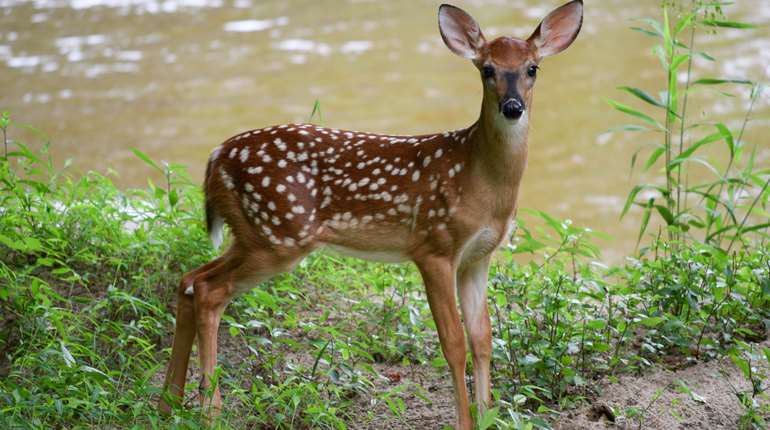
“Buck fever” is a real thing, and for some hunters it becomes a terrible monster. Just last fall I watched as one of my hunting buddies unraveled at the seams while trying to shoot a mature Coues whitetail. Despite having a stable shooting position and plenty of time, the hunter simply couldn’t execute a precise shot. Adrenaline, doubt and emotion combined to make a steady hold and calm trigger squeeze as elusive as the legendary Loch Ness monster.
Adrenaline, when it hits our system, gives us extra strength and energy to combat dangerous situations or attackers, or lift cars off babies, or run and swim faster than we’re usually capable of. It also makes our heart race, our limbs tremble and our vision blur. These conditions make good shooting extremely difficult. Once we’ve missed a shot these problems rapidly escalate, because fear that the buck or bull we’re shooting at will escape sends another big adrenaline dump. Frustration and anger jump into the melee, and pretty soon all that’s left are empty woods, ringing ears and the anguish of a wasted opportunity.
Fortunately, there are ways to prepare for and combat the effects of buck fever. Given time and dedication, an afflicted hunter can overcome the effects of the disease, and sometimes even eradicate it.
Breathing
The first technique you’ll need to master is breathing. Correct breathing enables you to manipulate your adrenal system, limiting the amount of adrenaline dumped into your body when it’s least wanted. This technique is used by law enforcement and special forces personnel, and has proven to be very effective. Ironically, it’s quite similar to the Lamaze breathing taught to expectant mothers. It’ll help you relax, limit adrenaline production, and slow and stabilize your heart rate. Practice it regularly, so it comes naturally during the moment of truth.
To perform this exercise, draw a steady breath to a count of four. Hold the breath for another count of four, then exhale for a final count of four. Repeat as needed, usually three or four times when things get really exciting. Plan ahead if you expect a shot opportunity to be fleeting, so you’re done breathing and ready about the time the shot presents.
Dry-Fire Practice
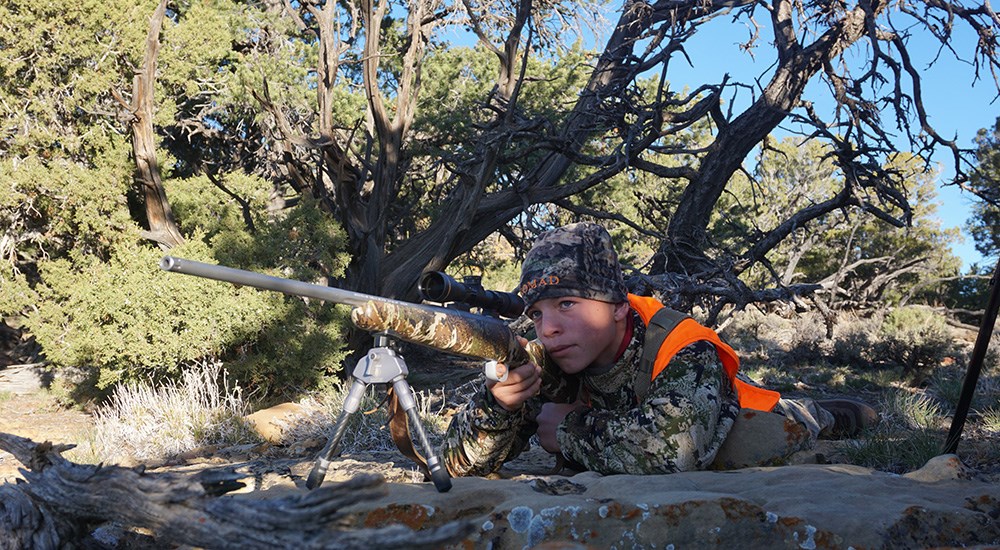
Establishing a good field shooting position and executing a solid trigger squeeze is essential to hitting your target. One of the best (and least expensive) techniques for mastering both position and trigger squeeze, is dry-fire practice. You can use the technique in the field, or even in the comfort of your own home or yard. Here’s how:
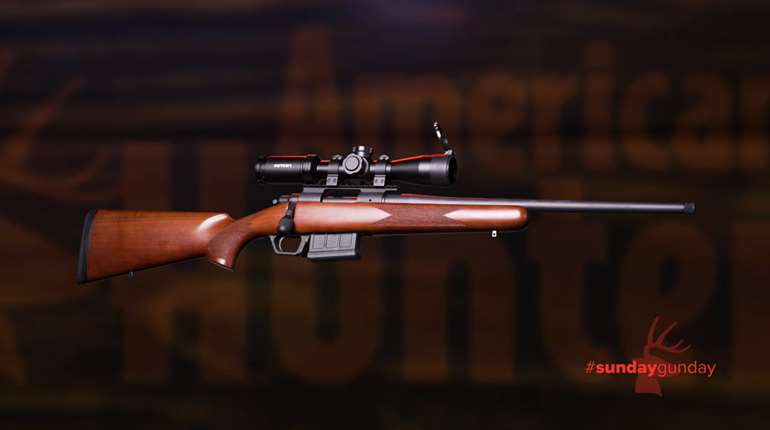
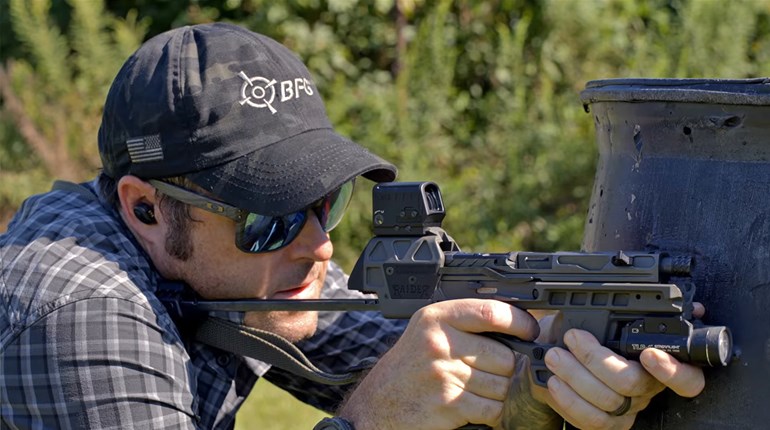
Always begin by making sure that your hunting rifle’s magazine and chamber are empty, and the terrain where you intend to practice is safe to point or shoot your rifle toward. Then spot an aiming point at some realistic distance, assume the best available field shooting position, and squeeze the trigger. The key is to first get your crosshairs steady on the target (good position). Then, watch your crosshairs to be sure they stay steady on the target and don’t move during or after the click (good trigger squeeze). Now get up, move to a different spot, choose a different aiming point and repeat. Do this 50 times or so per session. After a few practice sessions the field positions will come naturally, your crosshairs will be nice and steady, and your trigger squeeze will become drastically better.
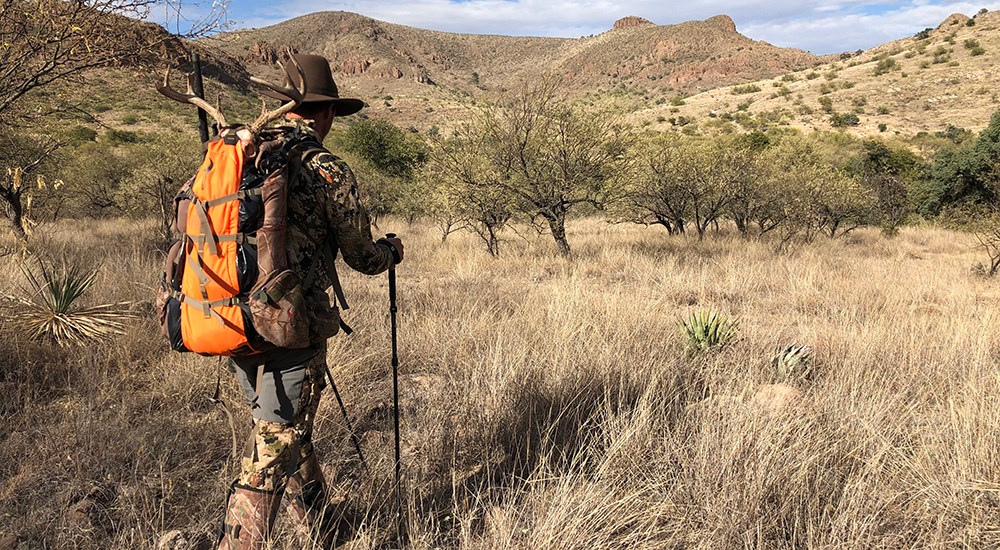
Once you’ve mastered this exercise, add a follow-up “shot.” Perform the exercise as outlined above. After the click work the bolt as rapidly as possible and re-acquire your target. As soon as you are steady, dry-fire the follow-up shot, once again making sure your crosshairs stay steady and firmly on target through the click. To add more skill-building challenge, you can change field positions between snaps. For example, you might start prone and then switch to a kneeling position for the second dry-fire. But never loose focus on the goal; your crosshairs must be steady, and you must keep them on target through the squeeze. Master this, and you have mastered the mechanics of good shooting.
Mental Visualization
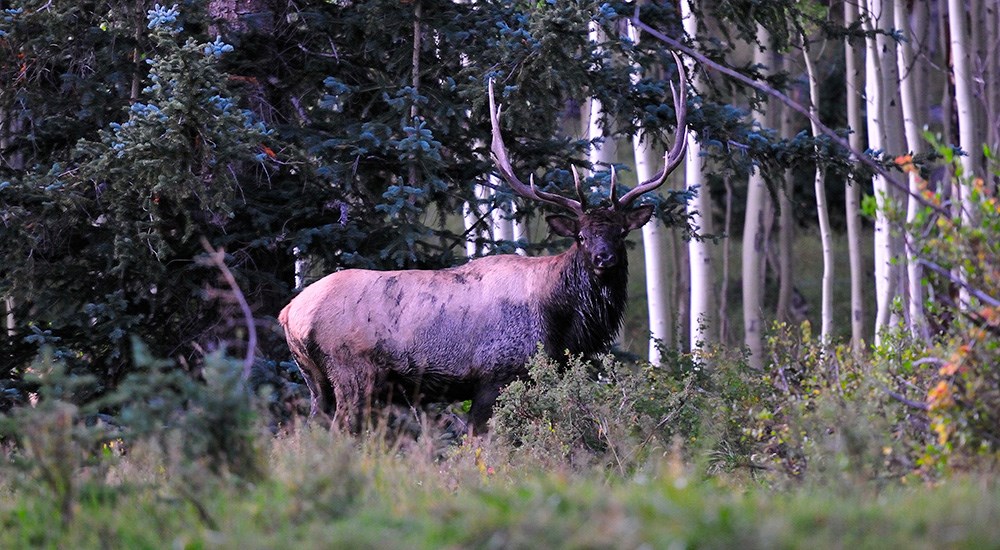
This may seem a bit hokey, but it’s a fact that mentally visualizing an activity sets you up for success when physically attempting the same activity. Most upper-level athletes use visualization extensively—just attend a high-level 3-gun match and watch the top competitors just before they shoot a stage. More often than not they will be spaced out, eyes glazed, mentally shooting the stage. You might even see their hands moving, manipulating their imaginary guns through the various shots. You can use a similar technique to prepare for shots at big-game animals.
To do this, you must visualize success. In your mind’s eye (your imagination) watch a big buck or bull—or whatever it is that you’ll be hunting—walk into your shooting lane. Move your rifle stealthily into position and settle the crosshairs. Once they’re steady, execute that perfect trigger squeeze you mastered during your dry-fire practice. Watch the bullet hit the animal in the perfect spot, and the animal dash away into the trees, or drop, or take a few jumps and crash. Meanwhile, cycle another cartridge into the chamber in case you need a follow up shot. Visualize everything as clearly as you can, training your mind and subconscious on what to expect and how to respond.
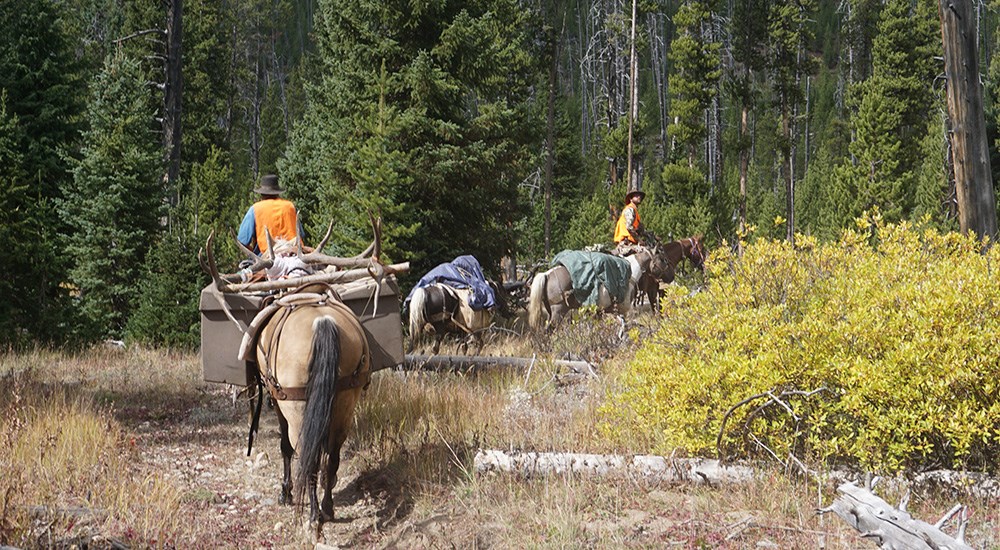
Use this method to prepare for any and every shot opportunity you might encounter. For example, visualize climbing a rocky point as rapidly as you physically can, trying to reach a shooting position before a herd of elk containing a big bull disappears into the timber. Lungs heaving for air, legs burning, you reach the top and scramble into a prone position. A sharp rock digs into the right side of your chest but you ignore it, shoving your pack into position to use as a rifle rest. The bull is at the timber’s edge, looking back, broadside. Settle your crosshairs, press the trigger and cycle the bolt. Elk are tough and he’s still on his feet, so you pound him again. Calmly, you slam the bolt home a third time and find him in your crosshairs, but he’s staggering, collapsing, and down, so you slowly snick the safety into place and take a big breath. The word comes back into focus and you sit up, rubbing your chest to ease the pain from the sharp rock. You just made an awesome short-notice shot on a big bull.
That’s the kind of detail you should employ while you’re visualizing your hunts. Train your mind and your subconscious to stay calm and in control, and to expect success. Believe me, if you do this enough it will change the way you shoot at game.

Experience
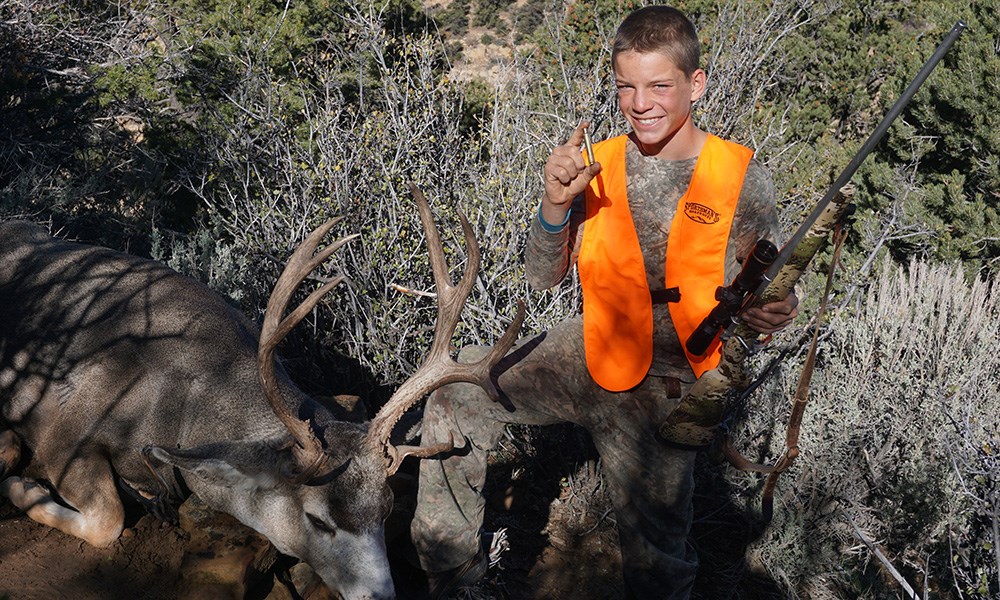
Once you’ve learned to control your adrenaline with breathing, mastered shot position and trigger squeeze, and trained your mind and subconscious through visualization, you must gain experience. If you’re like most American hunters, you’ll get perhaps one, perhaps two or three shot opportunities per year at big game. At that rate, it will take a lifetime to master shooting at game. Find an alternative and build experience.
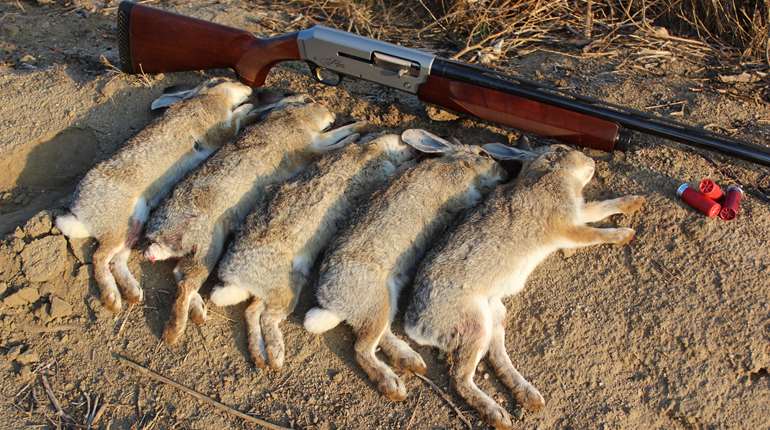
The best alternative I know of in America is small game. Find places to hunt rabbits and squirrels, pigs, prairie dogs and every legal small-game animal you can. Try to process and eat (except for the vermin) as much as you can, partly because it’s the right thing to do, and partly because it will add value to the game you are shooting, creating a bit more pressure to get it right. Use a nice, accurate rifle and accurate ammunition suitable to your quarry. Execute every shot as carefully as though you were shooting at the biggest buck or bull you have ever seen, thereby building your skill and confidence and ability to cleanly kill everything you settle your crosshairs on. Do this, and the next time you draw down on a big buck or bull you’ll place a perfect shot. No longer will you be the guy with the buck fever, the story, and the memory of a whitetail waving goodbye.