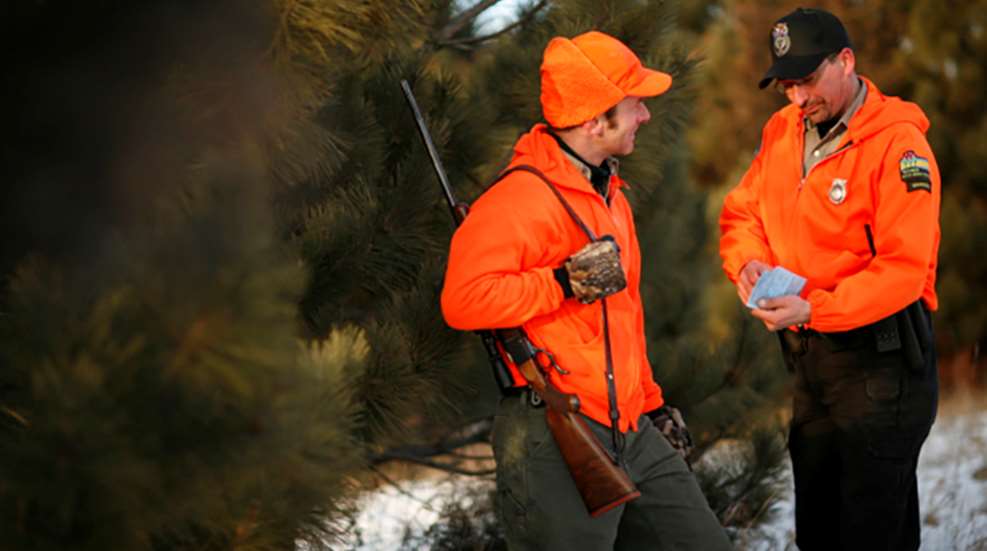
Game Wardens, Conservation Officers, Natural Resources Police Officers, whatever they are called in your state, have a tough job. First, they are law enforcement officers and any job in law enforcement is no walk in the park, especially these days. Next, if you think about it officers in this field have the duty to enforce law and regulations dealing with people’s leisure time and doing what they enjoy, hunting, fishing, boating. I feel I can talk about this because I retired after 36 years as a Natural Resources Police Officer.
I have always felt that our hunters and fishermen and wildlife officers should all be on the same team. Law abiding sportsmen (this means men and women) want what is best for wildlife populations and by and large they support the laws aimed at that. So if you would like to cultivate a good relationship with your local officer, what are some of the things to think about?
1. Use the right name.
One of the many things most sportsmen don’t understand about wildlife officers is that they are often called by the wrong name. This is a sore spot for many and it may seem a trivial thing, but would you want to be constantly addressed by an incorrect title? In the work a day world people from other walks of life are quick to correct if you use the wrong term for their occupation. Inquire as to the correct name for officers in your states wildlife law enforcement agency and use it. Save the rabbit sheriff and opossum cop jokes for later when you are better acquainted.
2. Be proactive instead of reactive.
If you anticipate a problem in a certain area, such as a new hunting lease, most officers would like a call in advance. They may ask to meet with you and look over the area. This is a win for both parties involved, you get to meet the officer, and he gets to see the terrain before responding to a call there. Many hunting camps issue a standing invitation for officers to stop by whenever they are in the area. This is a gesture they will appreciate; they can get a cup of coffee and catch up with the news in your part of the county.
3. Be willing to give information.
Conservation Officers are traditionally the most understaffed law enforcement in the country. One officer in a county can’t be everywhere and they depend on conscientious sportsmen for information, they can’t operate effectively without it. If there are blatant violations going on in your area, be the guy that steps up and calls the officer about it. Game hogs are stealing you and everybody else’s deer and turkeys; it’s just a matter of how long you want to put up with it.
4. Support your officers at the state capitol.
Most fish and game departments live with budget problems and their law enforcement division’s salaries are rarely up to par with other policemen in the state. When the legislature is in session you can call your representatives and urge them to support a pay bill for the officers in your state’s agency. Believe me; it won’t happen without a lot of public support. (Mostly it doesn’t happen anyway)
5. Meet at Joe’s Diner.
All of this really isn’t science related to rockets. Give your county game warden a call and see if he wants to have lunch one day. You will find most are average Joe’s like you with car payments and a mortgage. Most are hunters, so you will have a lot in common. The advantages of personally knowing the warden can be numerous. Can he tell you where all the big bucks in the county reside? No, but he may very well give you a tip on a good spot that you did not know about. You may be surprised that he will learn things from you as well; part of his job is collecting information. Like many things in life, it is all about communication.
Wildlife law enforcement is a tough job, but it can be very rewarding. Especially if the officer knows he has allies in the ranks of his local sportsmen. It’s up to you to make that call.