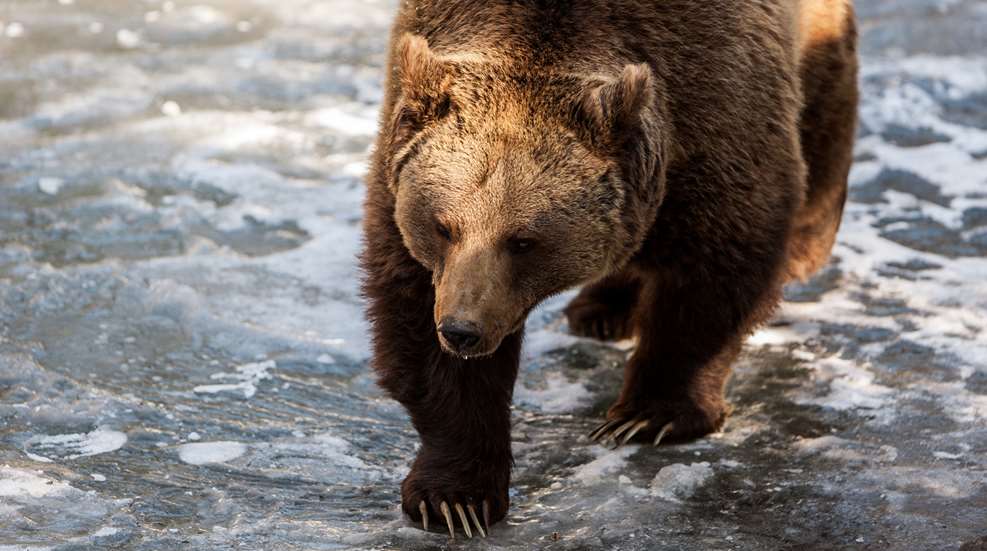
When the grizzly bear in the Lower 48 was given Endangered Species Act (ESA) protection as a threatened species in 1975, it was supposed to be a temporary protection that would be lifted once populations met or exceeded specific goals.
Now more than a half century later and with grizzly populations that have spread and met or far surpassed the goals set in 1975, the U.S. Department of the Interior “announced a revised rule under section 4(d) of the Endangered Species Act that would provide additional management flexibility for grizzly bears in specific areas, while maintaining existing protections and supporting long-term conservation.”
The public comment period for proposed changes to the management status of grizzly populations in several Western states is open until August 17 at the Federal Register.
Any elk or deer hunter who has gone into areas from the foothills into the mountains in areas of Montana, Idaho and Wyoming, for example, have long been aware that un-hunted populations of Ursus arctos horribilis can be dangerous. And, in fact, attacks have occurred each year on hikers and hunters in these regions.
Still, the possibility that state wildlife agencies could use hunting to better regulate the grizzly population have drawn lawsuits from animal-rights groups.
The U.S. Fish and Wildlife Service (FWS) researched and wrote a recovery plan for the conservation and survival of grizzly bears. “The latest iteration of this plan was published in 1993, and it identified five recovery zones in the lower 48 states with known populations of grizzly bears … . The plan stated an intent to delist individual populations as they achieved recovery,” says a Congressional Research Service Report.
Litigation from anti-hunting groups, however, derailed attempts to delist the bears in some areas to return management to the states in 2007 and 2017. Even though the bears’ ESA status would have been conditionally based on minimum population benchmarks, judges sided with the animal-rights groups.
More recently, in 2023, the FWS determined that two distinct grizzly populations had met or exceeded population goals and so could be delisted. This has led the Department of the Interior to announce a “revised proposal to increase management flexibility for grizzly bears in areas where the species has met, and in many cases exceeded, federal recovery benchmarks.”
To publicly bring this issue before people who live in areas with grizzlies, Secretary of the Interior Doug Burgum was joined by Montana Governor Greg Gianforte (R), Wyoming Governor Mark Gordon (R), Idaho Governor Brad Little (R) and U.S. Fish and Wildlife Director Brian Nesvik to announce these proposed changes.
“The science is more than clear: grizzly bears have recovered and far exceeded every federal recovery benchmarks. Today, Interior is returning conservation leadership to the Western states instead of Washington bureaucrats,” said Burgum. “Under the leadership of President Trump, we’re following the science, upholding the law and ending politics masquerading as conservation.”
“Thanks to the work of Montana Fish, Wildlife, and Parks, the U.S. Fish and Wildlife Service, and many Montanans over decades, the grizzly bear recovery story is one of America's great conservation successes,” said Governor Gianforte. “With this success has come a challenge—bears have expanded into new areas and conflicts have increased with farmers, ranchers, recreationists, and residents. Returning management to the states is a welcome change and Montana is ready to lead to balance conservation and the safety of our communities.”
“This announcement is a long time coming and very good news for many communities and the wildlife within the Yellowstone ecosystem and across bear country,” said Congressman Ryan Zinke (R), former Secretary of the Interior. “Like the bald eagle before it, the recovery of the grizzly stands as one of America’s great conservation success stories.”