My electrician was very excited. “I just put in for elk,” he told me last spring.
I thought Colorado? But I asked, “Where?”
“Pennsylvania.”
“Oh,” I said surprised, but I quickly tried not to appear pessimistic.
“I know,” he said with a sigh, “I checked. It is a longshot. They only give out 140 tags for a herd of about 1,400 elk. But wouldn’t it be cool?”
“Yes,” I said, and I was a little jealous.
This year, the window to apply starts on May 1 and goes to July 12.
For those who have applied for this dream hunt before, there have been some changes. First, those applying for an elk-hunting license must now have a valid Pennsylvania general hunting license before they can apply, according to the Pennsylvania Game Commission.
Things have also gotten tougher for nonresidents. No more than 10-percent of available elk hunting licenses will now be awarded to nonresidents.
Licenses for antlered elk are now considered once-in-a-lifetime opportunities. The Pennsylvania Game Commission said this change is not retroactive, so it only applies to applications going forward.
Pennsylvania will also have a new firearms season for elk that will go from October 3-11.
This state does allow hunters to build up preference points over time if they are unsuccessful in the draw. So, the odds for success increases with each point. Colorado and a lot of other states use this process.
Bottom of Form
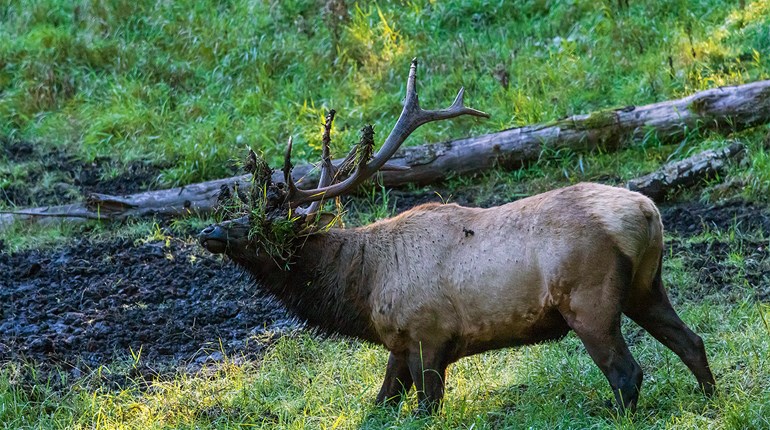
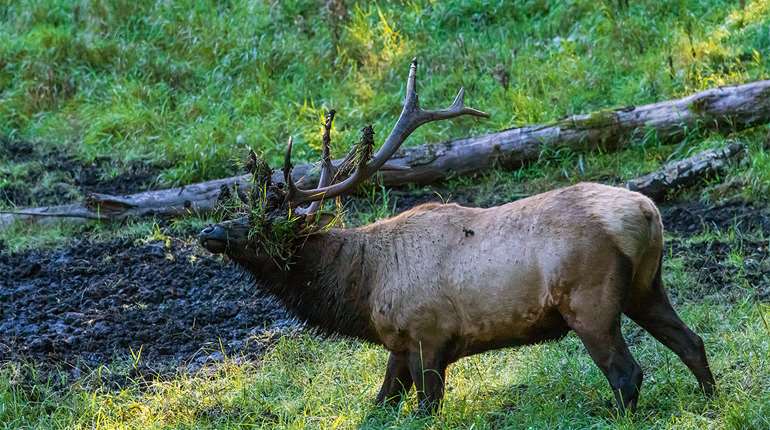
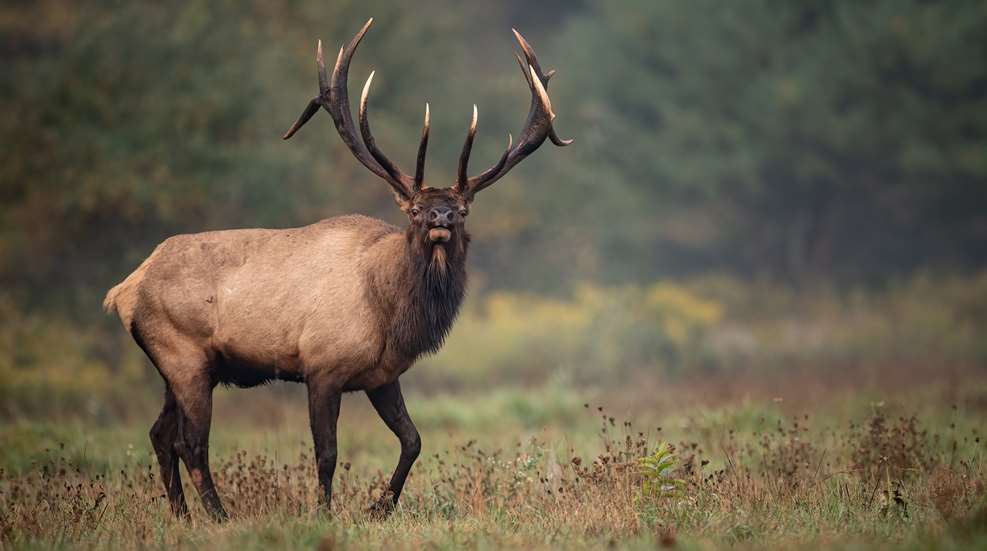
Elk were introduced to Pennsylvania in the early 1900s and are primarily found in Elk, Cameron, Clinton, Clearfield and Potter counties. The Game Commission estimates there are between 1,200 and 1,500 elk in the state. During the summer they can often be seen from viewing areas, such as the Elk Country Visitor Center in Cameron County. The Game Commission also has a website with a live elk cam.
It is an interesting—and very politically incorrect—fact that every wildlife species lucky enough to have a season placed on it has not gone extinct, endangered or even threatened. In fact, over the last century every game species that is hunted in the U.S. has increased in number. This includes elk. In 1900, there were about 40,00 elk left in the U.S., mostly concentrated in and around Yellowstone National Park—Elk had once lived from the Atlantic to the Pacific. Today there are over one million Rocky Mountain elk in the U.S. Regulated-hunting seasons and land protection saved the elk from extermination in the West and today there are also elk herds in states like Arkansas, Michigan, Tennessee and Pennsylvania.
In Pennsylvania in 2025, there were 104,992 applications for 140 tags (65 bull and 75 cow/antlerless). If it wasn’t for the preference point system, that would give each applicant a 1 in 750 chance of getting a tag, but the odds vary significantly depending on the number of points a person has.
As for my electrician, he is still putting in. But he didn’t wait for an adventure. Last year, he went to Maryland to hunt sika—a Japanese import—but that is another story.