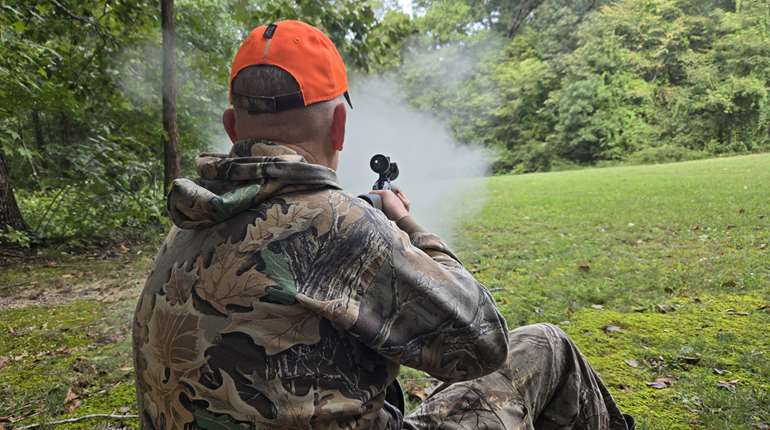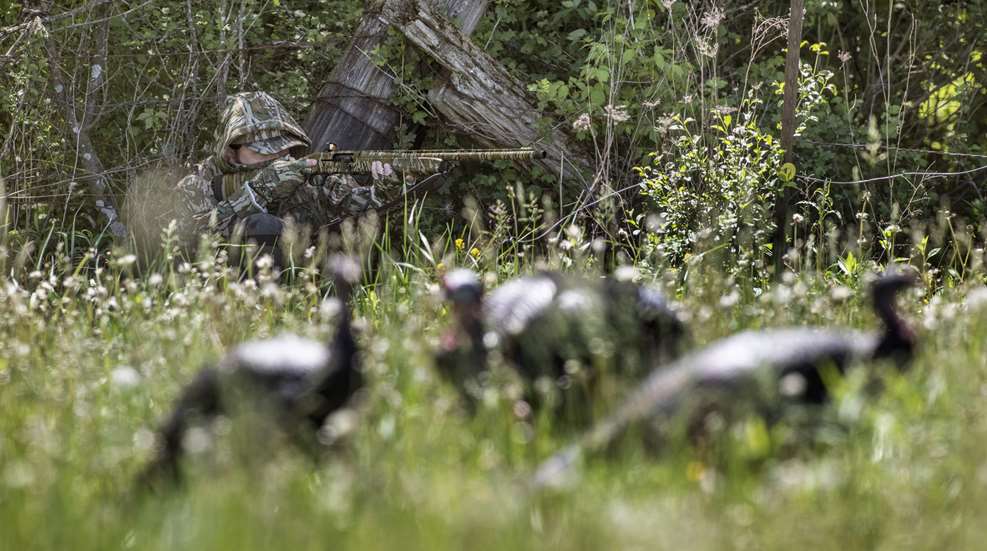
It was foregone conclusion; a boisterous gobbler was soon to be hoisted on my shoulder for the long jaunt back to the truck—and I’d be smiling every step of the way. Or so I though. Fate was about to teach me a harsh lesson.
Creeping with 200 yards of the gobbler, which was still perched on its roost limb, I had to prepare quickly; surely, the bird would be hitting the ground shortly. After a quick scan of the location, I inserted the stake into the decoy and stabbed the combo into the soft, spring soil, then sought a suitable tree to sit against. Once seated, I immediately recognized my folly; however, due to the intensity and frequency of the calls; I opted to remain in place. Dumb.
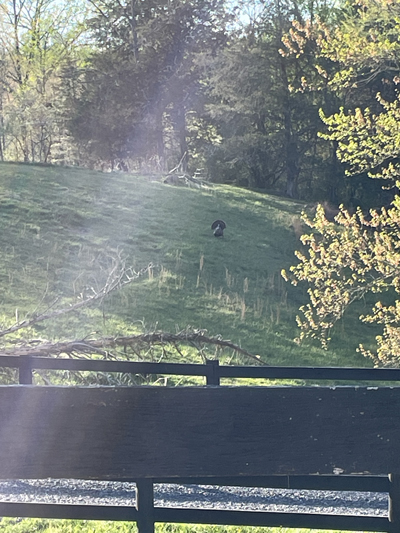
I began a calling sequence that was impulsively interrupted by the lovestruck Virginia Tom, as he would all my calls. Once I was convinced the bird was thoroughly committed, I ceased communication. Shortly thereafter came the telltale flaps of a ground-bound gobbler, followed by the resumption of strong gobbling. Each series was audibly closer. Surely it wouldn’t be long before I’d punch one of my three tags. And then it happened.
The gobbler homed-in on the faux female and broke into a sprint. Imagine a speed run in a video game and you’d have an idea the pace at which the bird darted round ground litter and tress. Within seconds it was past my shooting window and serenading the foam deke, no more than 10 yards to my left, rear. The spitting, drumming, and gobbling was intense, but I dared not move initially. With time, though, I realized I needed to act. Hoping that the bird would miss my attempt to rotate 180 degrees, those prospects were dashed almost immediately. The putts told me so. With its rapid departure imminent, swung for the fences and around the tree—only to realize there was no opportunity. Game over. Gobbler one. Carter zero. It was a long, sullen walk back to the truck.
“Life is full of moments—some we wish could last forever and others we wish we could forget,” said author Meena Menezes. “But every single one teaches us something.” When it comes to spring gobbler hunting, I couldn’t agree more. I’ve learned a lot, and will continue to do so, as no one ever knows everything.
Here are eight ways that I—or those accompanying me—have failed to bag a gobbler through three-plus decades of pursuing them. Learn from our mistakes so that you don’t repeat them.
Decoys: Friends & Foes
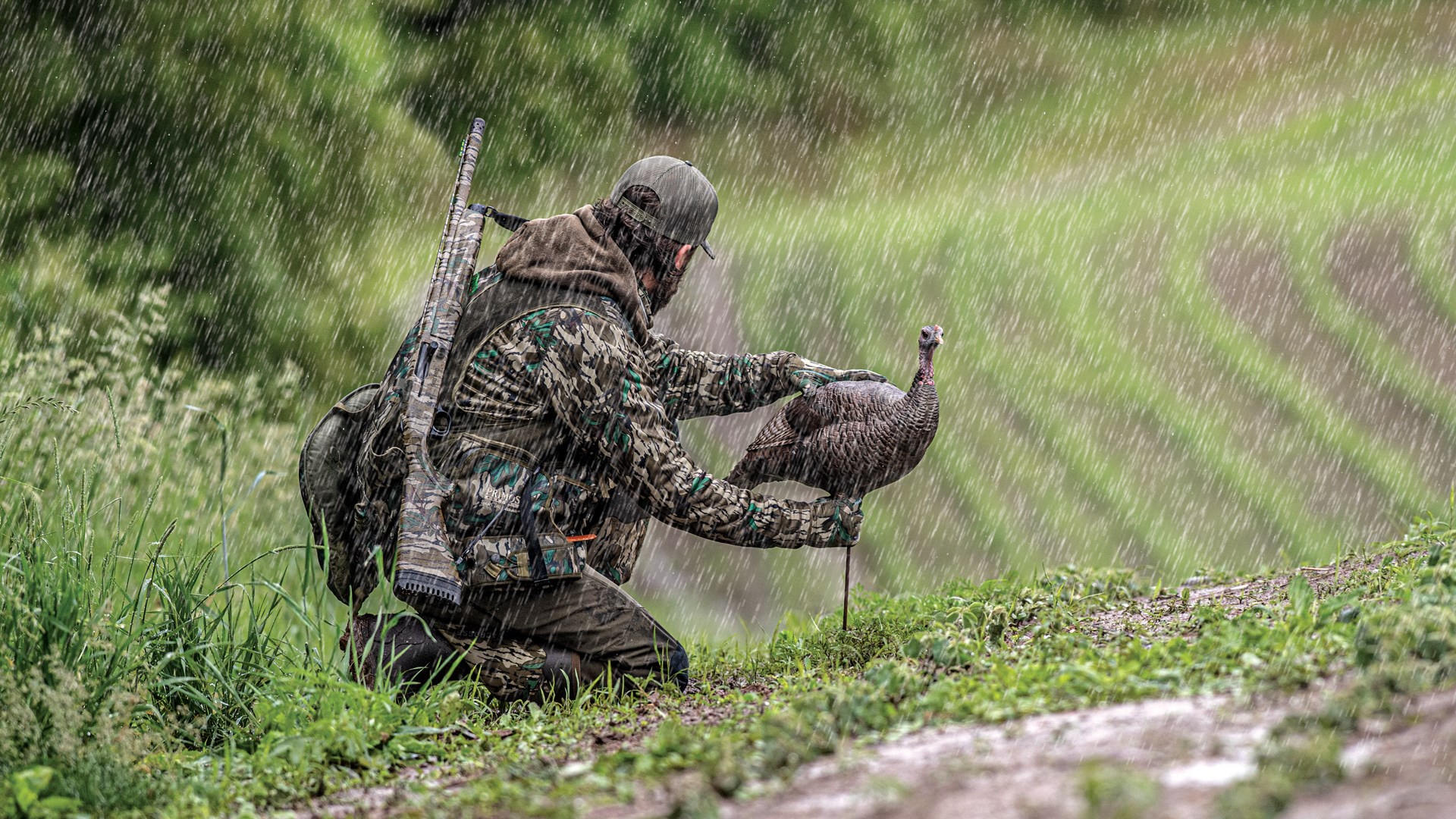
Decoys can be a blessing or a curse, depending on the situation. I’ve had gobblers focus on dekes and commit from great distances, and once even shot a gobbler off the back of a Hazel Creek Taxidermy-mounted hen, but in other scenarios, the replica has brought failure—such as in the opening story. Having had much success using decoys early in my turkey hunting career, I quickly became addicted to their use. A habit is never good.
Case in point: While hunting South Texas more than a decade ago, a fellow writer/host and I located a couple talkative gobblers mid-morning. Using a hen call (and not a locator), I received an immediate response. Good. Time to set up. I hastily readied the decoy and ventured stealthily—so I thought—down a hilly sendero to place it. With each string of gobbles being audibly closer in short order, I staked the faux hen and rushed to my fellow hunter.
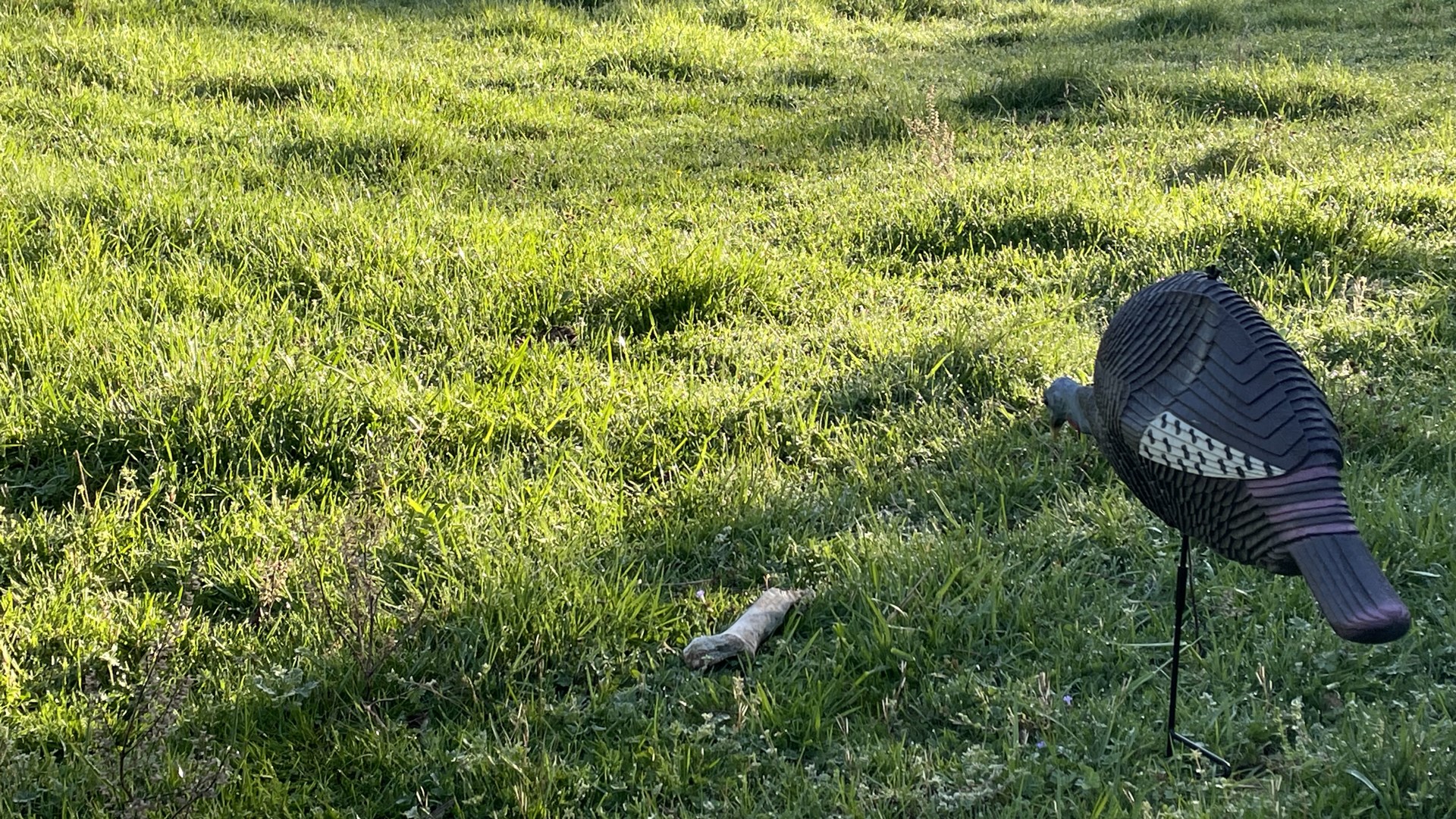
Thinking all was well with our arrangement, I commenced calling. No response. Giving it a few minutes, I tried again. Silence. After a long wait, it was obvious what happened; the birds caught sight of me when in the sendero and silently vacated the area. Had we foregone the decoy, we’d likely have notched a tag or two.
Don’t get me wrong; a decoy works wonders for distracting prying eyes, and it can help persuade gobblers to cut the distance. However, don’t believe they’re always necessary. They’re not. When a gobbler is close, especially responsive (i.e. lonely) later in the day, or the openness of the terrain risks being spotted, forego its use.
Loco about Locator Calls
It was opening week on a wildlife management area not far from the nation’s capital, so one should anticipate craziness. But, I didn’t expect what I encountered. After all, the parking lots was empty, and surely many hunters had returned to work. Nope.
From my mountaintop perch, which I arrived at more than an hour before first light, I anxiously awaited that magical time when nature awakes and the local gobblers to welcome the morning. Ah, peacefulness. As darkness fled the rising sun, though, I heard it—an owl. Nothing atypical, but it made me pause. Then another “hoot” reverberated through the valley. Suddenly, another owl chimed in, at the top of the adjacent ridge. I’ve had multiple real owls causing a lot of commotion at sunrise through the years, so I was hopeful that the sounds were authentic. And then came the same noise from a third location, as well as what sounded to be a crow set afire or intoxicated. Shortly thereafter, another owl—from a truck that stopped alongside the road—and a hen joined the all-bird band. It was chaos, and no one stopped for a moment to consider they’re all calling to other hunters.
You know what band member didn’t chime in? A gobbler. Having scouted there the day before, I knew there were no less than six gobblers in that valley, and all were rightfully tight-lipped. Apparently, dissatisfied with no response, most of the hunters called it quits (including the one that stopped alongside the busy road to make a few “hoots”).
Probably an hour or less later, I heard a single gobble nearby. After repositioning, I commenced calling. The bird readily responded, so I decreased the frequency of my calls. The “super jake” approached my setup from below, meaning it was just above some of the hunters at sunrise. Everything came together as planned, and with a single shot my allotment for the day was accomplished. On the walk out, I couldn’t help but chuckle when I saw the vast number of fresh, varied boot prints on the muddy trails and at the established creek crossings.
Don’t get me wrong; locator calls can be helpful, but overuse—and over-relying on them—can lead to missed opportunities, such as illustrated above. What’s more, when hunting hard-hit public land, why force a gobbler to announce its whereabouts and start a mad rush toward it? I’ve found that, on even the busiest public grounds, Toms will still gobble—perhaps only a time or two—so be ready to make a move, quickly. And other hunters, if still around, might miss that single (or few) gobble, giving you the upper hand.
Misinterpreting the Sudden Silent Treatment
As a teenager turkey hunter, mistaking restrained gobbles for the cold shoulder cost me many birds. Let me paint you a picture. A Tom that was boisterous suddenly becomes silent. Nothing. Like it was a ghost that vanished. Invariably, I’d figured the Tom has ditched me for a real hen or was heading to fight another gobbler. Something caused it to leave. As such, I’d exfil for another loudmouth Tom in the distance. However, upon reaching the second bird, the first would resume calling from the very spot that I left … and repeat. With few mentors to teach me, I needed nature to provide an education—and it did, time and again. Fail after fail.
In time, I learned to wait, as sudden silence can be good. Why? After initially responding vigorously from the roost, a gobbler tends to hush right before gliding to the ground—and often right into your setup. Moreover, when a gobbler is closing the distance, the last stretch before it reaches what it thinks is a mate, many gobblers get quiet. This can cause you to think its elsewhere; it’s not, so sit motionless and be prepared for a shot. This also isn’t the time to start calling aggressively; should you decide to call, which isn’t needed unless the gobbler appears to be bypassing your setup or to coax it in, use very soft yelps. Also, silent longbeards that you’re not anticipating approaching can come in from a direction you’re not expecting one from, so be prepared.
Terrible Setup
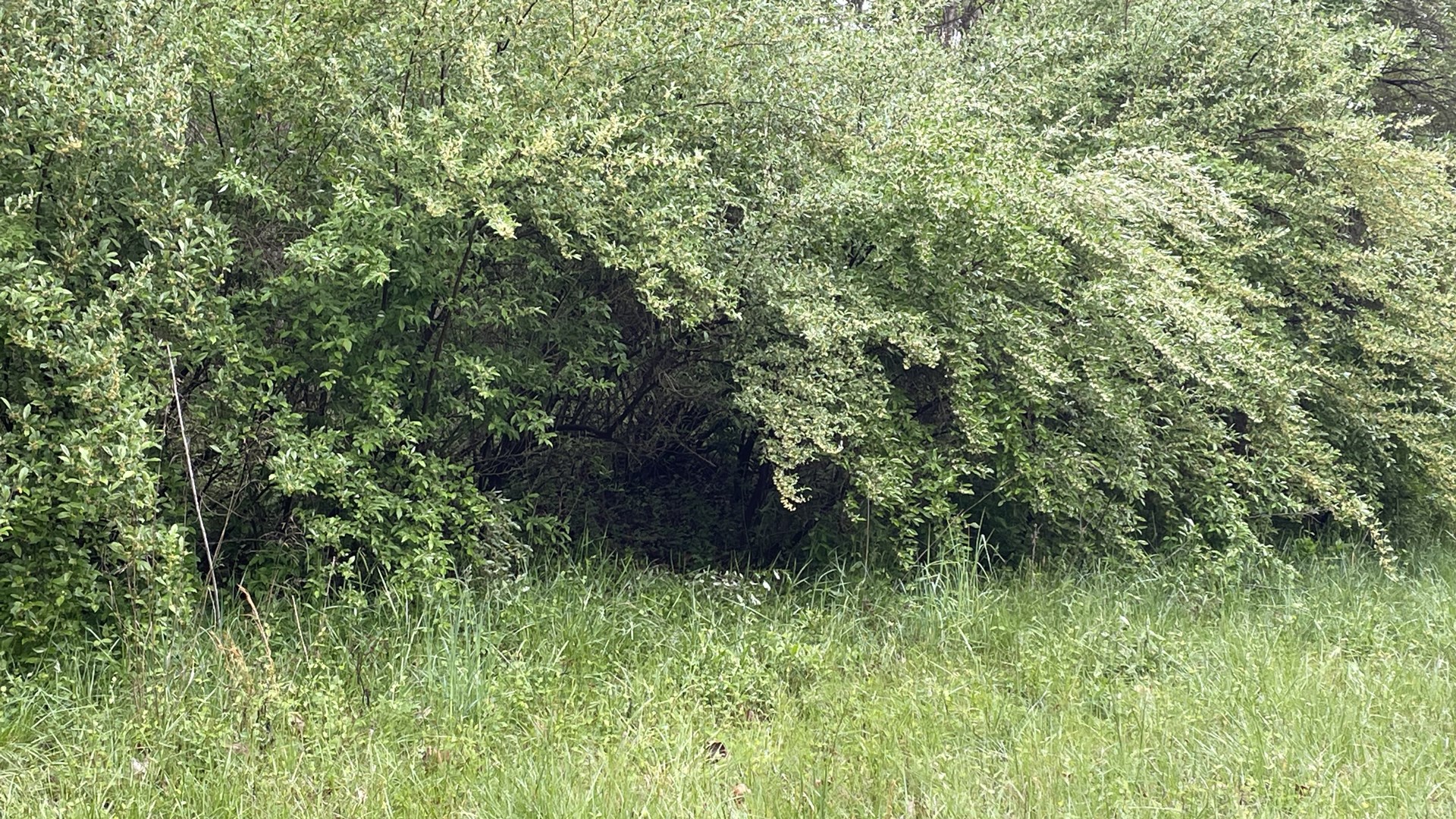
Choose your hide wisely, as it’s the key to your success. As I’ve discovered too many times early on, plopping down just anywhere will cost you birds—guaranteed. We tend to miss the obvious faults of the site when hurried.
Foremost, if using a decoy, position it where you’ll get a clear shot with minimal movement. The shotgun’s barrel should be able move freely without hitting a sapling, mature tree, or brush. Don’t ask me how I know.
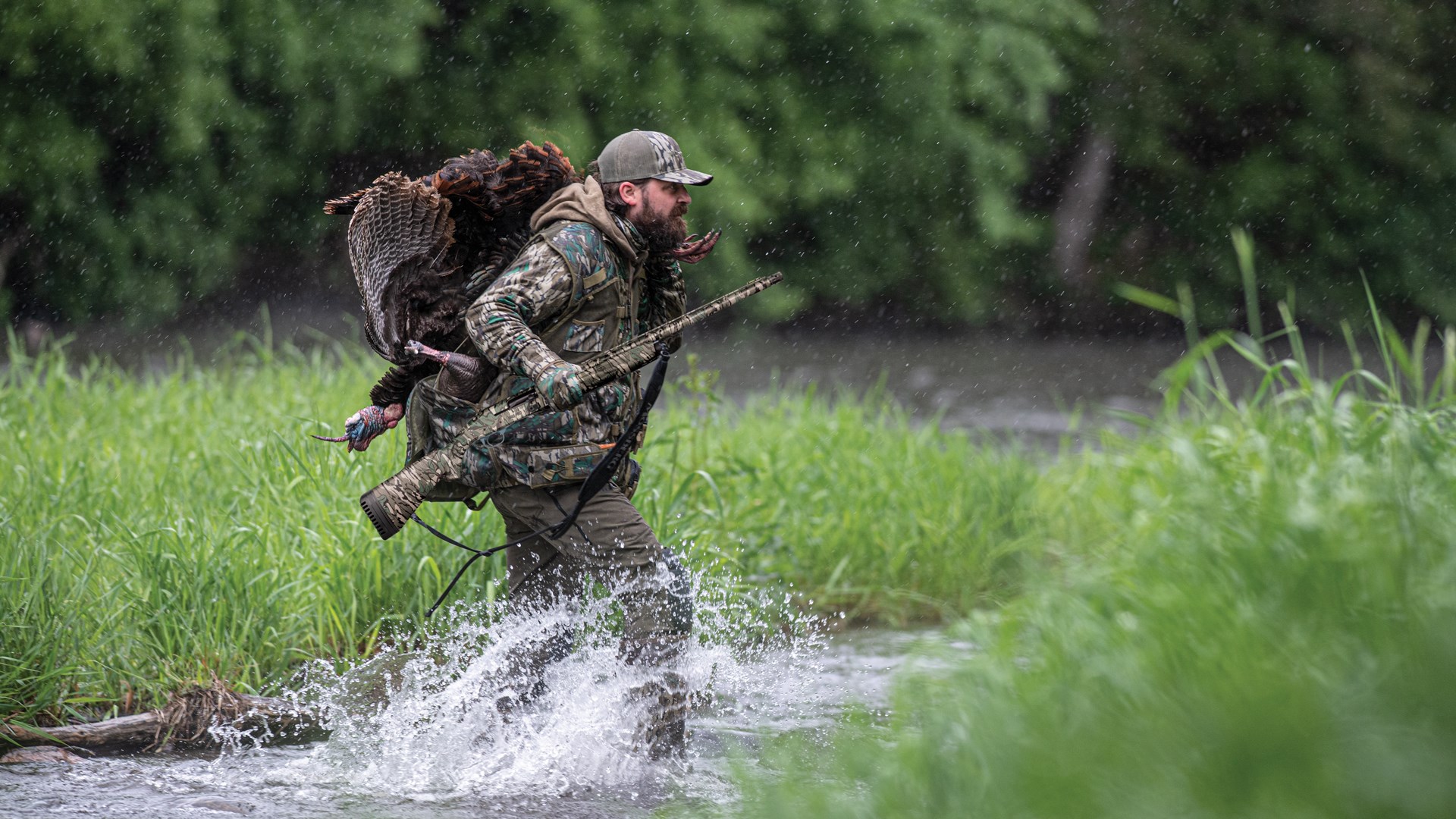
Additionally, take note of the potential obstacles. Lovestruck Toms can be … well … stupid, and easily bypassed hurdles can confound them. I’ve had gobblers halted by a large, fallen tree—simply refusing to go around it—and fences can be absolute deal-breakers. I’ve watched birds repeatedly run into woven-wire fences before eventually giving up. You’d think they’d just fly over it, but it doesn’t aways happen. Creeks, streams and other waterways can also be impediments—though they’ll usually are willing to take flight to get to the replica hen. Once I watched a gobbler soar across the Potomac River to get to a hen calling on the other side. Mind you, at that location, it’s roughly 1,300 feet across. Talk about gumption! You should be able to get a shot, regardless of if the bird approaches from a direction other than what your expect.
Moreover, sit against a tree with a diameter as large as possible to break up your silhouette, as well as to provide protection against a gunshot coming from the rear. I also carry a pruner and rolled-up netting to help break up my human shape. Quietly sweep aside any leaves that could alert a nearby bird when shifting your bottom or leg(s). Know that gobblers will likely hear this and associate it with a hen scratching the ground—a benefit.
Leaving the Field Early
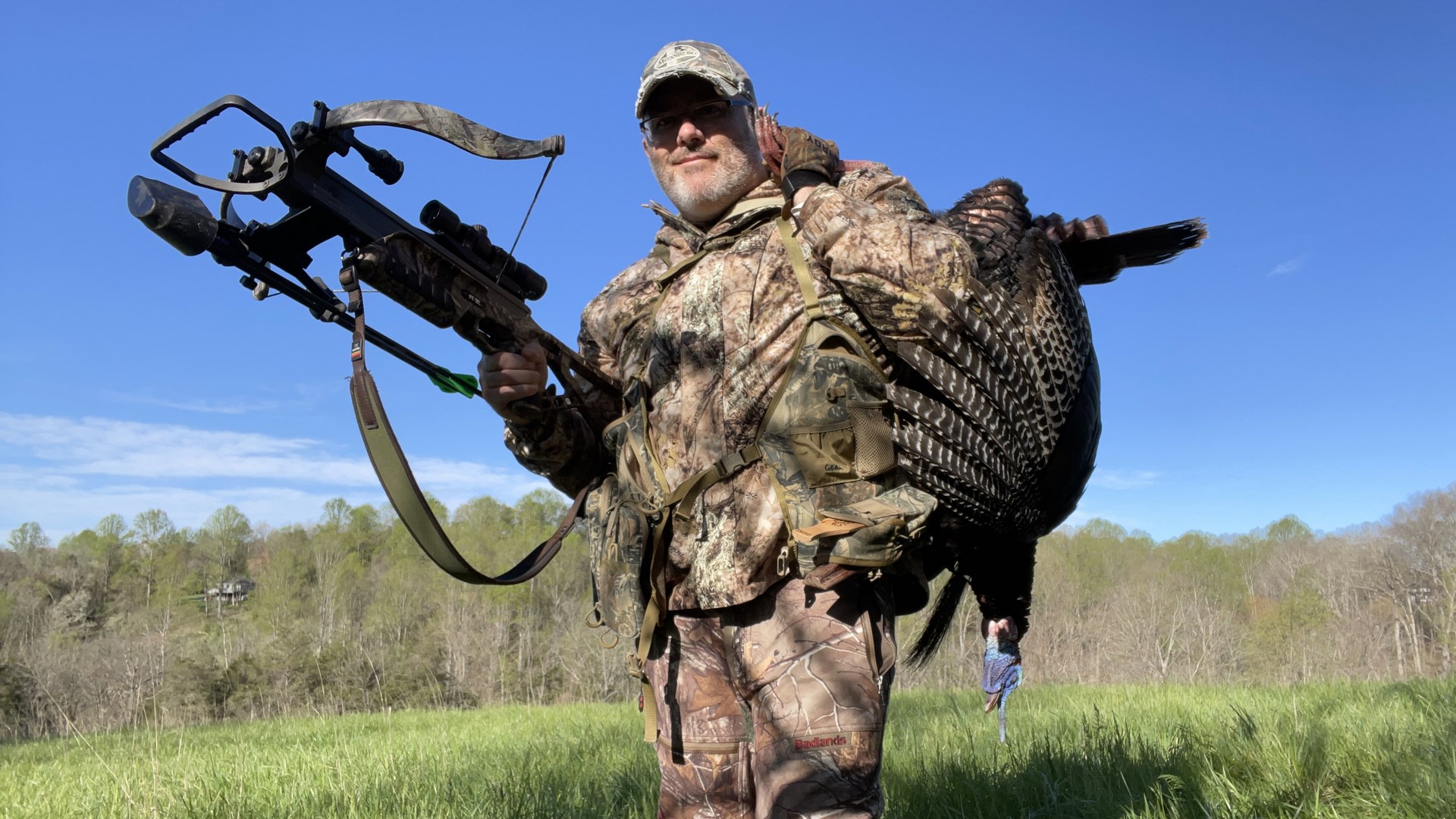
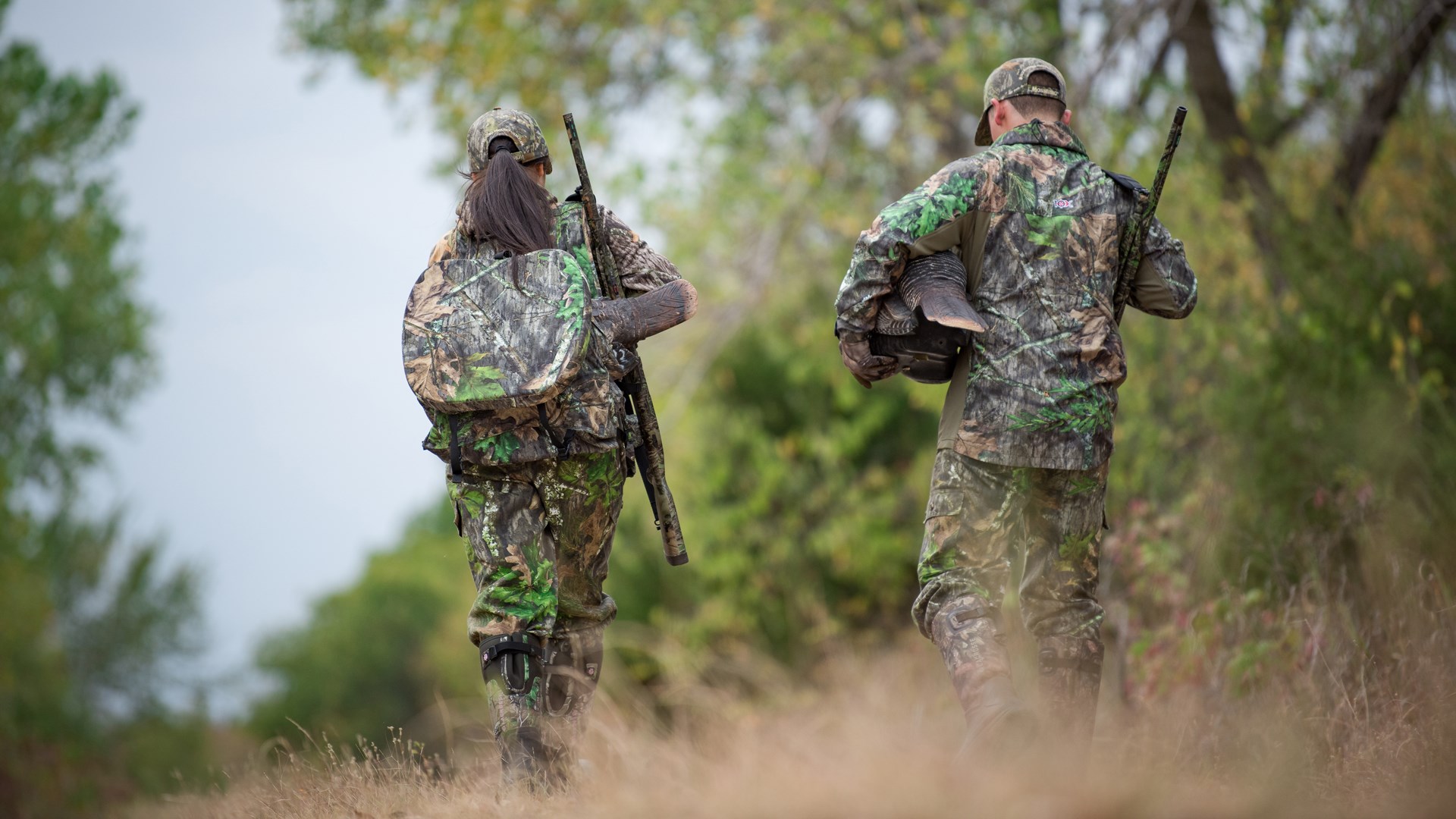
As illustrated in an earlier story, departing the field prematurely can result in unfilled tags. Many gobblers—especially “kamikaze” two-year olds and jakes—perish at first light, whereas boss Toms tend to be easier to kill as the day progresses. It took years for me to see each day’s hunt in its entirety, as I erroneously believed that if I didn’t score early, it would happen. I couldn’t have been more wrong.
To many times to count, I’ve had a gobbler respond from the roost only to fly down and, with his hens, walk in the opposite direction. It’s frustrating, but remember, you’re on their time, and it’s nature’s way of doing things. That being said, if a gobbler responded to your calls from the roost, it’s likely that, come mid-morning (or so), when he loses his hens, that he’ll find his way back to you. Increasingly, I kill mature birds later in the day.
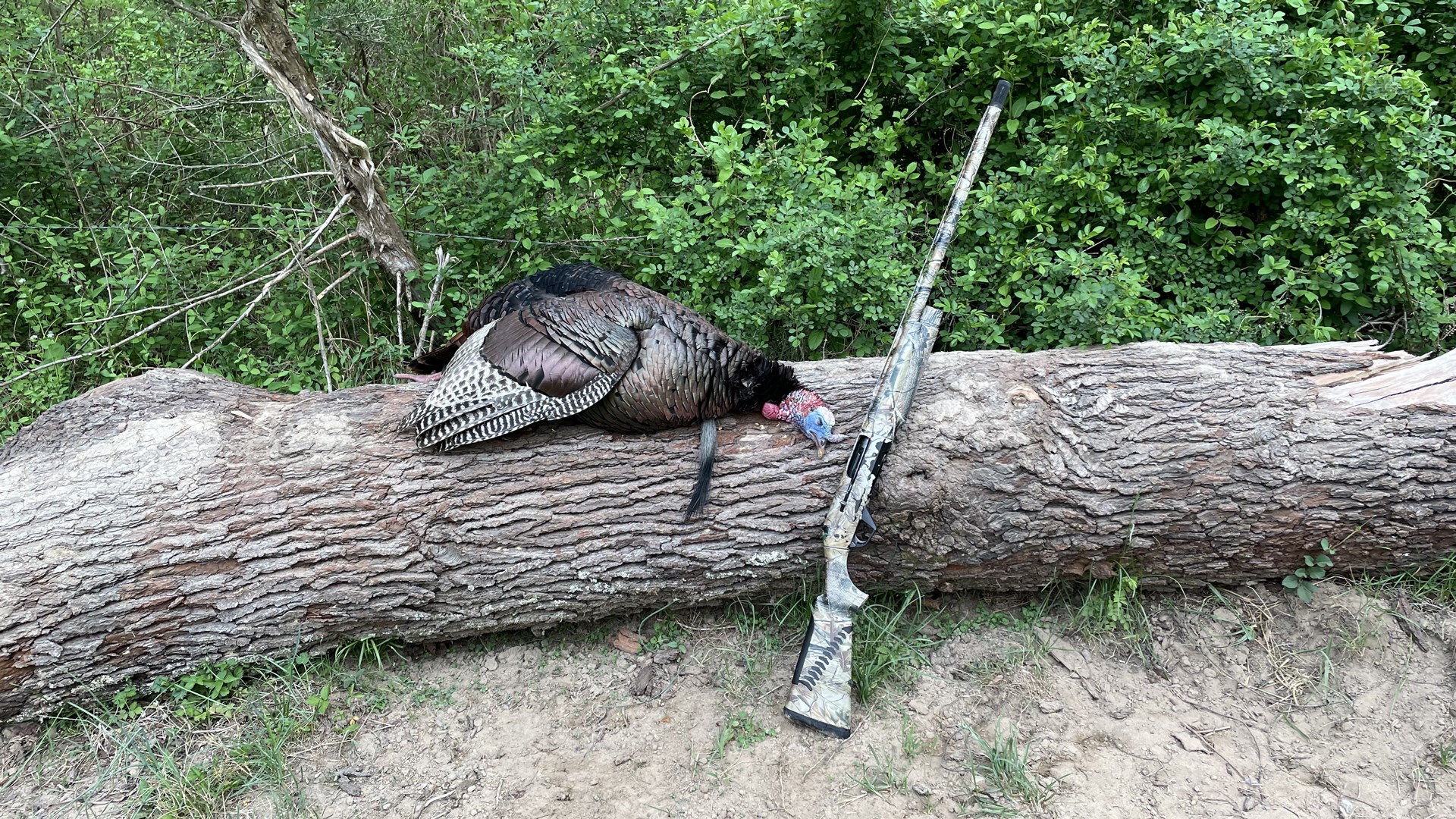
Can’t understand why the gobbler chose what it did? Here’s another way to think about: it’s nighttime and there’s a potential mate with you, and then a faint, seductive call comes from an unknown, unseen source in a dark alleyway, what would you choose? For the sane, probably not the latter. The gobbler does the same. Now, hens can be lured in at times, with the gobbler in tow. But, don’t count on it. Instead, provided that you have the time—including full-day hunting—wait it out. When lonely, the Tom will investigate the dark alleyway. Just don’t you do the same.
As an example of the effectiveness of a late-morning hunt, years ago my son and I slept in, knowing several other hunters would be on the private parcel that we intended to hunt. Moreover, the early morning called for pour downs. After a hearty breakfast, we arrived at the property—just as the trio of other hunters (three generations) were packing up. It was approaching 10:00, and noon was the end of legal hunting time during that stretch of the season. According to the family, there were no birds there. I knew better. This became evident as the sun broke through the clouds, and a pair of Toms sounded off. With the soaked family wishing us good luck, my son and I fast-stepped to the foot of the valley that held the duo; we’d have to beat them to the creek bottom.
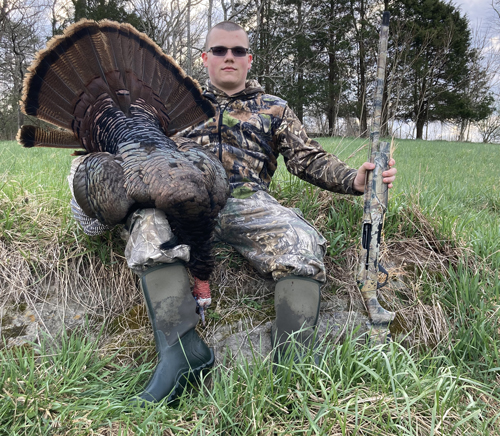
Setting up a decoys (a jake and a hen), I positioned my pre-teen son so that, once the bird(s) committed and crossed onto our property and approached the decoys), he’d have a clear shot. With the pair double- and triple-gobbling, I knew it wouldn’t be a long before the shot would be at-hand. Strangely, the pair split when reaching the wide, winding stream; however, the loudest (and dominant) bird ducked beneath the loose barbed wire stands and onto the property we were hunting. As the Tom accosted the jake decoy, my son took aim and fired the Savage Model 24 12-gauge/.223 Rem. combo. The Hevi-13’s payload struck home, giving him his first gobbler.
All told, from leaving the truck to returning was less than 45 minutes. That’s the beauty of hunting mid-morning and later. If you find one that’s noisy, a tag should get notched. For those who leave the field early, it’ll be tag soup.
The Infamous Click
On yes, the “click.” Ardent hunters tend to be obsessive and leave nothing to chance—everything must be checked. Count me among them. Said trait has likely cost many hunters their gobblers.
Most closely associated with pre-Super Black Eagle III Benelli semi-automatic shotguns, the click is a byproduct of compulsiveness. Wanting to ensure that his or her shotgun was loaded, the hunter would retract the bolt slightly, examine the gun’s condition, and eased forward the bolt to ensure quietness. Problem is, doing so doesn’t permit the bolt to achieve lockup. Therefore, the shotgun appears ready to fire but it’s not; pulling the trigger results in the click that any nearby gobbler will hear. The well-practiced shotgunner can remedy the condition in short order, but bagging the now-spooked bird before it departs is very challenging. Fortunately, in newer Benelli semi-automatic shotguns this has been addressed and is a non-issue. I’m not so sure about clones, but it’s worth investigating.
Another bird-alerting click is the safety. Some are obnoxiously loud, and switching the control into the firing position is enough to get a gobbler’s attention. With an empty gun, practice moving the control quietly. Additionally, provided that the gobbler is visually committed, prepare your shotgun before it gets too close. Just keep your finger clear of the trigger until you’re actively pulling the trigger.
Not Learning from the Past
The easiest way to find success is learning from past experiences. Failure is a superb teacher, and turkeys are great for putting hunters in their place. If you take note and learn from the past, your will persevere—even on tough Toms.
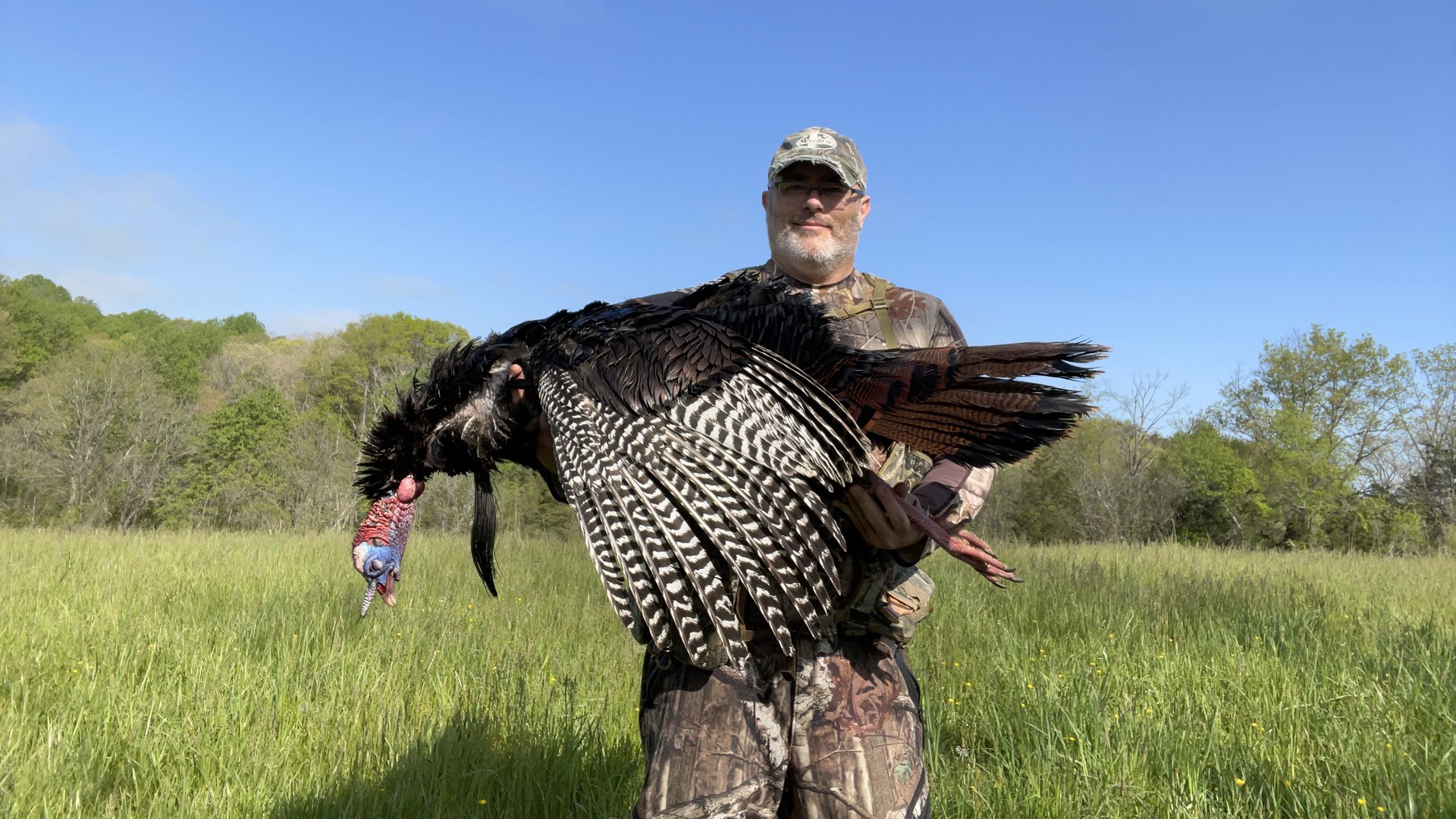
Just last season, on opening morning, I failed to connect with a Tom that was initially responsive while on the roost, but touched down in a large cattle field parallelling a nearby stream. With other commitments that day, I couldn’t wait him out. The subsequent morning, the gobbler repeated his movements from the previous day. Using this information and having more time available, I made a wide circle and set up in the direction it moved the previous day. The result? One of the largest gobblers—with hens around him—that I’ve ever bagged.
The story doesn’t end there. In the days after, a second Tom moved in and began its morning in the same stand of mature poplars. Assuming it would follow the same pattern, I positioned myself in the same pasture on a foggy, misty morning and began calling. Sure enough, the eager gobbler was coaxed practically to the muzzle of my 20 gauge. Within seconds of his feet touching the ground, it was stone dead—my third and last tag punched. It was all thanks to applying what I had previously learned.
Being Impatient
Patience truly is a virtue. In today’s fast-paced, inattentive and scatterbrained world, we demand that things happen in short order. That’s not nature’s way. Making fast, reckless decisions doesn’t bode well for animals, so, at most times (outside the rut, of course), they’re naturally wary, observant and tread carefully. To become a consistently successful turkey hunter, you must slow down, too, as well as see the “big picture” and allow things to develop naturally. Being aggressive can bring success at times, but you’re just as likely to fail. Patience improves success.
According to former U.S. President, Herbert Hoover, “Never worry about anything that is past. Charge it up to experience and forget the trouble. There are always plenty of troubles ahead, so don’t turn and look back on any behind you.” I agree, as the past cannot be changed, so one shouldn’t fret about it; however, said experience can prove to be invaluable in preventing future failures—should you choose to learn from it. So too can be avoiding the pitfalls mentioned in this article. Learn from my mistakes to lessen your own.