“We will do the plant tour on day one and the next day go do something fun.” The guy talking to me was a famous gun and hunting writer who I had been reading for years. I was new and trying to break into this game, so of course I agreed. Besides, “something fun” in South Dakota for gun guys has to be hunting prairie dogs, right?
So, I wondered, that second day, how the hell did I wind up on a golf course?
The trouble started when I began to believe their polite comments about how far I could hit the ball. They were all hitting short to something they called a “water hazard.” It looked more like a fishing pond to me. I decided I would show off and hit it all the way across with one try.
Nobody was hurt; the ball didn’t actually hit anyone. She didn’t even notice it going by the back of her head. I don’t understand all the fuss, but they took my clubs away and told me to drive the cart. That was fine with me, until I found out there was a speed limit.
On the (very slow) ride back to the clubhouse the guy in the passenger seat was talking about our host: “He could have turned pro, you know? He is that good. Except his short game never quite measured up.”
I went on to become friends with the writer/host and we enjoyed several more adventures together, but I never played golf again.
That suits me just fine. A golf course is a waste of a good shooting range if you ask me. But, I have thought a lot about the “short game” thing. That’s because a lot of good hunters fall short with their “short game” as well. Many ignore it for the more glamorous pursuits.
Apparently, in golf “short game” is simply when the distance is close and the ball is nearing the little hole in the ground. It is in essence shooting from close range.
That thing I did (not as well as they told me, apparently) is called driving, and it is the long-range part of hitting that little ball. It is a lot like hunters today wanting to be “drivers” who shoot at long range. If you believe the Internet, no big game is ever shot these days at anything less than superhero distances. I am a bit skeptical because the interweb also says Elvis is living in Arizona and Bigfoot is real. I don’t doubt those things, but I am never sure of anything else.
I do know the trendy thing in hunting circles now is to shoot at long range. While I don’t exactly endorse the concept of deliberately shooting at far-off live animals, long-range shooting itself is a lot of fun. I love spending the day smacking targets so far away they are in a different ZIP code. It is about all I see rifle folks doing at my shooting range lately. Nobody wants to shoot a target that’s close. It’s as boring as driving a golf cart on a course with a speed limit.
In short, everybody wants to be a sniper, and we all practice our long-range skills. Why not? It’s fun. But we shouldn’t neglect our more-often needed close-game shooting skills.
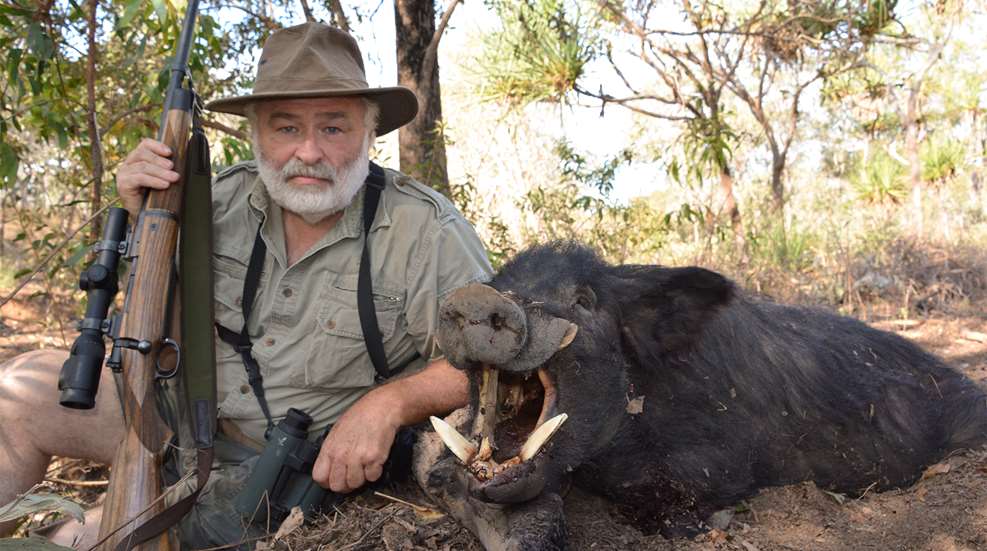
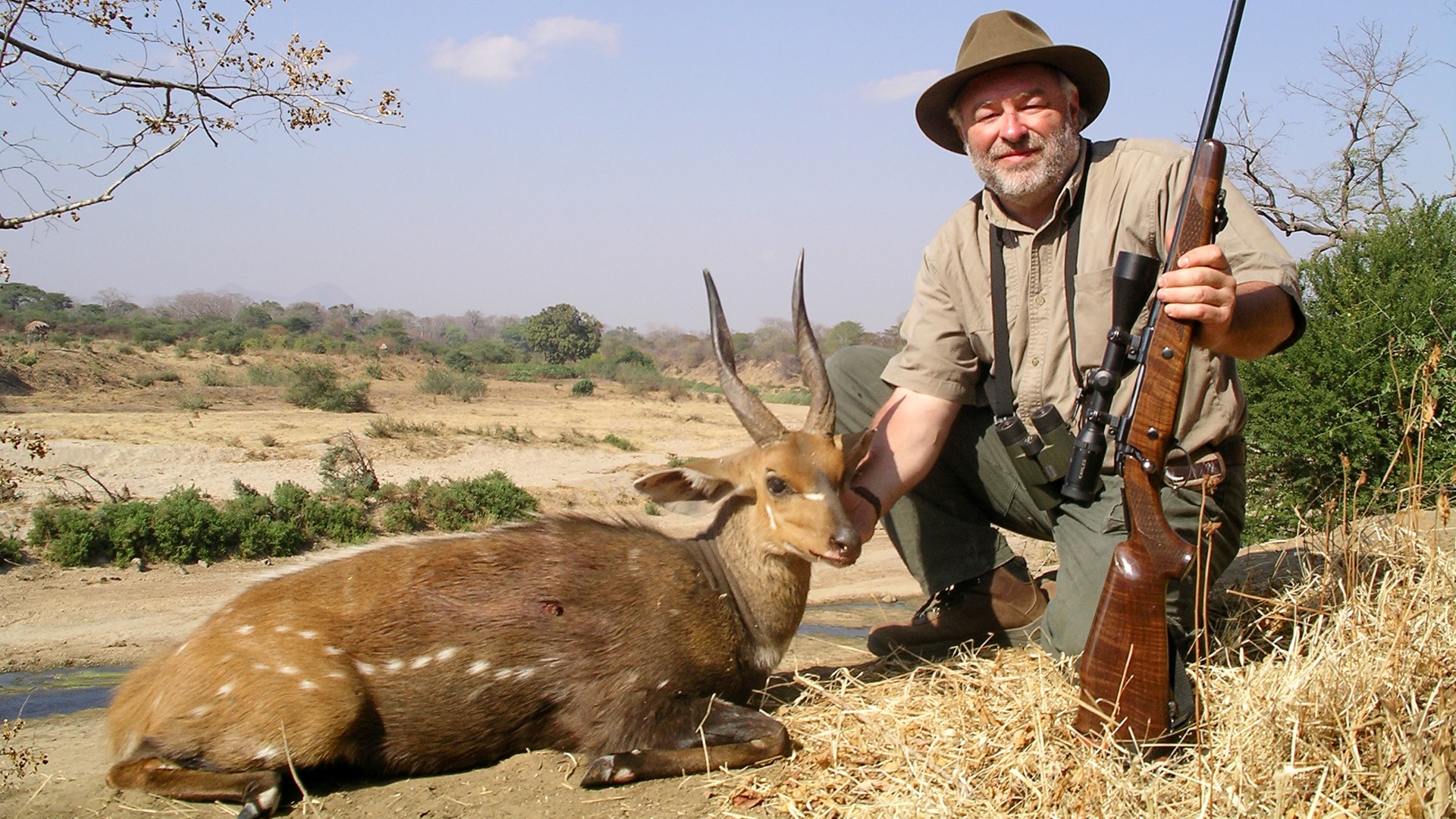
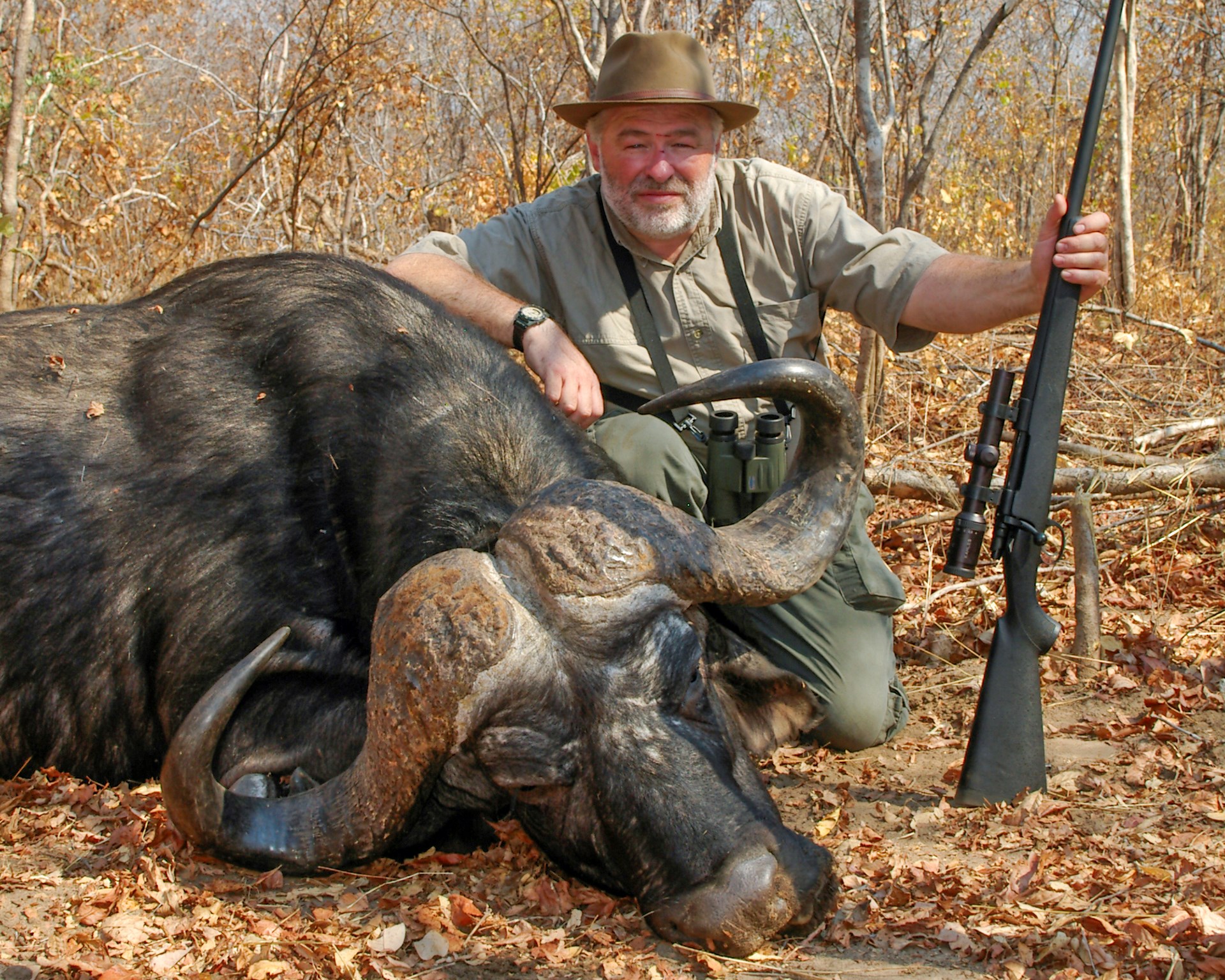
That’s because it ignores a simple truth about big-game hunting: For every critter shot at miracle distances, 50 are shot up close. Probably more. Not just whitetails in the East, but all critters, in every place people hunt. From buffalo in Africa to wild boar in Europe or deer in North America, a lot more of the game I have taken has been with my “short game” than using any long-range skills I might have.
Sure, there have been exceptions: Coues deer in Mexico, pronghorns in Wyoming or even red deer in South America. But counting up my experiences is how I came up with the 50-to-1 ratio.
The short game is where you will probably need to shoot while standing on your hind legs, often with nothing but your arms to support the rifle.
A Fast-Moving Game
The short game typically happens very fast and often with only parts and pieces of the target critter visible. Said critter may well be moving. This all means the shooter will have to act fast.
Take the shot! Don’t wait for a better chance, take the first shot presented. I have been lucky enough to hunt with many of the famous names in the hunting world. The best of the best are very decisive. They appraise the situation quickly and act even faster. They often have a bullet on the way before anyone else even knows what they are looking at.
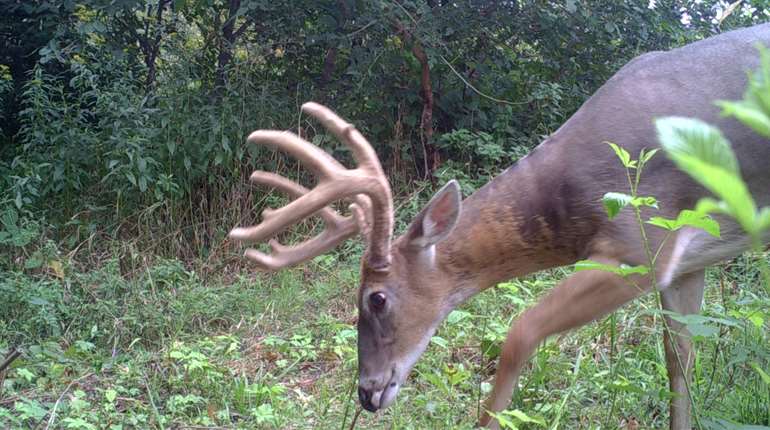
A good example of taking the shot happened to me not far from my home. I spotted a buck and several does working quickly through the hardwoods. I watched a doe pass through an opening and I put my crosshairs on that spot. The buck passed through as well, but I hesitated as it was a tight fit to get the bullet between the trees. Out of the corner of my eye I had seen the same doe go through another, larger, opening, so I moved my scope to there. The buck never showed and just like that they were gone. I could have made that first shot, but I waited for a better chance. “Better” was on vacation that day.
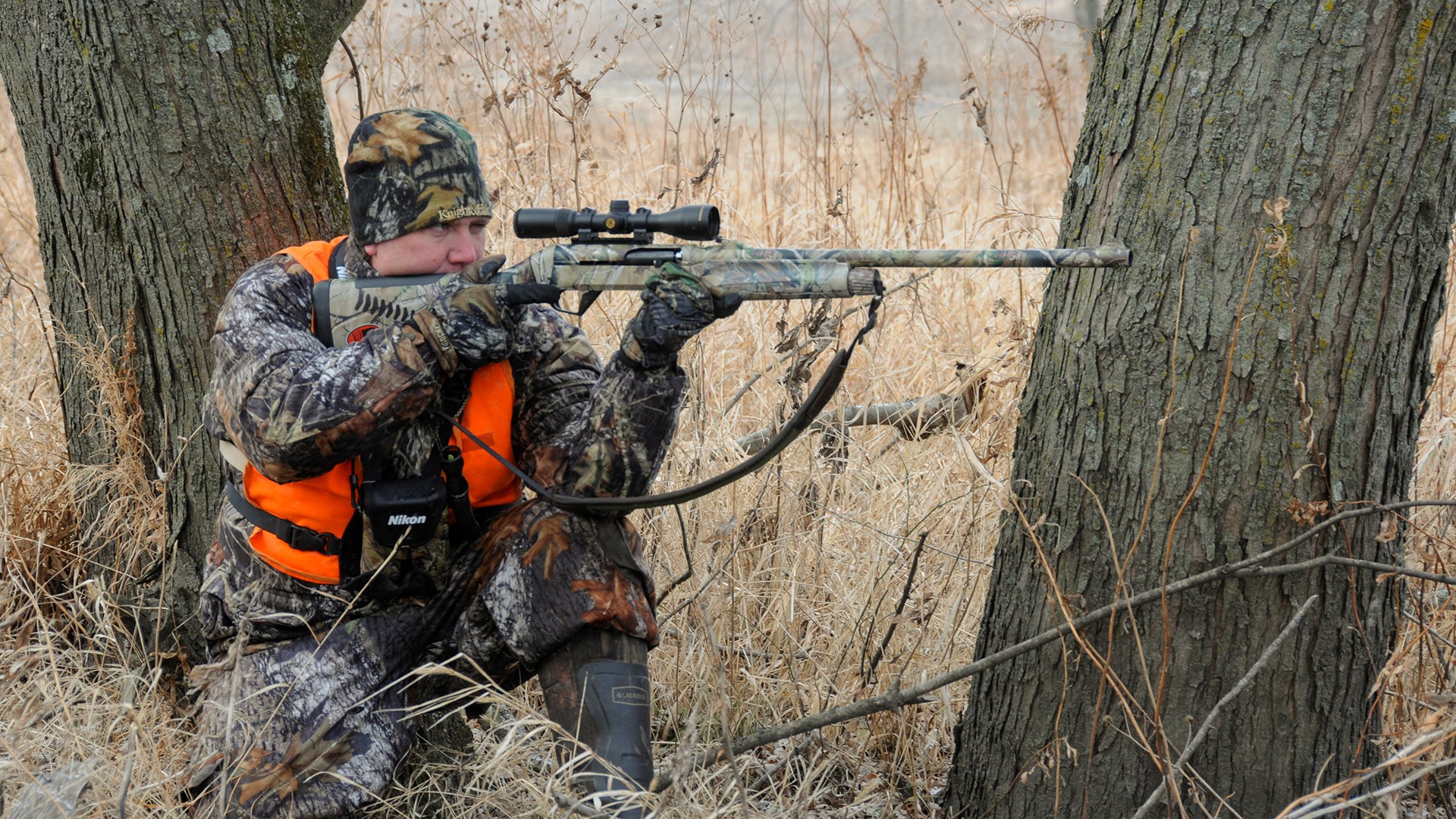 Always hunt with your scope on low power. If the shot is long you’ll have time to turn it up, but if the shot is short you won’t have time to turn it down before the critter moves.
A few years later and on the same mountain I was sitting near the top of a steep ridge when I spotted a flash of deer below me. I snapped the gun to the next opening and a buck emerged. I shot as soon as I knew it was a buck. Of course I didn’t have a stopwatch, but trust me it was a lot less than a second. All I saw was an antler and his neck.
Later I looked back at my red backpack I had left at my stand and was amazed I could see the deer, let alone get a bullet to him. I had taken the first and only chance offered and that chance was extremely fleeting. Tight focus and great optics helped a lot, but the main reason I got that buck was because I had practiced my “short game” a bunch before that hunting season. In this case I was doing a lot of three gun competition, and those skills let me pull off the shot.
Dizzy Dean is credited with saying, “It ain’t bragging if you can do it.” Please indulge me a bit while I brag. Most hunters (including me in many other years) would not have gotten that buck. We had his backstraps for Christmas dinner because I had spent a lot of time and effort working on my short game.
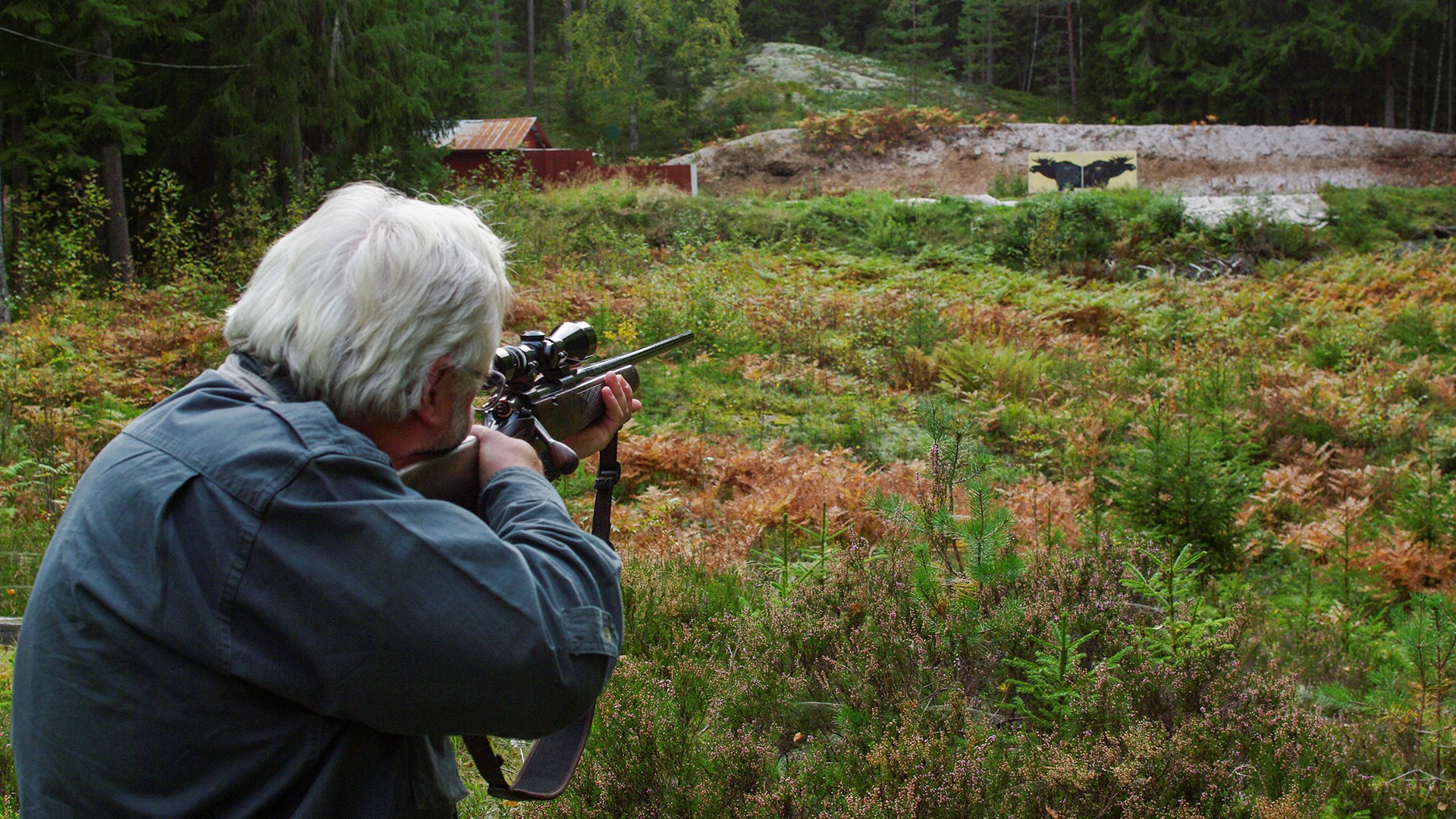 Never neglect to practice shooting offhand during range sessions. In the field, if the shot is longer than you’re prepared to make offhand, you’ll find time to set up with a field-expedient rest like a tree or a knee.
How to Practice
I spend a lot of time at the shooting range, but, like most folks, it’s often practicing what I like to do. That only reinforces the skills I already have. Had I spent more time with fast and relatively close rifle work I might have taken that first buck, which of course was a lot bigger.
I understand competition is not for everyone. It is time consuming and expensive. (Still better than golf … just sayin’.) Practice can be informal as well.
A big part of my livelihood has been testing guns, (pays terrible, but it’s great work if you can get it) for magazine articles. As a result I spend a lot of time at shooting ranges. I almost never see any other shooter working on what I would call his “short game.” It’s a mistake if he is a hunter.
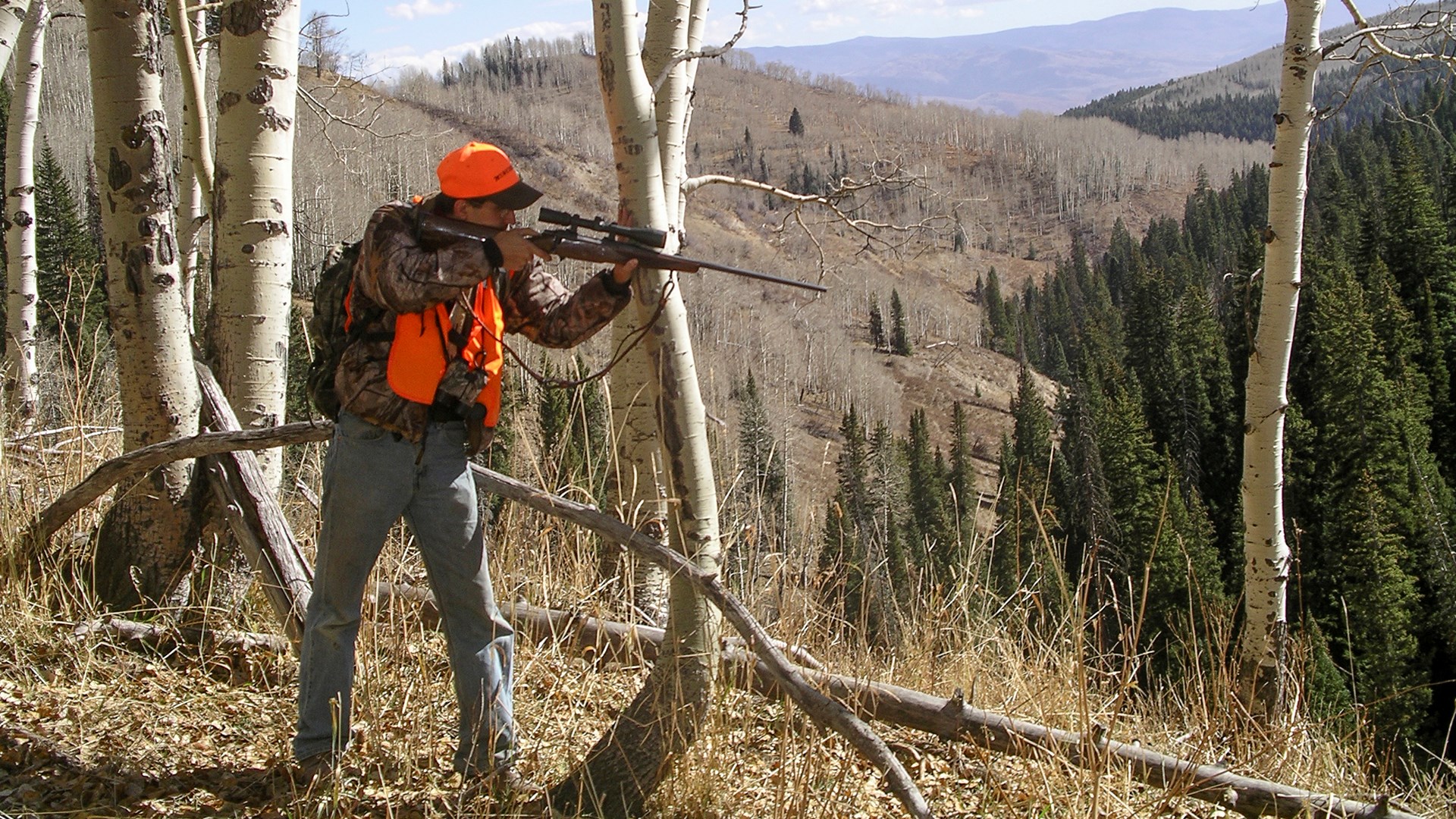
The first and most important thing to practice is shooting your rifle offhand. Get off the bench, stand on your two legs and shoot at the targets. That’s how you build a foundation for the short-game skills you need.
I was at a shooting range a little while ago and another shooter was complaining he had missed two deer last season. I noticed all his shooting that day was from the bench, using a rest. He was pretty good, hitting the 500-yard target almost every shot. He asked for some advice, so I had him stand up and shoot at the 100-yard steel targets. These were pretty large targets, but he missed them all. When it was my turn, I had a good day and I did not miss any I shot at.
“How did you do that?” he asked.
“The same way you get to Carnegie Hall,” I said. “Practice, practice, practice.”
I am not a creature of habit, so I won’t say it’s every time, but usually when I am working at that range I end the day with some offhand practice.
Here’s one drill I like. I choose five targets, often the five largest, but not always. Then I’ll load five cartridges in my rifle and try to hit them offhand as quickly as I can. If I get all five, on the days my brain is working, I stop, put the guns in the truck, take the win and go home. If I miss, I try it again until I get all five. Sometimes it takes several attempts. Some days I just get frustrated and go home with the miss(es) eating at my psyche. That one actually sticks in my gourd and makes me mad enough to work harder the next time.
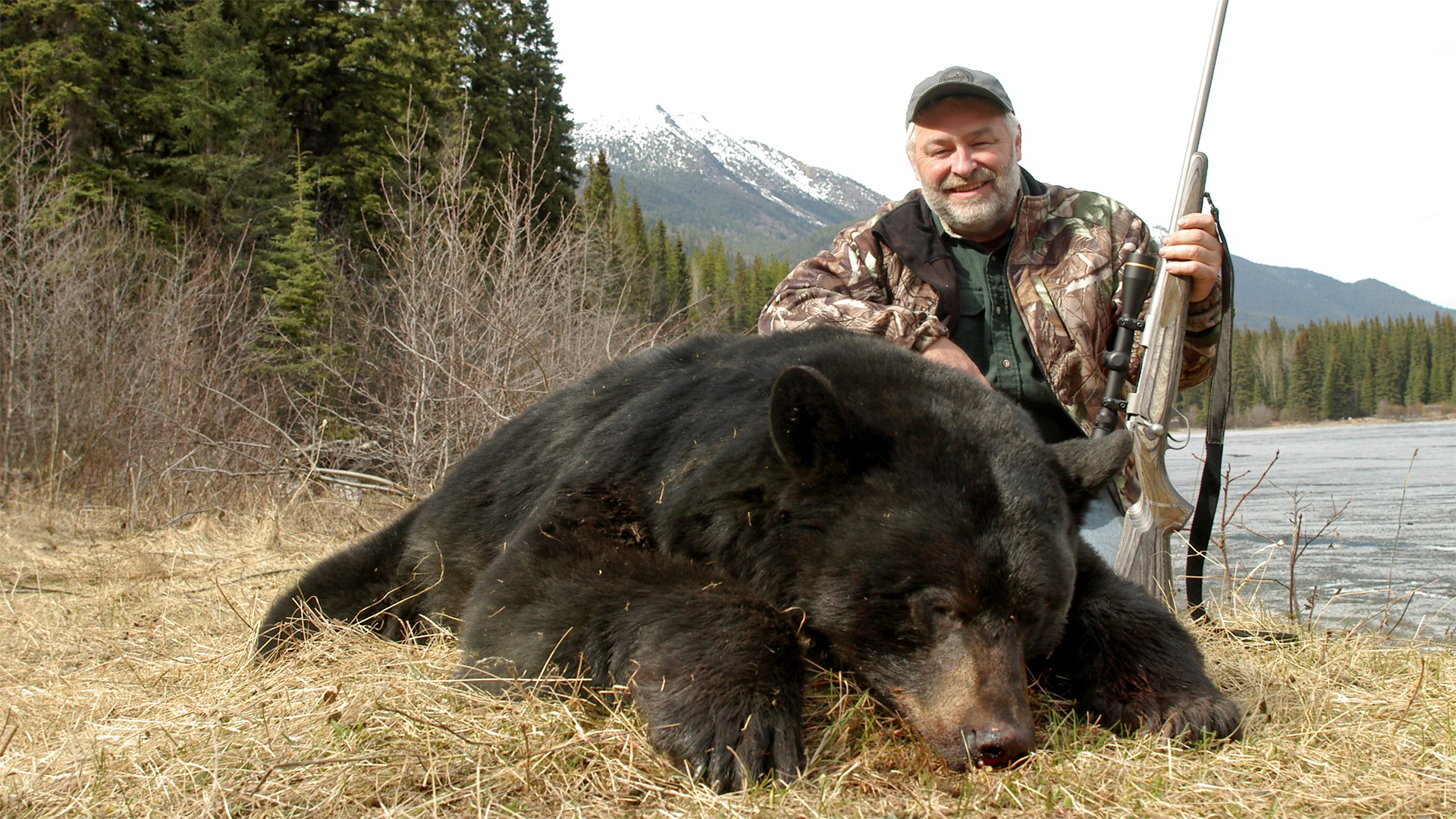
In reality it takes nothing more than a little bit of time and a few cartridges. But, after doing that multiple times before hunting season I build some skills I will probably need: offhand shooting is one, obviously, but also faster target acquisition and faster gun work. As my skills improve, I move to smaller targets. The smallest one at my home range is just 2 inches. That’s a challenge at 100 yards when shooting unsupported. With practice anyone can learn to hit it often enough to prove it’s not an accident.
It doesn’t need to be a formal range with commercial steel targets. Even paper will work, but I much prefer reactive targets so you know instantly if you hit or missed. Clay pigeons work great. Or save your plastic water and soda bottles and refill them with water. They make outstanding reactive targets. Just remember to clean up the mess before you go home.
This alone will help a lot with the short game. But it can become boring (might as well play golf, right?). So expand things. Use your imagination (I know you have one, or else you would have golf clubs instead of a rifle.)
For example place five reactive targets in five different locations from very close to very far. How far is up to you. Spread them out horizontally if there is room. Then try to get them all, close to far, with one shot each. Or shoot far to close. Or zig zag, closest, then farther, back and forth, Or even have your buddy call a target and you try to hit that one. You might up the ante to 10 targets so you need to reload. That one will induce the fatigue factor, which makes the last targets more difficult. Or shoot single-shot, building empty rifle feeding skills.
This is always best if you use a shooting timer. They are relatively inexpensive, and there are timer apps for your phone. With a timer you can measure your progress as you build the skills.
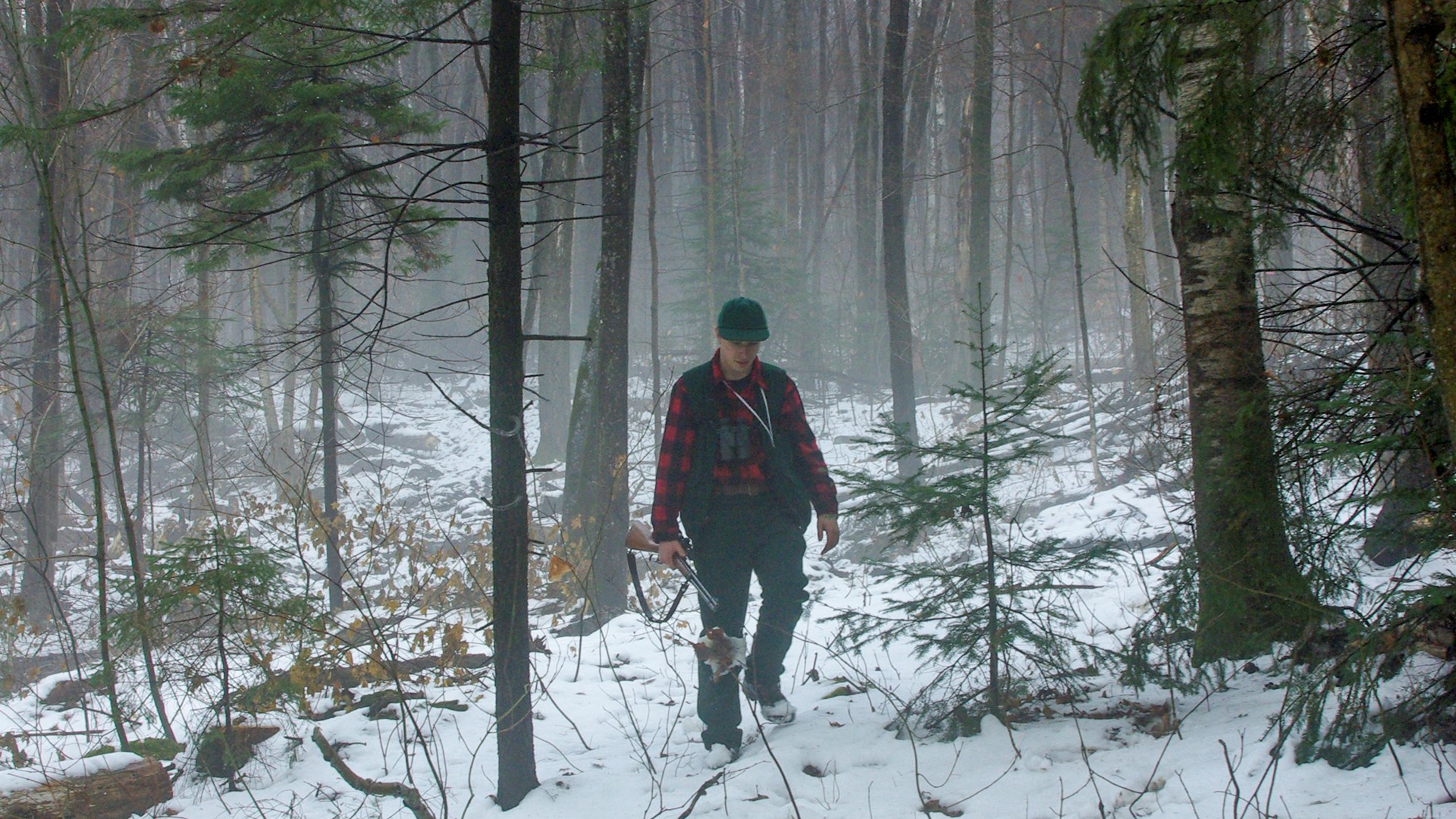
If you have a place where it’s safe, try a woods walk where you go down the trail shooting at targets on either side. Have your shooting pal place them ahead of time so you don’t know where they are and you must find the target before you shoot. Change it up so that you need to use different shooting positions. Or run 50 yards first so you are breathing hard when you shoot.
You will want to work on the various positions, including positions that are not in the book. Often hunting involves shooting from weird and offbeat angles or stances. The goal is to be able to shoot from any position or angle required without having to think about it. If you are tangled in a fence, or one foot is stuck in a bog, or you have a toehold on the steep bank you are climbing, no deer will wait while you get comfortable.
Work, too, on finding a rest, fast and easy. Even for the close game, it’s best to use a rest when you can. It’s often better to take half a second to lean against a tree before you shoot than to shoot unsupported, but it must be fast. A lot of animals owe their continued existence to nimrods who puttered too long trying to find a place to rest their rifle. The key is to be fast, be decisive and keep movement to a minimum.
Other Plays
We should talk a little bit about equipment. Keep your adjustable scope turned down. If the shot is close, you may not have time to turn it down. If it’s a longer shot, chances are good you will have time to turn up the magnification. Or you can just shoot with the lower power.
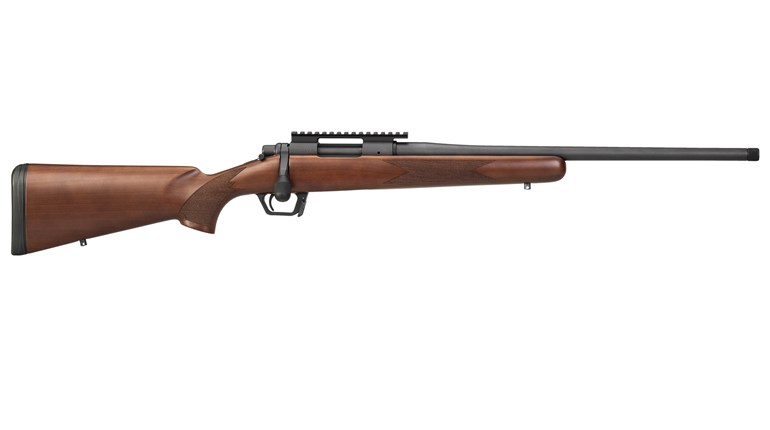
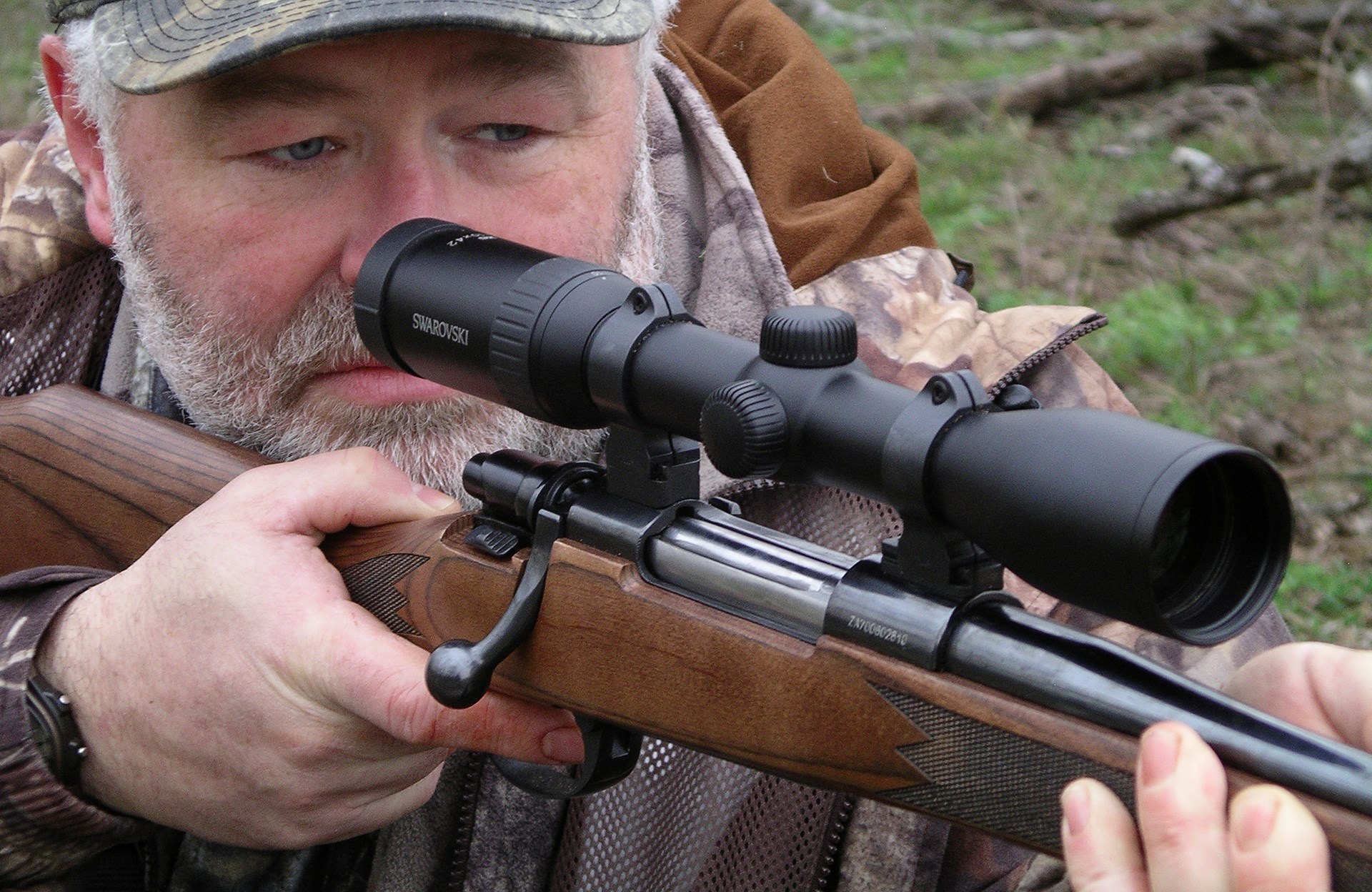
Use a rifle that fits like a shotgun. When you throw the gun to your shoulder you should be looking at the sights, not for them.
Use a gun with a length of pull that fits your body style. A gunsmith can help make adjustments to a gun you may own. Also, a lot of new guns come with adjustable stocks. The comb should put your eye in line with the optical center of the scope. You should never be moving your head around the stock searching for the sight picture.
In my neck of the woods, the Northeast, “see through” scope mounts were popular for a while. They set the scope up high and provide an opening beneath it so you can use the iron sights as well. That makes no sense. If you want to use iron sights, use them. If you want to use a scope, don’t have it waving around above the gun so you need to stick your head up like a snapping turtle. It’s far better to mount the scope as close to the barrel as possible. This helps in two ways. It’s much faster to line up with your eye. It also has a closer view of the trajectory the bullet will travel. In close situations you are often looking through brush at pieces and parts of the animal. If your scope is stuck up high you are looking down a different path than the bullet is going to travel. That means the bullet may well hit a branch. If you are looking at the same path, or as close to the same path as possible, it’s easier to find a hole where you can thread a bullet through to your target.
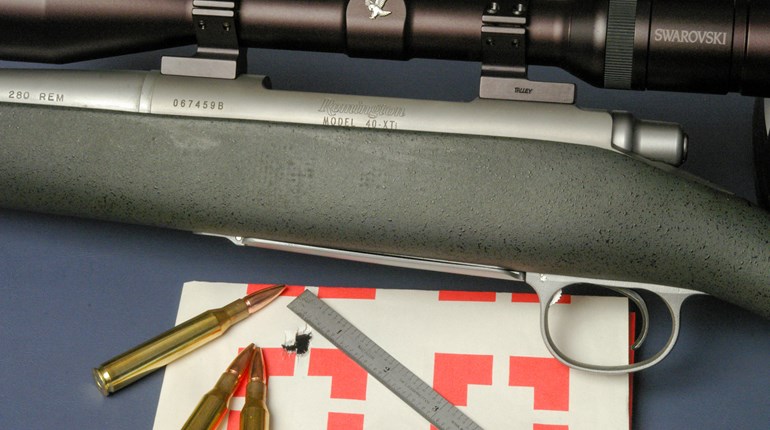
On that point, use a zero that works better for close shooting. I see hunters zeroing their rifles 3 inches high at 100 yards, maybe because O’Connor advised that and, also, maybe because the younger guys want to be long-range snipers. Either way, the bullet takes a different path to the target than the scope is showing. It’s far better to use a 100-yard zero. That way the bullet is never more than 1.5 inches above or below the line of sight from zero to about 150 yards or so, depending on the cartridge. This lets you thread the bullet through the brush and to pinpoint your bullet placement.
A word on bullet placement, as it comes up all too often these days. I have always said that if you think you have total control over bullet placement, you have probably not hunted much. Things in the real world are much more dynamic. You must shoot at what you can see, and the critter probably will not pose exactly as you request. You might be required to shoot at something other than that magic circle right behind the shoulder. Or the animal might be moving. No matter, in the real world you often must compromise. The truth is, sometimes, too, the shot doesn’t always go exactly where you planned.
The trend these days is to use smaller and smaller cartridges. I don’t understand why. So you can brag about it? Or is it because low testosterone has you scared of powerful cartridges? This might work with a perfect shot. But, perfect doesn’t always show up.
If you insist on using inadequate cartridges, it’s better to prove your skills on the shooting range with targets that don’t run off wounded.
With that in mind, I believe you should pick your cartridge and bullet not for the perfect shot but for the worst-case scenario. You don’t need a cannon, but pick a rig that will usually penetrate fully though the critter you are hunting with the bullet exiting with lots of energy remaining. That way it will wreak havoc all the way through.
Then practice until you master that gun. Recoil is not as much of a factor as you might believe with most “adequate” hunting cartridges and a well-fitting rifle. Shooting will show you that.
The long and short of all this is that not only will you have fun shooting but the odds of filling your tags next fall will increase exponentially.