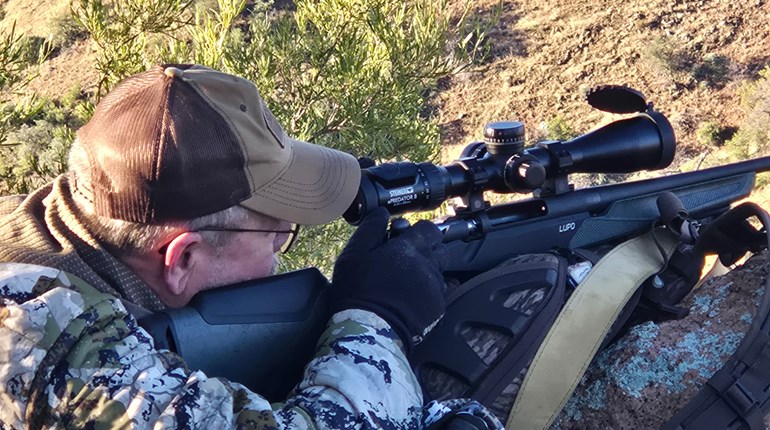
The woodchuck poked his head up above the row of squash with that devilish, veggie-raiding half-grin on his face, knowing another feast was about to begin. This was a wily one, who could seemingly feel your presence—and the minute he felt anything less than comfortable he was gone. Thrice the blue jays alerted him to a foreign presence, so we decided to back off quite a bit, though it limited our view. It wasn't long before the Prince of Peppers raised his head, allowing the opportunity to end his raiding days, and the .17 Hornet did just that. A 20-grain V-Max created the red mist, and I winked at my father as I hauled His Majesty back toward Dad’s back porch. “I could’ve made that with the HMR …” And so the father/son cartridge debate rages on.
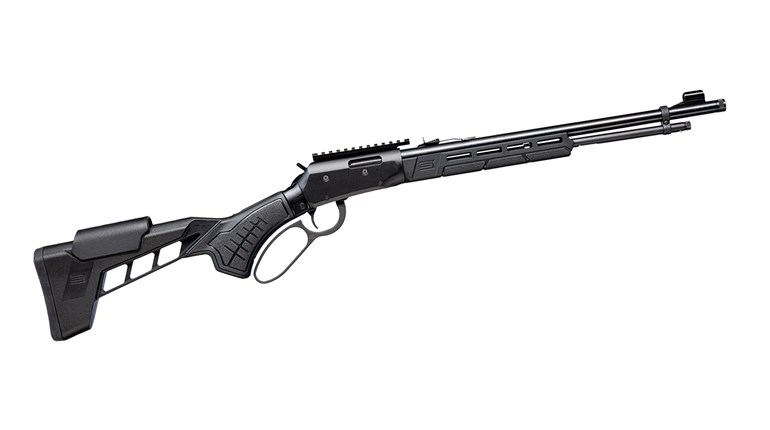
Ol’ Grumpy Pants and I each have our favorite cartridges, and both of us are vocal about our choices. These days he’s using mostly smallbores to protect the garden and his beloved chickens, so that’s what we debate at the Land Surveying office. His choice for most work is a Savage bolt gun in .17 HMR, while I’m enjoying a Ruger in .17 Hornet for varmints and smaller predators. Dad enjoys the simplicity of grabbing a carton of rimfire ammo, while I prefer the positive attributes of the centerfire design, and so the argument goes on.
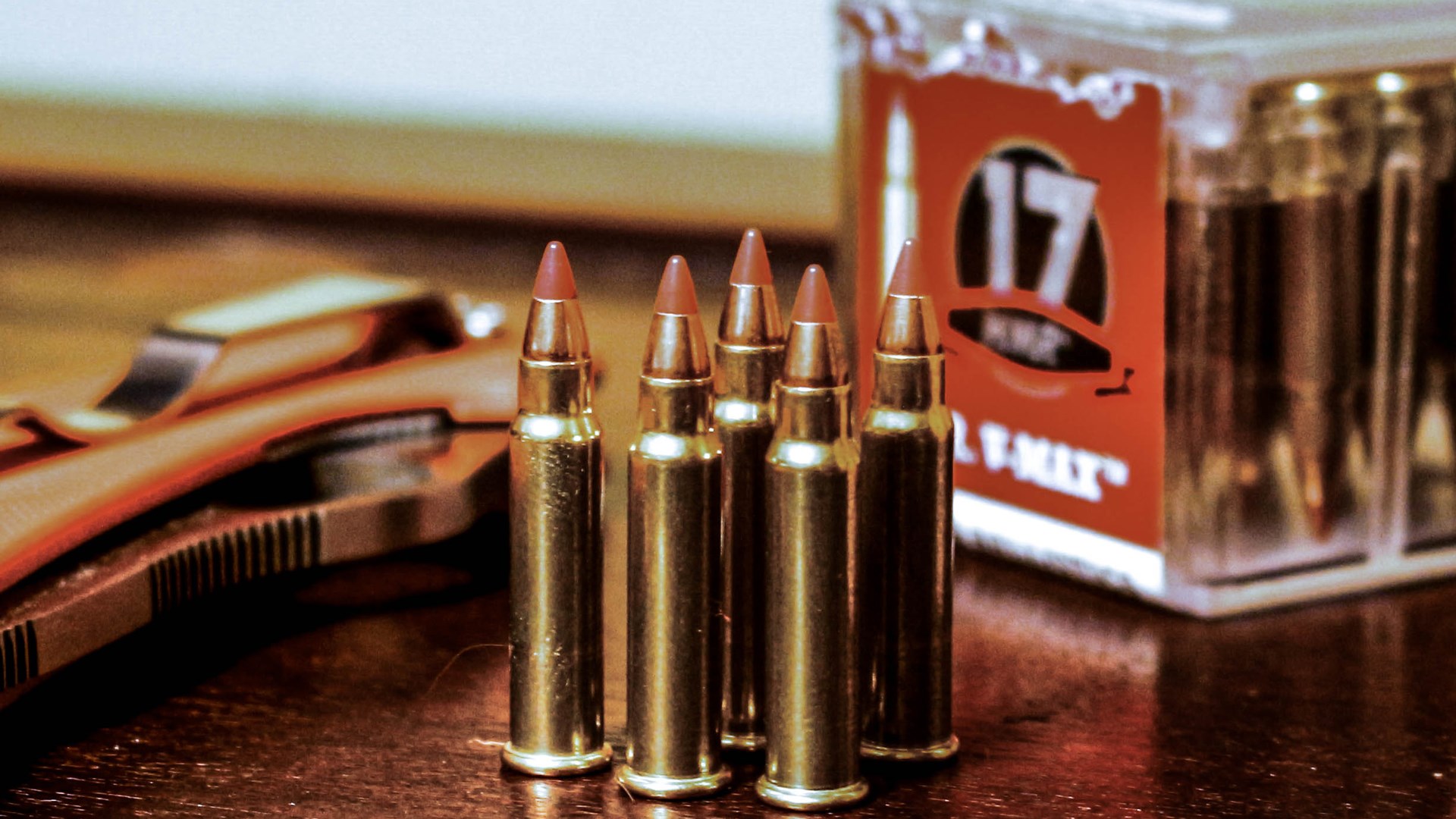
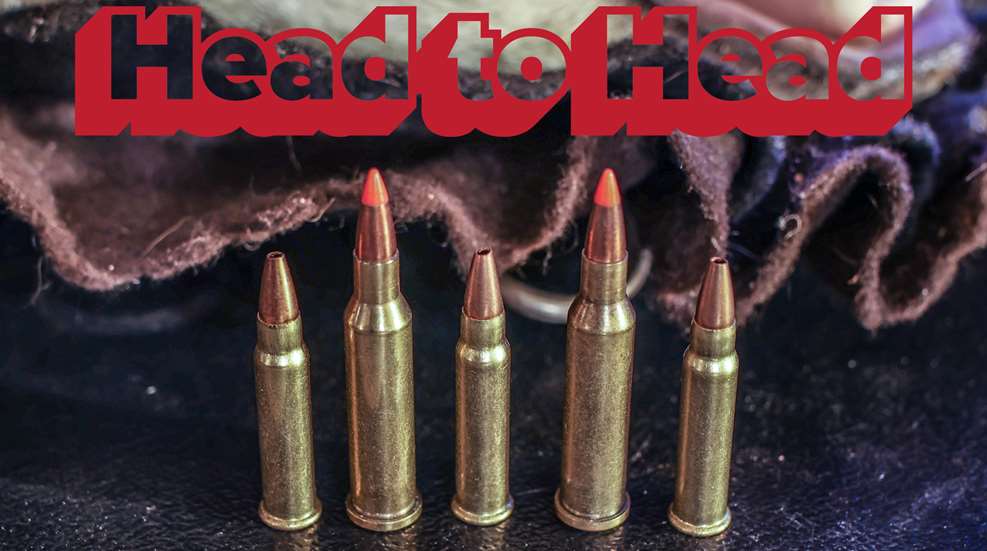
Now, I am well aware of the fact that this is a bit of an apples-to-oranges Head to Head comparison, but many hunters who are looking to break into the .17-caliber cartridges have these two at or near the top of their list. There are other options—the .17 Remington, .17 WSM and .17 Mach II come to mind—but the .17 Hornady Magnum Rimfire and the .17 Hornet are both middle-of-the-road in the velocity department, and are readily available. Let’s see which of these two might best suit your needs.
The .17 Hornady Magnum Rimfire was brought to market in 2002, using the .22 Winchester Magnum Rimfire case, necked down to hold .177-inch-diameter bullets. The case maintains nearly the same length as its parent—at 1.058 inches—so the existing magazine and receiver dimensions were easily employed. Driving a 17-grain polymer tipped bullet to over 2,500 fps, the rimfire world was set on its ear, as we’d not seen a velocity of this magnitude since the short lived 5mm Remington Magnum Rimfire. With a 150-yard zero, the .17 HMR can be used out to 200 yards without much trouble, though that bullet doesn’t retain a whole lot of energy at that distance. I have found that in a well-built rifle the .17 HMR can be a wonderfully accurate, making it a good choice for the serious squirrel hunter who insists on headshots. Inside of 100 yards, it has the goods to take most varmints and smaller predators, though a big bodied coyote might pose an issue.
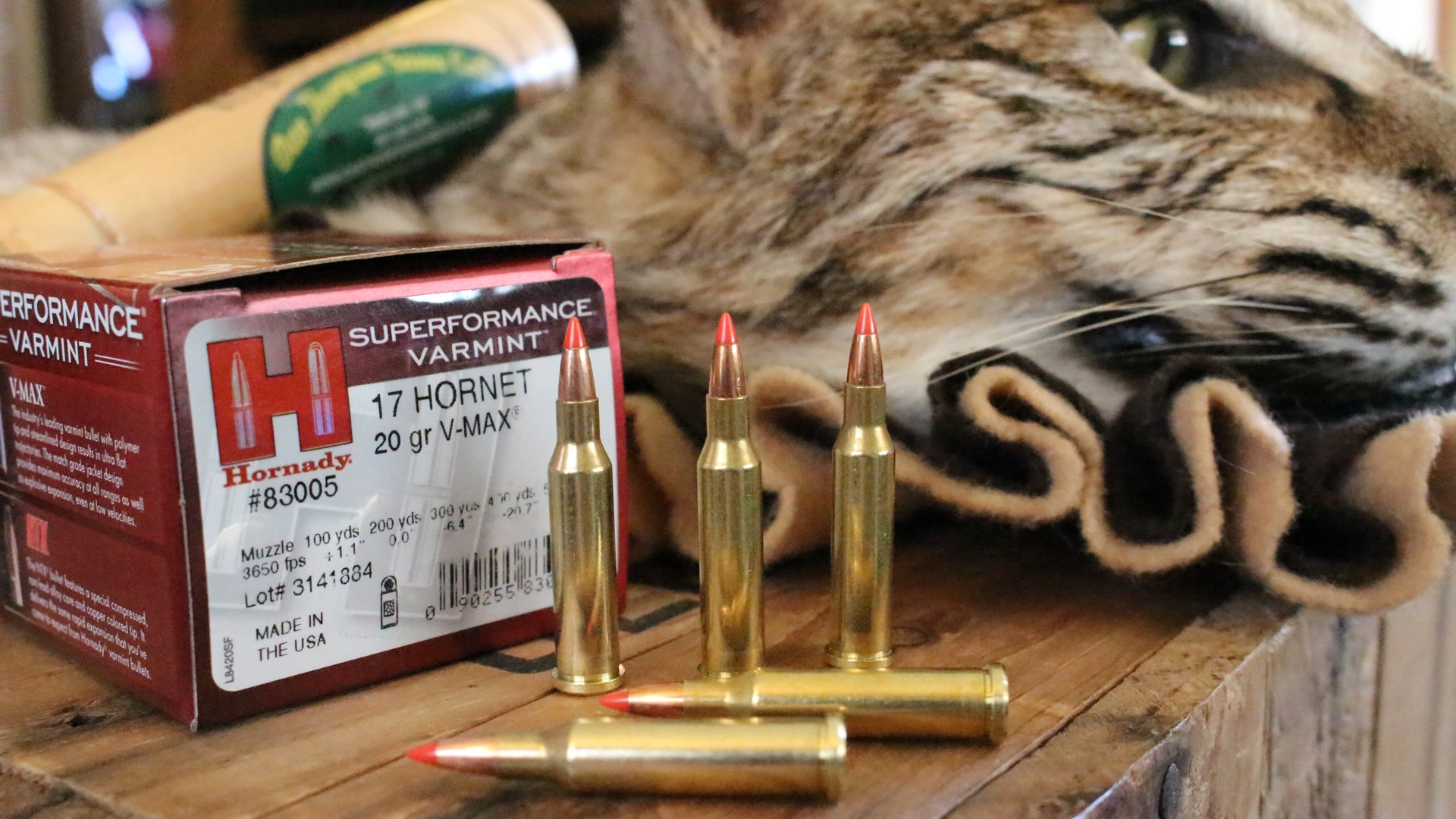
The .17 Hornet can trace its origins back to the efforts of renowned gunsmith and ballistician P.O. Ackley, who took the revered .22 Hornet centerfire cartridge and necked it down to hold the .17-caliber bullets. Having swaged his own bullets for his wildcat .17 PeeWee, it wasn't long until the master tinkerer gave his famous “Ackley Improved” treatment to the .218 Bee and .22 Hornet. While the Ackley version sported a 30-degree shoulder, the SAAMI-approved Hornady variant (approved in 2012) uses a 25-degree shoulder, though the cartridge headspaces off the rim. The .17 Hornet uses a slightly shorter case than the parent .22 Hornet (1.350 inches and 1.403 inches, respectively), though both have the same cartridge overall length of 1.723 inches. Hornady loads a 20-grain bullet at 3,650 fps, giving a 1,000 fps+ advantage over the .17 HMR. Sparked by a small rifle primer, the .17 Hornet is reloadable, giving a bit of flexibility.
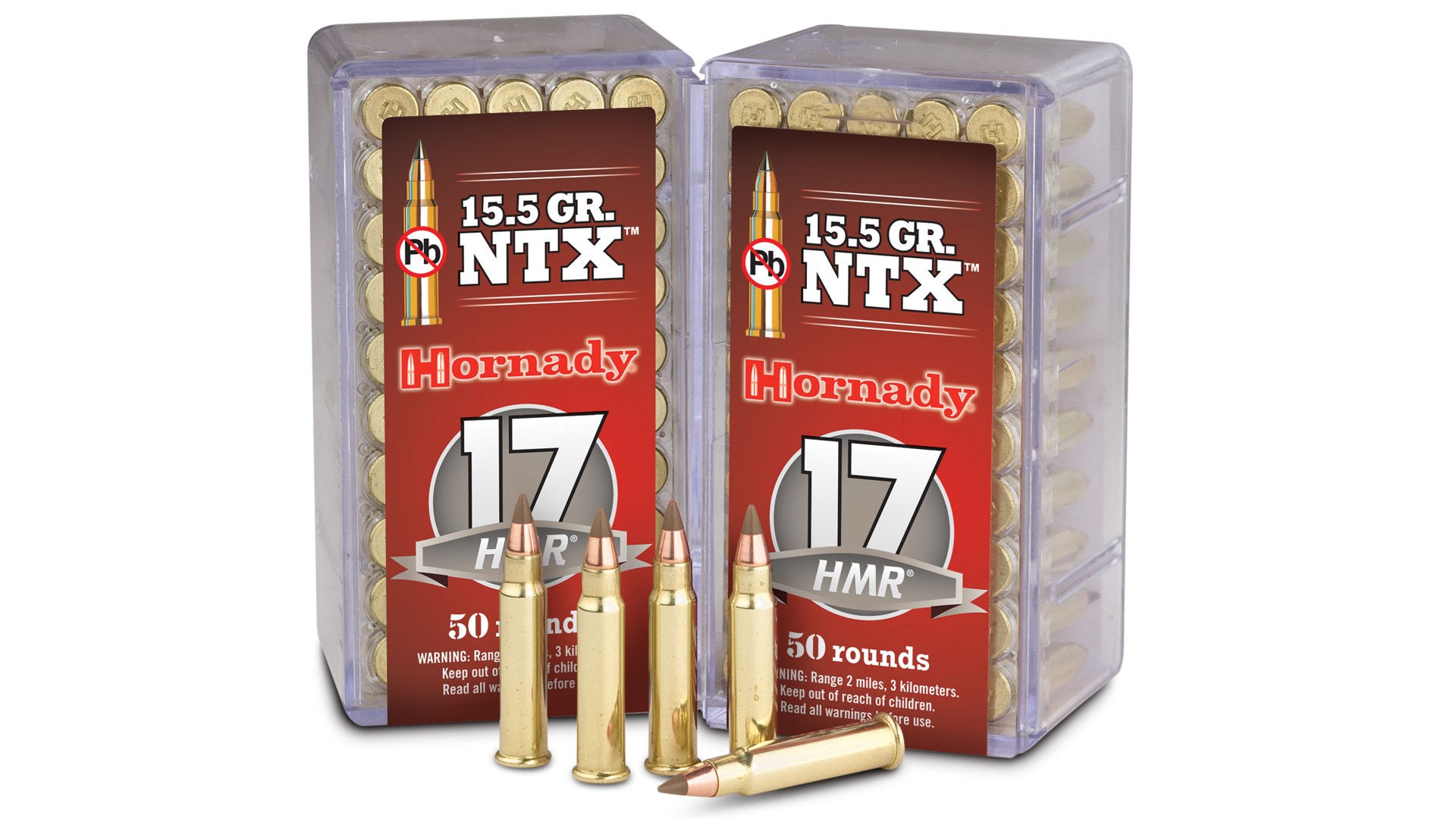
Choosing between these two will come down to three major points. First, at what ranges do you do most of your shooting with a cartridge of this class? If all your shots are inside of 150 yards, the .17 HMR makes sense, as the mid-rise won’t be more than 1.5 inches. The .17 Hornet can be used much farther, as the additional velocity makes this a 300-yard cartridge. In fact, the 17 Hornet has more energy at 200 yards than the .17 HMR has at the muzzle, The Hornet’s trajectory mimics that of the .300 Win. Mag., as a 200-yard zero will see a drop of 6.4 inches at 300 yards, and just under 21 inches at 400 yards, though at that range the 20-grain bullet only has 132 ft.-lbs. of energy.
Second, does cost matter to you? The .17 HMR—with many more loads to choose from—will range between $0.27 and $0.38 per round, depending on brand. The .17 Hornet, with only three loads I can find from the major manufacturers, comes at a higher price point, ranging from $0.94 to $1.45 per round. If you are a high-volume shooter, be it at steel or prairie dogs, the .17 HMR presents the better value, but the next point proved to be the tipping point for me.
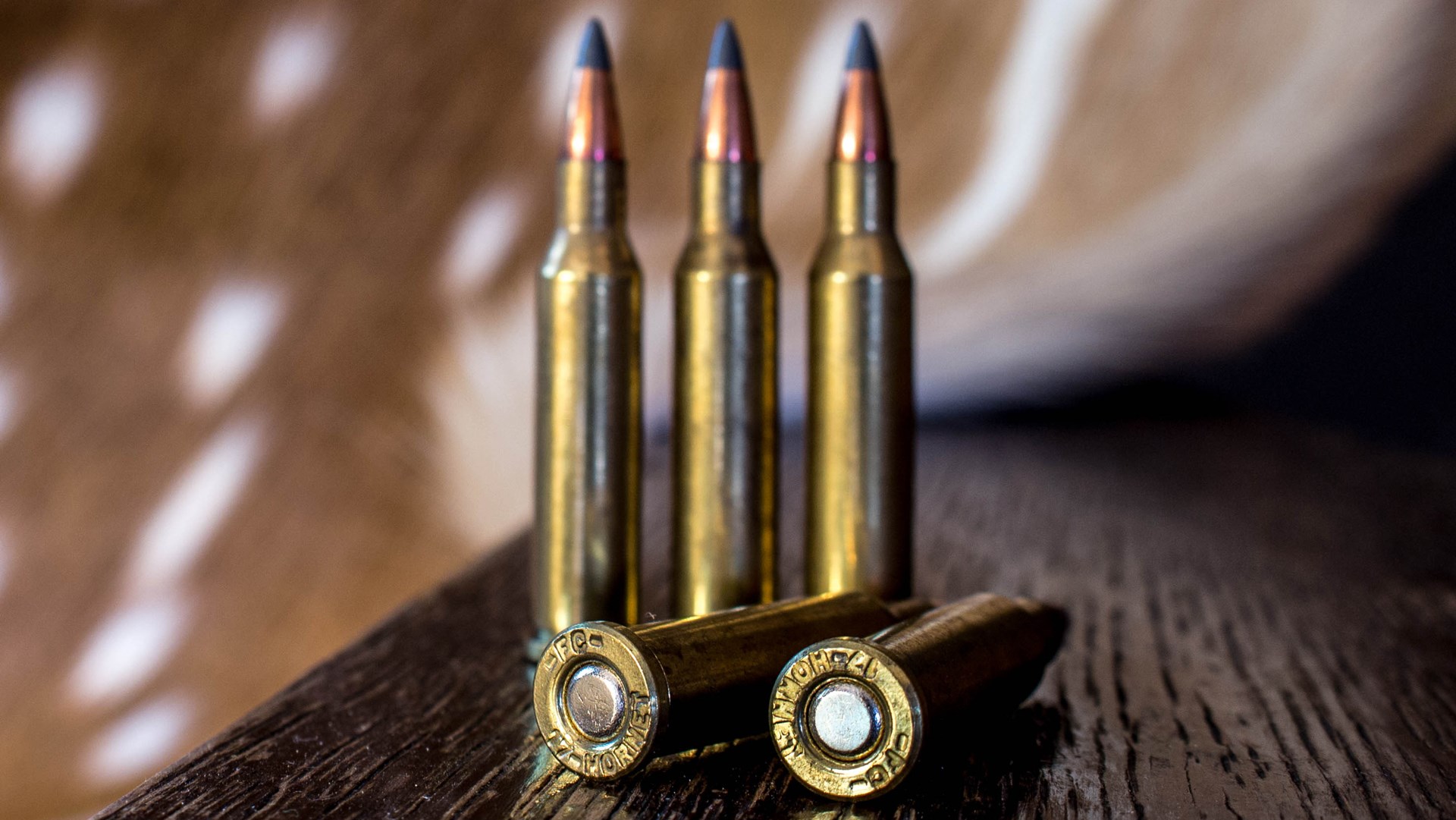
Third, does the centerfire matter to you? I am, and always have been a reloader. Hell, I’ve even reloaded a .22 LR. So, the fact that I can easily reload the .17 Hornet made that my choice for a .17-caliber rifle. The cartridge doesn’t seem to be as finicky as the .17 Remington, nor nearly as rough on brass, and is plenty accurate for all of my needs. If you don’t reload, the ease and convenience of grabbing a handful of rimfire ammunition might make the .17 HMR very appealing, or just keeping a healthy supply of factory ammo for the .17 Hornet may check the box for you. But I like knowing I have the option of reloading my ammo, should the cartridge fall out of favor and factory ammo dry up. There are plenty of .17-caliber component bullets and powders like IMR 4227 and IMR 4198 give excellent results. For these reasons—the flatter trajectory, the ability to load my own ammo, and the increased striking energy—I chose the .17 Hornet over my father’s beloved .17 HMR.