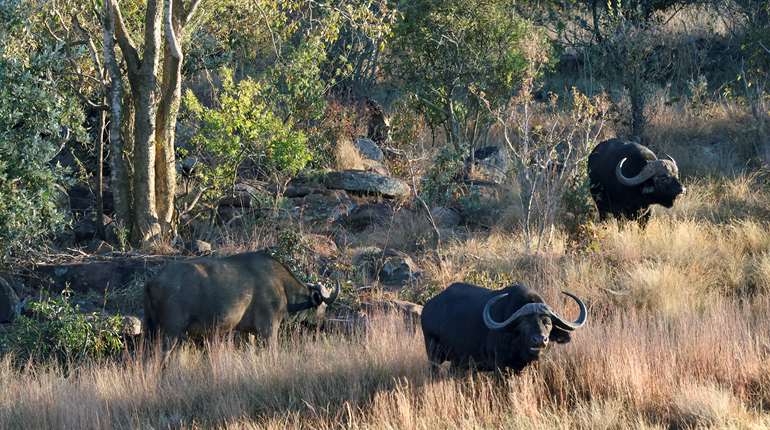
Hunting, whether by animals or humans, has shaped our ecosystem for millions of years in ways we are still discovering today. While modern humans have been circling the sun for quite some time, animals, insects and other organisms in their various forms have inhabited Earth for much longer. Naturally, there are only a set number of resources to go around, which in turn creates a hierarchy of who sits on top of the food chain and who is generally left to battle it out with those who lie beneath. The predator-prey dynamic that is ever-present in the animal kingdom is quite fascinating, and we, as humans—more specifically, outdoorsmen—who consider hunting one of their top passions, can learn a great deal from simply observing the natural world unfold. Just as this dynamic prompts animals to evolve into more efficient hunters or better defenders, we, as hunters, can also evolve. Lessons learned from animals, both in our local area and around the world, can help us further develop the methods we use to pursue wild game, resulting in greater success, filled tags and meals to share with those who joined us along the way.
Styles of Predation
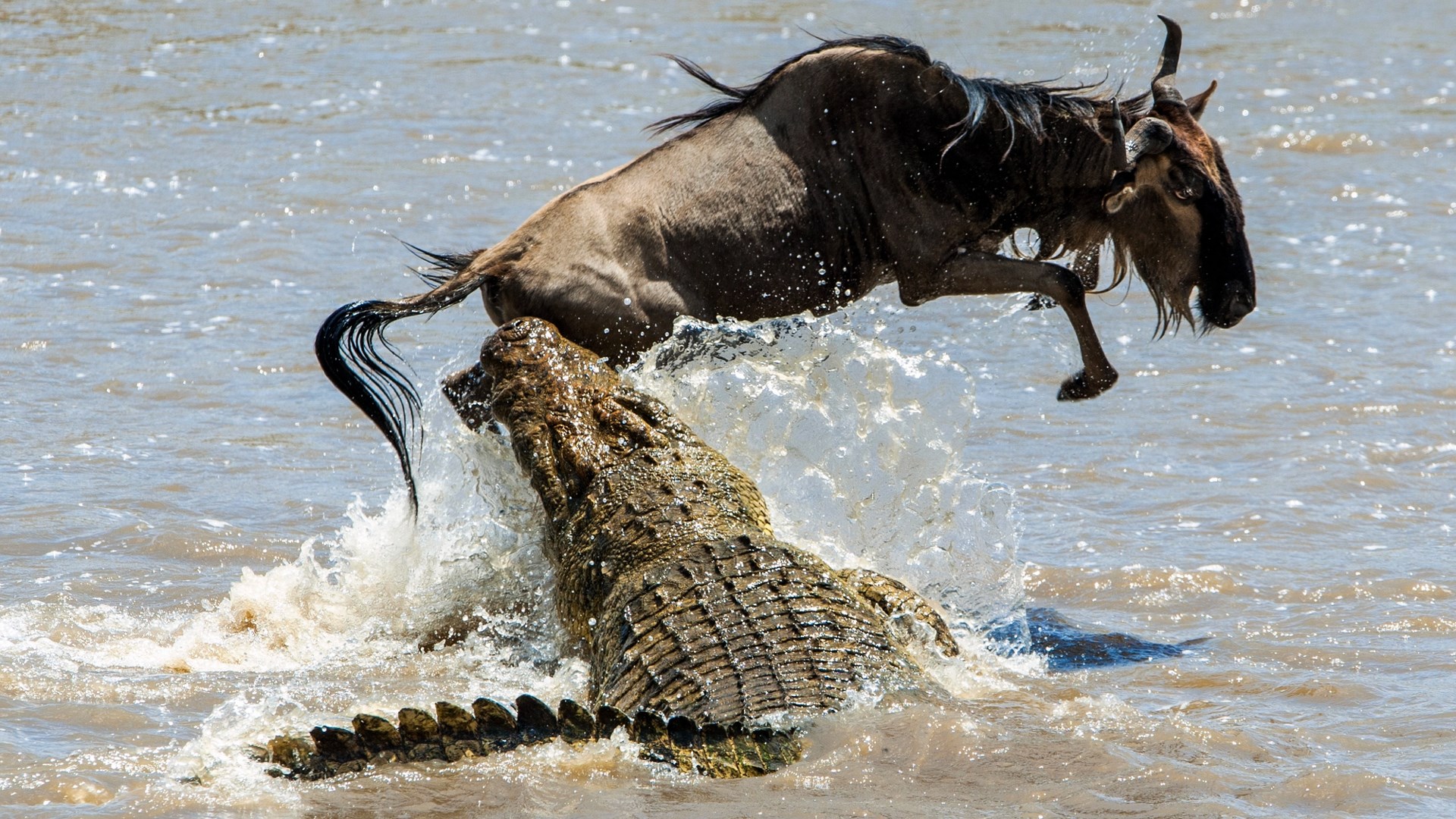
The first predation method is the ambush, where predators use an energy-saving "sit-and-wait strategy against their prey. Remaining still and motionless, they lie in wait for just the right time to attack. Crocodiles have seemingly mastered this hunting method, using it during adulthood when opportunities for a larger meal arise. Remaining ever so calm just beneath the water’s surface, they wait until a thirsty animal, such as a zebra, antelope or other unfortunate victim approaches the water’s edge for a drink. As the animal is distracted, the crocodile attacks, dragging its prey beneath the water and sealing its fate with its infamous death roll. Patience, combined with the element of surprise, is key to this method's success.
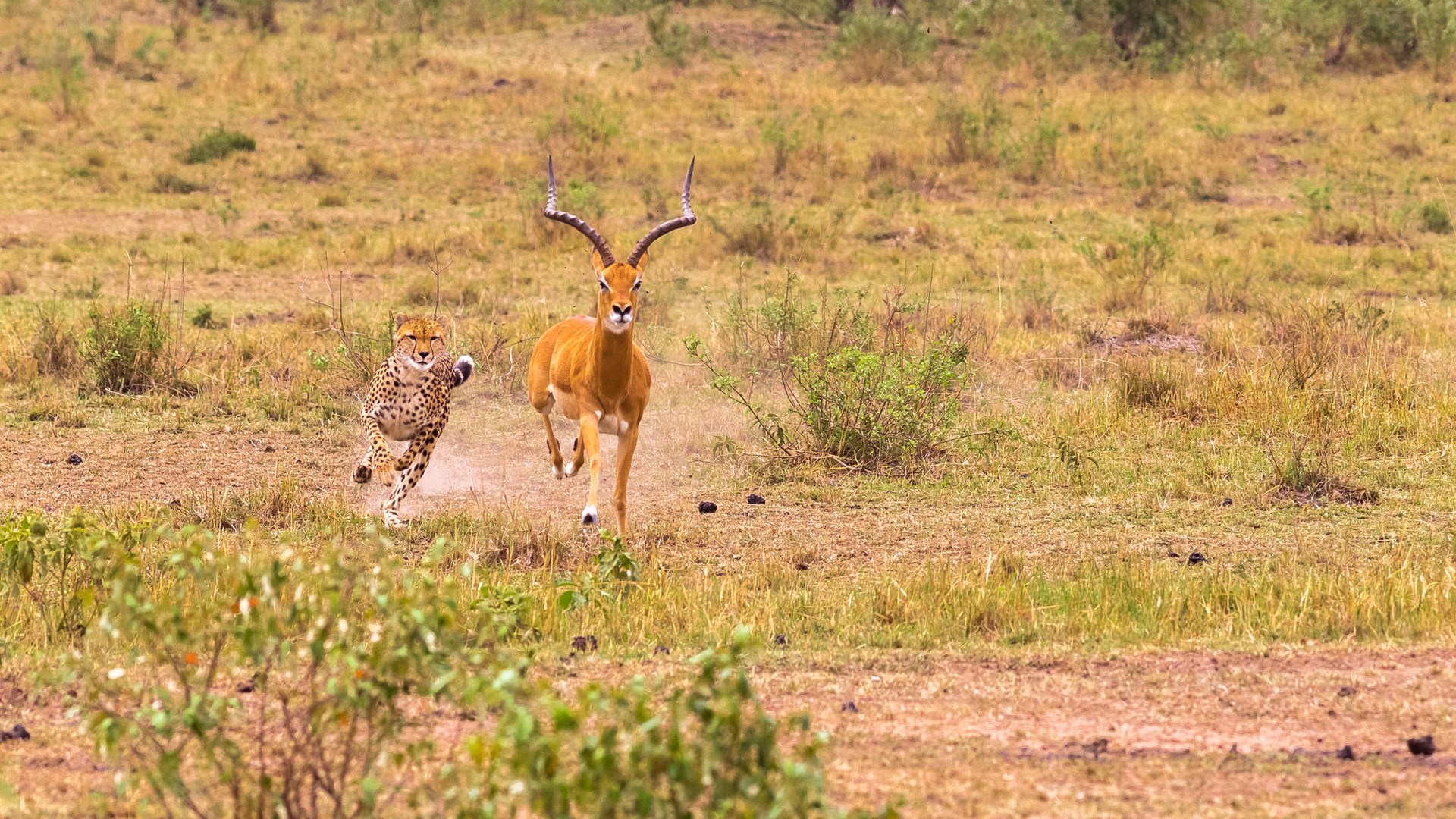
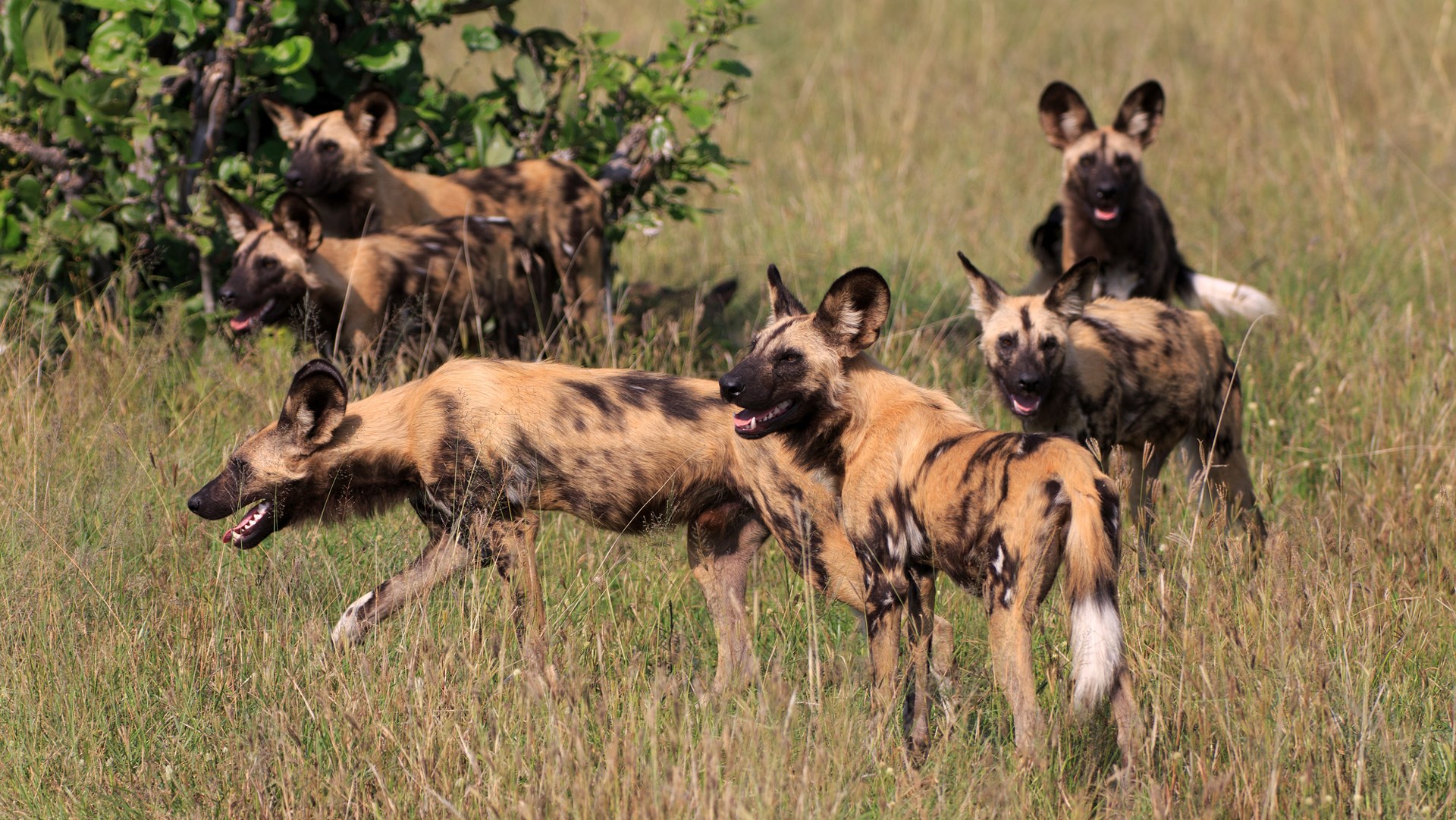
The second method of predation is that of pursuit. Predators that use this method rely on their sheer speed and impressive endurance to chase down prey. Animals such as cheetahs, hyenas and wolves are prime examples of masters of the pursuit. Having evolved, they have developed musculature, bone structure, eyesight and outright intelligence that allow them to chase down and eventually overtake their prey. One example of this method is when a cheetah chases down an unfortunate gazelle at speeds of up to 70 miles per hour. Another example of a play on pursuit predation is that of African wild dogs, which will simply wear down an unsuspecting impala or springbok, using their extremely high endurance to chase prey for miles. These pursuits may be done solo or as a group, as is often the case with a pod of orcas or a pack of lions.
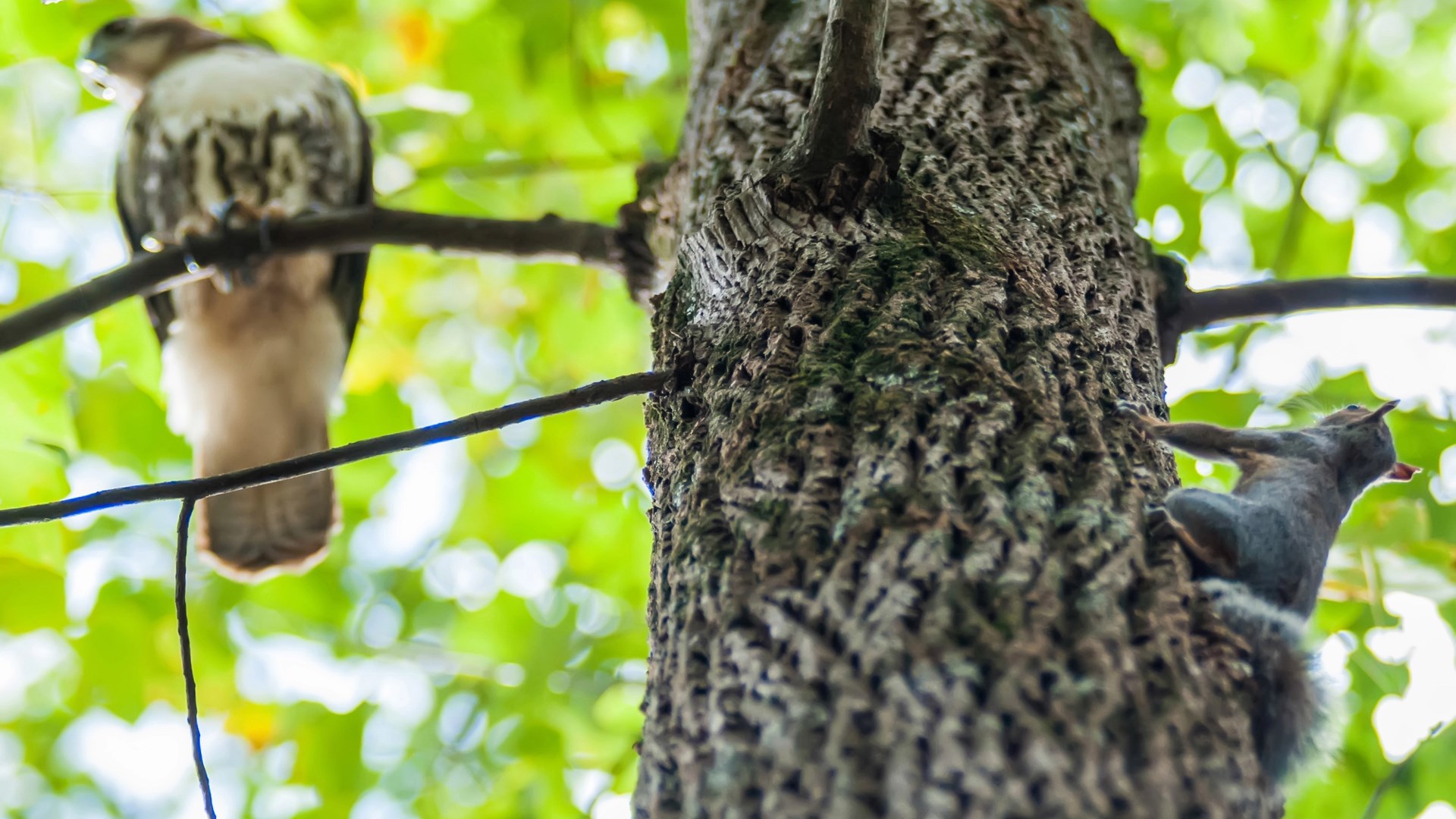
There is a subset of predators that use a one-two punch combination of both ambush and pursuit predatory methods. Animals such as leopards will use surprise tactics, ambushing nearby prey, such as a gazelle. If their ambush falls short and the gazelle happens to get away, the leopard will follow in pursuit. Here is where the prey has a slight edge over the predator. If the gazelle has enough of a lead, its endurance will outlast that of the leopard, thus allowing it to live to see another day. If the gazelle were young, injured, or skipped leg day at the gym, the pursuit would unfortunately play out quite differently!
Predator Strategies Utilized by Hunters
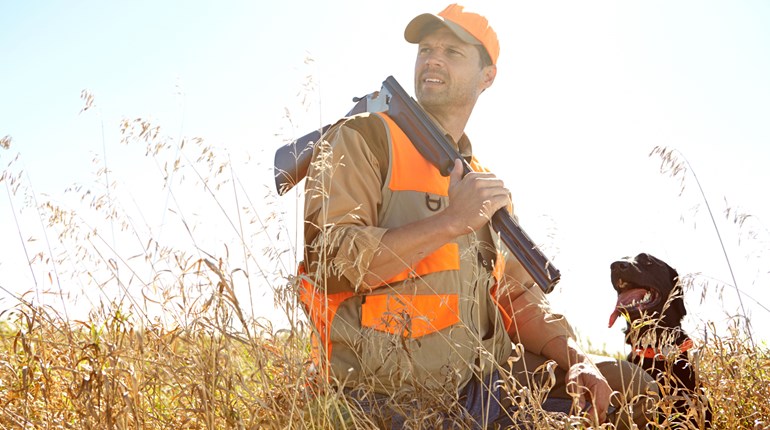
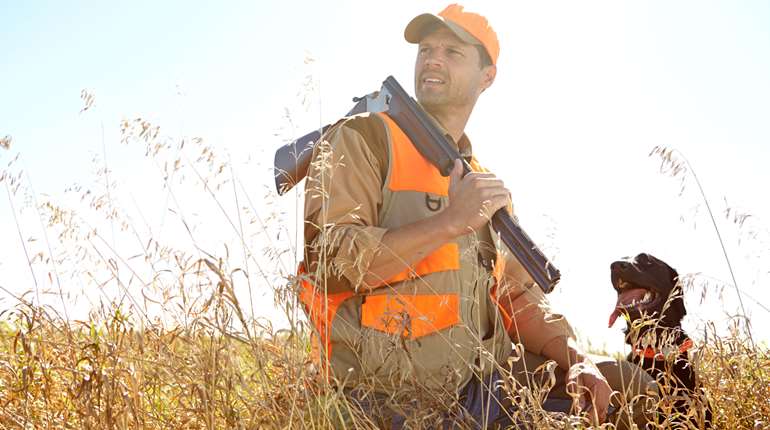
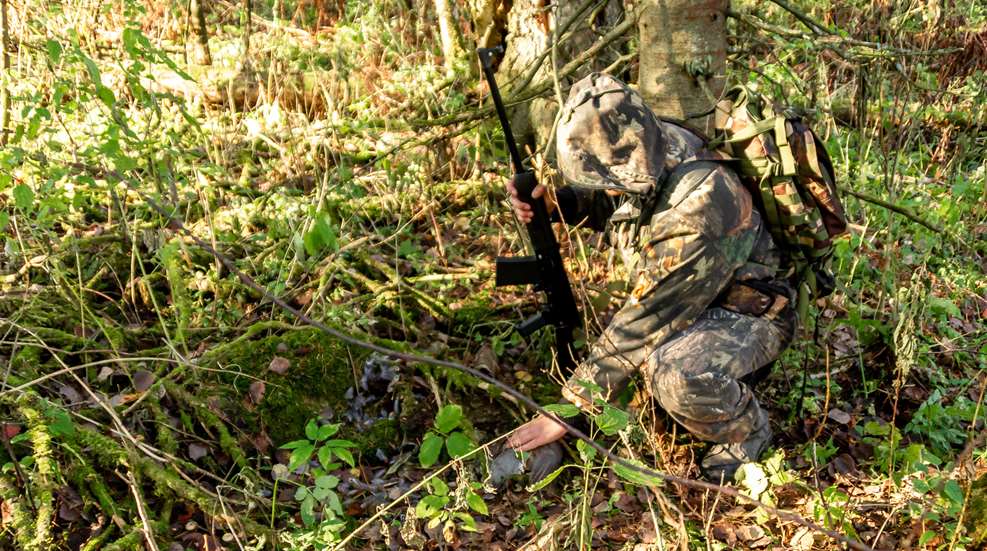
Understanding how the predator–prey dynamic plays out in the animal world provides us with a wealth of knowledge and insight into their behavior, patterns, and everything else that has enabled them to rise to the top of the food chain. Not utilizing similar methods during the applicable season only puts hunters at a disadvantage. Most hunters already utilize these methods without realizing it. If you have ever hunted from a ground blind, tree stand or similar manner of concealment, you’ve been using the same element of surprise method as the Nile crocodile mentioned previously. Perhaps you prefer a more immersive hunting experience, and instead of remaining hidden and tucked away, you set off on foot. Still-hunting and spot-and-stalk methods require you to be fully immersed within the animal's environment, working towards it until close enough to take the shot. This method is essentially the slower, human version of the cheetah chasing down its gazelle. Although more popular in certain parts of the world, general preference or tradition keeps driven hunts alive and well. This style of hunting often brings together both hunters and specialized hunting dogs, working as a team to harvest wild game such as fallow deer, pheasants, and rabbits.
The Importance of Understanding Prey Behavior & Adaptations
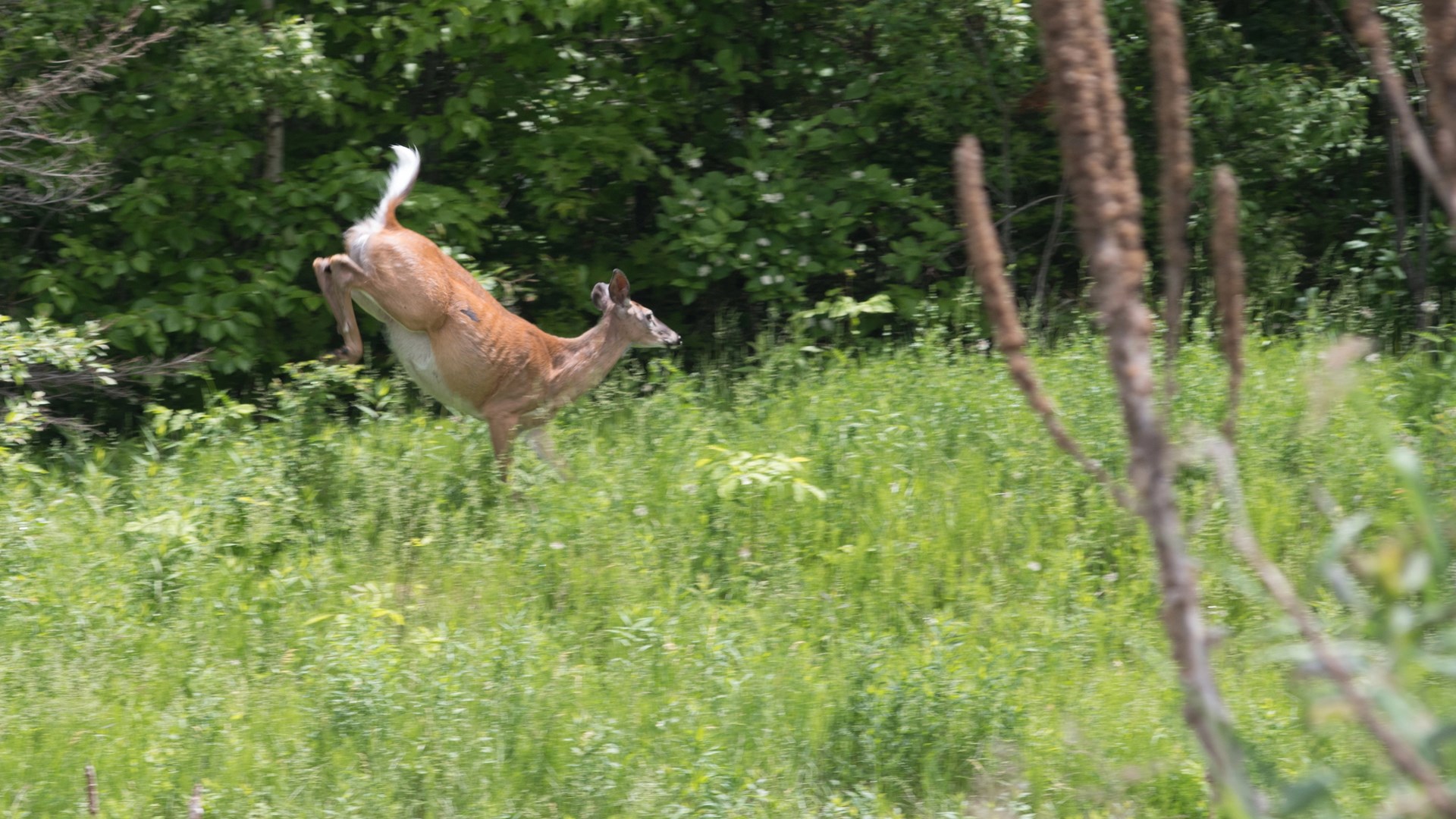
As hunters, it is essential to understand the role we play in the predator-prey dynamic when pursuing our target animal. On the same note, it is just as important to understand the behavior of the prey we seek, as this understanding allows us to predict patterns in behavior, travel, feeding and other key aspects of their general nature. Questions to ask oneself may include: What noise does the animal make when it is threatened? When threatened, how does it retreat? Where does it retreat? Does the animal simply freeze in place when detected? Understanding these reactions (or lack thereof) provides valuable insights we can use to our advantage as hunters. Not only that, but we can learn ways to avoid things that might alert the animal to our presence, or what actions you can take after accidentally spooking an animal on your hike. Avid deer hunters have undoubtedly heard the saying, "If she blows, she's got to go." Nothing will have you silently cursing ground cover or a hunting buddy more than the loud snapping sound of a twig breaking as it is stepped on, unable to be seen in the darkness. If you've seen this happen during daylight hours, you'd most likely notice that a deer's first reaction is to freeze, raise its head and quickly assess potential danger nearby. Instead of cursing your hunting partner and continuing to walk, you must freeze in place, and if able, even drop to a knee or lean slightly to put a tree between you and the deer. By eliminating all movement and avoiding eye contact, you're preventing the deer from going into full-on alert mode, blowing that tell-tale alert as it bounds away, signaling all its herd-mates to run. With some self-control and a healthy dose of patience, there’s a good chance you’ll be able to trick the deer into thinking it was a false alarm. Another fantastic example of how hunters can learn from prey animals is how they are alerted to nearby predators, specifically what they look for and what catches their attention. While an animal may not see hungry predators nearby, it will often sense, in one way or another, that something is "off". One example of this is by solid outlines butting up against an otherwise “broken up” background. Breaking up an outline, whether it be that of a ground blind, tree stand or even the clothing you wear into the woods, will go a long way in helping you blend seamlessly into your background. While it is easier with clothing, blinds and stands can use some extra help, which is easily achieved by incorporating natural materials into your setup to meld your gear with the surrounding natural elements.
Animals are here today through a series of evolutions that continually allow them to evade even the cleverest of predators of both four-legged and two-legged varieties. These evolutionary instincts result in behaviors that we, as hunters, are fools not to take advantage of. Educating yourself on an animal, its habitat, behaviors and how everything relates to the predator-prey dynamic will provide many things, with two standing out as clear winners. The first is that you are guaranteed the most well-rounded approach to hunting that you will ever experience. The second is that once you, as the predator, have harvested your prey, you will have a much deeper appreciation for the animal and all that your successful hunt provides and symbolizes.