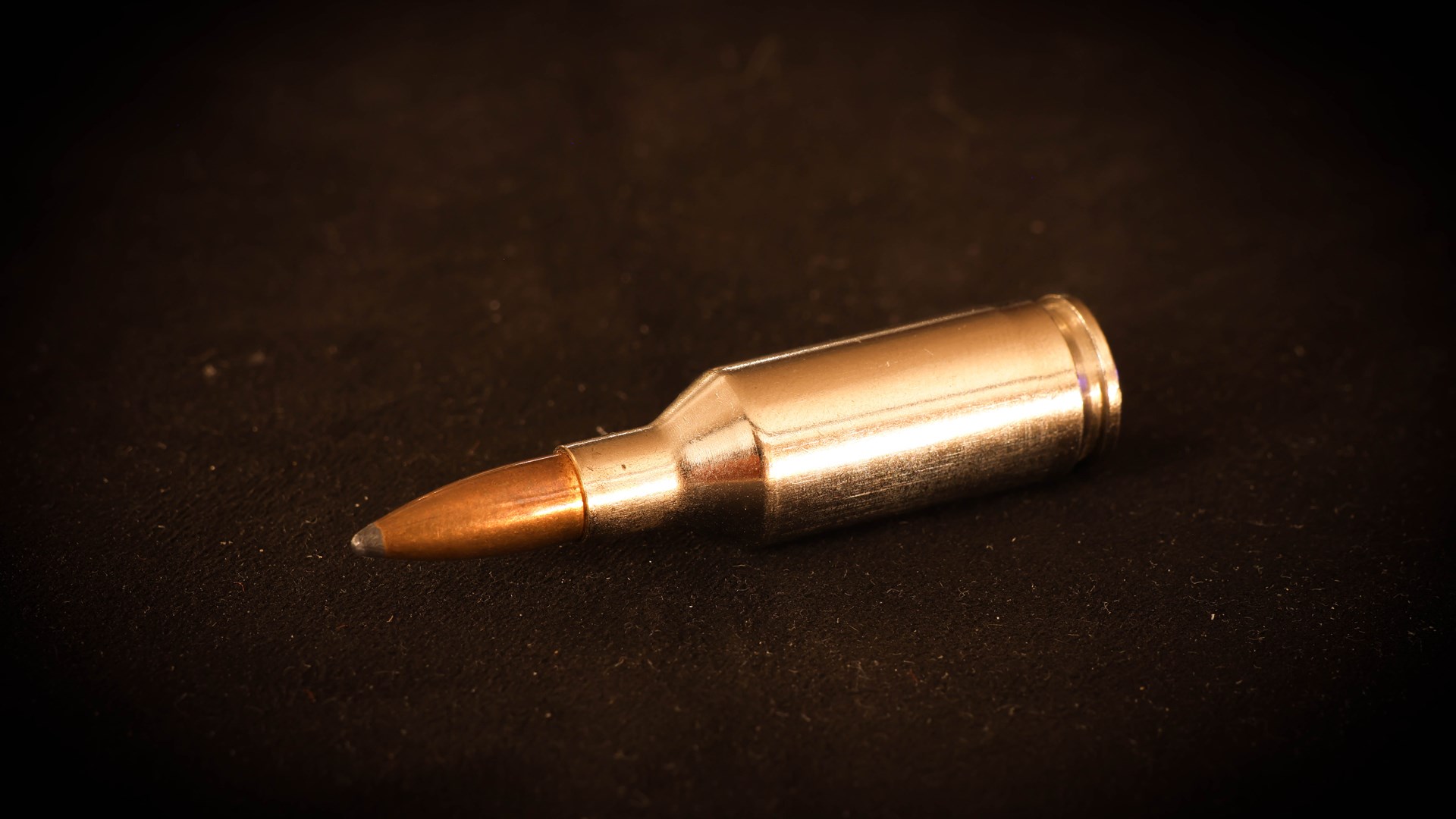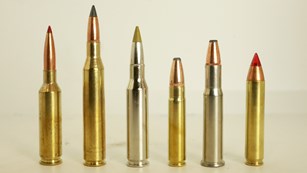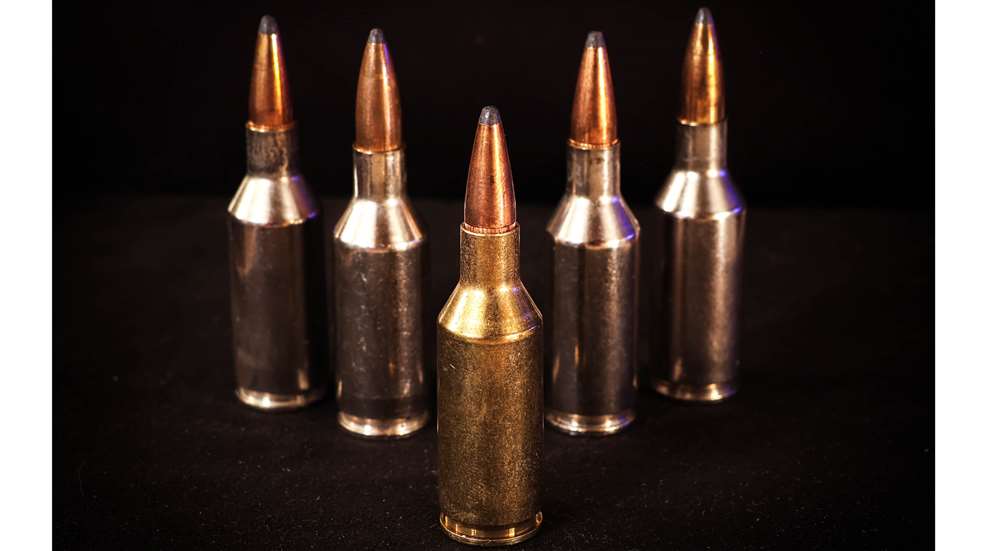
“Just what the hell is that?” My father—Ol’ Grumpy Pants—doesn’t mince words, and he was especially curt at the sight of the first of the WSSM series he’d ever set eyes on. “Looks like a bullet on a stack of dimes…”
The second wave of magnum mania, spurred on by the releases of the .300 Remington Ultra Magnum and the .300 Winchester Short Magnum in 1999 and 2001, saw several series of beltless, rimless magnum cartridges. Many cite the .404 Jeffery as the parent cartridge, or at least the inspiration for this design, and while dimensionally different, it isn’t difficult to see the similarities with that old British cartridge. Where the Remington Ultra Magnum series were designed to fit into a magnum-length receiver and both the Winchester Short Magnums and Remington Short Action Ultra Magnums destined for short-action rifles, these Winchester Super Short Magnums were a horse of a different color.
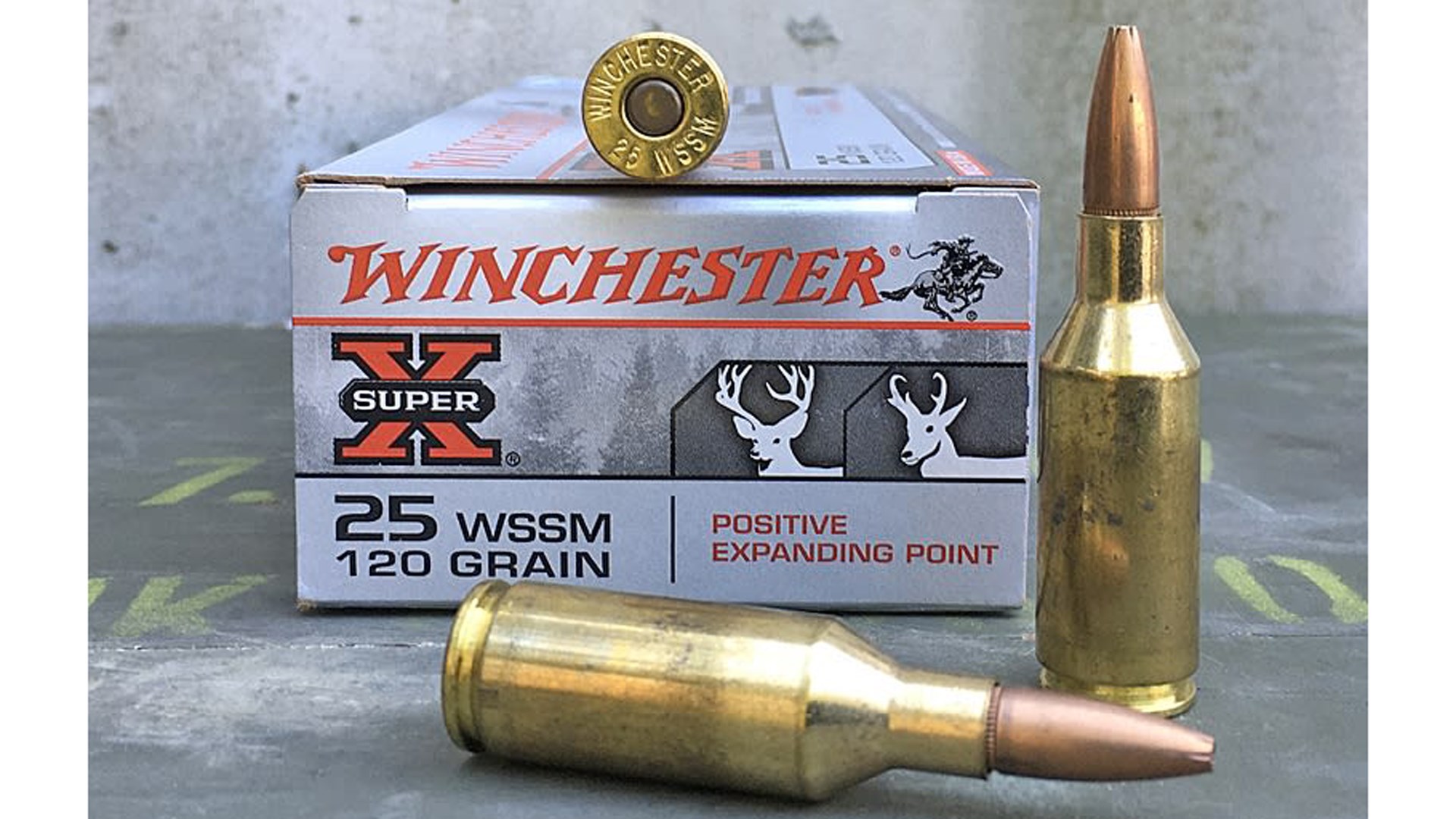
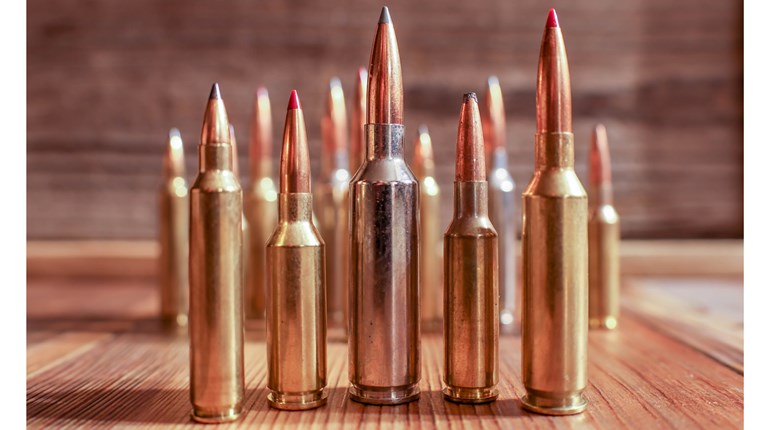
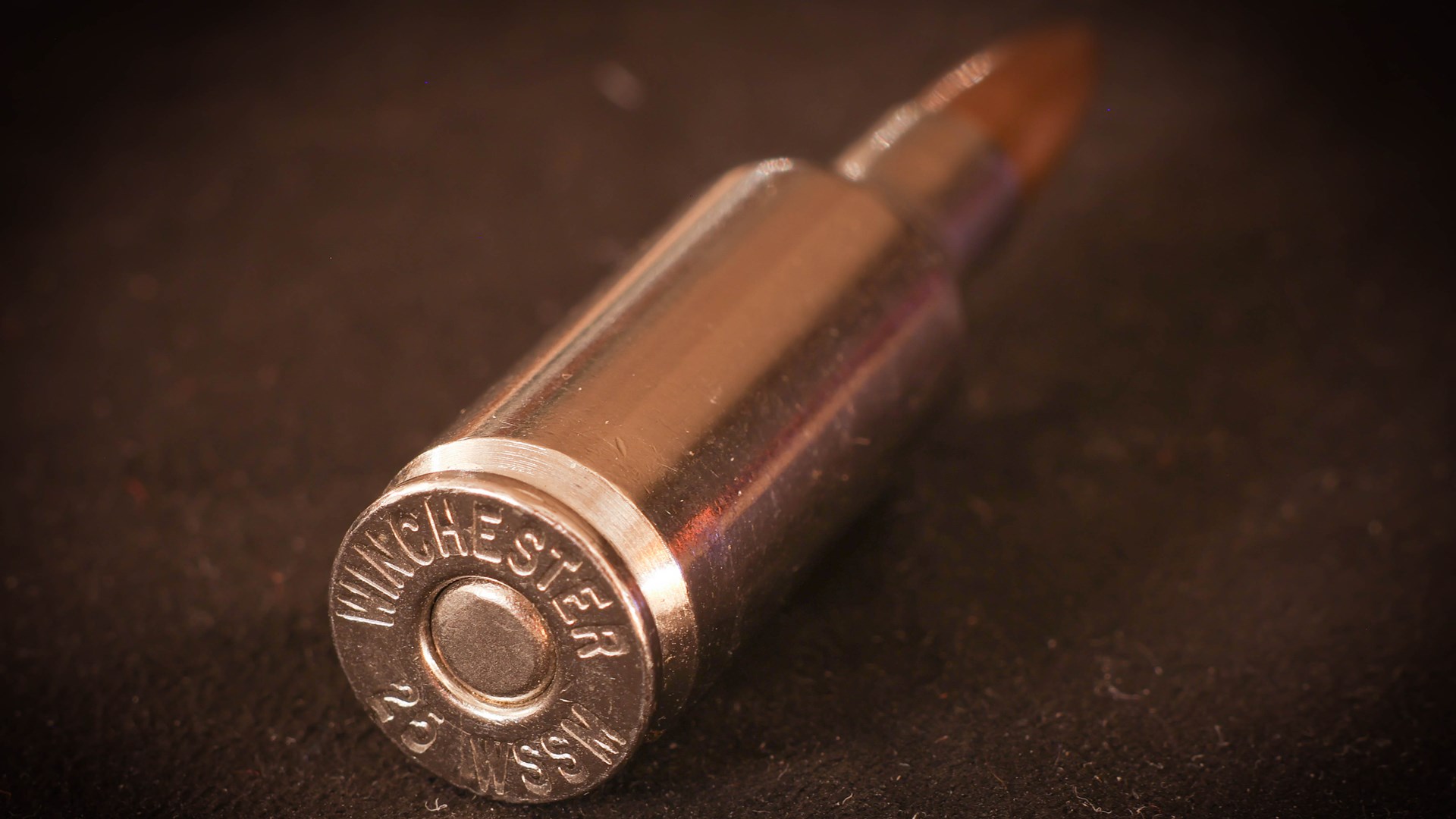
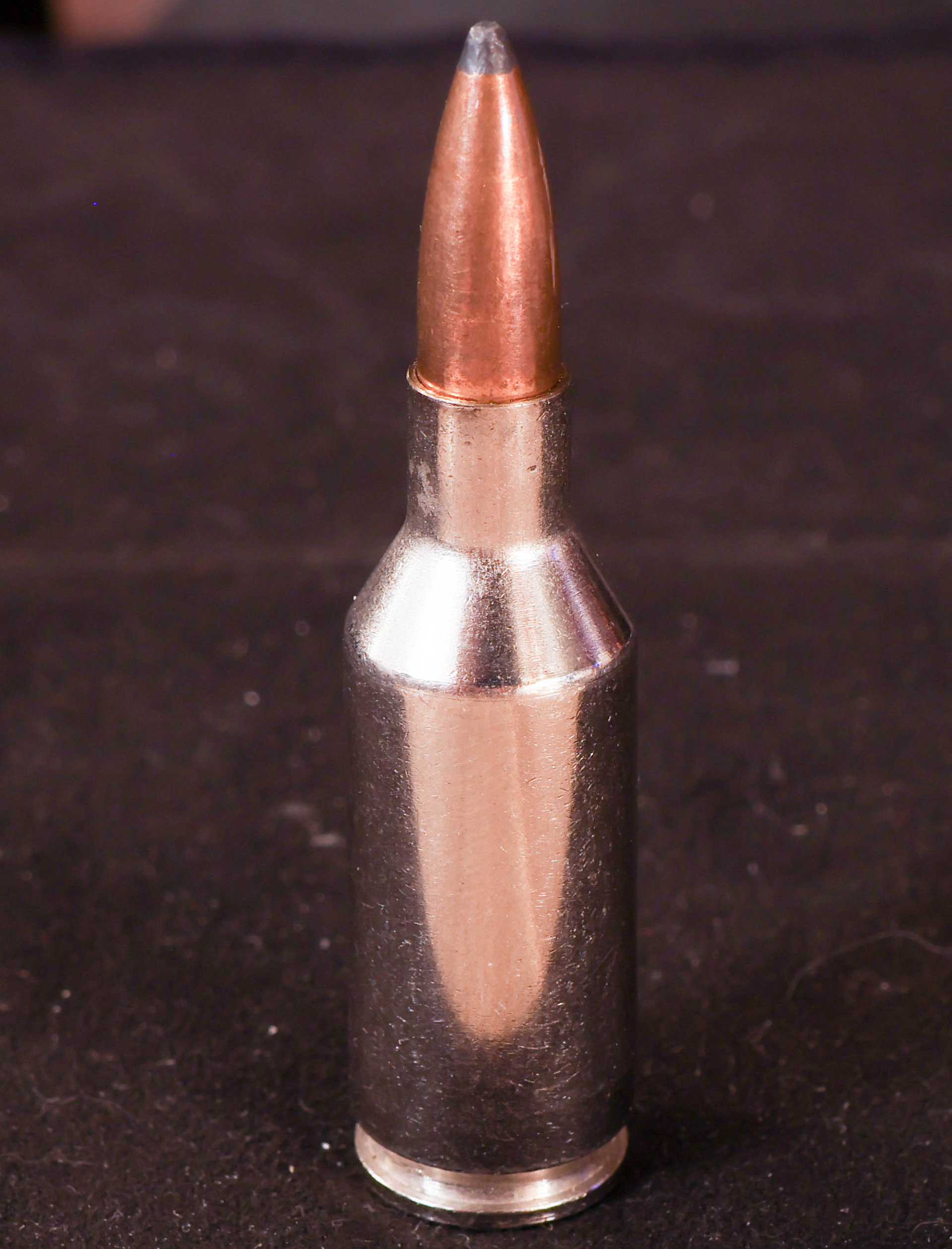
Winchester/Browning had taken the WSM case and shortened it, resulting in a very unique looking cartridge, reminiscent of the short, squat benchrest cartridges of the 70s and 80s—the .22 PPC comes quickly to mind. The .223 WSSM and .243 WSSM came onto the market first, but the largest of the three—the .25 WSSM—was released in 2004. With a case length of 1.670 inches, and a maximum cartridge length of 2.360 inches, the .25 WSSM sees a slightly rebated rim at 0.535 inches. I can only assume the rebated rim on these cases are to match the bolt face opening of the common H&H family of cases, instead of the .404 Jeffery’s larger 0.545-inch base. The base of the .25 WSSM’s body measures 0.555 inches, and the 30-degree shoulder handles the headspacing duties. The neck measures 0.300 inches—more than enough length to provide all the neck tension you’d want. There is something to the short-and-fat powder column that has long been embraced for accuracy, and the WSSMs deliver that in spades.
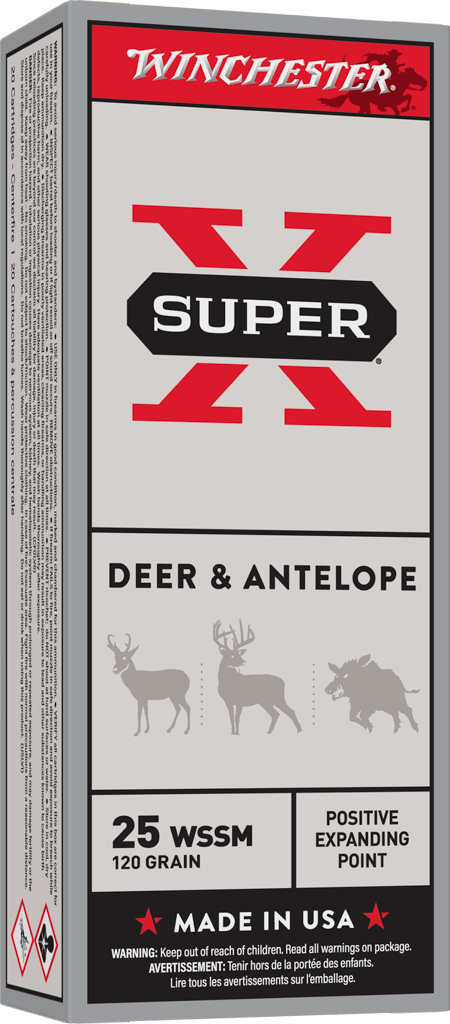
Winchester claimed that their .25 WSSM would match the velocities of the venerated .25-06 Springfield, and looking at the factory ammunition choices available, it does just that. In the Winchester ammo lineup, the .25 WSSM sends a 120-grain softpoint at a muzzle velocity of 2,990 fps—the same velocity as their .25-06 load. And like most of the quarterbores, the .25 WSSM has the ability to do double-duty as a deer rifle and varmint gun alike, with Winchester offering an 85-grain Ballistic Tip at 3,470 fps, which will ruin any coyote or woodchuck’s day.
I feel that the .25 WSSM was the most popular of the trio, though I am not the first to point out that the cartridge’s time in the spotlight was a short one. Within a couple years, supplies of ammunition seemingly disappeared altogether, leaving shooters in an awful quandary. The reason? Well, there was a now-famous lawsuit that certainly didn’t help matters, if it wasn't the outright cause of the drought in ammo supplies for the WSSM family. Famed gunwriter Rick Jamison held a patent for a series of cartridges eerily similar to Winchester stuff, and filed suit against them for copyright and patent infringement. Jamison won the suit, and it wasn't long after that the ammo supplies began to dwindle to the point of nonexistence. I’d like to point out that John Lazzeroni’s 7.82 Patriot—a short-action, rimless .30-caliber magnum—predated the Jamison patent, dating back to the mid-1990s. I’m not here to play judge and jury on the case, just to point out that the litigation had an apparent effect on the supplies of ammunition for the WSSMs.
When I was custom loading ammunition for clients, say back in 2014 and 2015, one out of eight or nine calls was for .25 WSSM ammunition. Many shooters and hunters had the rifles, some had spent brass, and others were lamenting the fact that they hadn’t saved their brass. I had good dies and plenty of bullets to choose from, but obtaining cases was all but impossible, as I couldn’t make them from another cartridge. Generally speaking, medium burn rate powders such as IMR 4064 and Hodgdon’s Varget gave the best results across the bullet weight spectrum, though I’ve had good results with powder as slow as Reloader 19 and H414. Despite the magnum moniker, I always used a standard large-rifle primer, with Federal’s Gold Medal Match GM210M being my personal favorite. Velocities tended to run about 100 to 150 below what I could obtain with my .25-06, but I don’t think any game animal would notice; accuracy was more than suitable for a hunting rifle. However, without cases, I was equally helpless.
Thankfully, we’ve seen ammunition for the .25 WSSM become available of late, with Winchester offering the two aforementioned loads as HSM (the artist formerly known as Hunting Shack Magnum), featuring the 115-grain Berger VLD and the 117-grain Sierra GameKing, at 2,831 and 2,874 fps, respectively. I have yet to shoot any of the recent factory stuff, though I can imagine that lovers of the .25 WSSM would be happy with just about anything that came in quality brass cases, just to have the components to reload. I found some new-old-stock at Collector Rifle and Ammo, Inc.; these specialty shops are always worth checking out for near-obsolete ammunition.
Some rifles had issues feeding the WSSM family, as the short and fat profile doesn’t always agree with every feed ramp. That issue aside, there is no reason to avoid taking a .25 WSSM in the field for any game species suitable for hunting with a quarterbore. Recoil is manageable, accuracy is certainly there, and so long as you can keep a supply of ammunition on hand, you’ll be a happy hunter.