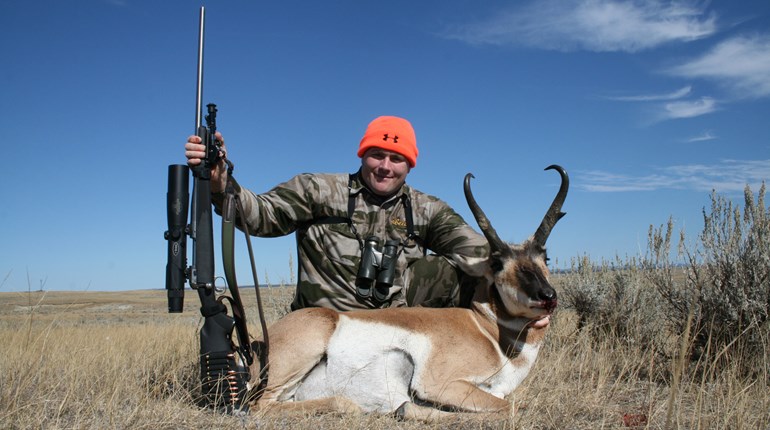
There are a lot of federally recognized days. National Ice Cream Day is the third Sunday in July. National Lobster Day is typically September 25. Constitution Day and Citizenship Day (September 17) is a good one to remember. But who can keep track of, let alone observe, all of these days for celebration? Still, National Hunting and Fishing Day, which is observed on the fourth Saturday of September each year (September 26 this year), is a day we should know one thing about: Hunters are America’s original conservationists.
This observance began in 1972 when then President Richard Nixon signed a proclamation establishing the first National Hunting and Fishing Day. The first observance took place on September 23, 1972. The day was intended to celebrate hunting and fishing traditions while educating the public about wildlife conservation, habitat protection, and responsible outdoor recreation.
In the U.S., hunters and anglers have long provided substantial funding for wildlife management via excise taxes on firearms, ammunition, archery equipment and fishing equipment, along with hunting and fishing license fees. But hunters do a lot more than pay for conservation.
Here are a few interesting statistics:
• In 2022, over 14.4 million Americans over 16 years old hunted, according to the 2022 National Survey of Fishing, Hunting, and Wildlife-Associated Recreation (FHWAR), conducted by the U.S. Fish and Wildlife Service (USFWS) in coordination with the Association of Fish and Wildlife Agencies.
• Hunters spent about $45.2 billion in 2022 on hunting (trip-related costs and equipment). Big-game hunters alone (mostly deer/elk seekers) spent roughly $15.6 billion, according to the FHWAR.
• American hunters typically harvest around 6 million whitetail deer annually—about half of these are antlered bucks, according to the National Deer Association (NDA) annual Deer Reports.
• There are now around 30 million whitetails in the U.S. This is a massive rebound from the early 1900s, when the entire North American whitetail population crashed to as low as 300,000, according to NDA data.
• The exact “guns bought specifically for hunting” numbers aren’t broken out cleanly every year, but the National Shooting Sports Foundation’s analyses of retail sales show that hunting accounts for roughly 22 percent of firearm sales. Overall U.S. retail firearm sales (via adjusted NICS figures) have run in the 14-16 million range annually in recent years, with hunting seasons driving noticeable seasonal spikes.
• Recent seasons have seen U.S. waterfowl hunters harvest roughly 14-15 million ducks and 3.4-3.7 million geese per year, according to the USFWS annual reports titled “Migratory Bird Hunting Activity and Harvest.”
• About 1.2-1.3 million waterfowl hunters participate annually, according to the USFWS.
• National numbers for America’s wild turkey harvest runs in the neighborhood of 600,000-700,000 birds per year, according to national status assessments of wild turkeys published in the Wildlife Society Bulletin.
• Turkeys present another huge recovery story: wild turkeys were down to an estimated 200,000 birds in the early-mid 20th century and now number in the millions (commonly cited around 6-7 million).
Every animal in America lucky enough to have a hunting season on it has rebounded since that season was placed on it. Regulated hunting seasons, bag limits, the end of market hunting (Lacey Act 1900, Migratory Bird Treaty Act 1918), and hunter-funded conservation (especially the 1937 Pittman-Robertson Act, which puts an excise tax on guns, ammo and archery equipment into wildlife restoration) produced some of the greatest conservation success stories in history.
Most Popular