** When you buy products through the links on our site, we may earn a commission that supports NRA's mission to protect, preserve and defend the Second Amendment. **
Deer may run in the light rain, but there's little more that makes a hunter want to stay indoors than a bone-chilling damp. Fortunately, with the Infusion, from ThermaSeat, at least one part will stay warm and comfortable. A seat cushion designed around three barriers, the Infusion is the perfect companion for a long sit. The first of these, termed the earth barrier, is an inch-thick layer of rigid, closed-cell foam serving as moisture protection. The next barrier, comfort, is a 1 5/8-inch layer of urethane Comfotek foam. Finally, the thermal barrier is a 3/8-inch layer of closed-cell Softek foam, for added warmth. For more information on this cushion, which comes in two sizes and can be finished either in Realtree XTRA or Mossy Oak, please visit thermaseat.com. MSRP: $32.99-63.99
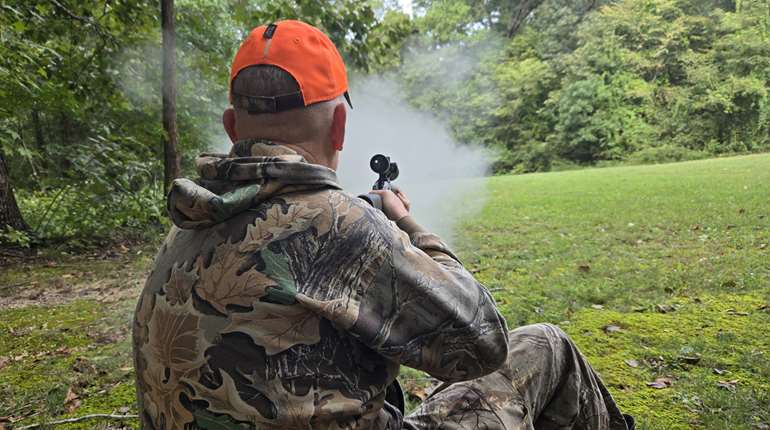
Your smokepole sights are hovering over the vitals of an elk or deer, and you touch off the trigger. But did you make one of these mistakes? Let’s take a look through some things that can go wrong, before they ever do.
Now hear this, NRA American Hunter readers: this is a call for entries for American Hunter’s “2027 Members’ Best” feature story to run next year in our combined June/July print issue.
Kent Cartridge is recalling specific lots of select 12-gauge and 20-gauge shotshell ammunition due to the potential for excessive chamber pressure when fired. The issue is limited to the product code and lot number combinations identified below.
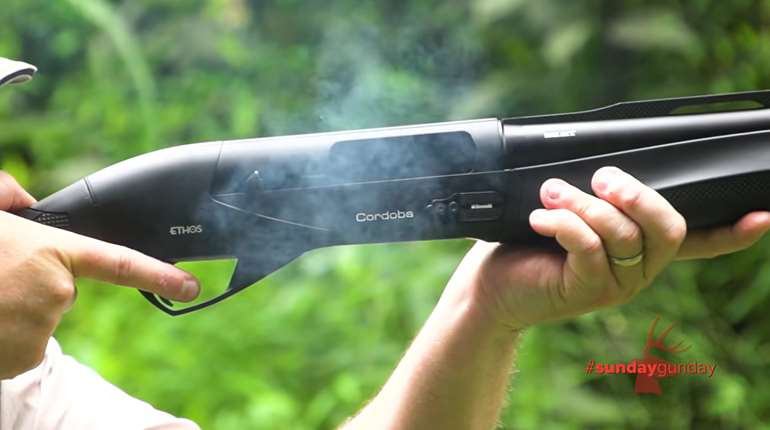
On this week's #we’reSundayGunday, we are checking out the Ethos Cordoba A.I. BE.S.T. shotgun, a hunt-focused model of Benelli’s competition-driven semi-automatic. Learn more about it on this exclusive video.
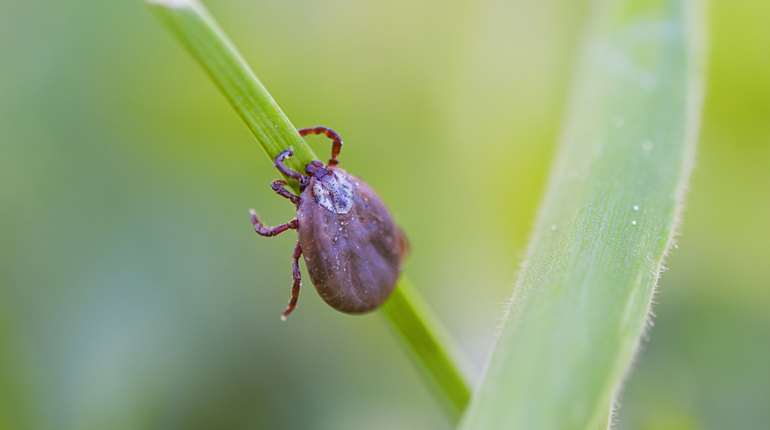
President Trump is attempting to reduce mosquito and tick-carried diseases, including the alpha-gal syndrome (AGS), a tick-carried molecule linked to a potentially serious human allergy to red meat and other mammalian products. (AGS is primarily transmitted from bites from the lone star tick (Amblyomma americanum) in the U.S.)