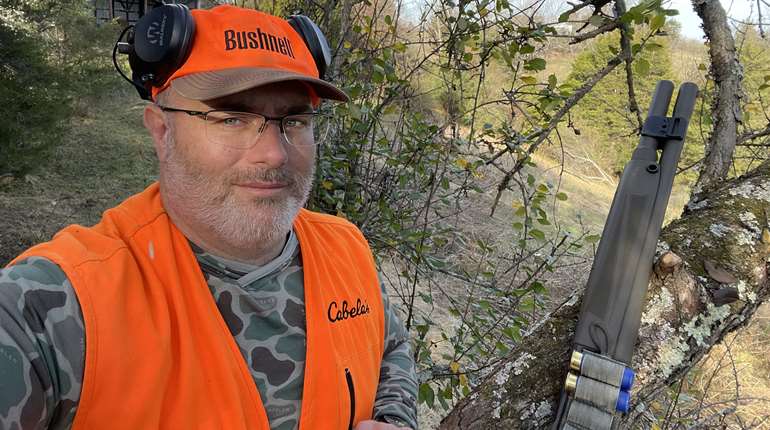
This hard-earned advice is bound to send a few more hunters into my public-land turkey haunts with my playbook in their back pockets. But it was Ernest Hemingway who advised, if you want to write, begin with “one true sentence” and follow it with another. So here’s the truest way I know to kill a public-land tom.
Begin the Day After
Let’s say opening day is midweek. If you’ve roosted a tom or have one patterned, slip in and kill him before someone else does. If not, consider hunting private land that day or take off the day after the opener. Sure, a few hunters will kill the inexperienced birds or even a few dominant gobblers. Mostly, however, they’ll just bump birds.
Then comes the day after. If it’s a weekday, it will be much quieter in the public areas. Formerly subdominant gobblers can be aggressive if the top tom has been axed. Even if the pecking order is intact the gobblers, though harassed the day before, likely haven’t shut up yet. Those other hunters made your hunt harder, but they’re at work and you have a chance before they return.
Map Out Overlooked Areas
Open your favorite mapping software—or just use Google Earth—and print out topos and aerials of your public areas. Draw a line marking the areas’ boundaries. This can show you overlooked areas—fingers of public land that extend into private lands. Next draw in the parking spots hunters will use.
Look over the terrain. Consider where other hunters will be. Use a red marker to cross out these locations. What’s left? Are there ridges hidden behind swamps others would have to wear hip waders to hunt? Is there quality terrain beyond large dead zones where turkeys aren’t likely to be in spring? Consider the backsides of ridges or hidden valleys deep in a public area, or spots that abut some terrain feature that cuts off access. You’re looking for places with good habitat where few hunters tread. You may be surprised at what you find.
Call Sparingly, with Rare Calls
As the season progresses, use calls no one is using. A wingbone yelper might be the thing. Try different strikers on different friction calls. Public-land gobblers have heard almost everything. When you strike a talkative tom, make him gobble only when you must. You don’t want to call in other hunters or hens. Get as close as you can, but be patient with your calling.
Stay in the Game
Another strategy is to ignore public areas for a few weeks. By late-season many hunters are tired of getting up at 4 a.m. and trekking to where they think every gobbler has been shot or run out. Areas calm down and gobblers start gobbling again when the pressure subsides. When hens go to nest formally henned-up gobblers get lonely.
A place I hunt in the mountains doesn’t have turkeys until mid-season. I then hike into those hills and hunt toms that may have been pressured earlier a half-mile away on private land. I killed a tom last season 400 yards from the parking lot. His hens left him to go to nest. Though usually tightlipped and cagey, he came running.