Minnesota DNR: We Underestimated Pheasant Counts

by
posted on December 4, 2013
** When you buy products through the links on our site, we may earn a commission that supports NRA's mission to protect, preserve and defend the Second Amendment. **
dogs_ah2015_fs.jpg (46)

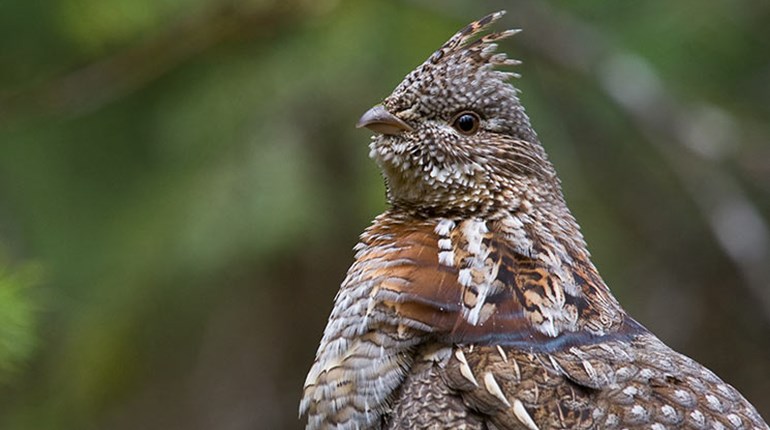
From concerns over loss of prairie habitat to alarmingly low roadside survey numbers, it's been a bad news cycle for the ring-necked pheasant. Well, for those in need a little good news, here it is: It appears Minnesota underestimated its pheasant counts.

In recent years the Land of 10,000 Lakes has become one of America's top pheasant producers, particularly in the southwest corner. So, the August estimate of a 29-percent decline in birds was disheartening. But, hunter success rates thus far seem to be serving as a reminder that the DNR's roadside estimates are just that: estimates.

Some speculate that 2013's cold, wet spring caused many hens to nest late or re-nest after losing clutches. Their chicks would have been too young to be counted in the August surveys. The notion is supported by hunters' reports of juvenile birds--some too young even to be identified as hens or roosters during the opening week.

“I think we underestimated the August counts because I’ve talked with quite a few hunters that have been pleasantly surprised with the birds out there,” Nicole Davros, Minnesota DNR upland game project leader, told the St. Cloud Times. “Several people commented that they saw pheasants on opening weekend that were only a couple weeks old.”

I still believe firmly that we are at a conservation crossroads in the Midwest, but this is good news. Could South Dakota's estimate of a 64-percent decline also be exaggerated? Let's hope so.

Latest

Herman Shooting SA 35 4 Inch

#SundayGunday: Springfield Armory SA-35 4"

Springfield's SA-35 4” maintains the “wood and steel” vibes of yesteryear, with a blued finish on the gun’s carbon steel, and checkered walnut grips. Curious about this updated version of a true classic? Check out this exclusive edition of #SundayGunday.

Will Grizzly Bear Management be Returned to the States?

When the grizzly bear in the Lower 48 was given Endangered Species Act (ESA) protection as a threatened species in 1975, it was supposed to be a temporary protection that would be lifted once populations met or exceeded specific goals. Now more than a half century later and with grizzly populations that have spread and met or far surpassed the goals set in 1975.

New for 2026: Leupold LCO Pro F2 Red-Dot

Leupold & Stevens, Inc. has launched its LCO Pro F2 red-dot sight, combining optical clarity, reliability and purpose-built features in a full-sized red dot.

Member's Best 2026

I am heartened by this year’s entries. In addition to fabulous photographs, almost all of you delivered exceptional narratives of your hunts. We used your very words wherever possible because it’s an honor to see you all rise to such an occasion as sharing a special moment with your fellow hunters. You now know a little bit about what drives an outdoor writer. —J. Scott Olmsted, Editor in Chief

New for 2026: Vortex Crossfire II

Available with either a red or green dot, the Vortex Crossfire II Red Dot lineup brings added function to the Crossfire series.

USFWS Proposes New Grizzly Bear Management Rule

On July 17 the U.S. Fish and Wildlife Service (USFWS) published a proposed rulemaking change on the Federal Register that, if approved, would allow western states to better manage their grizzly bear population. Despite their burgeoning population the big bruins remain on the “endangered” list under the Endangered Species Act (ESA), a fact that has paralyzed regional conservation efforts, impacted other wildlife populations and dramatically increased human/bear conflicts.

Interests


Get the best of American Hunter delivered to your inbox.