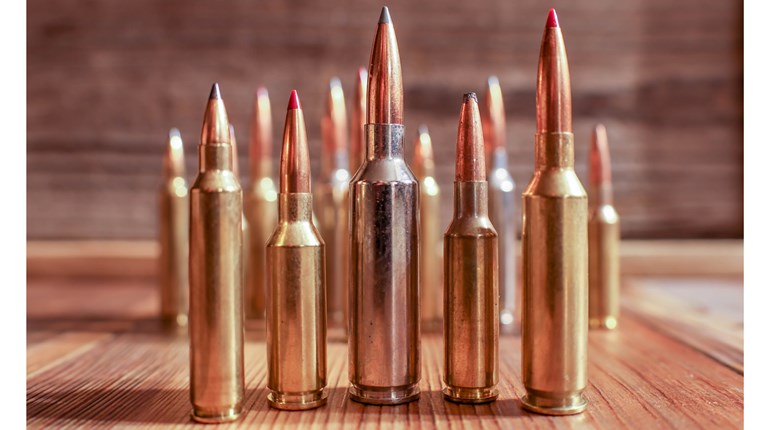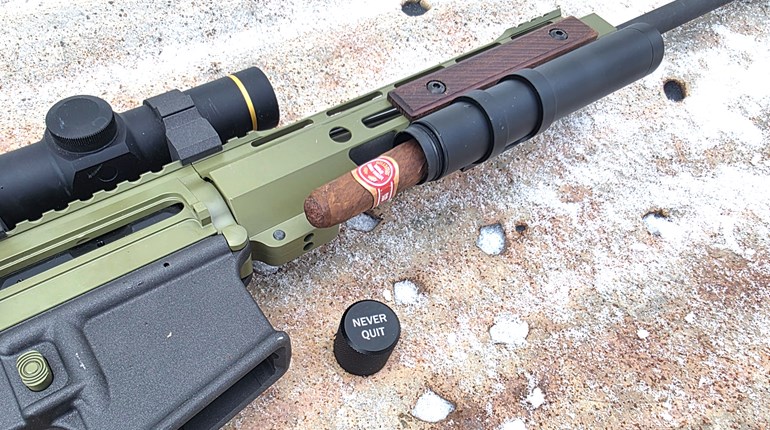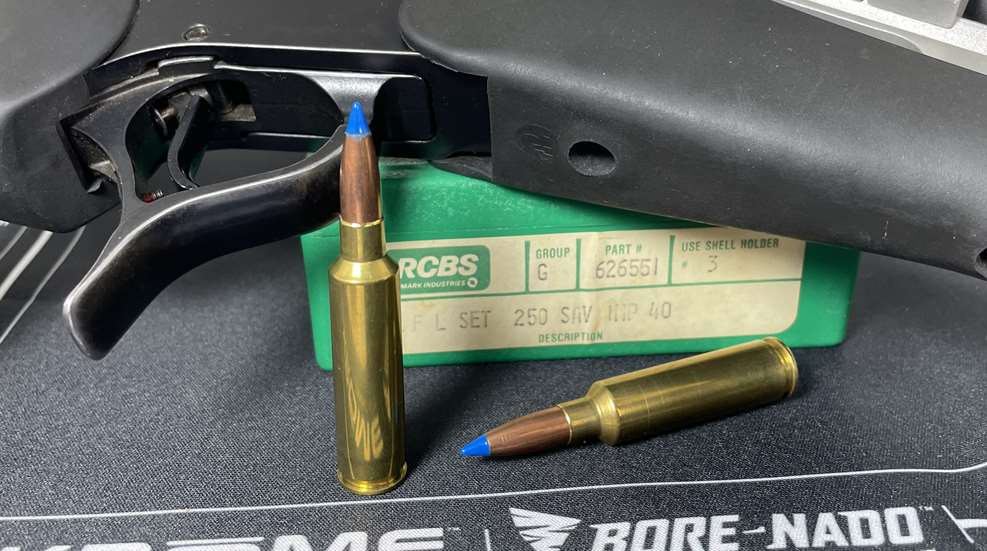
Two-fifty Savage Ackley Improved. Three-thirty-eight Whisper. Two-fifty-seven Shooting Times Westerner (STW). Forty-Forty-four Woodswalker. Four-seventy-five JDJ. What do these numbers have in common? They’re all wildcat—or proprietary—cartridges. These are but a few of the many, many such cartridges, and the number practically grows daily. Want to be dumbfounded? See Pacific Tool & Gauge’s (PTG) list of rifle chamber reamers.
Rarely will they become widely accepted, and still fewer are ultimately recognized by the Sporting Arms and Ammunition Manufacturers’ Institute (S.A.A.M.I.) or Commission Internationale Permanente pour l'Epreuve des Armes à Feu Portatives (C.I.P.) and become commercially produced. But it does happen; the .17 Hornet, .22-250 Remington, 6mm Dasher, .25-06 Remington, .260 Remington, 7mm-08 Remington, .280 Ackley Imp. and 7 mm STW are proof.
There are good reasons to select a wildcat cartridge over ho-hum stalwarts; however, the grounds for not selecting one is equally compelling, too. In the subsequent sections, you’ll learn about the good, the bad, and the ugly of owning a firearm in an atypical chambering, and hopefully, help you in deciding to make a purchase—or not. Let’s begin by investigating three merits of wildcats.
The Good
One
“Normal is not something to aspire to, it’s something to get away from.” Attributed to American actress and filmmaker Jodie Foster, the maxim is spot-on with regard to the key reason shooters and hunters often opt for a wildcat cartridge. In short, we crave to be different, to stand out in a crowded world. Few things firearms-related will do so more than announcing that you’re using an abnormal chambering, and then proceeding to inform all who’ll listen as to why it’s the greatest thing ever. After all, why use the .243 Winchester, which debuted in 1955 and is darn effective, when you can substitute it with the obsolete 6mm International? Don’t ask me how I know.
Sure, when you get down to the nitty-gritty of wildcat cartridges, there is usually some advantage, however minute. But, when everything is considered, the validation usually hinges on owning something unusual, and there’s nothing wrong with admitting that. I’ve owned and tested plenty of wildcats, and admittedly, I enjoyed working with them.
Two
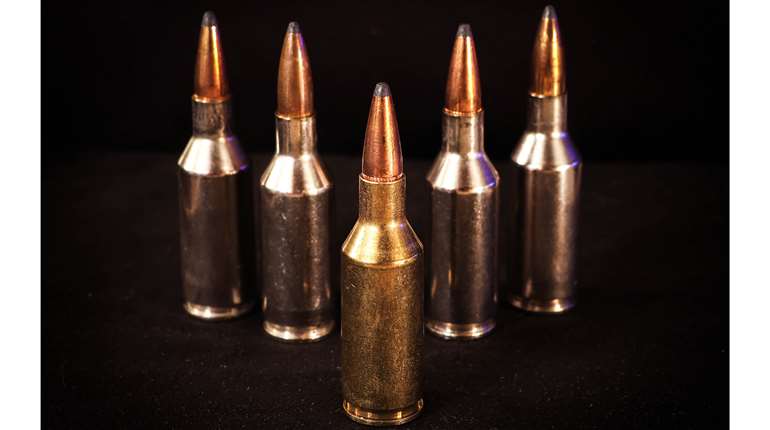
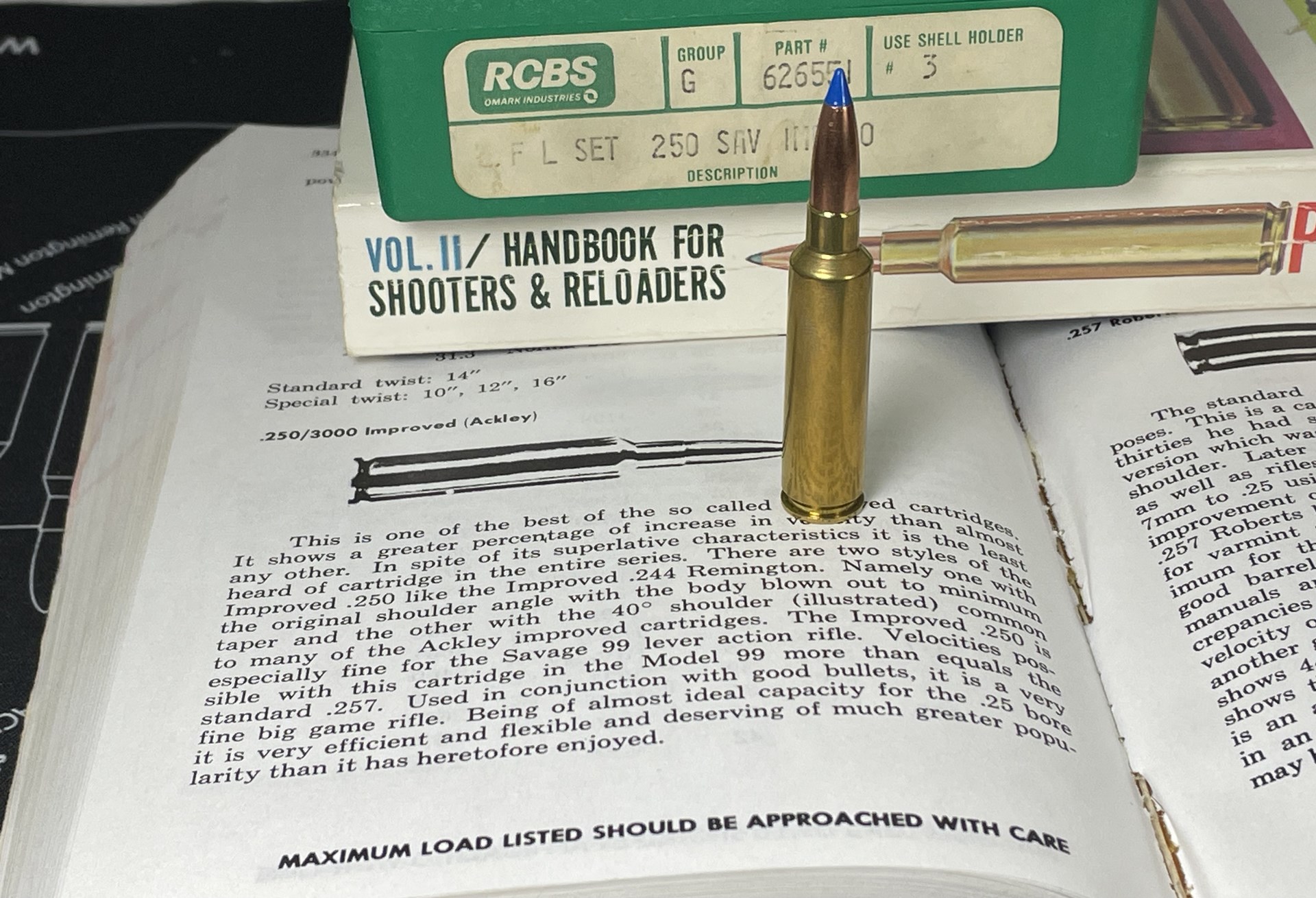
Wildcat cartridges are generally created for enhanced ballistics, improved reliability and longer case life, to name a few reasons. Hubris is another, but we won’t go there. Concerning the former, an upgrade in external ballistics can be realized via increased propellant capacity, as well as by accommodating, long, heavier-for-caliber bullets—perhaps both. Making space for extra propellant can be achieved by reducing case taper (and usually shortening the neck with sharper shoulders), such as observed in the .250 Savage Ackley Imp., .257 Roberts Ackley Imp., 7x57mm Ackley Imp., .280 Ackley Imp., 30-06 Ackley Imp., .35-06 JDJ and many others.
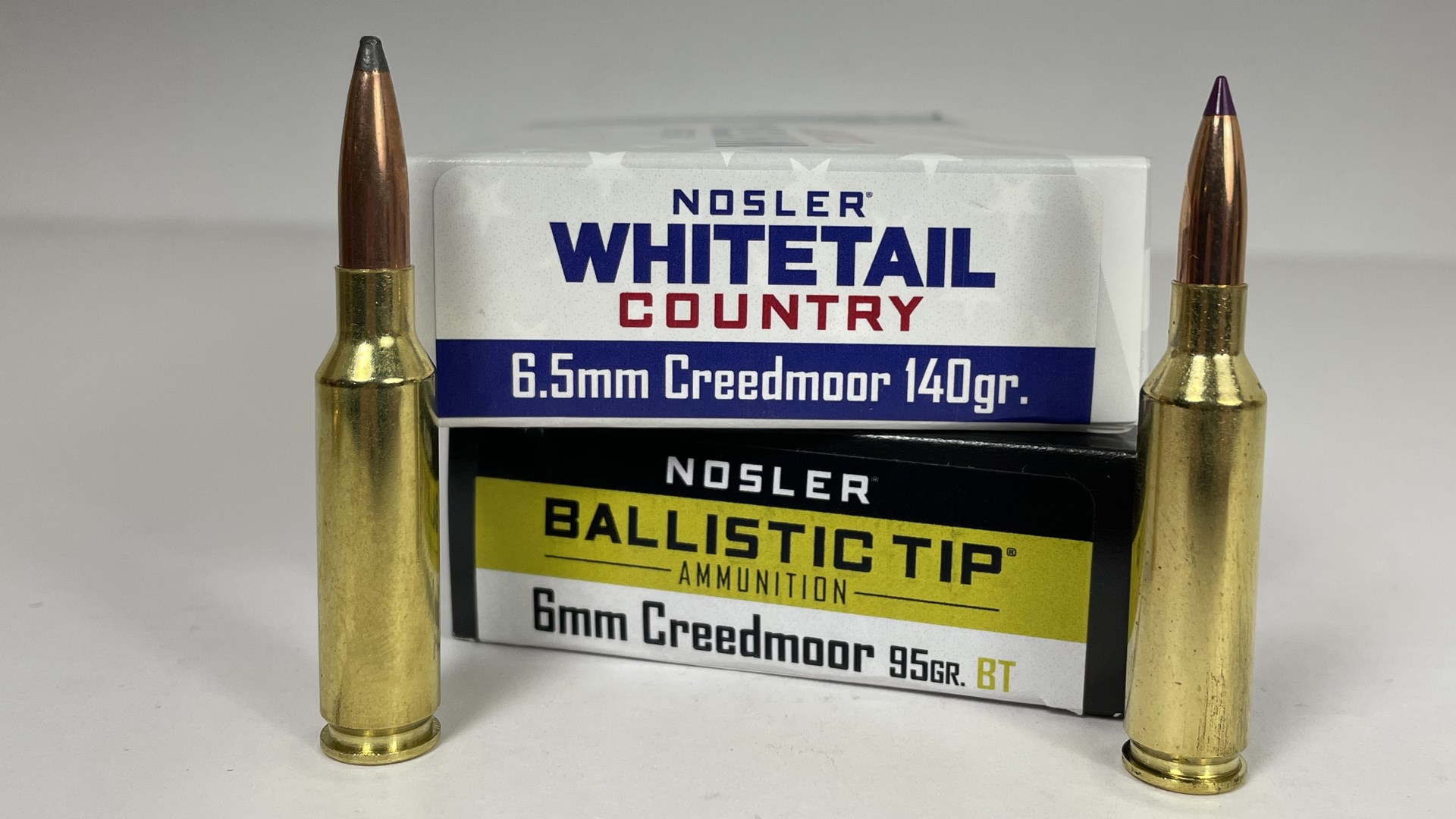
While enlarging case capacity—for elevated velocities—is still a reason for wildcatting, the newest, one-off cartridges typically target efficiency and friendliness to newfangled, streamlined projectiles. How? Cases are optimized to achieve modest velocities with the least amount of propellant, all while permitting more of the lengthy bullets to reside outside of the brass. Although not wildcats, cartridges with these characteristics are: the Creedmoor, ARC, WSSM, and PRC series; .224 Valkyrie; .22 Nosler; 6.5 Grendel; and 6.5x47mm Lapua, to name a few. Former “efficient”-type wildcats include: 6mm XC; 6mm GT; and 6.5x284 (Winchester and Norma variants), though the latter isn’t especially known as being moderate on propellant use, and certainly isn’t known for long barrel life.
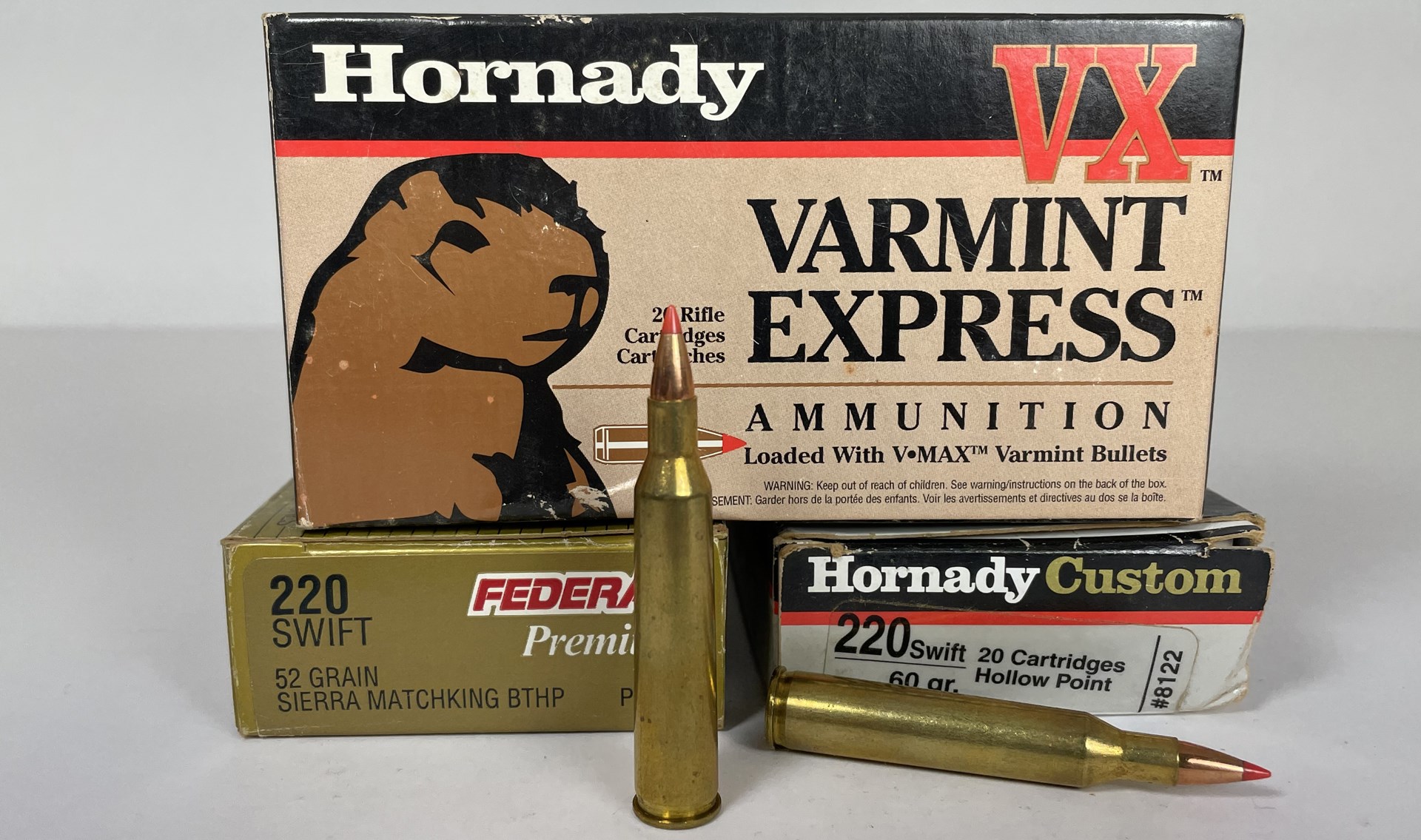
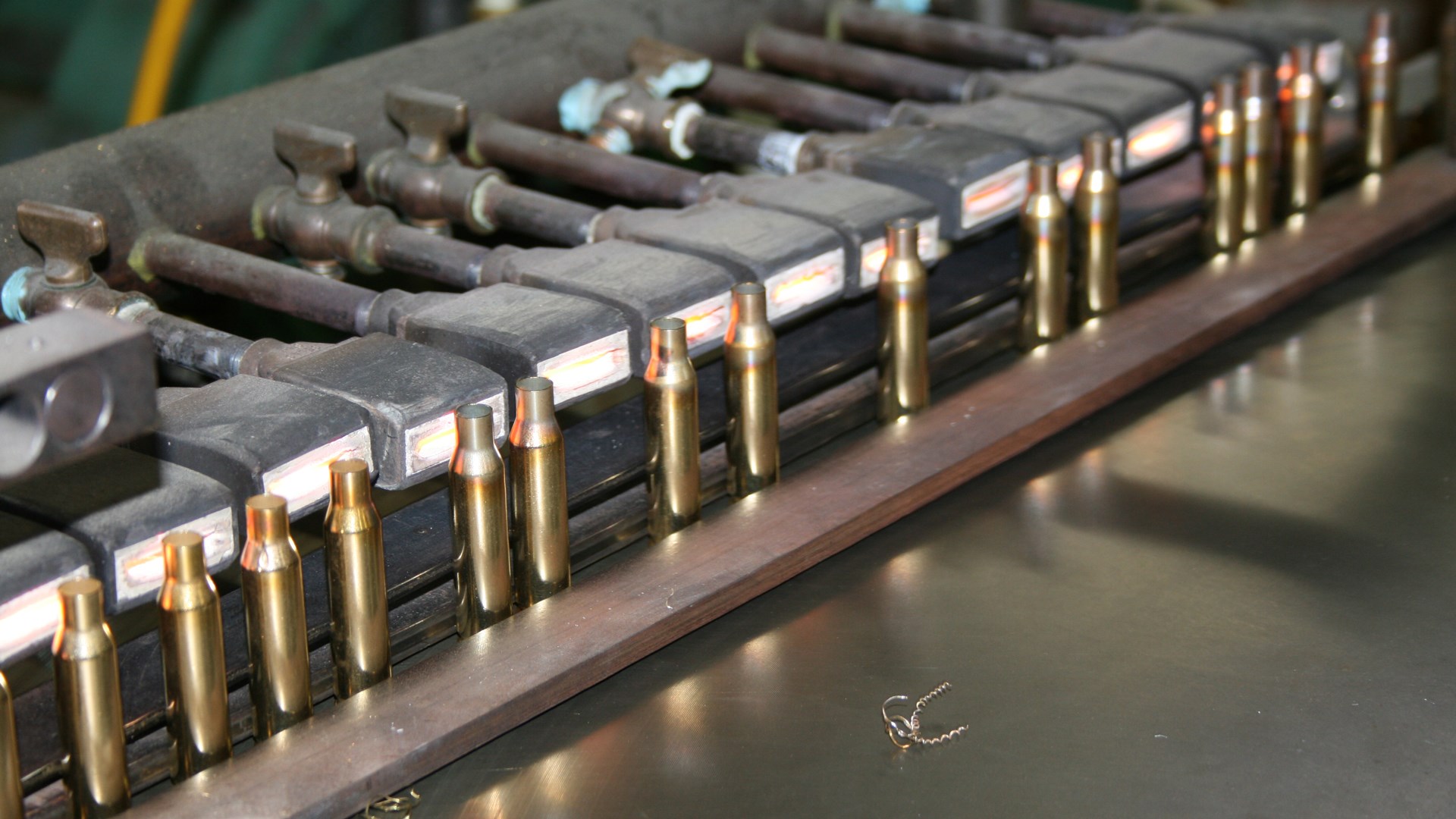
Similarly, reducing taper and sharpening the shoulder angle can extend case life for those who handload. Characteristic of the time, cartridges such as the .250 Savage (and its offspring) had quite a bit of taper. Problem is, during firing the metal will invariably flow forward resulting in “case stretch”; therefore, incessant trimming is required, and the case’s useful life is reduced. “Improved” stately rounds, such as the .220 Swift Improved, 6mm Remington Ackley Improved and .257 Roberts Ackley Improved, as well as modern designs, experience limited stretch; however, as was illustrated with the WSM series, too steep of a shoulder angle when combined with a short, fat case, can induce feeding issues in some repeating rifles.
Three
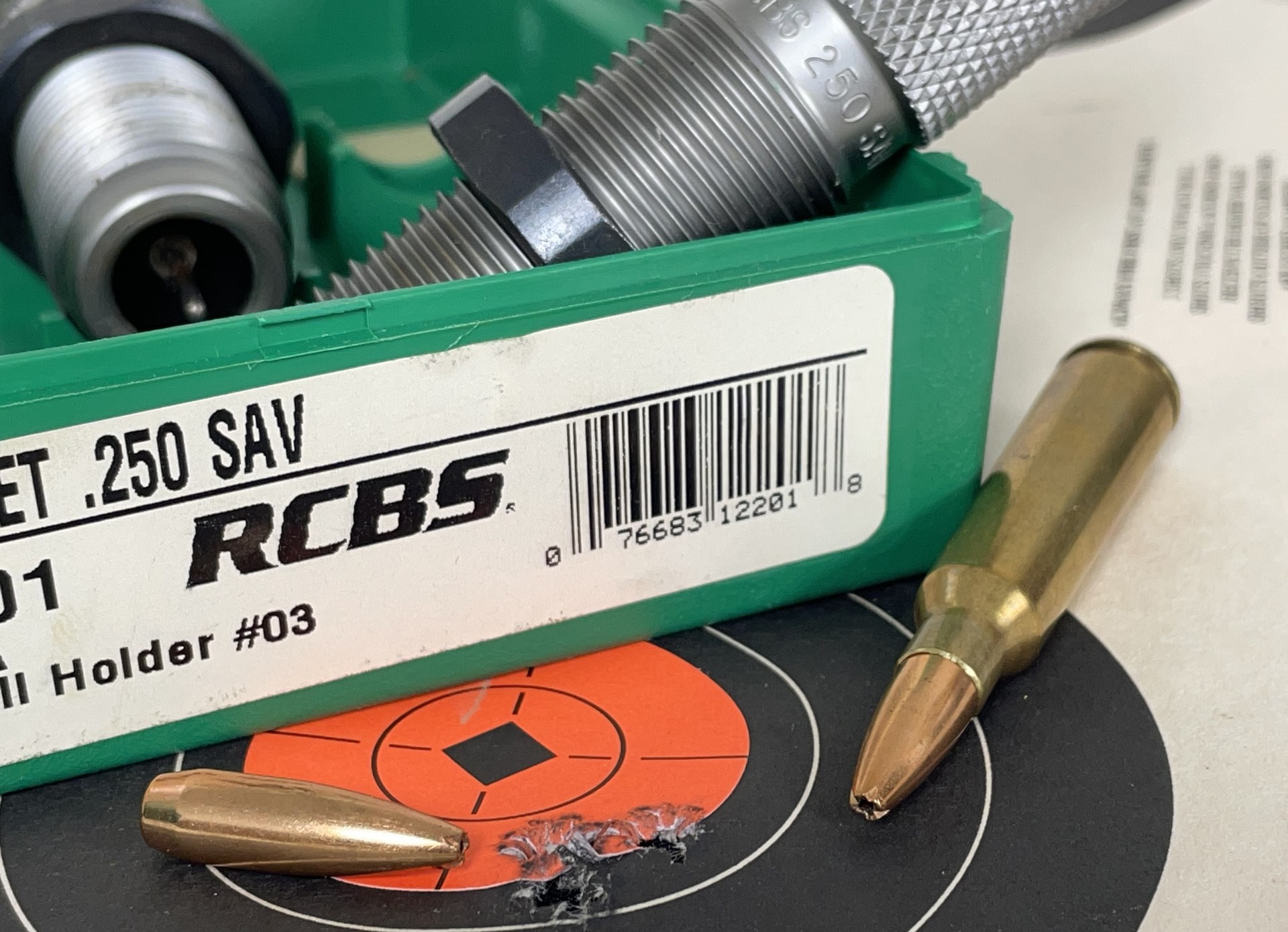
Certain wildcat cartridges are immensely versatile—especially those with the “Ackley Improved” treatment. Why? To fully develop an Ackley Improved case requires fire-forming, or firing the parent in the enhanced chamber. Surprisingly, despite a tremendous amount of metal movement, there’s surprisingly little loss of ballistics, and fine accuracy can still be realized. I’ve witnessed this in my own SSK Industries (now SSK Firearms) Encore handgun barrel chambered in .250 Savage Ackley Improved. The fire-forming and final rounds usually hit in the same place, too.
If your rifle is chambered in .280 Ackley Imp., for example, and you forget your ammunition—or an airline loses it for you—then standard .280 Rem. can be used in a pinch. What’s more, factory ammunition in the parent cartridge can be used to build firearm familiarity while fire-forming the brass. The .280 isn’t alone, either; Ackley’s other “improved” chamberings share the trait. It can also be found in the .375 Wby. Mag., which can employ .375 H&H Mag. and .375 Wby. Mag. loads interchangeably. Of course, fine-tuning the sights/optic will be needed when you settle on a specific load for hunting—if they’re not already sharing the point of impact.
The Bad
One
Anything custom is expensive, and true wildcat cartridges no different. Thanks to Nosler standardizing the .280 Ackley Imp., it’s easy to find a rifle chambered for the former wildcat. For many cartridges, though, it’s not. Barrel makers often have reamers for common, yet not S.A.A.M.I.- or C.I.P.-standardized, cartridges on-hand. As an example, as this is written, E.R. Shaw Barrels of Bridgeville, Penn., offers most of the Ackley series, as well as the .375-.338 Win. Mag. and .375-8mm Rem. Mag., when re-barreling a rifle. In such cases, a run-of-the-mill chambering is no cheaper than an unusual one. But you must pay to re-barrel your rifle, which is pricy and takes time; companies offering barrel-swap services are often backlogged.
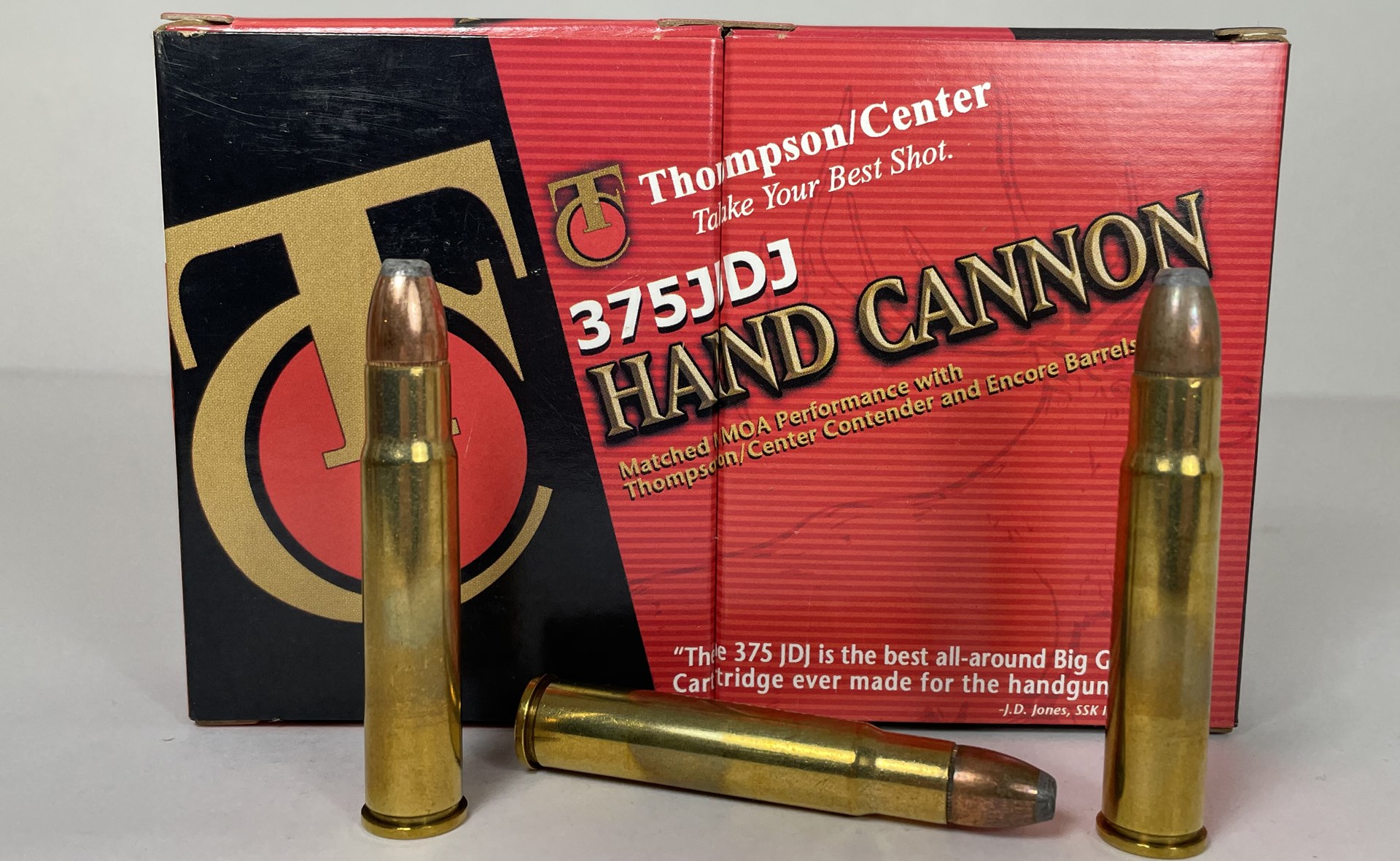
Don’t expect to find rifles in cartridges such as 7x57mm Ackley Imp. or 7mm-08 Rem. Ackley Imp. on store shelves as a normal production run. Occasionally, you’ll encounter a .375 JDJ—once a wildcat, but still somewhat elusive, and the ammunition for which was factory loaded for a limited time—or similar. By the way, cases for the latter are made using .444 Marlin brass, which has become more plentiful as of late. Online auction sites will have the greatest variety of rifles chambered for freakish cartridges, and they’re usually priced trying to recoup their expenditures. Good luck with that. In purchasing one, you might be investing in their money pit, too.
Similarly, unless you’re using a dual-round chambering, such as those previously mentioned, be prepared to handload; a brick-and-mortar store—as well as most online retailers—won’t stock ammunition for one-off chamberings. In fact, even ammunition for once-wildcats that have lived past their prime, such as the 7mm STW, are increasingly challenging to find—especially in-person. I experienced this firsthand last fall when my eldest son and I traveled to Wyoming to hunt antelope with a rifle chambered for it. While shopping at nearby “outdoor” stores, we sought extras to take home. None were to be found. There was plenty in the novel chamberings, though.

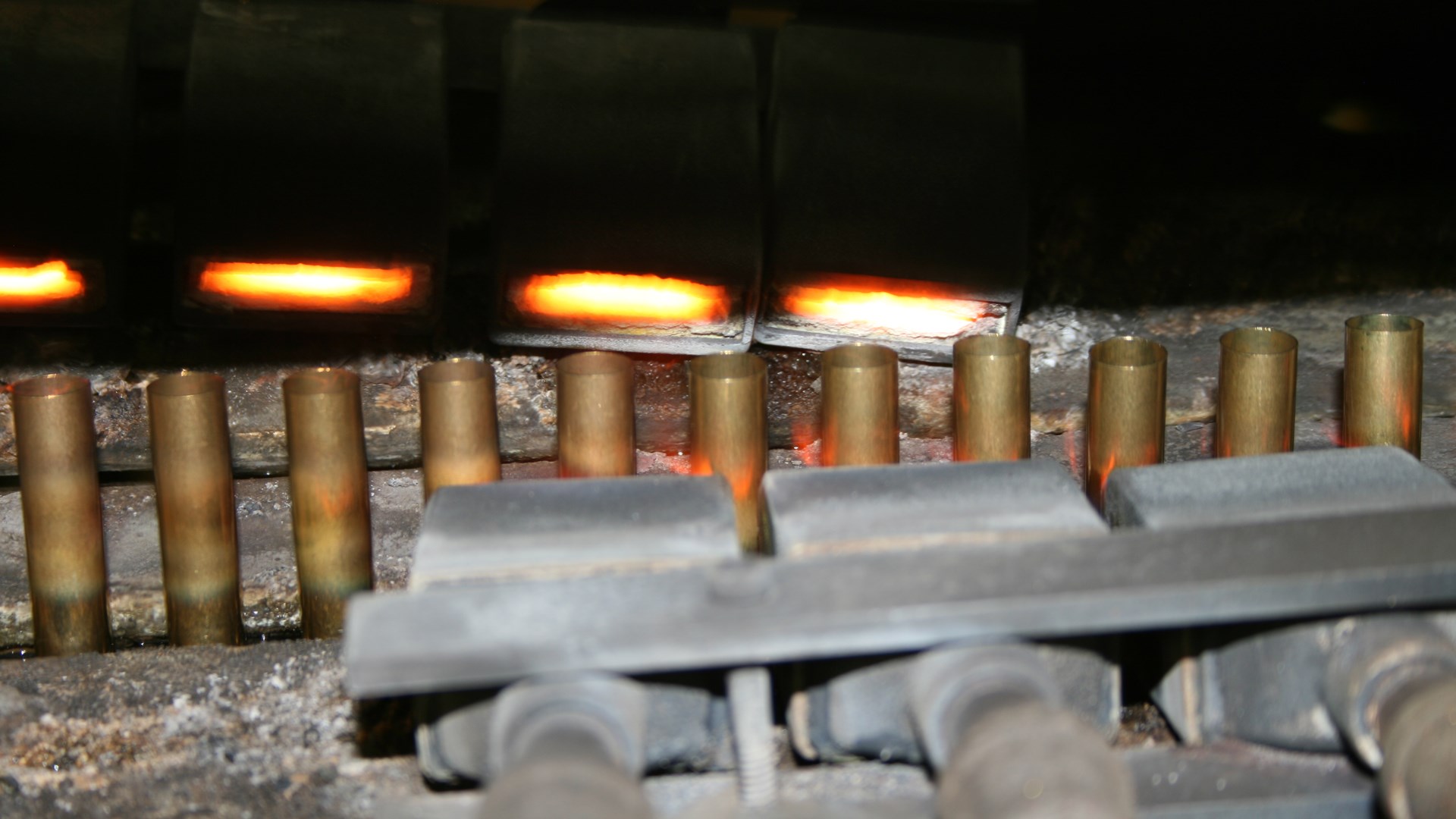
As such, expect to reload. Sounds simple, right? Wrong. Unless the “wildcat” is popular, the dies could be custom and, you guessed it, expensive and challenging to attain. So too can be the brass if it’s an oddball parent. I’m thinking of you .225 Winchester, 7-30 Waters, .30 Mauser and 8mm Rem. Mag. (if they can even be located at all). And, should you decide to sell that rifle-die combo later, expect to take a hearty hit; the new tinkerer won’ t love it as much as you did, and thus you’ll likely receive a lowball offer. So it goes with unusual wildcat cartridges.
Two
Improved ballistics sound nice, don’t they? After all, an extra couple hundred feet per second flattens the trajectory a bit, reduces wind deflection, and increases on-target energy. You know another way to gain velocity? Change to another factory cartridge. If the .250 Savage is too slow, step up to the .257 Roberts. The .257 “Bob” inadequate? Get a .25-06 Rem. That still too slow? Splurge on a .257 Wby. Mag. Analogously, why get a .30-06 Springfield when any of the numerous .300 magnums—especially the .300 Win. Mag.—can provide a significant boost in velocity. Sure, ammo is slightly pricier, felt recoil is stouter, you’ll lose a round or two of capacity, and the rifle will likely be heavier, but it’s smart if you’re craving true magnum performance from a century-plus cartridge.
Ballistic gains can also be achieved using ammunition such as Hornady’s Superformance. For example, in the enhanced Superformance .30-06 Springfield load, a 165-grain SST bullet is propelled to 2,960 fps, resulting in 3,209 ft.-lbs. of energy at the muzzle. In Hornady’s American Whitetail series, the projectile is 60-fps slower, for 3,081 ft.-lbs. of energy. When comparing Hornady’s Superformance and Outfitter loads when using the 150-grain CX bullet, the difference is approaching 100 fps—just by switching loads. Wouldn’t it make more sense to choose a standard chambering and use enhanced-performance ammunition rather than opt for a wildcat? That’s for you to decide.
Three
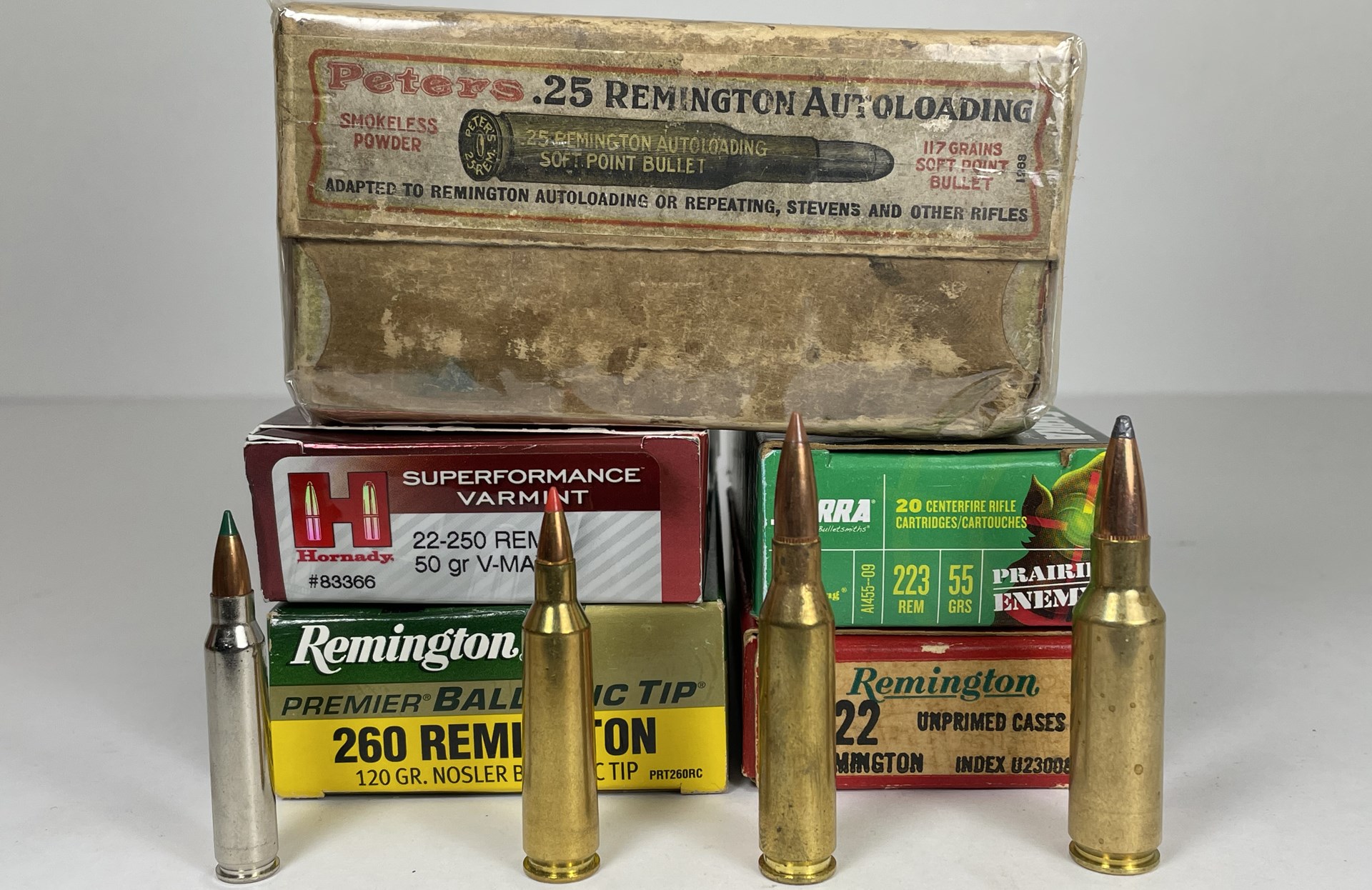
Wildcats can be a blessing and a curse when it comes to ammunition and their components. During times of shortage, such the last half-decade, locating oddball parent cases can initially be easy, as few shooters/hunters want them. It’s easy pickings. But, once those .225 Winchester—and similar—cases are gone, good luck. When production ramps up again, guess what aren’t being made until the workers are twiddling their thumbs—your brass. In the meantime, your stockpile becomes more valuable than gold, and you’re likely unwilling to use it at all. Not good. Meanwhile, the .223/5.56 aficionados are still blazing away, perforating cardboard, paper and prairie dogs.
Now suppose that you’re traveling with your cherished rifle in a one-off wildcat—especially internationally. Your rifle arrives but the bag in which your ammo is stored, doesn’t; it has found a different destination. Should a store nearby be selling ammunition, it’s highly unlikely that it’ll have what you need; rather, you’re better off praying for the safe, timely arrival of your bag and hope there’s a camp loaner in case it doesn’t. Or, you could take that rifle and another one in a common chambering, just in case. But that seems ridiculous, doesn’t it? Just like the offer you’ll receive when you offer to sell a rifle in .25 Krag Ackley Imp, .270 Gibbs Match, .284 Jazz or some similarly bizarre chambering. Beating a dead horse, I know.

Moreover, if your optic takes a hit or must be replaced while abroad, and you must use more ammunition than expected, how do you replace it? You can’t. Of course, I can create scenarios—increasingly more unlikely, though possible—endlessly, but you get the point. In short, owning a wildcat can be complicated and cumbersome.
When it comes to choosing a chambering, there’s frequently a desire to have something unique—an elusive wildcat. As illustrated in this article, though, there are several reasons to opt for one, as well as just as many not to. So, what should you do? Apply logic, forego feelings and be unpretentious; and you’ll discover your answer.