Let’s face it—it is 2023, and deer hunting has evolved far past just “bailing off and milling around” in the timber. Because of exhaustive management efforts nationwide, there have never been more trophy bucks patrolling our woods than there are right now. These four- to six-year-old bucks are smart and very elusive. Therefore, we must use every tool in our deer-hunting box to get close to these big bucks, get them in the freezer and on the wall.
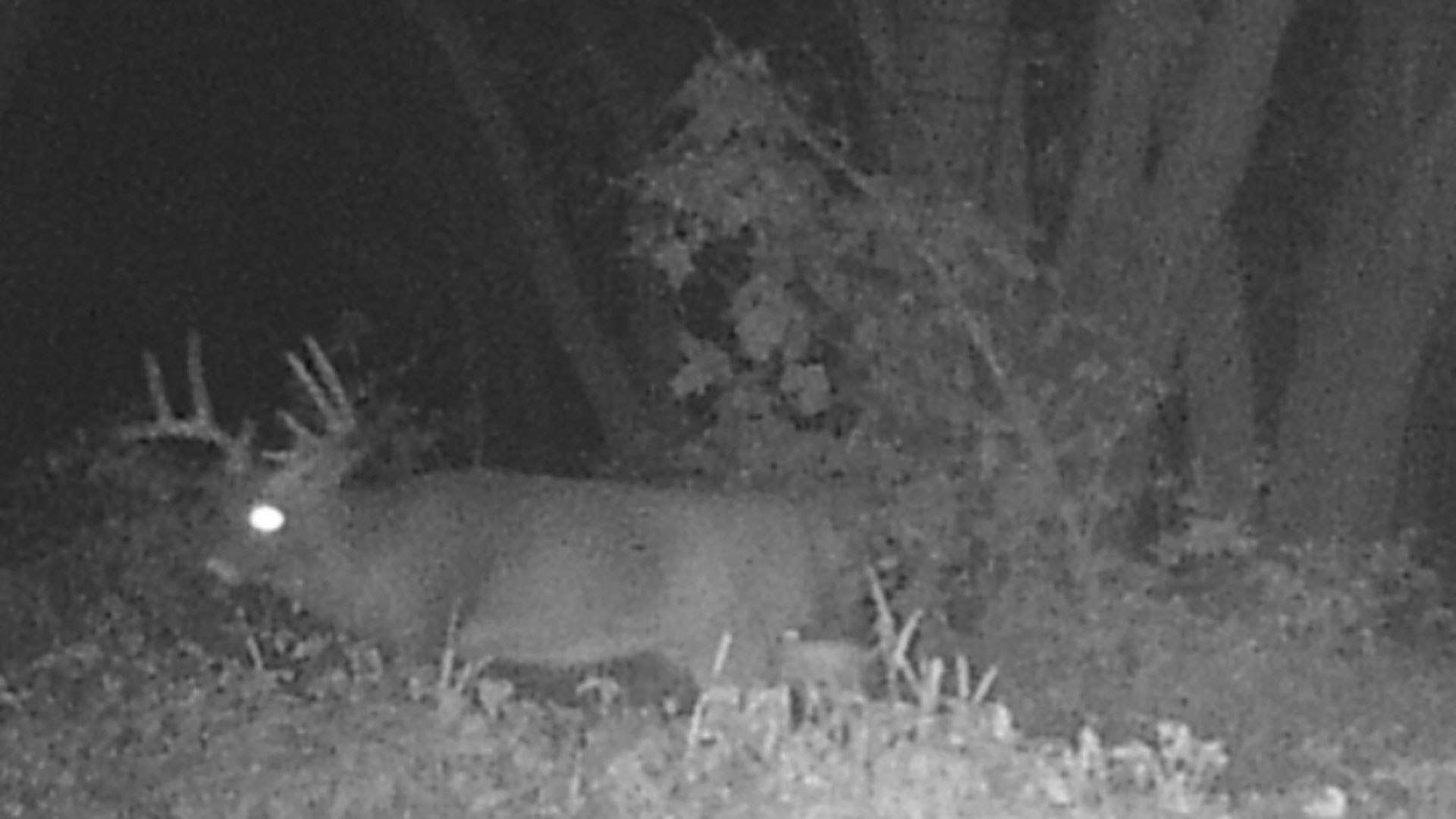
Getting close to mature deer takes time and effort. Sure, there are those guys that get lucky and sit down in the right place at the right time. But more often these days, serious buck hunters do their homework and know where a buck lives and what his habits are. Some of the best tools for the collection of this important data are trail cameras.
Trail Cam Types
First, there are the old stand-by units that use an SD card and take static, motion-activated photos. You have to physically go to the camera to check the images. I still use a couple of these myself. For the money, these are the most cost effective.
Then we move to the more sophisticated units that record both still and video images. Some of these cameras use cellular networks to send the images directly to your smart phone, tablet, laptop or desktop computer. Covert has just such a unit. The series LTE has a 100-yard range and sends the images to your selected device. The drawbacks with cameras like this are not only the initial cost, but the requirement to have them on your cellular phone plan. You must decide ahead of time how much you are willing to invest in your trail camera program.
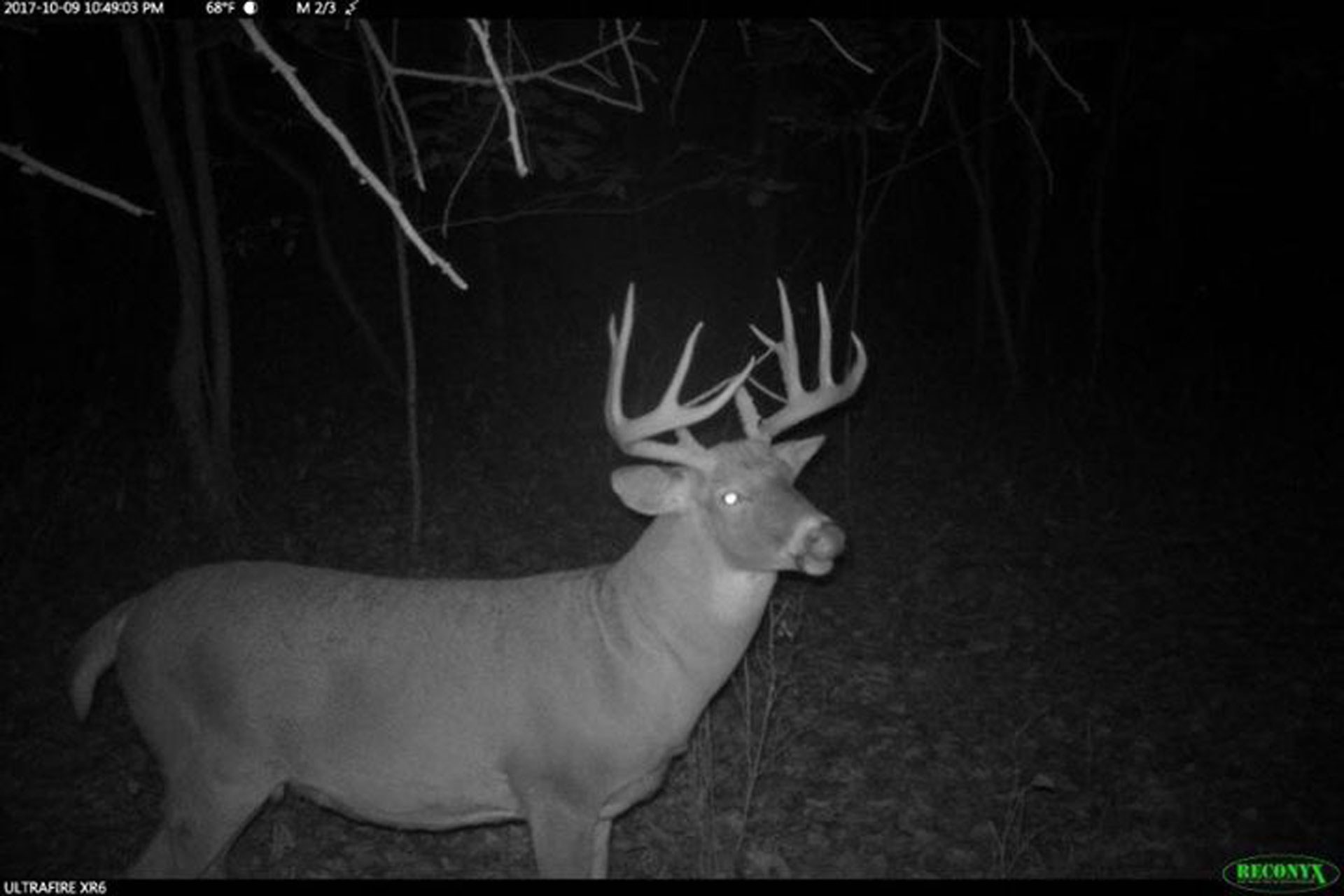
Other options to consider are SpyPoint, TactaCam and GardePro. Any of these will work well and come with varying types of warranties. I suggest watching for post-season sales online and at major retailers.
Trail Cam Placement
Trail camera placement is not rocket science. Natural funnels, timber pinch-points and field edges are perfect choices, as are logging roads and deer trails themselves. Also, when you attach your trail cams to a tree be sure you are pointing it in the right position. Deer are not as tall as you might think. Keep your camera about waist high on the tree. You might also consider putting a small branch under the bottom edge of your camera. This will keep the unit level and help prevent getting lots of photos of blowing weeds and the deer’s feet and legs.
Checking Trail Cams
The most important thing to remember about trail cameras is how to approach them to place and switch memory cards or check your unit. When you enter the woods for a hunting day, there are many things you do to help make yourself more successful and less likely to be detected by the deer. Go through the same process when placing and checking your trail cams. You probably put on clothes that have all unnatural scents eliminated from them. You enter and leave the timber so quietly that an Army Sniper would be proud of you. You do everything within your power to make sure no deer know you are there.
However, most guys I know that use trail cameras run right out a couple times a week in their jeans and t-shirts to check the results of their units. They ride their ATV’s right up to tree and come and go on the exact same path every time. They very successfully get early season photos of great deer and cannot figure out where their bucks go by the time the season arrives.
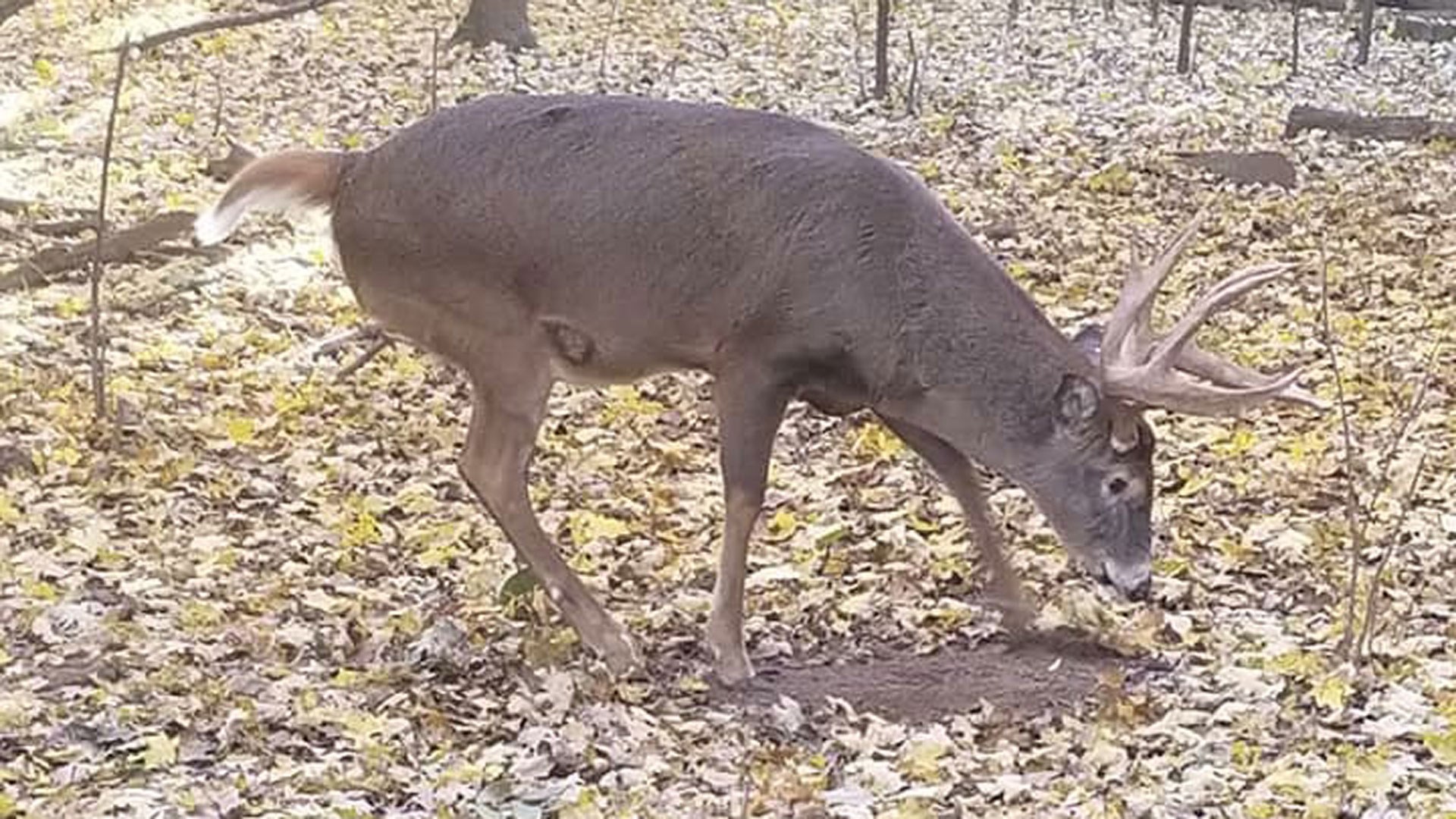
You must treat your hunting area the same when placing and checking your cameras as you do on the best hunting day of the year. It may sound like a lot of trouble, but why spend your hard-earned dollars on great equipment, then screw-up your hunting spot by not using them correctly. Your trophy buck should never know you have been in his house until you release the arrow or squeeze the trigger.
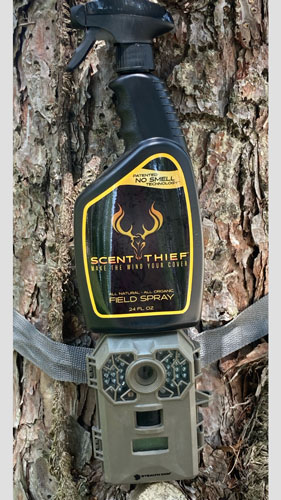
One of the very best tools in my “Fooling Deer” toolbox is a product called Scent Thief. This scientifically designed product was formulated by Russell Epperson in SW Missouri, and is neither a cover scent, nor an attracting scent. Epperson is a coyote trapper and developed the product to prevent coyotes from smelling his scent on his trap sets. I have used this product for several years now while both deer and predator hunting. It actually prevents the animal from smelling you, and anything else, by blocking the scent signal from the nose to the brain. I would not set a trail camera without using in on my boots, my clothing and the camera.
Trail Cam Data
Finally, let’s talk about what information you are actually trying to glean from using trail cameras. The answers to that question vary greatly. Some hunters say they are just trying to establish fawn production and herd size. Others are wanting to get a handle on their buck-to-doe ratio. Getting information on mature buck movement can help with planning stand placement. Still others are watching for the presence of predators and/or trespassers.
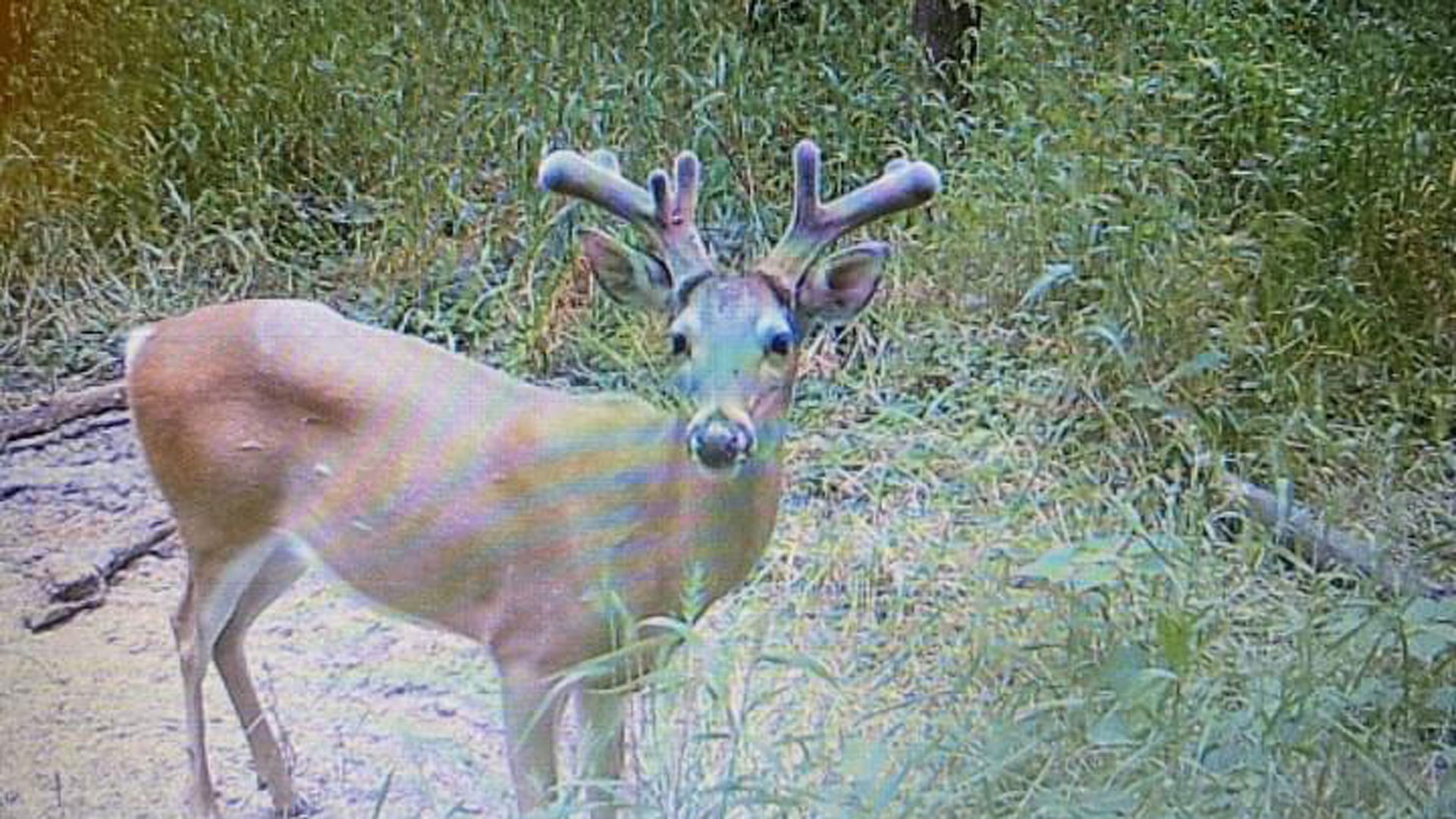
Trail cameras can be highly successful in gathering all this data, if used correctly. But it can be costly. There is no way to keep your eye on several hundred deer hunting acres with one or two trail cameras. That is not to say, if that is all you have don’t use them. Some information is much better than none.
Bass fishermen have used electronics to improve their success rate for decades. We as deer hunters should follow their lead and give ourselves every advantage we can. Tech-up your deer hunting and be prepared for greater success. Remember though, thousands of great deer were taken every season before trail cameras became available. Do not let modern technology take the place of your basic deer-hunting skills.