On June 26 the 2026-2027 Federal Migratory Bird Hunting and Conservation Stamp, aka Duck Stamp, went on sale. The fact it raises about $40 million for conservation annually gets the headlines, but there are underpublicized benefits for making the $25 purchase—even non-hunters.
Free Pass
“A current Federal Duck Stamp is also a free pass into any national wildlife refuge (NWR) that charges an entry fee,” U.S. Fish and Wildlife Service (USFWS) explains on a web page dedicated to the stamps. “Because nearly all of the proceeds are used to conserve habitat for birds and other wildlife, birders, nature photographers and other outdoor enthusiasts buy Duck Stamps to help ensure that they can always see wildlife at their favorite outdoor spots.”
Admittedly, the stamp costs more than the average NWR entrance fee, which sometimes isn’t even required. It is, however, convenient and the savings can add up for anyone with a deep appreciation for wildlife who travels regularly.
It’s another way for artists, photographers and any outdoor enthusiast to support conservation efforts nationwide. USFWS explains, “98 percent of the purchase prices goes directly to help acquire and protect wetland habitat and purchase conservation easements for the National Wildlife Refuge System.”
The new stamp is valid from July 1, 2026, through June 30, 2027.
Collectors
Philatelists—aka, stamp collectors—buy them. Hunters do too, and not all of those will be put to work during waterfowl seasons.
The first Federal Duck Stamps were issued in 1934. If you have the one your grandfather spent a $1 bill on that year, and it’s in mint, unused condition, you might get $750 for it today. Slightly tattered and used it could fetch a little more than $100. More recently issued versions, of course, are considerably less. Have a complete or partial collection? The price for those sets, in good condition, goes up dramatically.
The above statements are not investment advice—or even close. They are, however, reminders there are multiple reasons to buy a Duck Stamp. Conservation is, of course, the biggest and brightest for the future.
$1.3 Billion for Wildlife
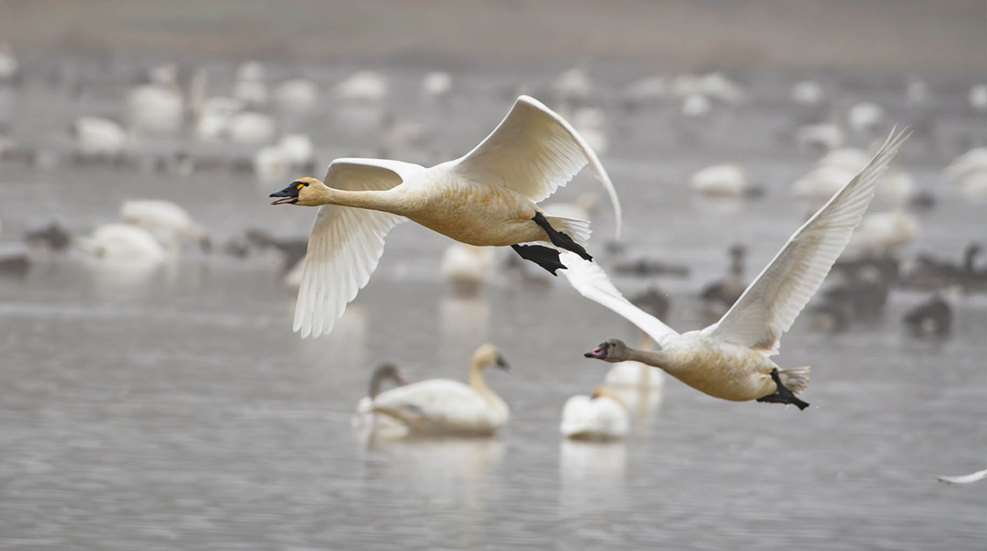
“Since 1934, sales of this stamp have raised more than $1.3 billion to conserve over 6-million acres of wetlands habitat on national wildlife refuges around the nation,” USFWS wrote in the press release announcing they were on sale. “Waterfowl aren’t the only species that benefit from wetland habitat conservation. Countless shorebirds, herons, raptors and songbirds, along with mammals, fish, native plants, reptiles and amphibians rely on the same habitats. Many migratory species, including Birds of Conservation Concern, such as the yellow rail, black tern and prothonotary warbler, depend on wetlands and nearby uplands for feeding, breeding, migrating, wintering and resting.”
The new stamp was painted by James Hautman of Chaska, Minn. His depiction of three buffleheads was chosen in September 2025 from 290 entries in the country’s only federally regulated art contest.
For more information, or to purchase a Duck Stamp directly from USFWS, fws.gov. It’s an unusual option when shopping for a hard-to-buy-for outdoor enthusiast.