The place screamed elk. Dozens of piles of fresh pellets littered the ground, and tracks were imprinted around the edges of a small spring. Grass was chewed down to the roots. At the time, I didn’t realize the significance of what I was looking at or what it meant. Obviously, elk were here recently, and it appeared they’d spent much time in the area.
I’d been walking through a lodgepole pine thicket, not able to move quietly in the noisy woods littered with branches and fallen trees. I was hunting blind, learning the new country and just seeing what was out there. I was so intrigued with the impressive amount of elk sign in that small area that I returned two days later. This time, the wind was in my favor, and a soft rain had quieted much of the forest debris underfoot. As I approached the spot, I stopped and waited. My plan was to carefully look the area over from a distance. If elk were around, I wanted to see them first.
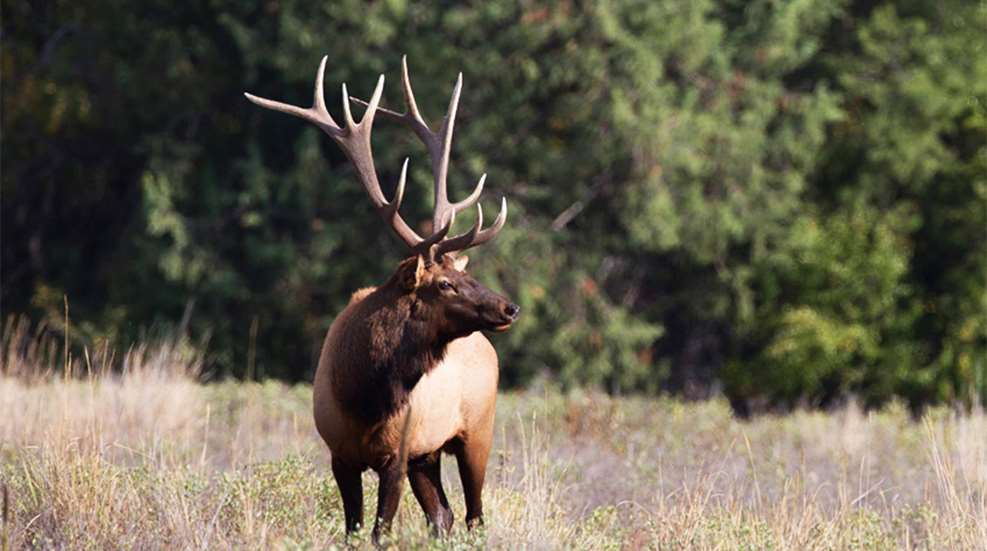
I’d been standing there 20 minutes and thought I saw slight movement in the timber. I eased my binos up and was astonished to see part of an elk’s body; it was bedded next to a log. Intensive glassing revealed what I thought could be antlers, but I wasn’t sure. Branches and twigs offered a confusing scene, but the elk’s very blonde fur suggested it was a bull.
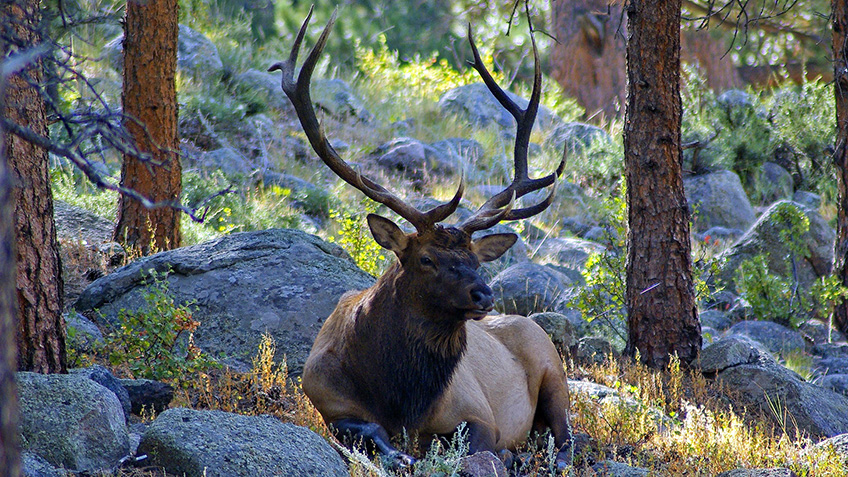
Then the elk shook its head slightly, and part of the branches above it shook, too—antlers! No question about it. Another close look with my binocular confirmed it; I was able to make out main beams and tines. The bull was bedded in such a position that I could drill a bullet into his vital area. I rested my rifle on a tree branch and squeezed the trigger. The bull lurched a bit but never got up. He wasn’t huge, but he was respectable, with six points on each side, though three tines were broken from fighting.
Curious, I walked around the area, especially the spring. There were plenty of tracks in the wet ground, but they were all the same size, and they were definitely bull prints. Then I realized a herd of elk hadn’t been inhabiting this place at all—it had to be the lone bull.
A few years later, I was sitting around a campfire high in the mountains. I was hunting with an old pal who taught me much about elk hunting. He was as close to being a genuine mountain man as anyone I knew and was one of my mentors. As we chatted, I told him about my experience with the lone bull.
“You stumbled into his nest,” he said. I looked at him quizzically and he explained. “Many times after the rut, a bull will head off by himself, usually in a remote spot in thick woods. He’ll find a small area in a clearing with plenty of grass and water. He’ll stay there for a week or more. During the rut, he’s busy fighting and breeding. He doesn’t eat much and wears himself out. By the time the rut is over, he’s weak and tired. What he needs is rest and plenty of forage, and there needs to be a water supply.”
I thought about my encounter with the solitary bull. Indeed, it appeared he’d been living there awhile, judging from the heavily grazed grass and abundance of tracks.
Our campfire chat occurred many decades ago. I’ve put the information my friend shared to good use many times. Now, when I see a place in the timber where there’s grass and water, and plenty of fresh tracks, I ease along and look for a solo resident. Sometimes I’ll stumble into a spot, not realizing it’s there, and spook the bull bedded in the timber. He might be 50 yards away, or several hundred. I’ll mark the spot with my GPS, or if there are landmarks around or the spot isn’t difficult to find, I’ll make a mental note and sneak in another day or two afterward.
This strategy doesn’t always work; the bull might have left the spot a day or more before you arrive, or he might sneak out as you approach, but typically, an alarmed bull will bust out of cover, crashing loudly through the woods.
I was eager to learn if an elk returned to his same hideout year after year. A whole lot of hiking and sneaking taught me that they indeed do, but not all the time. But the way I look at it, any advantage you can use when pursuing these big animals will help you increase your chances of scoring. And when you consider that hunter success in the elk woods is dismally low in most states, you want all the help you can get. The next time you come across a bull’s nest in the forest, stop, look and listen. Don’t give up on it if no elk are present. When they are, and you’ve done everything right, you might very well tag your bull.
And remember that there are tens of millions of acres of public timberland in the National Forest system in elk country, almost all of it accessible to hunters. There are no fees, and you’ll see no posted signs. Somewhere in there, your bull is waiting for you.