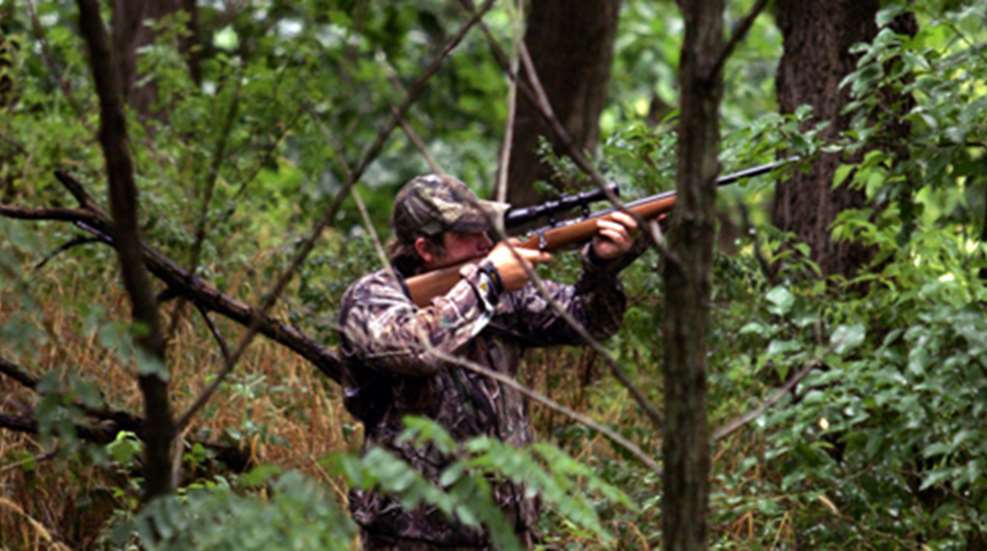
Like most kids who grew up hunting in my generation, I cut my sporting teeth on squirrels. The game was abundant, the guns required were small in caliber or gauge, it didn’t require the patience of hunting larger game and any small woodlot provided opportunity. But as I grew older and whitetails consumed much of my autumn attention, squirrel hunting got pushed aside until after the season closed. Then, as almost a respite to the pressure I put myself under to score on a nice buck, I would return to the woods in pursuit of the few squirrels still scrambling around the naked, freezing tree limbs of a January forest.
The problem was, by then there weren’t as many squirrels darting out from any tree bottom as there were when I scouted the deer woods early in the fall. I would return to spots where I had watched more than a half dozen of the creatures scurry about in preparation for winter and be lucky to see one or two. I longed for the more target-rich early season, and a few years ago, decided to carve out a few hunting days when the season first opened to take advantage of the abundant game. I’m glad I did. Not only did I find the hunts more action-filled, but as it turned out, it was also an excellent tune-up for the fast-approaching deer season and allowed me to still get some scouting time in as well.
For the hunter struggling to find quality places to hunt deer, ducks or other larger, more popular animals, small game such as squirrels can offer a gateway onto properties that might otherwise be off-limits. Indeed, it doesn’t take much land, and as long as you are not interfering with other activities, most landowners won’t mind a few squirrels removed from their property.
1. Pinpoint Top Spots
At first blush, it might seem that squirrel hunting requires little thought beyond finding a comfortable stump or blow-down to sit on and wait for the chattering masses to arrive. But like any hunt or activity worth doing, you will always get better results when you take the time to properly plan and execute a strategy. Don’t just stroll into the woods aimlessly. Instead, start by identifying and focusing on food sources.
White oak acorns and acorns in general will always be a top attractant for the buck-toothed creatures, but in early fall, squirrels prefer beechnuts to virtually anything else in the forest. Find a beechnut tree laden in mast and you will have discovered a live-action shooting gallery. Walnuts can also be an attractive food source, though they require a little more work for the squirrel. In the absence of hardwoods, large cone-filled pine trees will attract the animals, who like to peel the hard brown pedals back to reach the soft, tasty nuts inside. Look for pines with a large number of shredded pinecones on the ground below it as a sign that you have found a squirrel hot spot. Freshly cut or turned fields of corn, soybean and especially peanuts will also bring squirrels into the open as they scavenge hungrily for the waste grains littering the ground.
2. Choose Your Ambush
Check the trees that surround these food sources for squirrel nests or dead trees with holes that might provide a good den, and get there just before daylight or, if hunting in the evening, a few hours before dark. Squirrels won’t travel far between food and shelter, so camo up and situate yourself between what looks like the most likely food source and the best possible nesting area. Wind isn’t a concern with squirrels, but looking into the sun as it rises or sets can certainly make shooting difficult, so be sure to situate yourself so the sun will be at your back. This will also aid in keeping you concealed in the shadows. Woods squirrels aren’t like the ones running around your suburban home, and movement or anything that looks out of place will send them into hiding or at least keep them from moving.
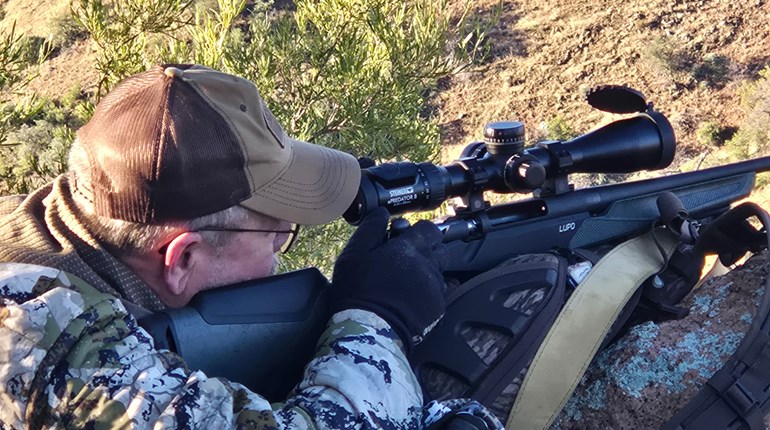
I’ve always been a big shotgun fan—and certainly a lightweight 20-gauge or even a .410 loaded with No. 6s can be ideal—but I prefer a scoped .22 for this type of hunting. The small caliber allows you to pinpoint shots on high or distant limbs that might test the pattern and effective range of a shotgun, and also makes less noise, which will ensure remaining squirrels aren’t as spooked and will begin moving again sooner after your shot. Some of the newer AR-style .22s, such as the Mossberg Tactical .22, topped with a 1-4x variable optic, make perfect squirrel guns, particularly if you are looking at multiple targets and hoping to follow up quickly without needing to take your eyes off the game to reload or rack a new round in the chamber. For traditional gun enthusiasts, long favored semi-autos such as the Remington 597 or Ruger 10/22, perform equally well. Red-dot sights continue to grow in popularity, especially for short-range shooting scenarios, but because of the diminutive size of a squirrel’s head among the foliage of early fall, I strongly suggest some sort of magnification, unless your eyesight almost exceeds 20/20.
3. Plans B and C
For maximum success in reaching your bag limit, identify three or four likely hot spots that offer squirrels the right mix of abundant food and nesting. After shooting a few from one spot, you can ease into one of these new areas that haven’t been disturbed. Activity may drop off as you get into position, but after 10 to 15 minutes of silence, squirrels should begin moving again and presenting shots. This keeps you from overshooting a spot, and prevents you from sitting excessive amounts of time after shots before squirrels begin to move again.
In identifying these locations beforehand, pick where you’re going to sit at each and determine the best, most silent way to enter so as to minimize the amount of disturbance you create. A fresh crop of autumnal leaves have usually not fallen yet, so a hunter with lightweight boots can typically slip into a spot with much less noise than he will make after the trees begin to rain down their litter.
4. Make Some Noise
While the majority of squirrel hunters simply sit and wait, a fun and oftentimes productive twist to throw into your game plan is to bring along a squirrel call that allows you to make both barks and squeals and blow a distress call as you slip into an area. The distress signal will send squirrels in the surrounding area scurrying and barking in alarm, betraying their position in the leaf-covered limbs. Identify where the closest one or two are, watch for their movement as you ease into position and, if necessary, bark lightly to get them to respond and pick out their location again. This method can add more excitement to the hunt and help you pinpoint squirrels more easily than if you simply sit back and wait for them to show.