Duke was deadly effective at finding crippled pheasants and delivering them to his owner, Rex. Unfortunately, he also found and delivered rocks. Large rocks, small rocks—any rocks. If Rex tried to throw the rock away, Duke just brought it back. So Rex trudged the world under the weight of rocks in his pockets.
“Too bad you can’t train him to bring back something a bit more useful,” I once joked to Rex. “Like gold nuggets.”
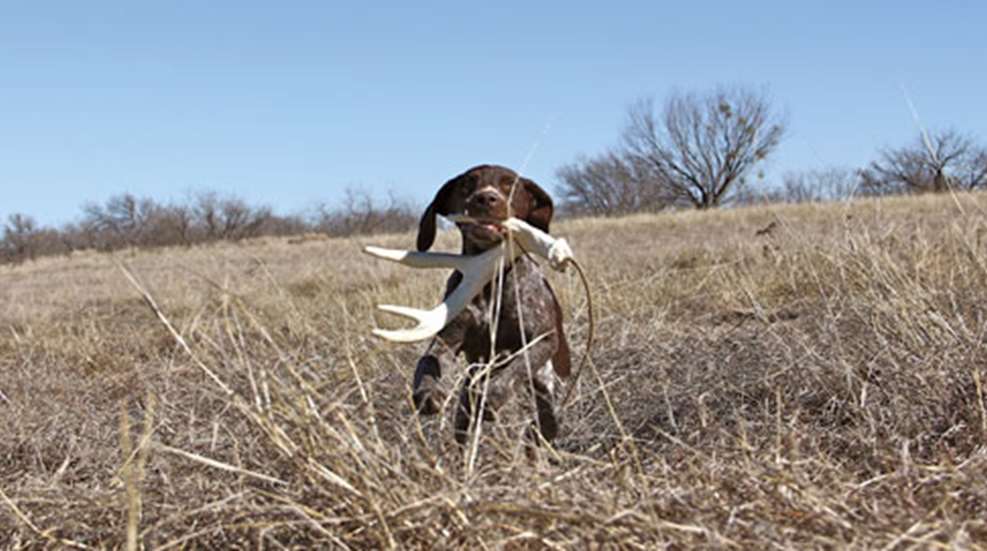
I didn’t realize it at the time, but I was onto something. We hunters really can train our retrievers and even our bird dogs to prospect for gold—antlered gold.
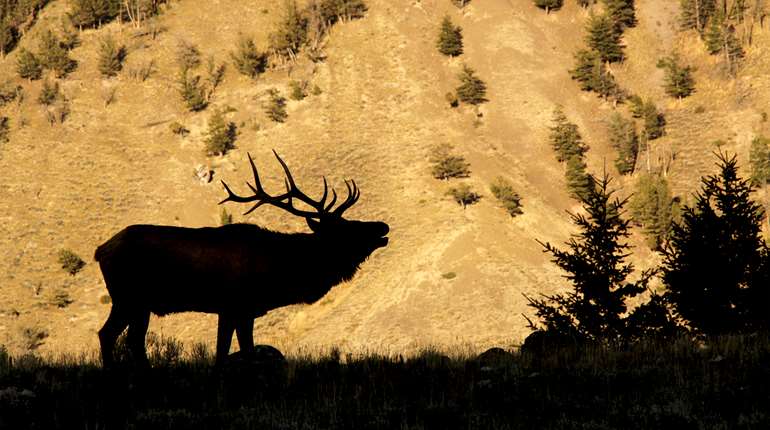
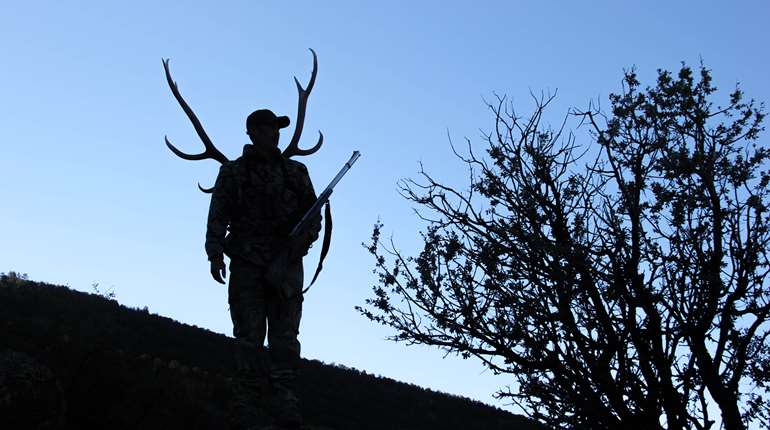
Anyone paying the slightest attention to the wonderful world of whitetails understands there is a huge and growing interest in shed antlers. The used bones make handsome chandeliers, doorknobs, lamps, towel racks, knife handles and much more. They sell by the piece, the set or the pound, and some massive sets sell for thousands of dollars (though most are worth only sentimental value).
Hunting shed antlers is becoming as popular as hunting mushrooms, wild asparagus or even un-shed antlers—you know, the ones still attached to the deer. Serious shed hunters are fanatics, devising strategies and even “antler traps” to garner old bones. The really smart ones hire canine help.
It makes sense. If dogs can be trained to sniff out drugs and explosives, why not antlers? Actually the amazing thing about antler-hunting dogs is not that they can be trained to find antlers, but that we only recently began training them. While we stroll through woods and fields looking for the distinctive white curves and points of dropped antlers, our four-legged partners can be covering five times more ground and looking with their noses as well as their eyes. They find the bones lying in thick brush, behind logs, even half submerged in swamps. Your reward is additional antlers. The dog’s reward is a good long run and indulging his hunting instincts.
“My German shorthair learned to search for and bring back sheds in about three weeks,” said DT Systems pro-staff member Ethan Pippitt. “Training him was pretty easy. It’s just scent recognition and building positive association with an antler.”
With just those basic tactics, even a rank amateur could devise several training scenarios that would work. For instance, you could place a shed antler beside your pup’s food dish. Each time you feed, put down the antler first, then the food. The pup associates the antler’s shape, texture and smell with the joy of eating. Another step might be to replace the dog’s fetching dummy with a chunk of antler. Use a blunt, straight piece to minimize any chance for injury, especially with a clumsy pup. If you don’t want the pup fetching hard or sharp antlers, check out the DogBone dummy antler from mooreoutdoors.net. It’s a soft, flexible antler designed specifically for training pups to fetch without fear of injury. After the pup is fetching the fake antler with enthusiasm, add a bit of shed antler scent (available from the same source) and move into blind retrieves.
“It’s crazy how easy the DogBone antler makes the training,” Pippitt said. “Puppies are excited about the shape, smell and look.”
While Labs, goldens and other retriever breeds seem obvious for this training, pointing breeds might result in more antlers, according to Pippitt. “On average the pointing breeds have better noses, so they have the potential to uncover more sheds,” Pippitt believes. “Once I had my shorthair excited about retrieving the fake antler, I added scent and hid it in the grass so he’d use his nose to hunt for it. Then I began setting the antler in the field while working the dog on planted birds. He’d find birds and antlers in the same run. Because I’d already been training him to retrieve the antler, it was natural for him to bring it in.”
Praise a dog for that and you know what will happen. But will this confuse him or ruin his primary mission, birds? Nah. It just becomes another trick in the dog’s repertoire. If you’re worried about him veering off a bird to fetch an antler, use a different command for fetching birds versus antlers. Personally, it wouldn’t bother me if, in the course of a day’s hunt for birds, my dog brought back a few antlers. The retrieve only takes a few seconds, and I can’t imagine the scent of an antler would lure a dog off the scent of fresh birds. Plus, unless you’re hunting a preserve in March or April, it’s unlikely you’ll encounter antlers while pursuing birds.
Don’t worry if your dog doesn’t immediately transition from birds to antlers.
“Actually, my shorthair began by pointing all the antlers he saw or smelled,” Pippitt noted.
And that’s not a bad option, either. The dog points, you walk it up and if a bird doesn’t flush, you grab the antler. The antler “points” add anticipation and excitement to your day. More than likely, however, your pointing breed will wean itself from the antler pointing habit. Pippitt’s did.
“After a month he transitioned to just picking them up and bringing them back,” the young trainer said.
If you love finding shed antlers—or even if you just want another excuse to get outdoors to work your dog—train your pup to find and retrieve what the deer no longer need. You might even consider training him to find morel mushrooms and gold nuggets.