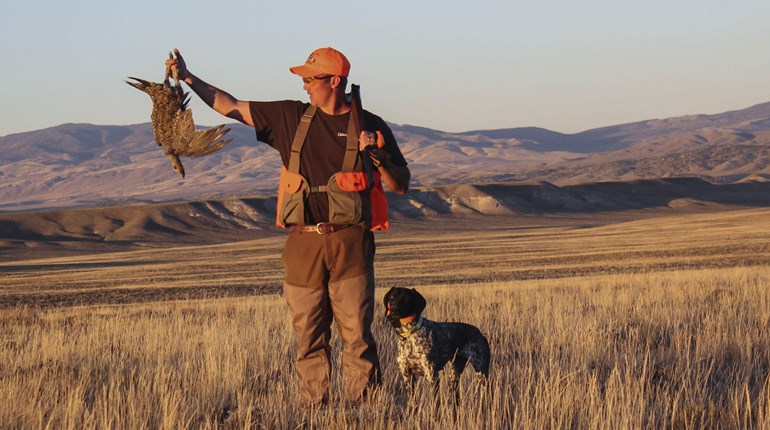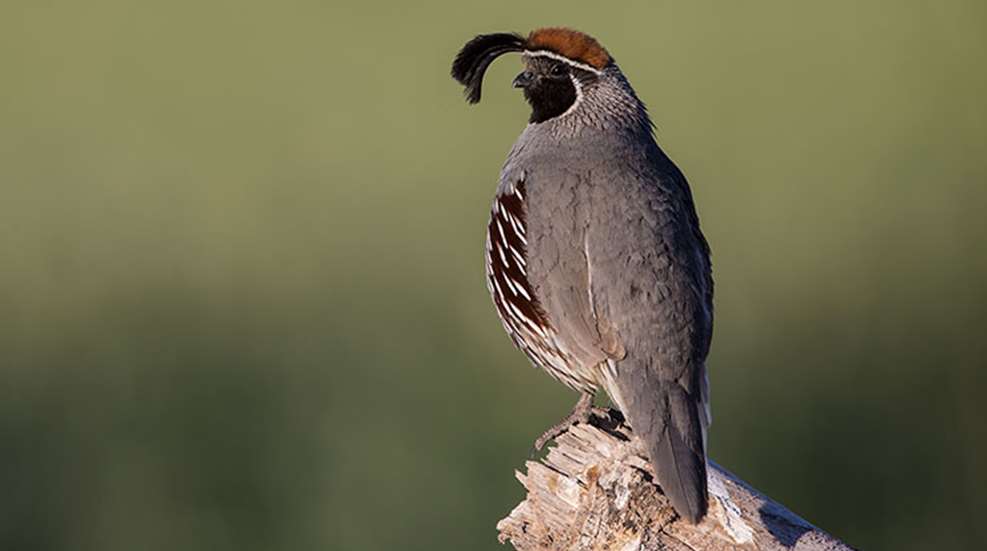
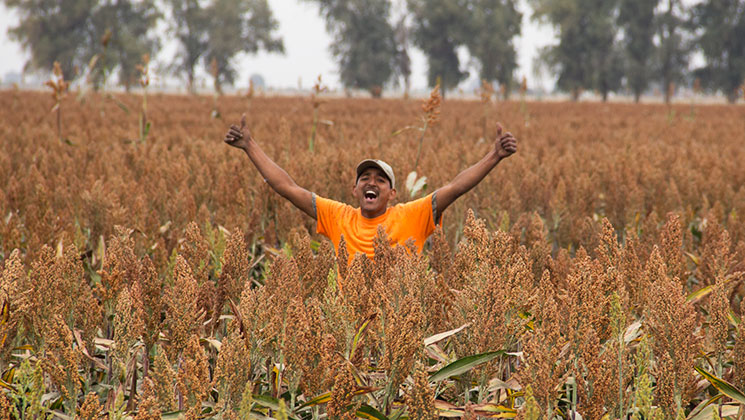
Two dozen men were cheering, in English and Spanish alike, hands in the air, the fanfare unprecedented. A casual passerby might have thought we’d won some sort of sports title. Or, given we were hunting, had killed a potential record breaker. But that wasn’t the case. No, the catalyst for the commotion was clutched in the right hand of a young local, held high above his head in triumph: all 5 ounces or so of a lone Gambel’s quail.
Bird boys are pure energy. I honestly don’t know how they do what they do. Long days pushing through thick brush, driving birds and being mindful of shotgun barrels, oft times for hunters who may not even speak the native language. Nights spent cleaning the birds their clients managed to knock down, which in Latin America can mean triple-digit totals. And then they get up and do it the next day, and the one after that, without ever losing steam—or passion. That celebration I just mentioned? It started when one of the bird boys assisting me managed to, with help from two buddies and a couple of sharp knives, recover a quail that I’d sailed into some of the impossibly thick brush found south of Mexicali. No bird would go unrecovered with this lot, I’d soon learn. And south of the border, there’s rarely a shortage of birds to recover.
Welcome to Mexicali
That Latin America is home to some of the world’s finest upland bird hunting is no secret. Thing is, most folks often key on places like Argentina or Paraguay. They’re can’t-miss destinations to be sure—but you don’t have to go that far south to get your fix. You don’t even have to leave the continent. My first international upland adventure was last fall, and it all happened a little more than an hour south of the U.S. border, near Mexicali in Baja California. Reaching this bird hunter’s paradise isn’t difficult. Our party flew into San Diego, rallied with an employee of the guide service we used and drove across the border. Transporting hunting firearms into Mexico requires a fair bit of planning and paperwork, and some patience at the border, but it’s very doable.
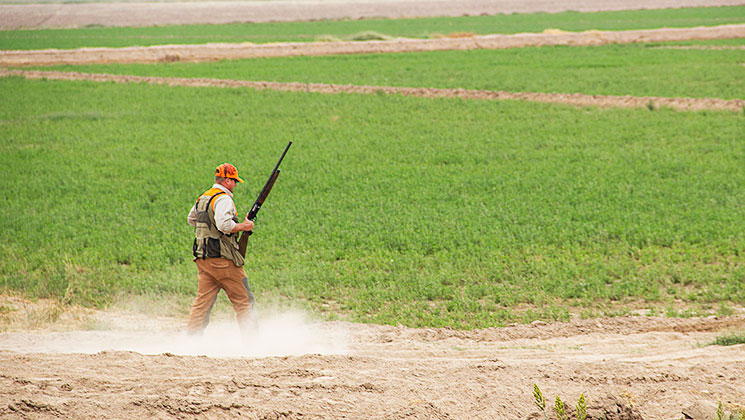
If you’ve only ever hunted upland birds here in the States, as I had prior to this trip, you’ll find a few surprises in store. The common practice in Mexico—at least as far as pheasants are concerned—is to use those bird boys I mentioned. Rather than placing a couple of blockers at the end of a field, the lion’s share of the hunters will post up. The bird boys then proceed to spread out and walk the field, making as much noise as possible to push the birds to you. A few hunters typically walk point on the outside of the field a few yards in front of the bird boys, to catch any roosters that make an early break for it. It’s a waiting game, but often an effective one. If you’re looking to hoof it, the boys typically don’t mind—just be warned that walking a field of thick milo (also known sorghum) is a heck of a lot tougher than pushing through a good ol’ cornfield. The drought-tolerant crop, harvested for its grain, is common in the warm, dry climate of the Southwest. Fields are dense and difficult to navigate, which not coincidentally is why they’re popular among the local pheasant population.
The local approach to quail hunting isn’t all that different. Your bird boys work to find a covey then do their best to drive it to you. The tactic may seem odd to some, but it’s simply how folks hunt birds in the region—and it works. If you think it’s a bit unsporting, you probably haven’t tried to shoot a quail that’s coming straight at you, evasive maneuvers already engaged, at nearly 40 mph. Pro tip: Let them zip on by, pivot and shoot them going away.
Taking Flight
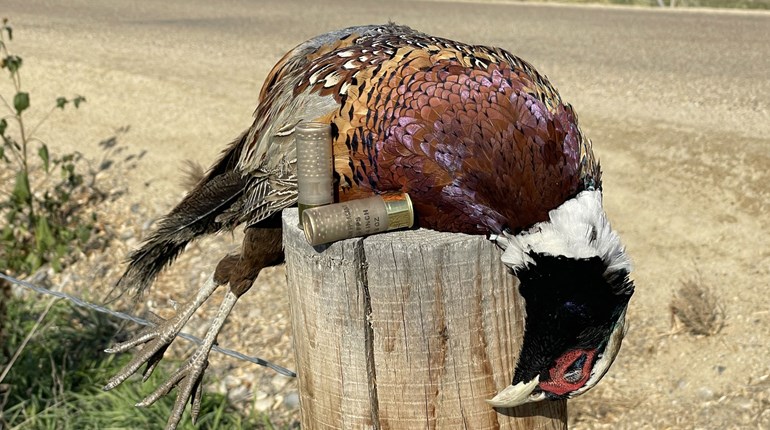
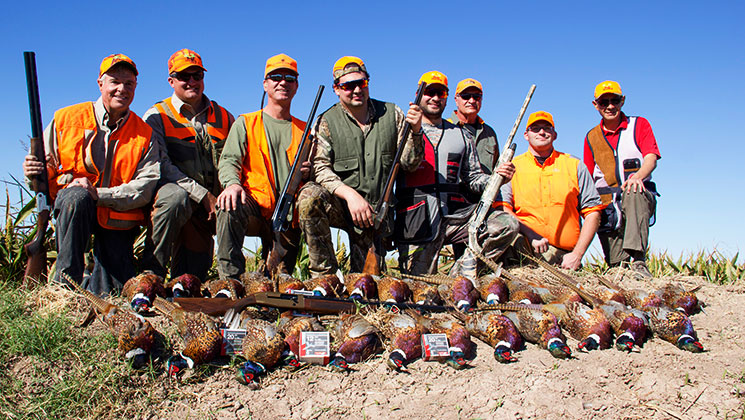
The birds are all wild, too—which, at least in the case of the ring-necked pheasants, might come as a surprise. I raised more than a few eyebrows when I told friends and colleagues I’d be hunting wild pheasants in Mexico. The hot, dry climate just doesn’t seem right for it. But they’re real, they’re wild and, so long as there’s water, they’re plentiful. The milo fields make for ideal hunting grounds—the grain is an ample food source, and the climate forces farmers to heavily irrigate their crops, ensuring the presence of water. During a good, wet year, you’d be hard pressed to compete with the sheer numbers of wild pheasant produced by the milo fields we were hunting.
Mexico in full is home to four species of quail, but the Mexicali region of Baja is best known for the Gambel’s subspecies. They’re native to the desert regions of the American Southwest and the Colorado River region of Baja California. They’re commonly confused with the California quail, but can be differentiated by both range and the small black patch on the lower breast of a male Gambel’s quail. In a good year, the coveys around Mexicali can sport hundreds of birds. They’re most often found in brush-covered dunes located around fields and irrigation canals. Still, birds will surprise you. On a particularly memorable afternoon we found a covey that had holed up in an old homestead that probably hadn’t hosted a human occupant in decades. We surrounded the aging stone building like lawmen cornering desperados in an old Western and proceeded to thin their ranks a bit.
The last bird in the Mexico upland trifecta is, of course, the dove. Pass-shooting the gray rockets as they flew into fields to feed ensured we’d burn through any surplus ammunition. When nothing else is working, the doves will be there.
Leaving Old Mexico
After a few days of high-volume shooting and chasing birds across the desert, we finally started to run out of gas. When you’ve lost count of how many boxes of shells you’ve run through—and you’ve bought an extra case or two from your outfitter—it’s been a good week. Could have been that we shot our fill. Could have been that we were embarrassed by our host, Arturo Malo, who was outshooting us with his old .410. Could have been the late nights and authentic mariachi bands. Point being, we were tired.