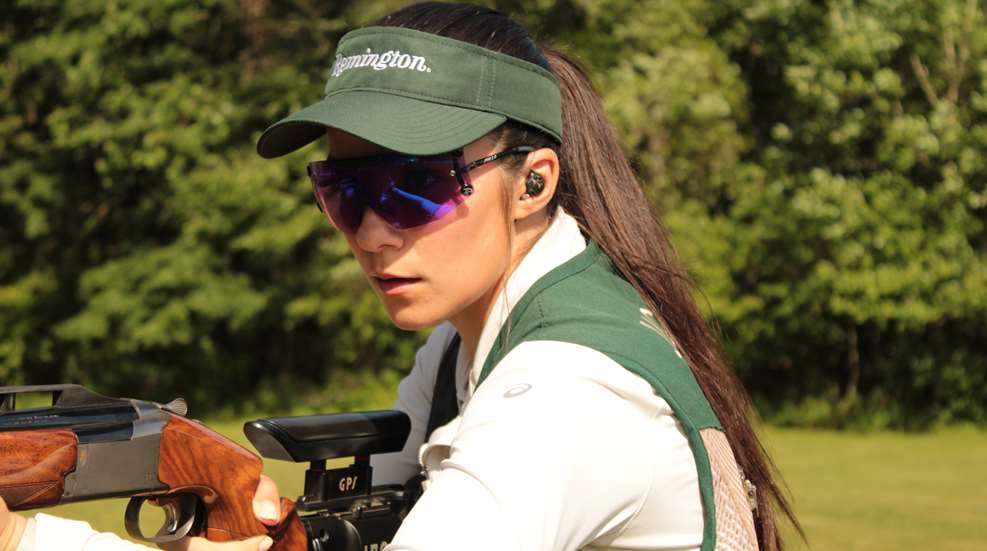
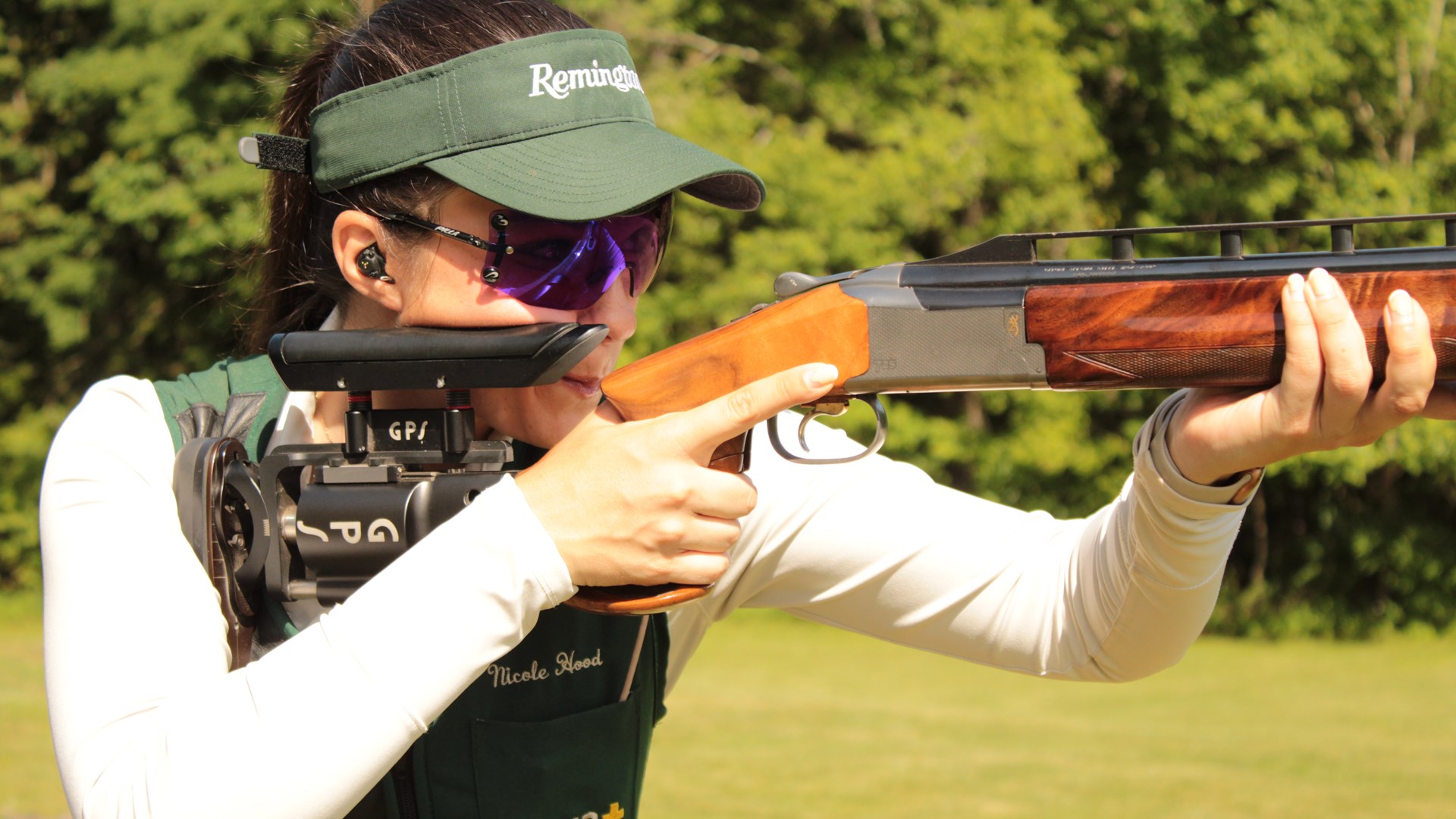
From the very first day I shot a gun, I used either ear muffs or foam earplugs, always in search of a better solution that provided protection while allowing me to maintain awareness. When I became serious about trapshooting, my dad took me to an audiologist friend who crafted custom earplugs for both of us. I had relied on these custom-molded earplugs for years, but I began to feel that I should be able to hear more without risking damage to my hearing.
While on the trap line, I often missed calls from the scorekeeper and found myself asking for repeats more than I should have. It wasn’t just me experiencing this issue; I noticed my teammates from Jacksonville University also struggled, losing targets because they misheard a call or missed a correction entirely. Although the plugs effectively blocked sound, this very function was contributing to the problem. I realized I needed hearing protection that didn't come at the cost of my awareness, and I started paying closer attention to what other competitors were using.
With social media growing in popularity in the shooting world, I started to see more of the Phantoms. I kept track of the shooters around me who used the phantoms, including teammates, and asked for their opinions. That curiosity continued at the NRA Annual Meeting in Houston, Texas, where I attended as an NRA Youth Ambassador. Walking the convention floor, I stopped at many booths and talked about hearing protection. The SoundGear and Starkey Hearing booth really stood out to me, from the friendly staff to the interactive experience. Drawing on my prior knowledge of the phantoms, I asked additional questions to determine whether the product was a good fit for my needs in clay-target disciplines.
Just as I was deciding the Phantoms were an excellent fit for my future in the shooting sports, one of the hearing professionals offered to perform a quick ear examination using a camera scope. What followed drew a small crowd around the booth. Watching your own ear canal up on a screen is one of those experiences that is equal parts gross and completely satisfying, the kind of thing you cannot look away from no matter how much buildup the camera finds. Passersby stopped to watch, laughed, and a few got in line to have it done themselves. Let me tell you, my ears felt so refreshed, and I could hear so much better. After the cleaning, the team took custom ear impressions right there at the booth. The molds were shipped off to the lab shortly after.
I expected to wait a couple of weeks, but the Phantoms showed up faster than that.
Clear by Choice
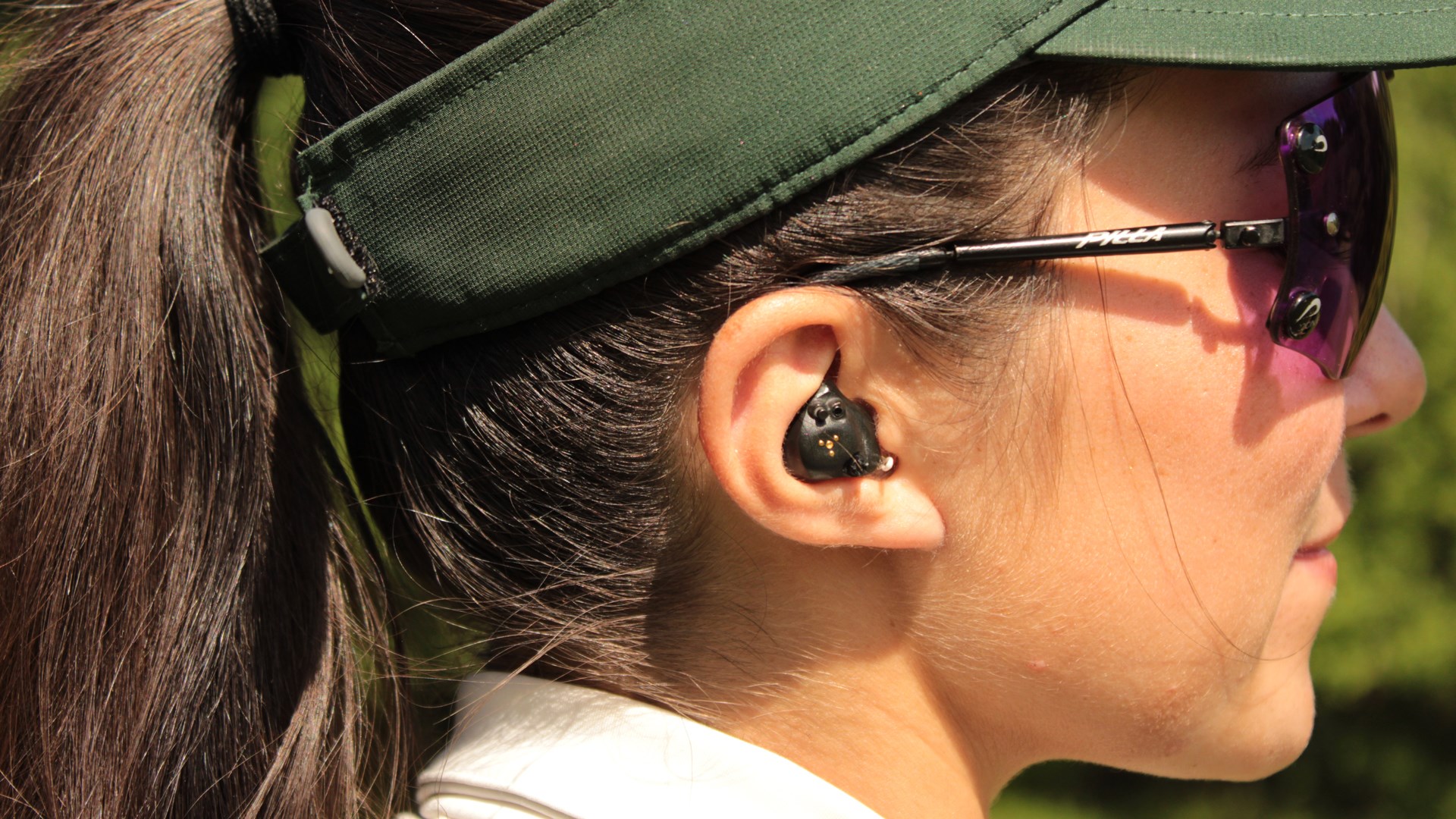
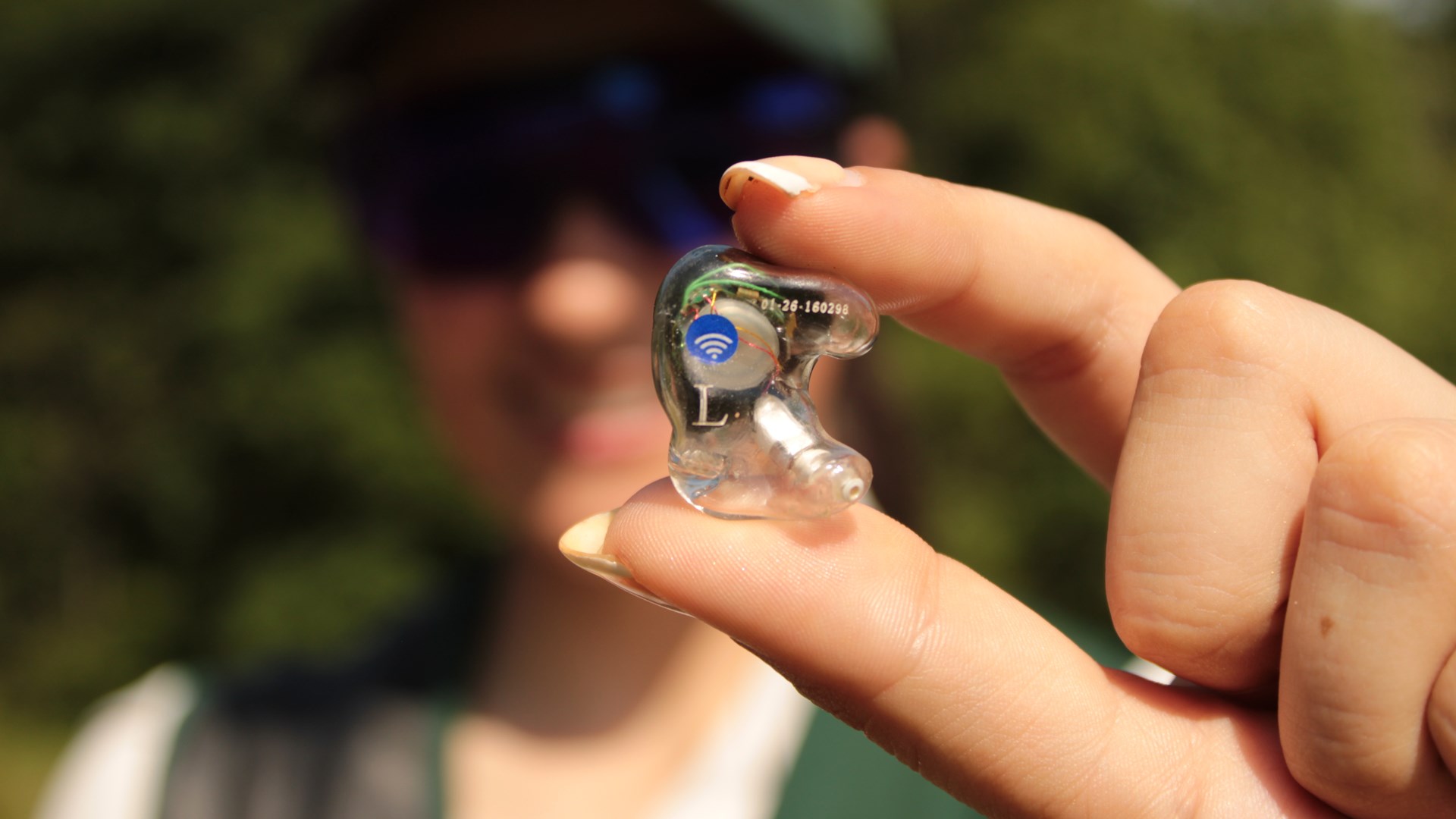
When it came time to pick a shell color, I went with clear. I am a computer science student, so being able to see the electronics inside the earpiece is something I find fascinating. Holding the Phantoms up to the light and seeing the components packed into that tiny custom shell made the whole thing feel more real than any spec sheet could. The fit was also immediately different from what I was used to. Because these are built from impressions of your specific ear canals, they seat exactly where they belong and stay there. The hard plastic shell prevents any tears or warping of your plugs.
On the Line
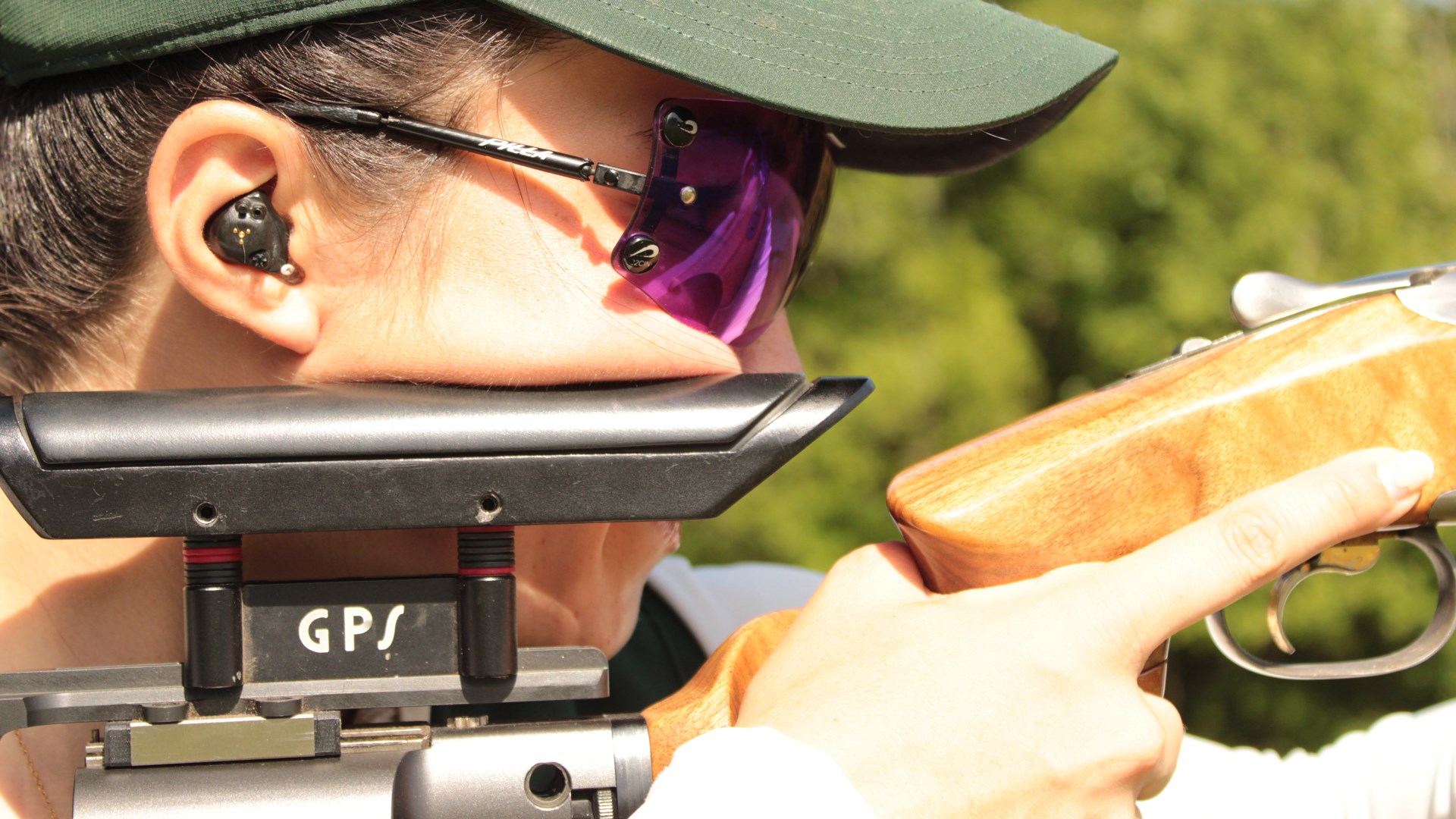
The first time I wore the Phantoms at the range, I connected them to my phone without any trouble. They connect as a hearing aid, with additional settings compared to traditional Bluetooth pairing. SoundGear uses 2.4 GHz Bluetooth technology and works with both Apple and Android devices. Once they were paired, I pulled up my Spotify playlist and headed to my station to work on Doubles Trap before the ATA Empire Grand.
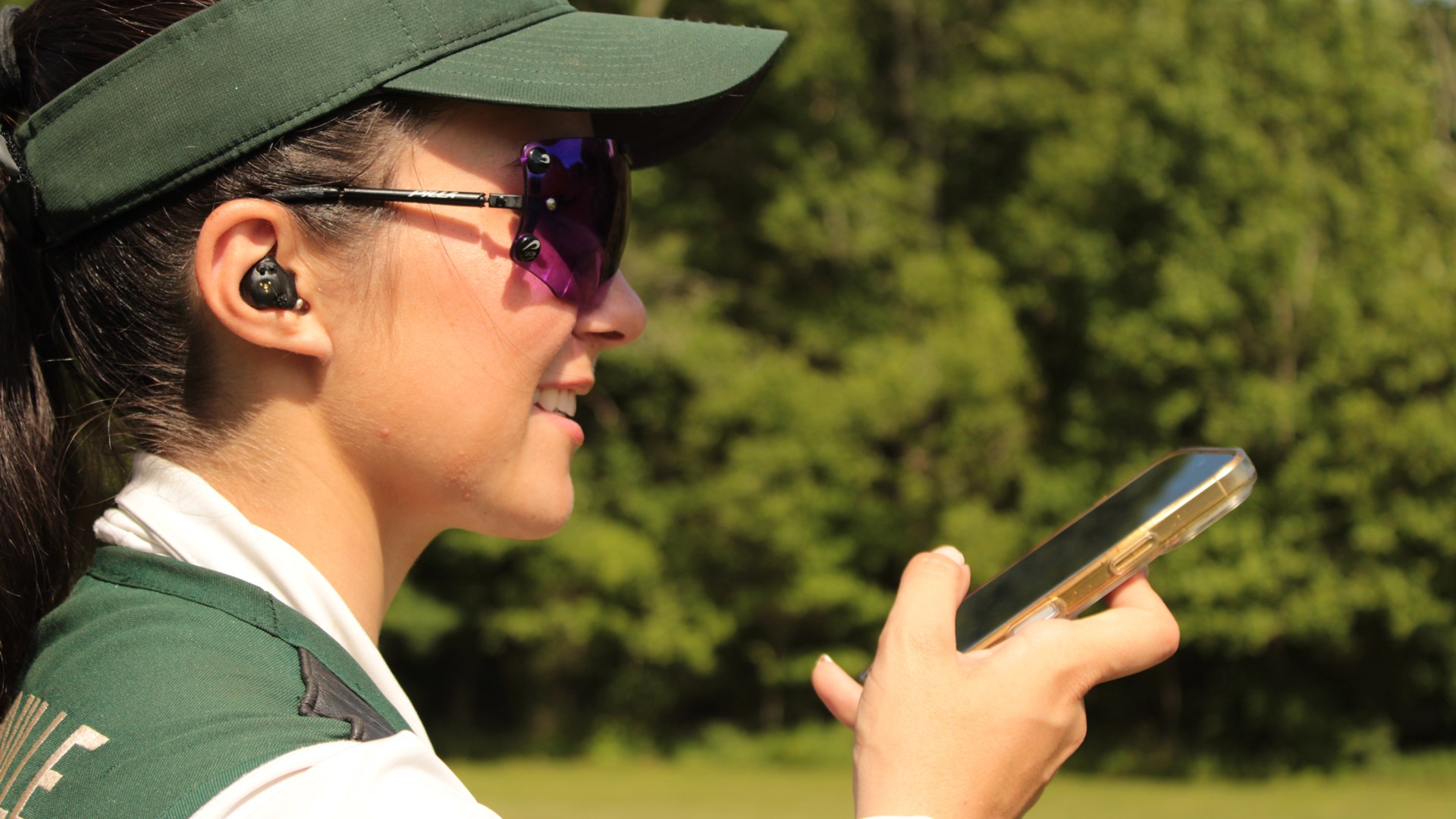
What I did not expect was how natural everything sounded. I could hear my music through the earplugs while still picking up the scorekeeper, other shooters, and everything else happening around me. I was also initially concerned about wind blowing harshly into the microphones, but I found the sound was filtered out, and the plugs provided clarity even in the harshest conditions of a cold Northeastern spring day. The Phantom uses omnidirectional microphones and delivers up to 30 dB of amplification, which means environmental sounds come through clearly rather than being cut out or muffled. At the same time, the 22 dB Noise Reduction Rating handles the blast from a shotgun without any issue. You hear what you want to hear, and the harmful sound gets taken care of.
That is exactly the problem my old plugs could not solve. With the Phantoms in, I could finally hear the scorekeeper clearly from every station without straining or second-guessing what was called. For trap shooting specifically, that clarity matters more than people outside the sport might realize. Missing a call can cost a target. Mishearing a correction can cost a round. Being able to stay mentally present and fully dialed in to what is happening around you makes a real difference over the course of a tournament. Not to mention the situation awareness needed to keep the line safe.
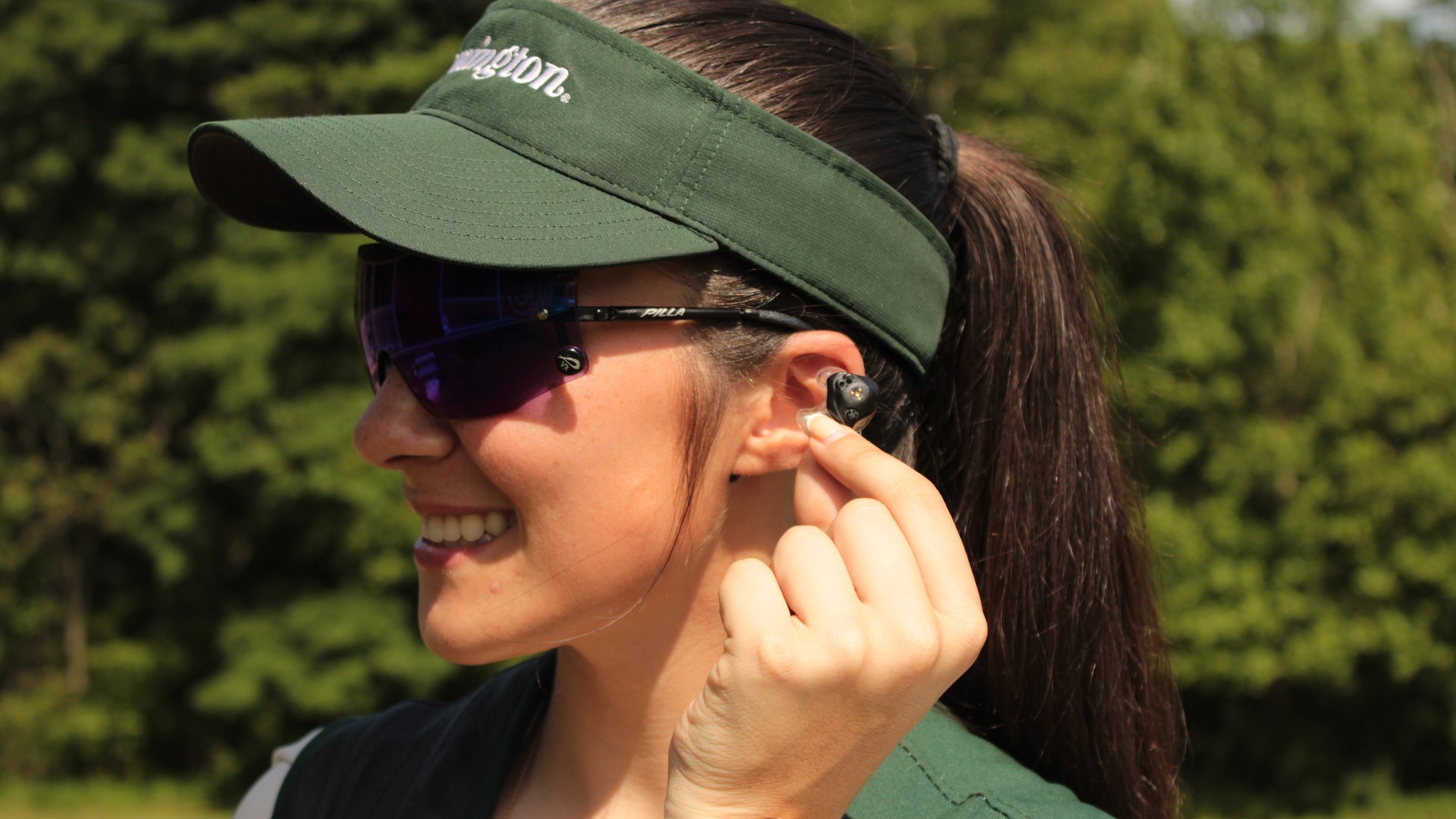
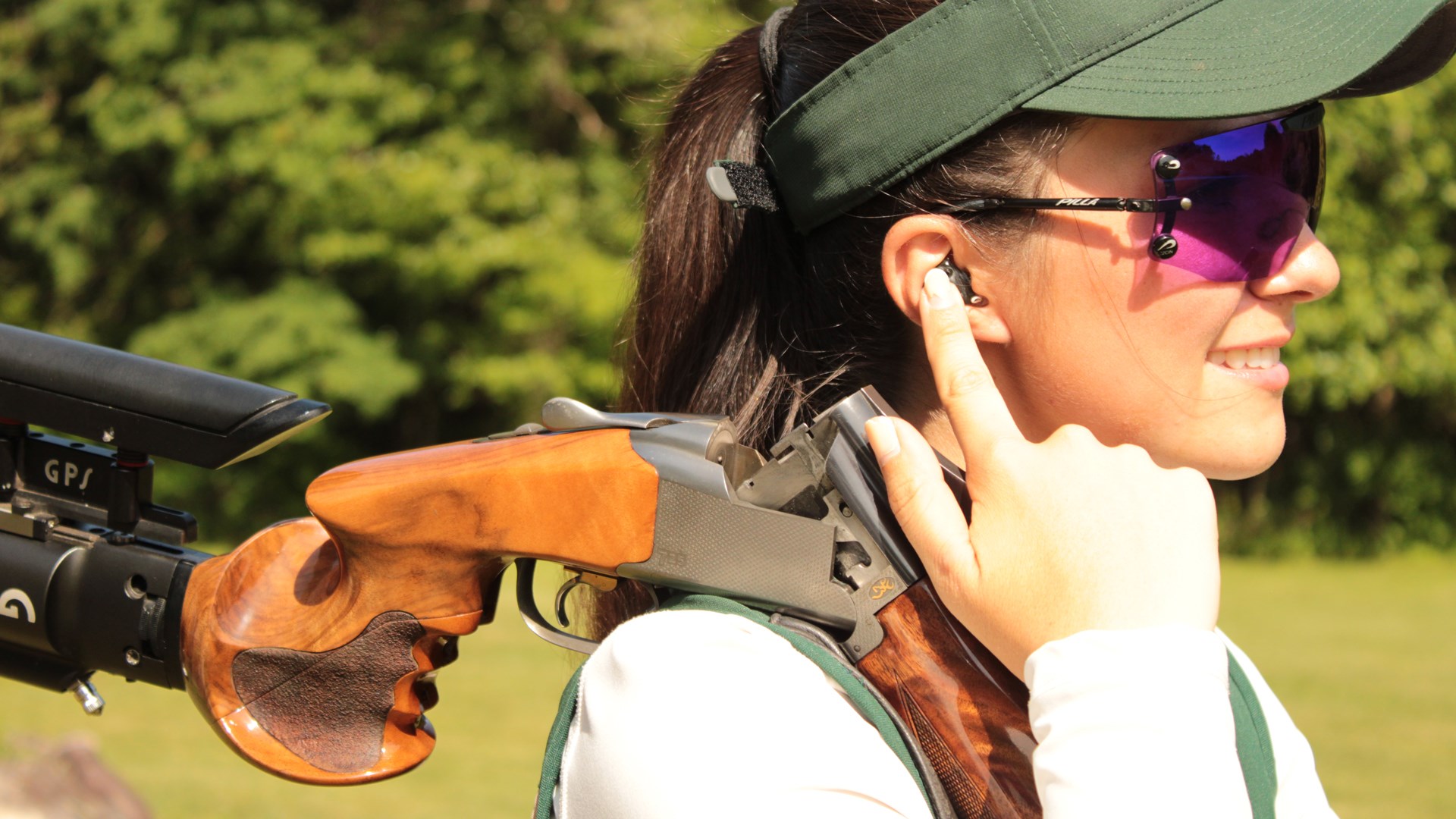
I also found myself using mute mode more than I expected. Some days you want to work through a practice session quietly, without music or any amplified ambient sound. A single tap on the button of each earpiece cycles through the four preprogrammed listening modes and muting. You can adjust both ears at the same time or handle each one independently, either through the settings on your phone or using the volume control wheel on the side of each plug. Being able to set up linked adjustment on my phone so one dial turn changed both ears at once was useful, but having the option to control them separately is a nice touch depending on where you are positioned on the field.
The Cases Actually Make Sense
Anyone who shoots trap or skeet regularly has probably lost a pair of earplugs to one of those rubber snap cases. The pressure mechanism works until it does not, and there is no warning before your earplugs end up at the bottom of your bag or somewhere in the parking lot. It happened to me more than once with my old plugs, and caused me quite a scare, fearing I had lost a couple of hundred dollars' worth of plugs.
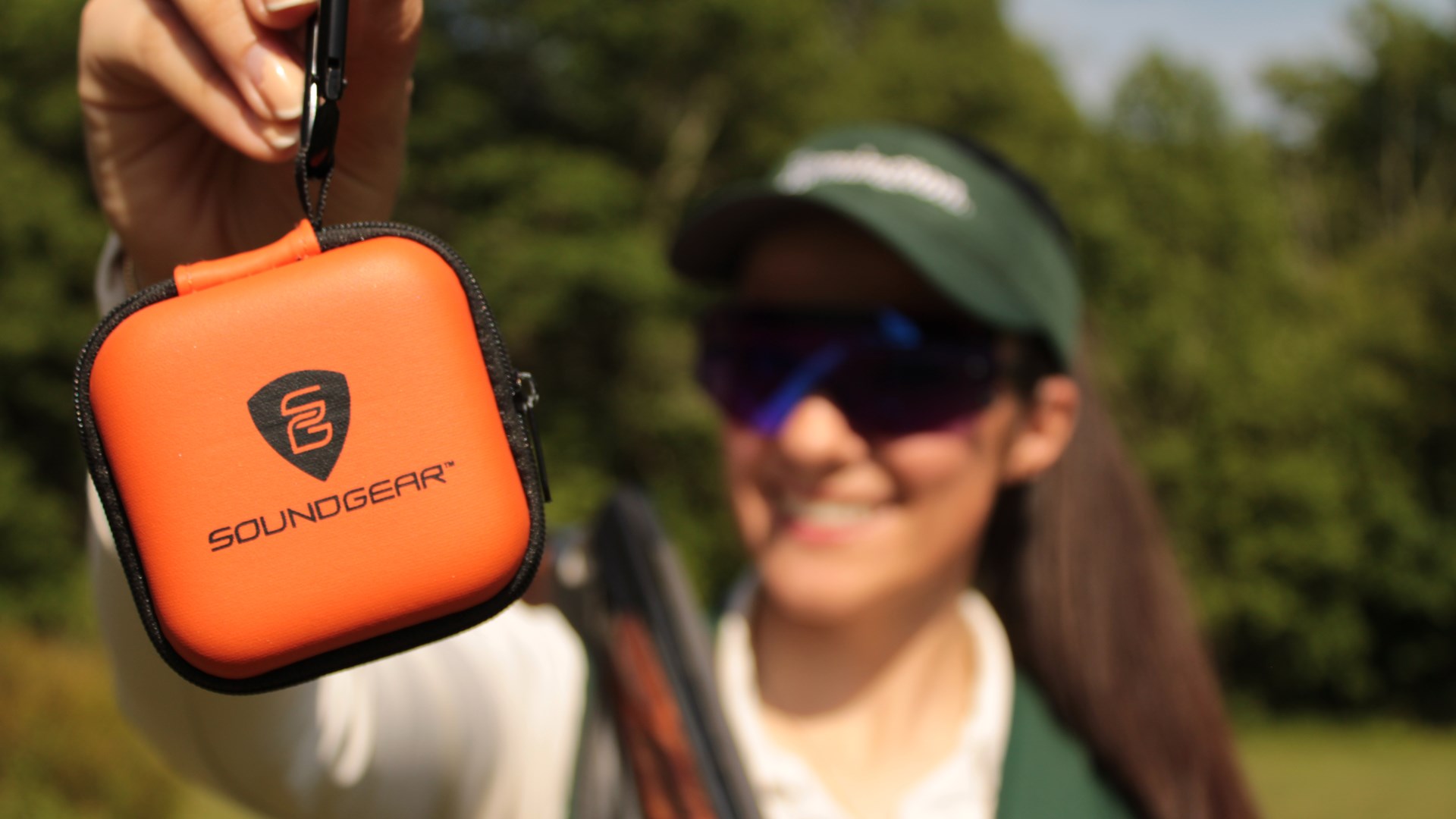
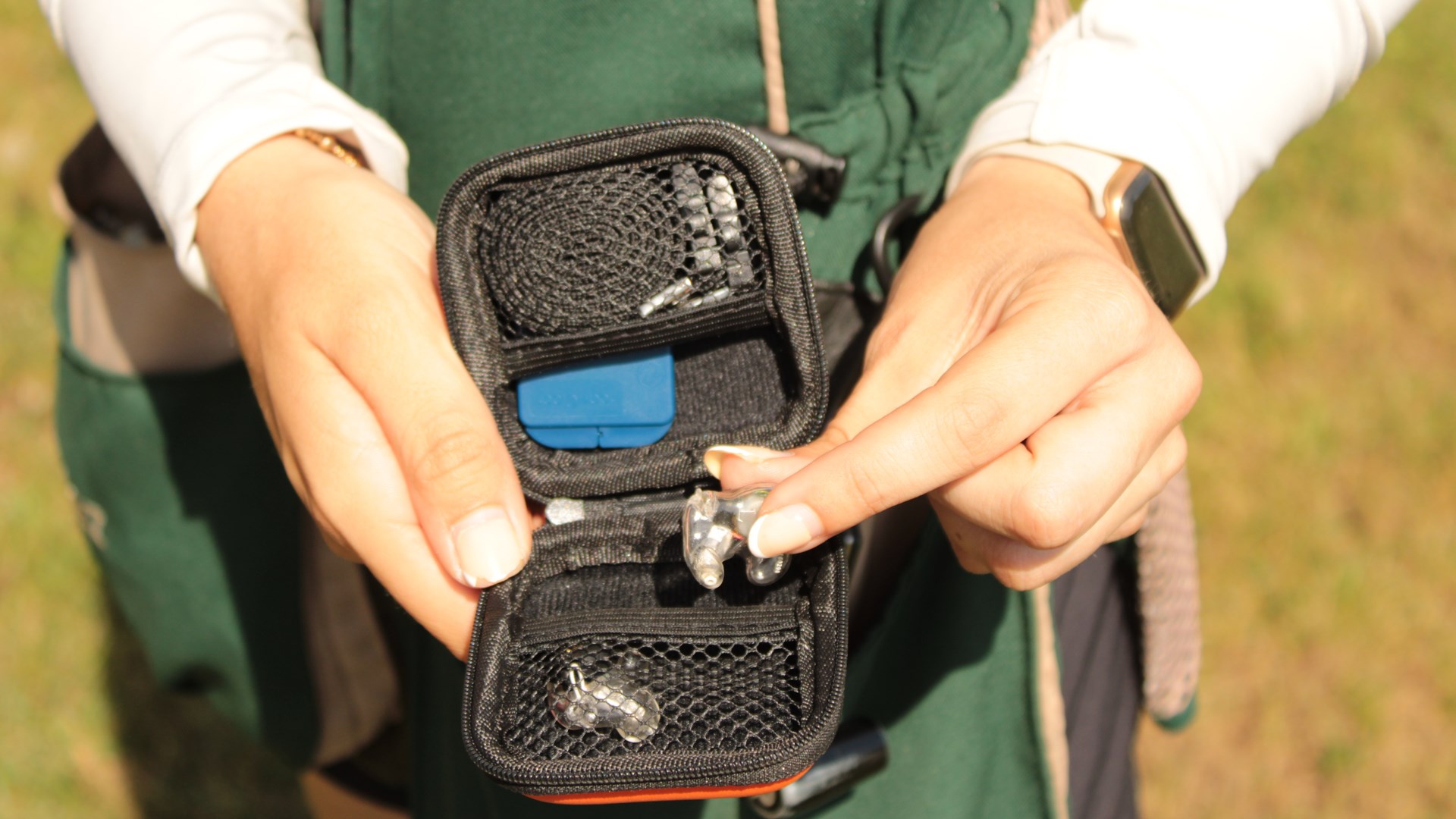
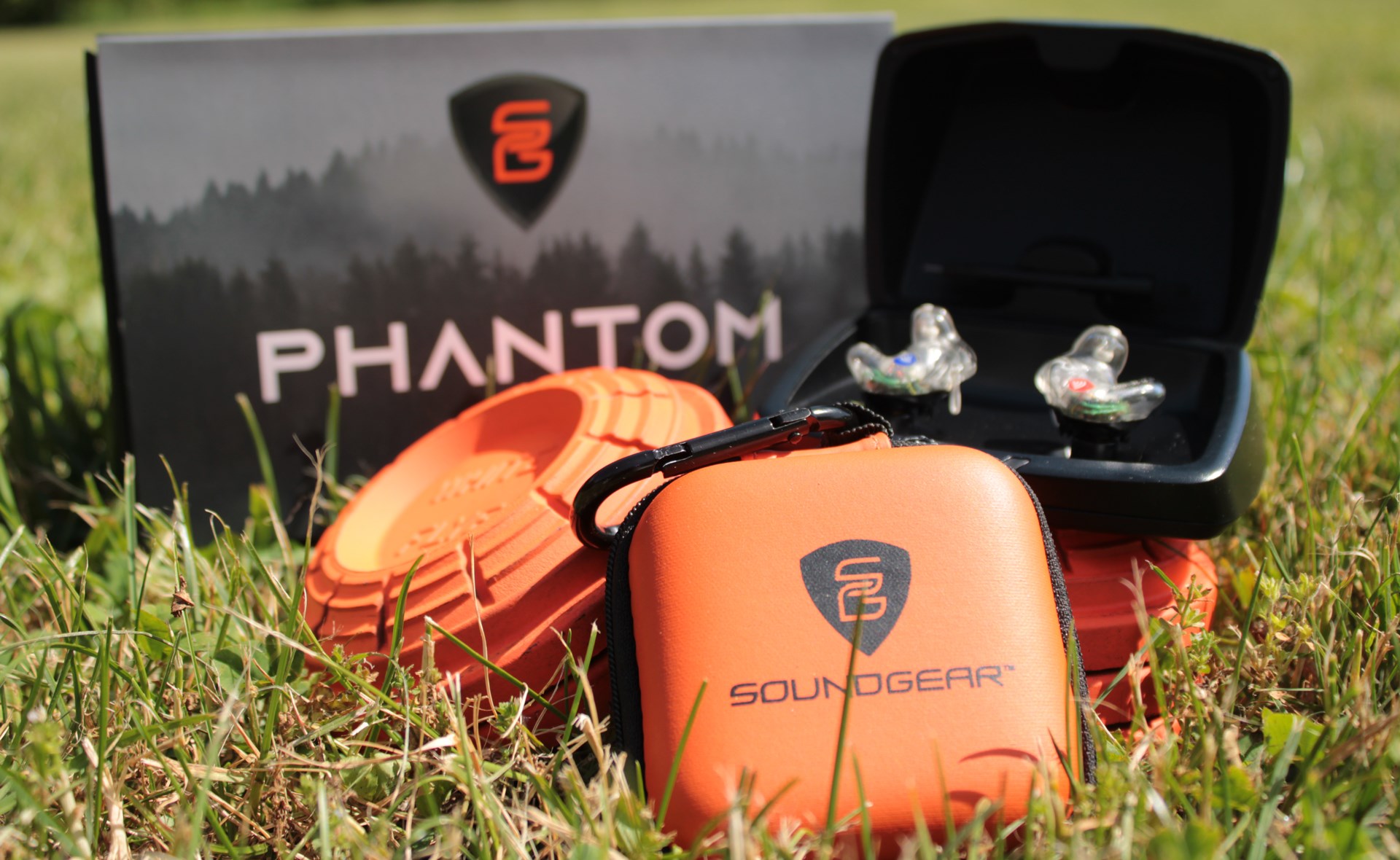
The SoundGear Phantom comes with a soft-shell zipper case featuring individual pockets for each earpiece and space for accessories such as the lanyard and Hear Clear wax filter replacements. Nothing shifts around, nothing opens by accident, and the carabiner clip lets you attach the whole thing to the outside of your range bag or on your vest.
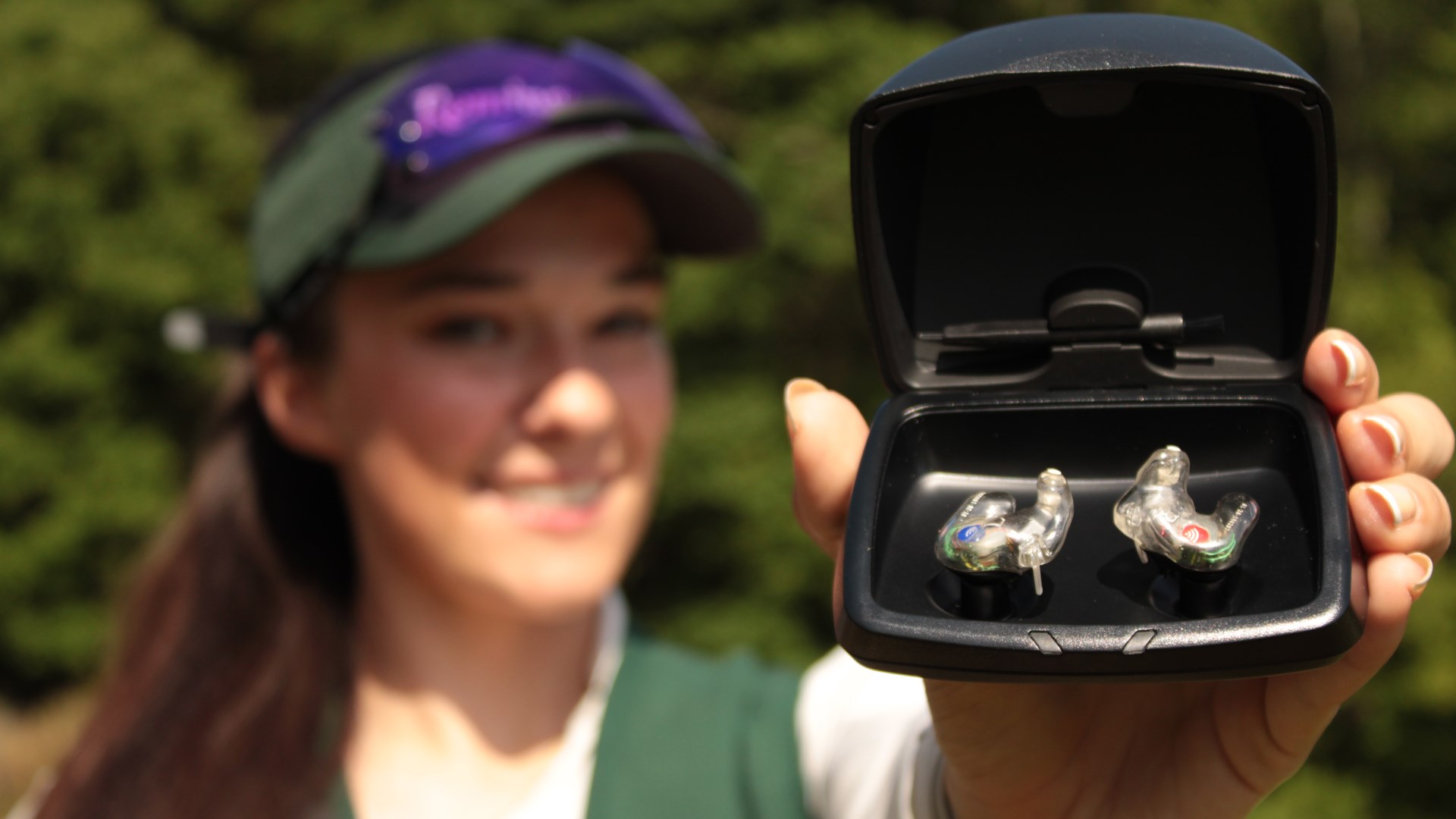
The charging case is a separate piece worth talking about on its own. The earpieces drop in and charge via magnetic contacts, with no wires connecting them. The case holds its own charge and can top off the earpieces when you are away from an outlet, which comes in handy for multi-day events. Battery life on the plugs is rated at 24 hours, including four hours of streaming, and that number holds up in real use. I got through full weekend shoots without needing to charge mid-event.
The Bigger Picture
The SoundGear Phantom is listed at $1,599, which puts it firmly in premium territory. A professional fitting appointment is required before the earpieces can be made, and there may be separate fees for that depending on where you go. Those are real considerations.
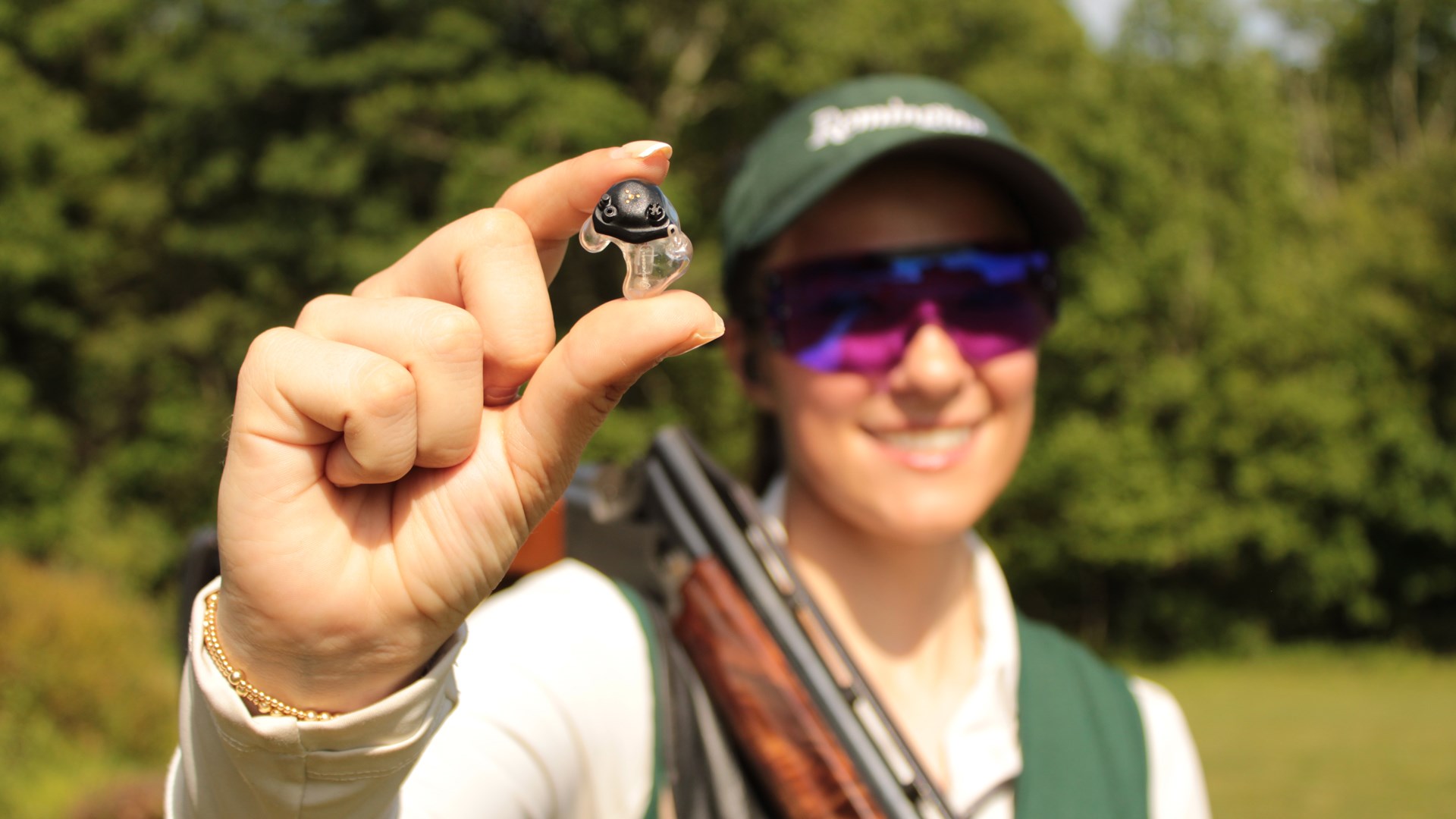
But hearing damage is permanent. It builds up gradually, and the shooting community has historically been pretty casual about it. The Phantom is not just a hearing protection device. It is an active part of how you interact with the range environment, and for a competitive shooter, that distinction changes everything. You are not just protected. You are more aware than you would be without anything in your ears at all. For younger shooters, especially, who have a lot of years ahead of them on the line, getting that right early is worth every bit of the investment.
Specifications:
- SoundGear Phantom | $1,599 | soundgear.com
- NRR: 22 dB
- Max amplification: 30 dB of gain
- Battery life: 23 hours (including 4 hours of streaming)
- Connectivity: 2.4 GHz Bluetooth, compatible with Apple and Android
- Listening programs: 4 preprogrammed digital memories plus mute
- Charging: Magnetic charging case, no individual cables required
- Warranty: 1-year repair warranty, 90-day fit warranty
- FDA-listed hearing aid