 The Question
Can you shoot lead bullets in a Glock, and should you?
The Background
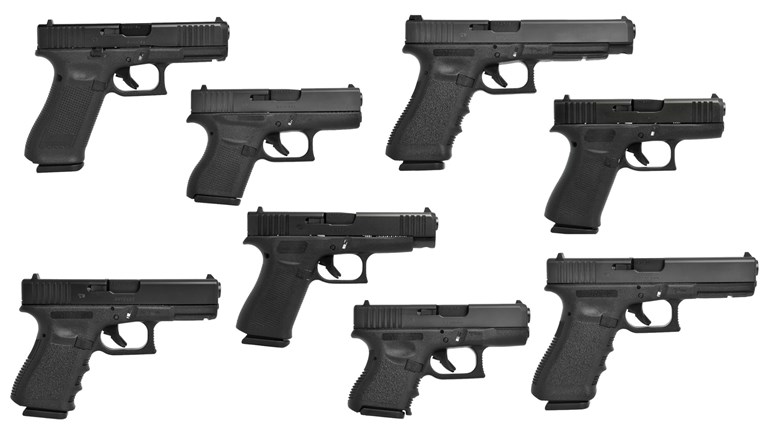
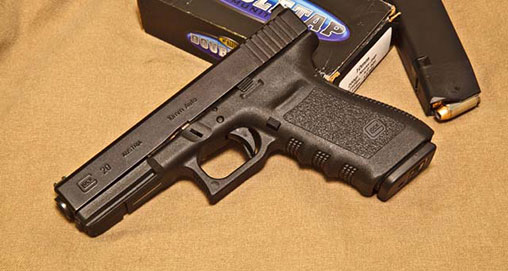
Ever since Glocks hit the market and changed the handgun world, we’ve been told not to use lead bullets in the Glock’s polygonal-rifled barrels. For years, most of my Glocks were 9 mms and 9 mm ammo was too cheap to bother with handloading (the good old days) so it was never an issue. Since I began using a Glock 20 in 10mm for field use, and because ammo has become more scarce, the question became more relevant. DOUBLETAP Ammo loads two different 10mm loads using cast lead bullets, why can’t I use them in my Glock?
The Company Policy
I reached out to my contact at Glock with the following three questions:
1. Does Glock recommend against using lead bullets in its firearms?
Glock’s Response: Yes.
2. Will using lead bullets void the warranty of a Glock?
Glock’s Response: Yes.
3. Does Glock differentiate between different cast bullets?
Glock’s Response: No.
That’s straightforward but it doesn’t really give us the “why."
We asked Glock for a more detailed response and its representatives were kind enough to tell us the following:
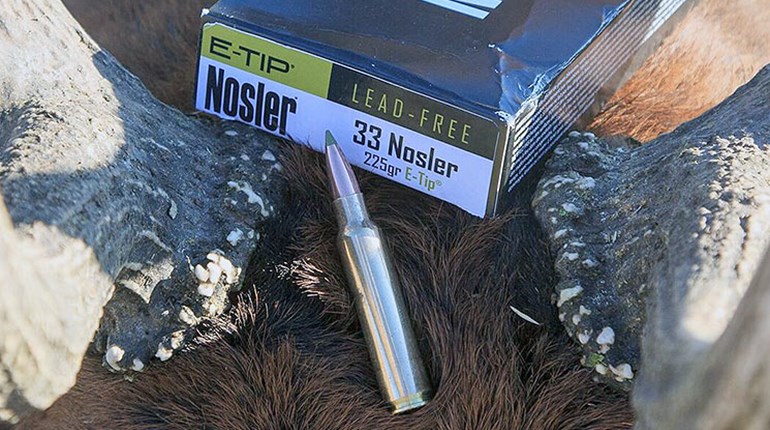
"Lead bullets have varying degrees of hardness that can lead to fouling many different types of barrels in today modern firearms. As opposed to jacketed bullets, that are designed for a more consistent spin and trajectory due to the bullets interaction with the hammer forged polygonal and octagonal barrel rifling, lead bullets have a tendency to drag through the barrel before they ‘catch’ and start their spin motion in the barrel. This single action causes lead residue buildup in the barrel if not properly cared for. Over time, this buildup of residue can reduce the bullet to barrel fit and cause extreme pressure buildup that could cause a catastrophic failure if the barrel is not properly cleaned and cared for. Following the GLOCK recommended guidelines on ammunition usage and the recommended cleaning schedule is required."
The Second Opinion
Mike McNett at DOUBLETAP Ammo loads more 10 mm than anyone on the planet. Two of his 10 mm loads, the 200-grain. WFNGC, and the 230-grain WFNGC, use lead bullets. Mike casts his own bullets to a hardness of on the 21 Brinell scale and uses gas checks. These loads are specifically made for use in Glocks and DOUBLETAP sells them as such.
Here’s Mike’s answer to he question of why his lead bullets are safe in Glocks:
“The gas check keeps the gas from going by the bullet and searing the lead into the rifling. That’s how you get into trouble with Glocks, it’s not necessarily the lead rubbing on the rifling, it is plating that nice smooth polygonal rifling with molten lead. The base of the bullet obturates, that’s where the lead liquefies a little bit and seals it. If you have a gas check, it’s just like a little jacket on the back, it seals it from doing that.”
My Experience
I have used DOUBLETAP’s lead ammo in my Glock 20 and have detected no sign of leading. I’m pretty sure that the aftermarket trigger I’m using has voided my warranty anyway, so that’s not an issue for me. I have made the decision to use certain lead bullets of known quality and hardness in my Glock as an informed professional, knowing that the manufacturer recommends against the practice. If you have any doubts, have an aftermarket barrel designed for use with lead bullets installed in your handgun.
The Ruling
Glock makes it clear that they don’t want you using lead in their guns and their reasoning will keep you out of trouble if you don’t know pure lead from linotype. Not all lead bullets are created equal. If you do make the decision to use lead in a Glock factory barrel, be sure that you use a bullet of sufficient hardness that uses a gas check. Inspect the barrel often for signs of leading and clean your barrel and chamber more often than I do.