Hunters benefit from novelty more than most. To illustrate the point, look no further than wildcat cartridges. Military and LEO guys don’t have any use for wildcats, as every cartridge is issued and preapproved for liability reasons. Match and competition shooters only use what shoots flattest and fastest within given confines. Hunters, however, have a wide array of requirements based on the variety of game they hunt, and therefore need the most versatility, part of which comes from wildcatting cartridges to meet those different needs. That said, do you need to add a wildcat to your lineup? Here are the reasons one may want to try a wildcat for their hunting needs.
What is a “Wildcat”?
Depending on who you ask, a “wildcat” cartridge could be one of three things. The first definition means it’s any obscure cartridge not readily available commercially and is done in limited runs or kept alive by boutique manufacturers. Such examples as the .220 Swift, .260 Remington or .358 Winchester would qualify. A second definition uses SAAMI specifications; if SAAMI doesn’t have a chamber drawing and cartridge dimensions available, it falls into the “wildcat” category (the .375 Raptor or SOCOM line of cartridges aren’t SAAMI approved, for example). A third definition is that a cartridge is a handload-only proposition, meaning a combination of the two, and it must be loaded for with custom equipment by the shooter (think of many of the Ackley Improved variants aside from the .280 AI). Some might even add a fourth definition and say it’s more than just a handload-only cartridge; it also needs to not have load data available to be a true “wildcat” (for instance, a fellow writer created what he called the “2Fity-Hillbilly” long before Hornady brought the .25 Creedmoor to life commercially). For the purposes of this article, I’m advocating for the broadest definition, as my goal isn’t to get technical, nitpicking terminology and getting dogmatic, but rather to encourage hunters to think outside the box about what works best for them. So, what are the pros to shooting a wildcat?
Cartridge Ideals
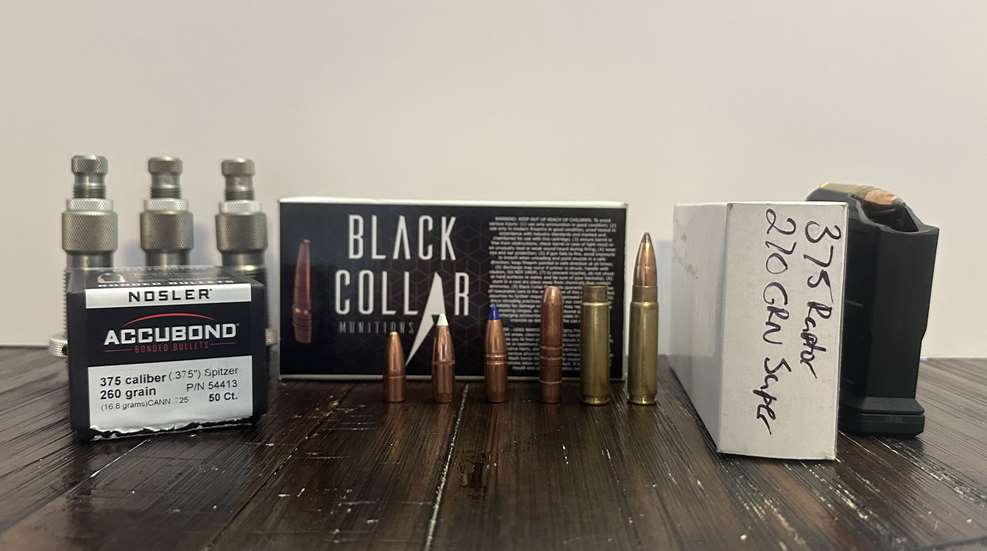
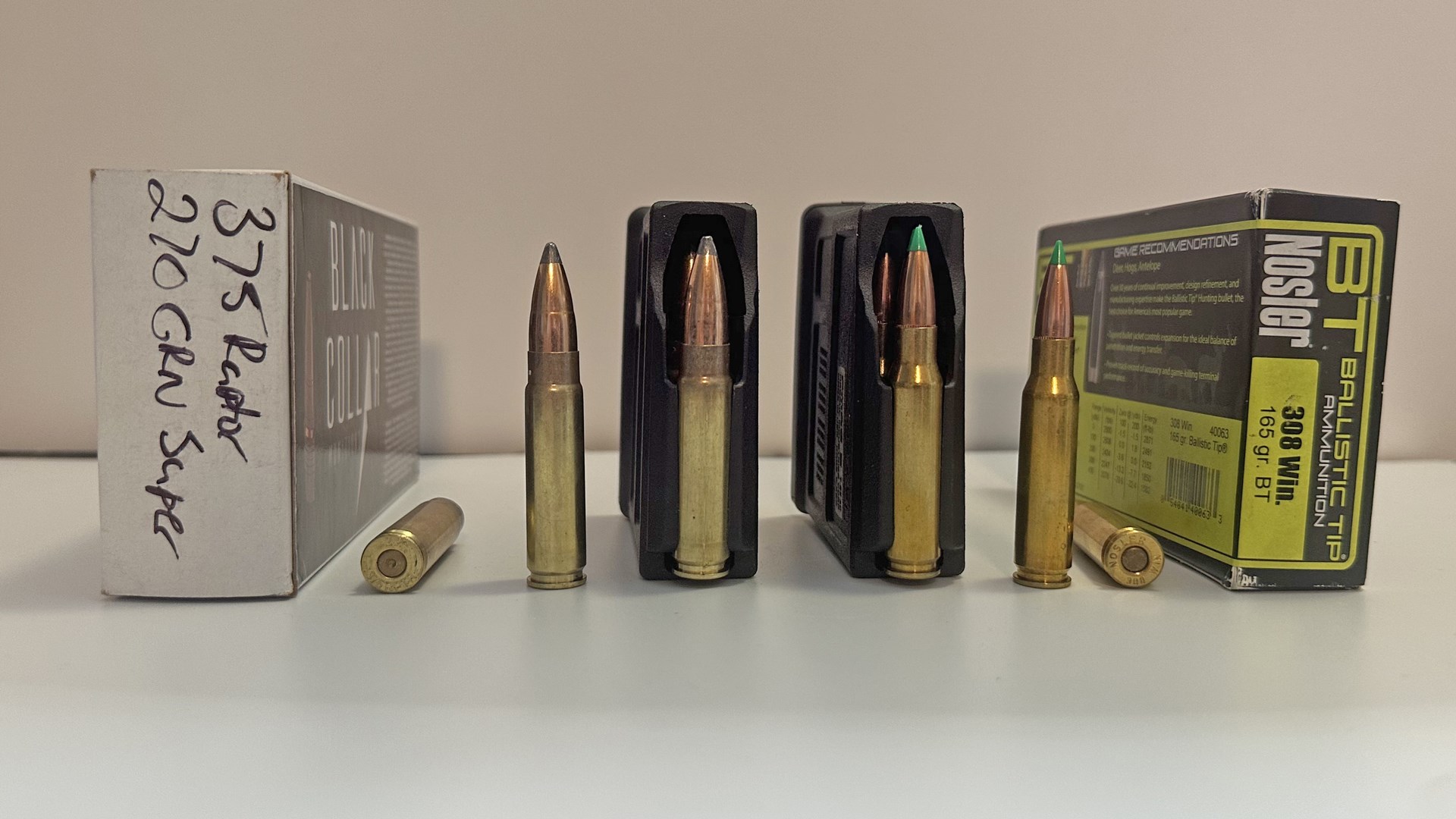
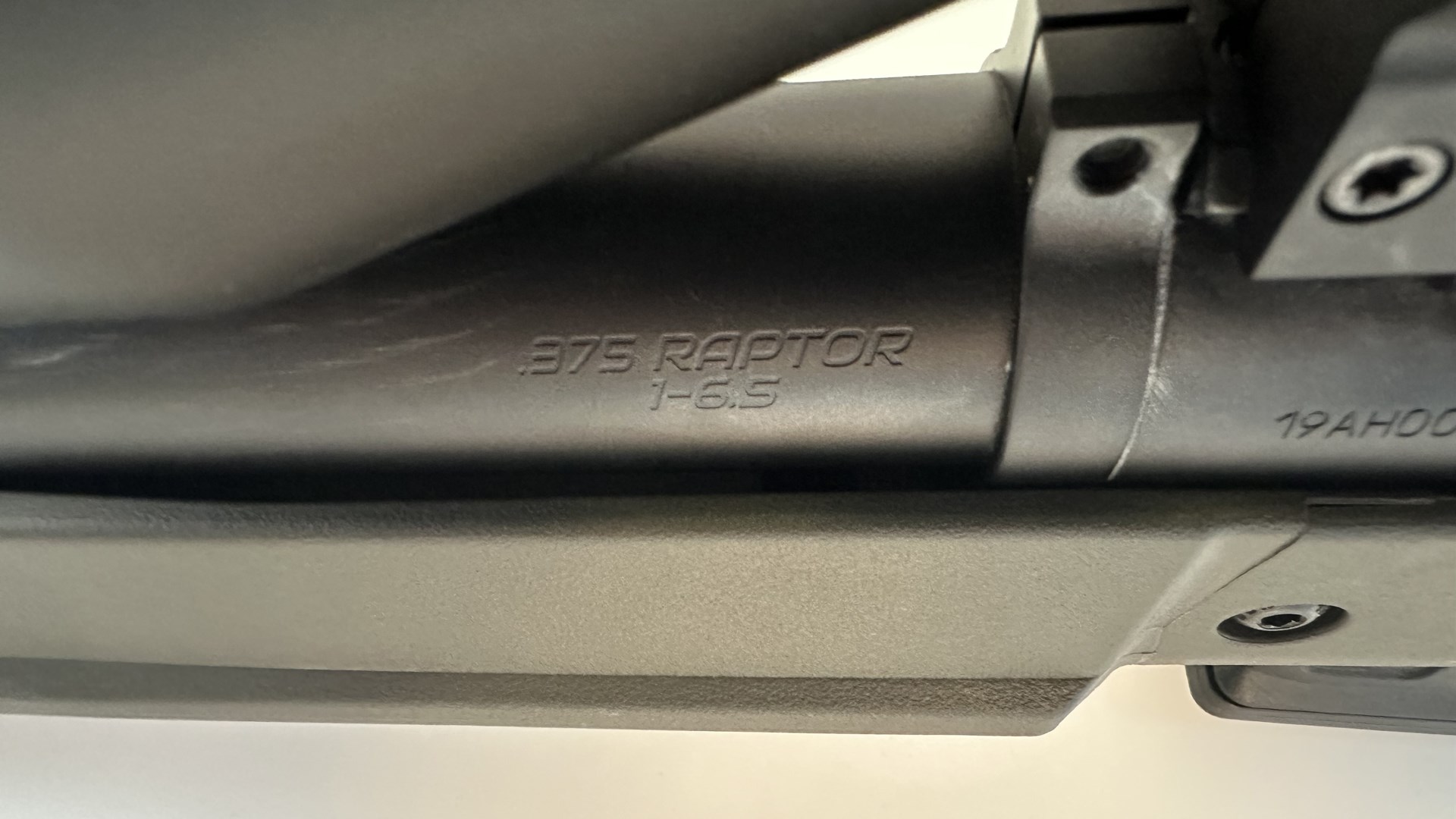
Of course, the primary reason one would want to go with a wildcat is to meet a specific need. For example, I’ve got a .375 Raptor, which shoots a .375-caliber bullet out of a .308 Winchester case. I got it because it’s the largest non-magnum, true short-action cartridge I’m aware of, and can still push 270-grain bullets well over 2,000 fps. That doesn’t sound like a lot for modern cartridges, but for my needs—wanting a lighter, non-magnum rifle, and not shooting far—I don’t need speed, a lot of powder, or all the recoil that comes from shooting big, bulky, magnum cases from bigger bulkier rifles. But I also didn’t want to sacrifice bullet size, as there are a variety of big-bodied game I feel more comfortable shooting with a larger projectile. By wildcatting, I can get all my needs met in one fell swoop.
Component Commonality
What if I told you it was possible to have your cake and eat it, too? And that sometimes, things are not too good to be true? That’s the case with many cartridges, like my .375 Raptor that uses .375 bullets—a common caliber for dangerous game with a variety of bullets from which to choose, and .308 Win. brass, which is the short-action version of 5.56 brass, if you ask me. So, all I must do is neck size .308 Win. brass, which needs to be done after firing as is. Otherwise, it’s load as normal, and there are plenty of reloading components available. Data is easy to come by, too, thanks to Black Collar Arms and a few other sources.
DIY Projects
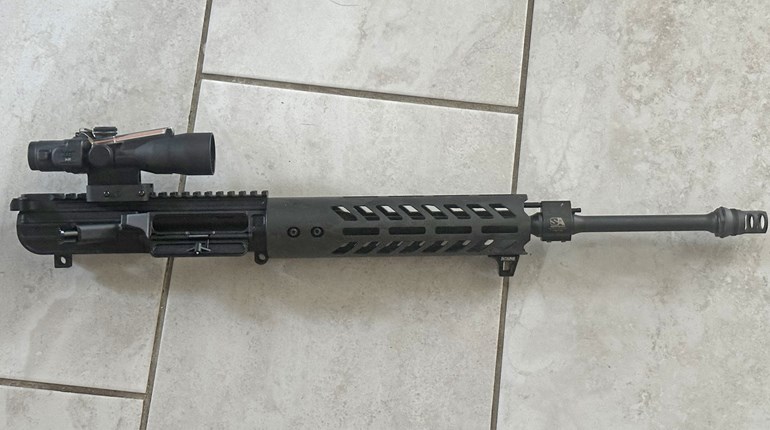
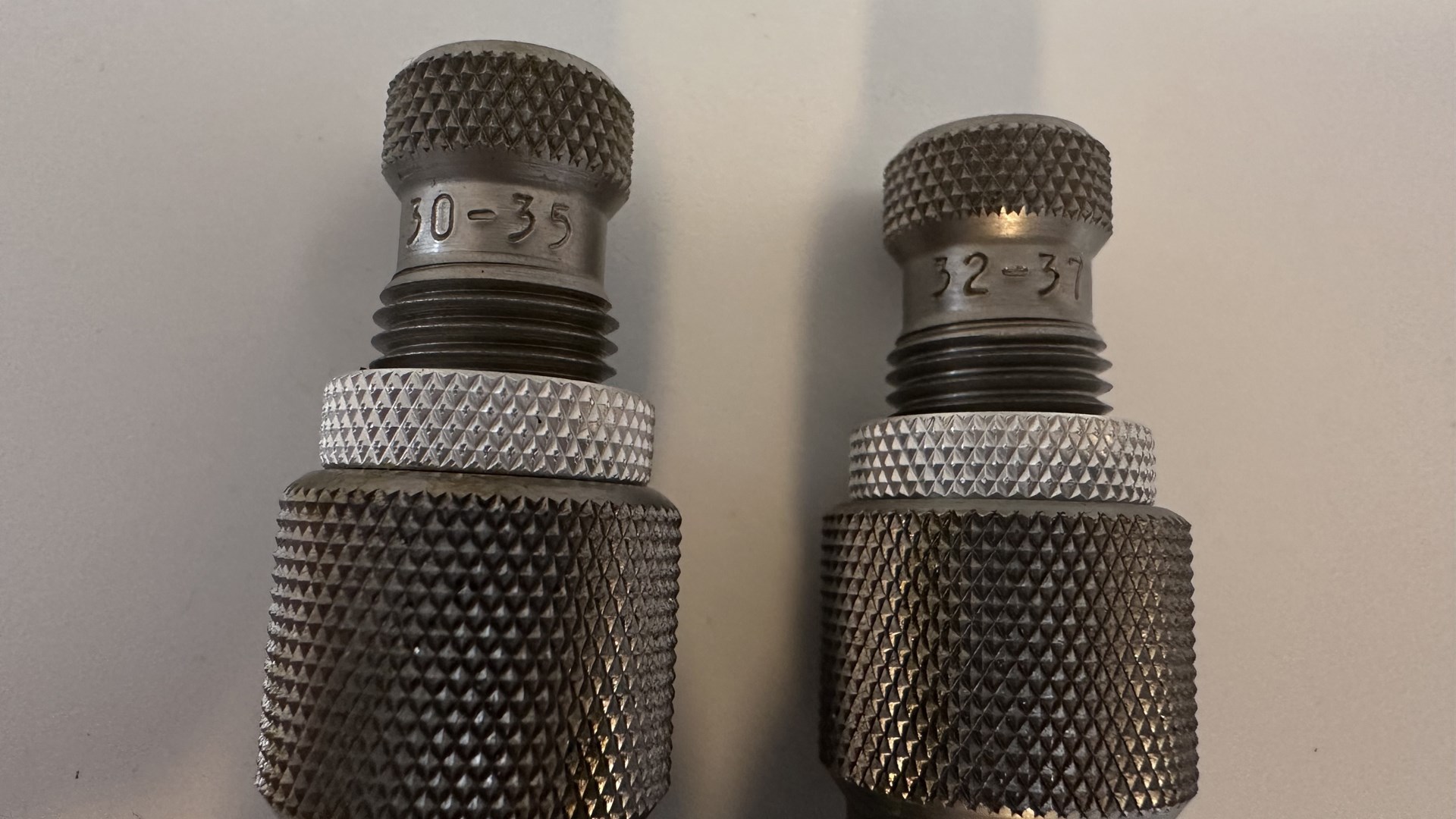
Not only can the components of wildcats be plentiful, but with the right gun parts, a firearm build—even in a wildcat cartridge—is easy, too. Using my .375 Raptor again, one only needs a .375 Raptor barrel for an AR-10 (which Black Collar Arms recommends), and you’re in business. Want a bolt gun? Many custom manufacturers chamber barrels in the cartridge, and fitting a .375 Raptor to Savage or a 700 action is pretty easy if it’s got a barrel nut, or a Switchlug system like one from West Texas Ordnance (more on this coming in the future).
Better Ballistics
Part of the reason I wanted a .375 Raptor is because it does significantly better than a .308 Win. Let’s look at a common bullet weight shared between the two cartridges: 200 grains. The .375 pushes that weight to 2,650 fps from an 18-inch barrel (2,700 fps from a 20-inch tube), while a .308 gets at-best 2,500 fps from a 24-inch barrel (most loads show 2,200-2,300 fps). When using a specialized .375-caliber bullet—the Nosler Accubond 260-grain bullet—reloading data from Black Collar Arms shows the following: a max load of 47 grains of Alliant 1200R powder pushes this bullet to 2,475 from an 18-inch barrel. With a max load, I’m hoping to get 2,400 fps from my 16-inch barrel, which is ideal based on the statement from Black Collar regarding the ballistics below with this bullet:
“Using the Nosler 260 Grain Accubond, 2400 fps is the threshold for a +/- 3 inch trajectory to 250 yards while delivering 2057 ft.-lbs. of energy at 300-yards.”
This is perfect for the goal I mentioned above, regarding why I picked the .375 Raptor wildcat cartridge. And the .308 Win. can’t touch this.
Affordability
Earlier, I mentioned that .375-cal. bullets are plentiful. Because of the free market at work in bullet manufacturing, bullets start at about 60 cents each, and because .308 Win. is so abundant, you can probably find brass on a range, or even use your own supply of .308 Win. brass and convert it. That said, even factory loaded hunting ammo from Black Collar Munitions is less than $3.00 per round for .375 Raptor, so owning and shooting a wildcat doesn’t have to be expensive. For reference, Midway shows .308 Win. costing anywhere from just over $1.00/round to $4.40/round, depending on how proud a company is of its ammo.
Cool Factor
This one isn’t as important, but hey, it’s a pro. There is a cool factor to shooting a wildcat. You can impress your friends with something unique, and when they get to shoot it, they’ll be blown away. I let my brother-in-law and his family and my dad shoot my .375 Raptor suppressed, and they loved it. My dad in particular—who’d never shot anything suppressed, but taught me how to handload—was also impressed with the .375 Raptor and its capabilities. How’d it do? The factory supersonic ammo we shot grouped a .5 MOA, and the subs did the same windage wise, but with a 3-inch elevation spread—still trying to figure that out that hiccup, and might tinker with it later. But that’s not bad from a big-bore rifle shooting factory ammo, considering .375 is a third of an MOA by itself. Needless to say, it’s cool to have a range toy in cartridge form.
Is a Wildcat Right for You?
All the information presented is great, but I will say, there is some additional work and/or money that need to be put into a wildcat system. It’s not much, and if you’re like me, and see the benefit to shooting a wildcat, the only limit is your imagination (and maybe physics).
Optimized Optics
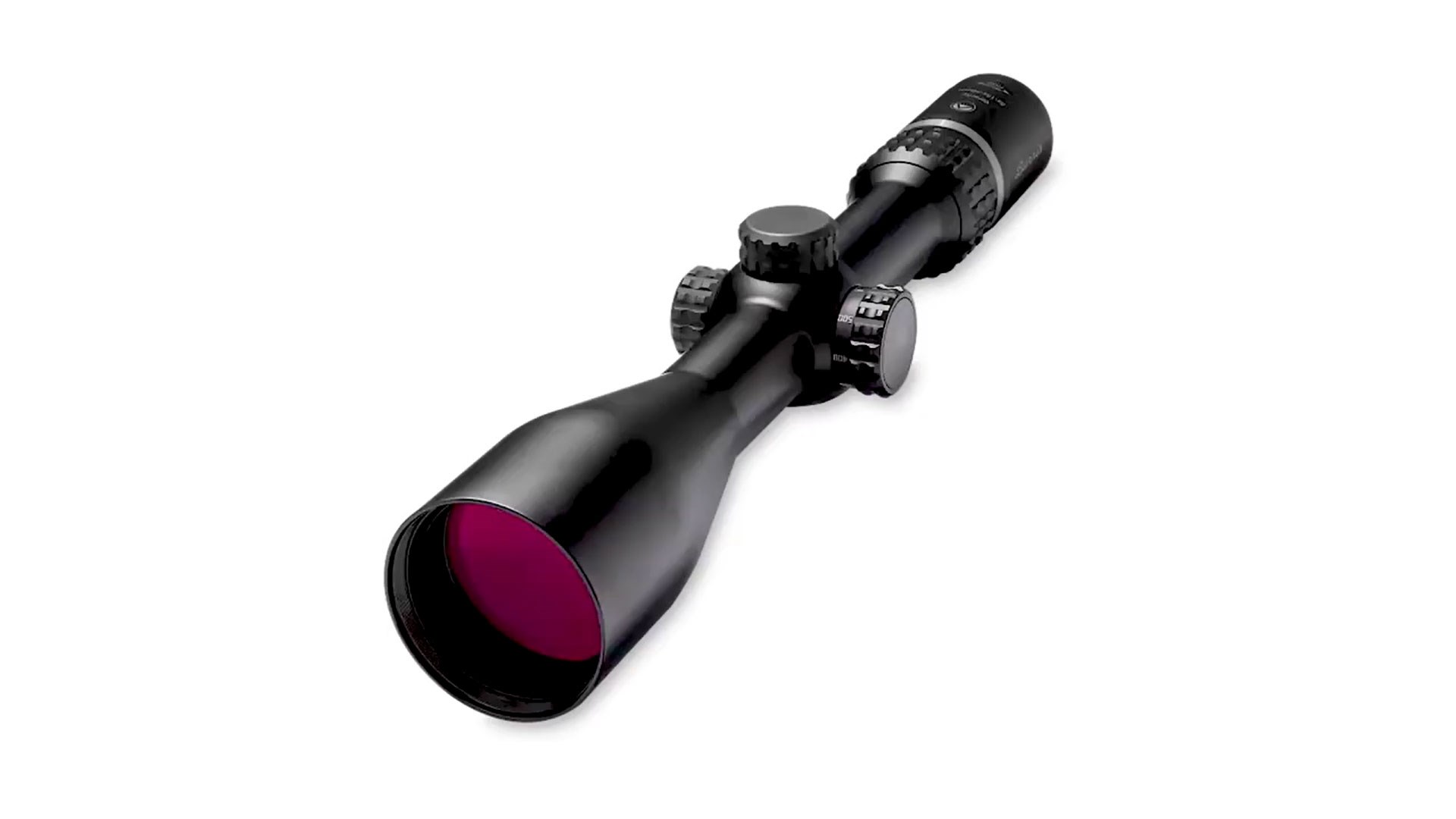
Because most wildcats don’t perform like your standard cartridges (after all, that’s kind of the point), sometimes it’s better to have a generalized reticle rather than your standard BDC reticle that’s pre-calibrated to use a 100 yard-zero for cartridges like 5.56 or .308, or a 200-yard zero for magnum cartridges. And even then, those are generalized hash marks; things like barrel length, BC values, etc. can further throw off how precise of an aiming point those hash marks are intended to correspond to at a given range, compared to where a projectile prints on paper. That’s why—especially with wildcats—I prefer a general MOA-marked reticle (a MIL reticle works, too, but MOA values are more precise, as one MOA is a quarter MOA at 100 yards vs roughly a third of a MIL at 100 yards). That said, because MOA can be calculated for any combination of things, I find a reticle such as the one in the Burris Veracity PH to be ideal, as I can use the same reticle across the board as long as I know my drops and their matching values in the scope. Plus, with the way the BC calculator works in the Veracity, I can just recalibrate it to any wildcat I want by saving the ballistic profile, but even if the battery dies, I’ve got that MOA reticle to fall back on. Yes, technically you can do the same with a BDC scope with predetermined drop values, but with Burris’s unique dialing system, I know whatever range I’m shooting, as long as I have the right ballistic profile selected, I can just turn the turret until the correct yardage of my shot appears in the scope, and I’m set. Otherwise, I’m stuck memorizing specific, random yardages to match my drop at each hashmark, rather than knowing where my bullet will be at each MOA. This makes wildcatting all the more intriguing for universality.
If you really care about the simplicity of a BDC reticle, but you still want to wildcat your way into coolness, there are wildcats that will match your standard BDC drops, but you’re far more limited in your selection. Not to mention, it requires a decent amount of math and comparison, as well as the equipment to get there.