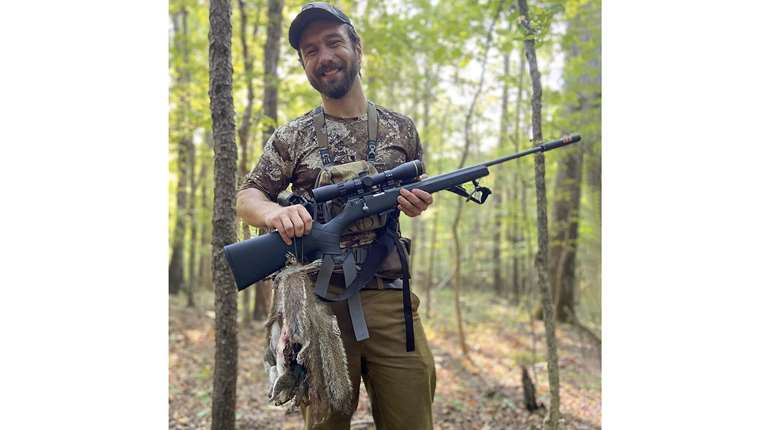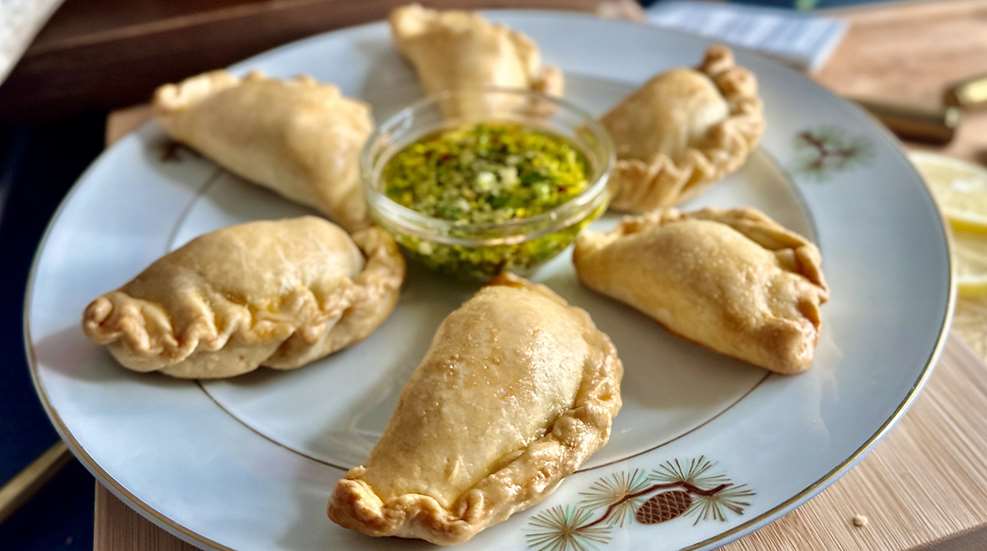
I can’t actually remember the first place I ever ate an empanada, but I do remember the moment I decided I needed to learn how to make one. Years before Game Girl Gourmet existed, I went on a dove hunt with my family in Argentina. I didn’t know much about Argentinian cuisine at the time—other than the fact that I loved it. I mean, what’s not to love? Meat-heavy dishes, incredible grilling techniques and condiments like chimichurri. The first time I tasted chimichurri, I fell hard for its bright, sharp, fresh flavor. And even though I didn’t eat chimichurri with empanadas while I was there, I knew the second I got home that pairing the two was something worth exploring.
As every hunter knows, portable food is its own kind of currency. I’ve never been the “sweet breakfast in the deer stand” type—honey buns never did anything for me—but a cold meat pie? That’s a different story. That’ll fuel a morning sit without weighing you down or giving you a sugar crash at sunrise.
It wasn’t until I started traveling more that I realized just how universal hand pies really are. When I lived in New Zealand, pork pies were everywhere—filling, hearty and wrapped in a dough that felt like it was designed specifically for long, cold days afield. And while a pork pie isn’t the same as an empanada, the concept is nearly identical: seasoned meat, tucked into dough, baked into something you can eat with one hand while glassing a hillside or walking the paddock.
Just about every culture in the world has some version of this idea, from Cornish pasties to Jamaican patties to the fried pies of the American South. Empanadas themselves were brought to Argentina by Spanish settlers, who adapted their own regional hand pies to the ingredients and traditions of South America. Over time, they became deeply woven into Argentinian food culture—an evolution of a familiar Old World concept shaped by a new landscape. They’re simply the Argentinian expression of a very old, very practical culinary truth.
But my love for empanadas isn’t just about convenience—they’re genuinely one of the best ways to cook ground venison. Game meat can be tricky because of its lean nature, but wrapping it in pastry solves almost every problem. When you bake an empanada, the dough protects the meat from drying out, it locks in moisture and creates a self-contained little flavor bomb. It’s one of the few methods where ground venison behaves like the star of the show without needing additional fat added to the mix.
I wish I could say I mastered empanadas on the first try, but that would be a lie. The very first time I wrote down an empanada recipe for a friend, it had about 12 unnecessary steps, three excessive warnings and dough that … well … didn’t really work. I still have the printed recipe in my office as a reminder of how far I’ve come. What didn’t change was my dedication to Argentinian flavors. Even as I played with fillings, seasonings and dough variations over the years, I kept circling back to that classic profile I fell in love with in Argentina: paprika, cumin, garlic, onion and chimichurri served on the side.
Okay—full confession: Traditional Argentinian empanadas also include green olives and hard-boiled eggs, which are coincidentally the only two things on earth I don’t eat. So, we’ll just keep those optional for those of you braver than me.
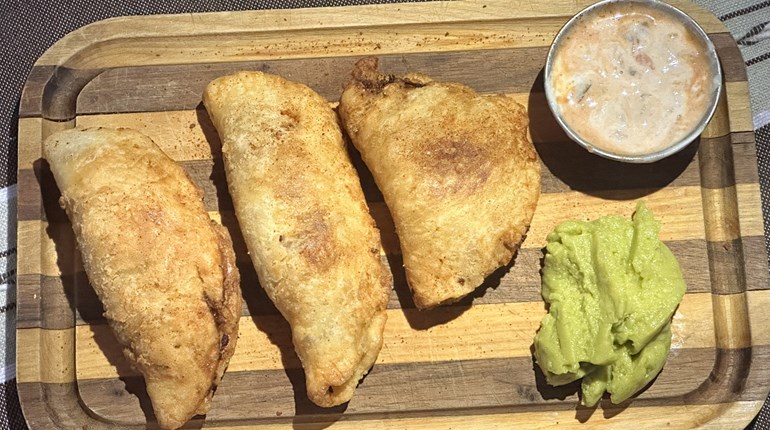
And while you can absolutely fry an empanada, I prefer mine baked. It’s lighter, cleaner and, frankly, easier to pull off consistently when you’re making them in batches. The simplicity also lets the venison shine. Baking gives you a tender crust without the heaviness of oil, and for my lifestyle—where wild game is a near-daily protein and calories matter—I’ll take baked over fried every time.
This recipe leans heavily into traditional Argentinian style. But one of the best things about empanadas is how forgiving they are. You could take the same base of ground venison and turn it Cajun with a bit of seasoning and cheese. You could give it a Tex-Mex spin with taco seasoning, pico and shredded quesadilla cheese. You could fold beans into the mix or leave them out. Truly, once you understand the dough-and-filling method, the flavor variations are endless. That said, there’s something special about sticking to tradition—especially when the result pairs perfectly with a fresh batch of chimichurri.
Another rare convenience of this recipe is that empanada dough is easy to find in most grocery store freezer aisles. Look for “discos”—pre-cut empanada wrappers that save time on busy weeks. They bake beautifully and hold up well if you want to meal prep and freeze a few dozen. Still, if you have the time, there’s no substitute for homemade dough. It’s simple, unfussy and makes the whole dish feel just a little more intentional.
When it comes to technique, empanadas favor patience and simplicity. Cool your filling completely before stuffing—that prevents blowouts and soggy bottoms. Don’t overfill; a tablespoon or two is all it takes. Crimp well, whether you’re using a fork or a traditional repulgue fold. Always brush with egg wash for a golden finish. And if you’re prepping them ahead, freeze them unbaked so you can pull out as many as you need on a weeknight or at deer camp. They bake straight from frozen and come out beautifully every time.
I like to serve these with the chimichurri recipe I’ve been refining since I first stepped off that plane in Argentina. If there is one sauce I will confidently brag about, it’s that one. Something about the brightness of vinegar, the punch of garlic, and the herbaceous parsley cuts right through the richness of the pastry and venison, tying everything together.
Empanadas are one of those dishes that remind me why I love cooking wild game. They connect hunts, memories, cultures and kitchens in a way that few recipes can. They freeze well, travel well and feed people well—which is really all a hunter can ask for.
If you’re looking for more wild-game recipes, hunting stories or updates on where I’m cooking next, I’d love for you to follow along at gamegirlgourmet.com and sign up for my monthly newsletter. There’s always something cooking—sometimes literally—and I’m grateful to share it with you.
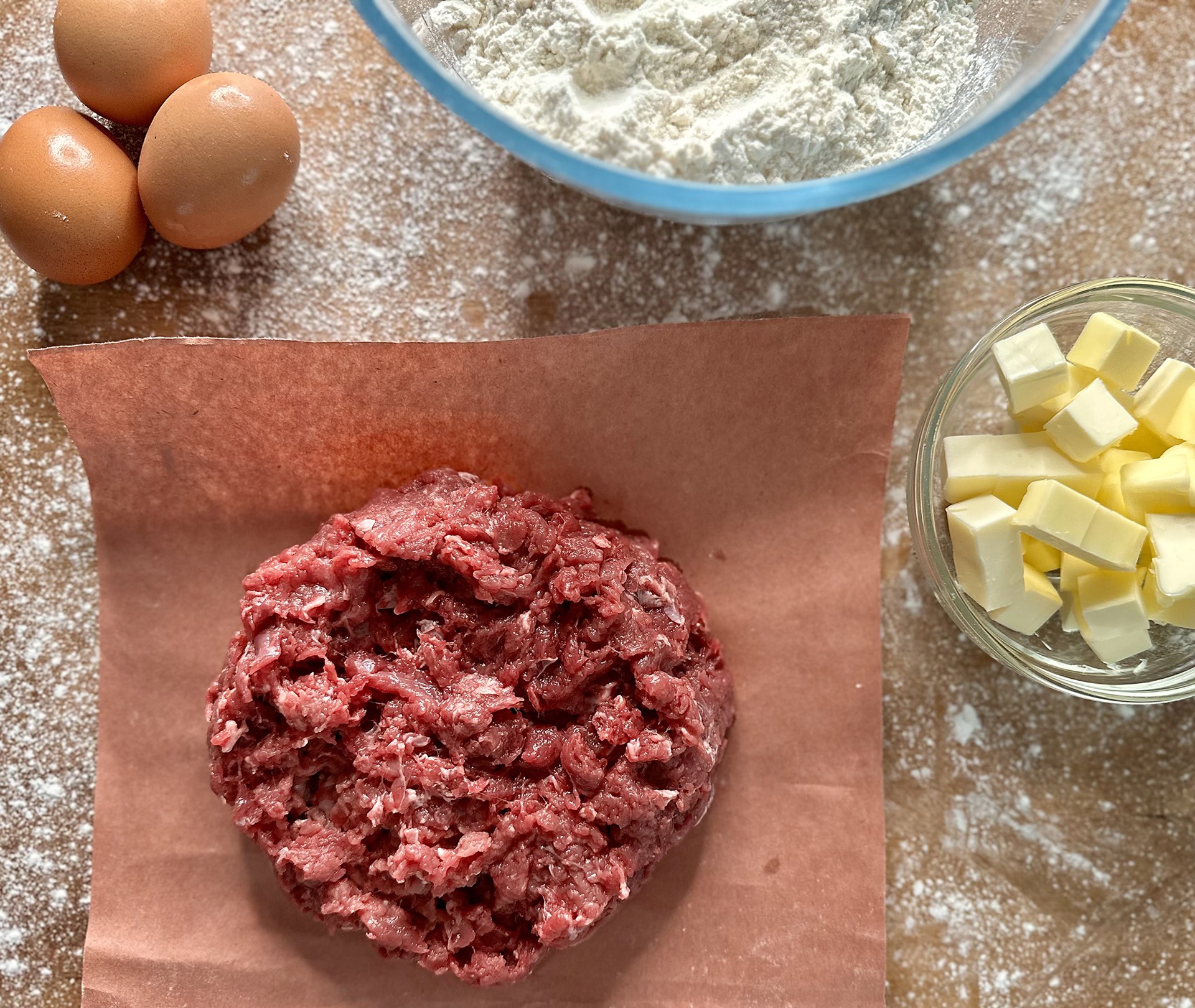
Ingredients
- For the Dough
- 3 cups flour
- ½ tsp salt
- 12 tbsp butter, cold and cubed
- 1 egg
- ¼–½ cup cold water
- For the Filling
- 1 pound ground venison
- 1 tbsp smoked paprika
- 2 tsp cumin
- 1 tsp oregano
- 4 cloves garlic, minced
- 1 onion, minced
- 1 tbsp beef tallow
- Salt to taste
Instructions
-
In a large bowl, combine flour and salt. Add cold butter and work it into the flour with your fingertips until the mixture resembles coarse sand. Whisk the egg with ¼ cup cold water and drizzle it into the flour. Mix gently until a shaggy dough forms, adding more water as needed. Turn the dough out, knead briefly to bring it together, divide into two disks, and let rest for 30 minutes.
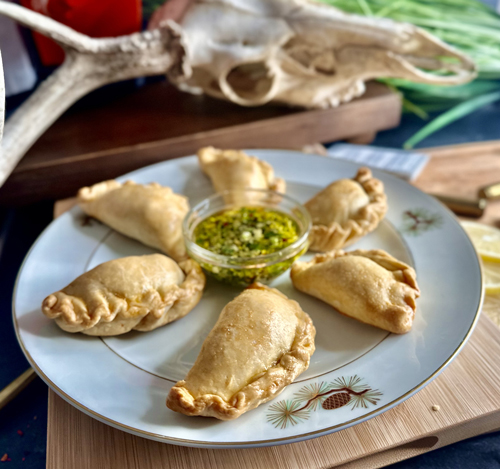
- Heat beef tallow in a skillet over medium heat. Add onion and cook until softened. Stir in garlic for 30 seconds. Add ground venison, smoked paprika, cumin, oregano and salt. Cook until browned, about eight minutes. Transfer to a bowl and cool completely.
- Roll each dough disk on a floured surface to ⅛-inch thickness. Cut 4- to 5-inch circles, gather scraps, and reroll as needed.
- Place 1-2 tablespoons of cooled filling in the center of each dough circle. Fold into a half-moon, press to seal and crimp with a fork or a repulgue fold. Arrange on a parchment-lined baking sheet.
- Brush each empanada with egg wash. Bake at 375 degrees for 22–25 minutes or until the dough is golden and crisp.
- To Freeze: Form empanadas and freeze unbaked on a sheet tray. Store in a freezer bag and bake from frozen, adding 3–5 minutes to the cook time.