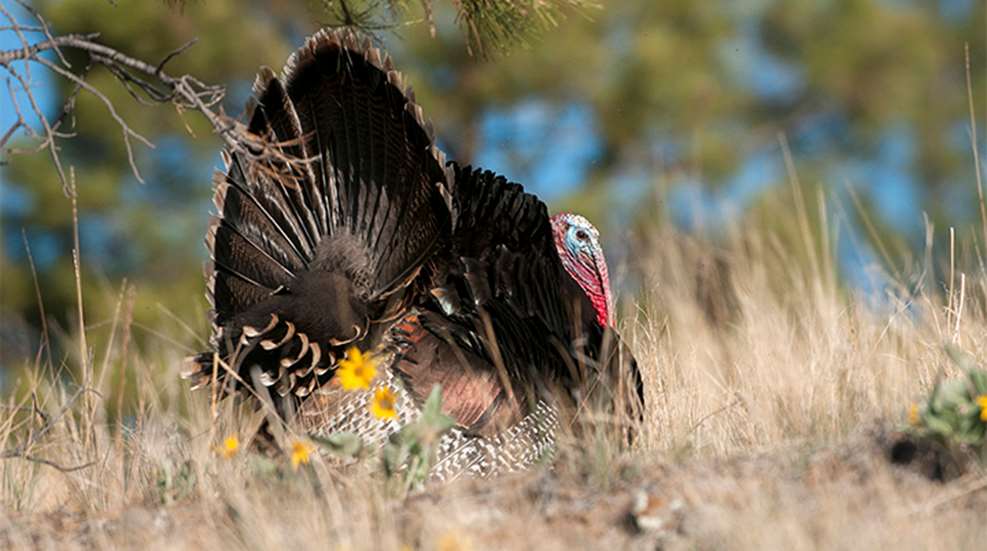
Two years ago, I heard a gobbler in an oak bottom on consecutive days. Without even laying eyes on him I figured he’d be a bird I could get my nephew on rather easily. I was wrong.
We went out the next day and didn’t hear him. The day after that I didn’t hear him either, but when we ventured down into the bottom hoping he might answer my calls, he was already down there and we spooked him. I knew he was still around, he just wasn’t gobbling. And gobblers that don’t gobble are unkillable, right? Wrong.
I had an ace in the hole, and that was the fact that I’d heard him twice in the hollow and spooked him from it later. This indicated the oak bottom was his springtime mating hangout. So the next day I got up early, snuck down into the hollow and waited. At around 8:30 a.m., there he came, following his harem of hens. I killed him without ever making a call. I never gobbled and I never made a yelp—I didn't have to.
Fact is, plenty of times during the season gobblers may not gobble. Maybe it’s because some turkeys are genetically programmed to be less vocal than others; perhaps the moon didn’t strike them right on the roost; or perhaps they’ve got the bird flu. Whatever the case, gobblers can still be called and killed if they’re silent. You just have to find a gobbler, scout him thoroughly enough to recognize a pattern then trust in your scouting. Most of all, you must accept the fact that you may not get to hear him as he comes in. Here’s how.
1. Spend Time in the Woods
Start at least a month before the season. When turkeys are exiting their winter patterns and transitioning to a diet of forbs, berries and insects with the spring green-up, nothing beats getting out in the woods. You’ll have the best chance of hearing gobbles at flydown, but if you can’t get out at 0-dark-30, try sunset. During this time, scout for likely roosting trees along creeks, get within several hundred yards and just listen. If you can sit on a high ridge or other vantage, even better. Sometimes you can do this from your truck with the windows rolled down. Always bring a bino, because you’re not just listening for turkeys, you’re looking for a big gobbler to specifically target.
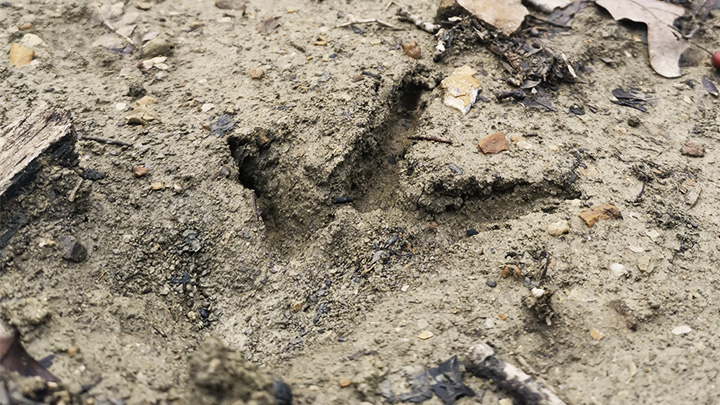
If you don’t hear birds but believe they exist on your property, you must find them. This means walking two-tracks or logging roads while looking for sign such as tracks, droppings and scratchings. Tracks and strut marks are easiest found on dirt roads after a rain; droppings are best found in low-cut fields; scratchings are found in oak or piney woods where turkeys must clear away the leaves to find grubs and insects on the forest floor. Where you find good sign, place a trail cam (more on this later).
2. Word of Mouth
While the best intel comes from your own eyes and ears, the next best thing is someone else’s. Perhaps it’s a neighbor within earshot. Maybe it’s an oil worker or a ranch hand. You can bet a farmer who works the land will know where the turkeys hang out. Start there.
When getting intel from that person, narrow your questions to something like: “Have you seen a big tom strutting anywhere consistently?” If he says yes, it’s time to hit the woods and watch—perhaps a week or two before the season starts. Your goal is to know not only what field ol’ saber spurs prefers in the morning but what edge he typically likes, how he enters and exits the field and where he struts.
3. The Technological Edge
Turkeys are territorial birds that tend to follow seasonal patterns. While many will roost in the exact same tree every day, others won’t venture far. Typically, turkeys fly down, feed, dust and loaf in the same general direction each morning, do a big loop and wind up near the roost area an hour before dark. Your job is to scout a turkey’s daily activity so you have a good idea of where he’s at during any time of day.
The bad news is this takes time and patience that many of us working-types don’t have—especially if you don’t live close to the property you hunt. This is where you can turn to technology to help.
Use trail cams to scout turkeys even when you can’t be there. Place them on field edges, in food plots and anywhere you see lots of sign. If you capture a gobbler on camera, try to identify him by unique features such as his paint-brush beard or a tattered tail fan. Then look for him on other trail cams to get an idea of his range. Note the time of day he appeared on camera and compare photos.
With some luck, you’ll notice a pattern. And while he may not appear on the trail cam every day, there’s a good chance he’s close. And once you have a pattern, you really don’t even need him to gobble. Trust your scouting; slip in to his core area at least an hour before his schedule dictates, set up, and wait for him to arrive. If you don’t kill him that day, give it at least two more tries before changing strategies.
4. Scout-Hunt
If you simply don’t have the time to scout before the season or hang trail cams, and there’s no one you can ask for intel, certainly your odds of patterning a bird are not good. But you can scout-hunt on opening morning. This means getting out there early, taking a bino and hunting very conservatively. Instead of guessing where to go, committing to a spot and setting up blind, park the truck, sneak to the highest vantage point and just listen.
Use topographical maps to find creeks where turkeys will likely roost, then go see if it contains roostable trees. Find fields and meadows via Google Earth and check them out. But instead of walking straight to them, act like you are deer hunting; wait and listen before moving into the open. Glass it from a distance. Once there, look for fresh turkey tracks and droppings. If you find a goodly amount of sign, get back there the next morning. If you see a gobbler, realize that if left undisturbed, he’ll probably be near the same place the following day.
If you can’t find a bird, walk down trails and logging roads. Be quiet while covering ground. Owl call rather than yelp to elicit shock gobbles. The slower you go, the more tuned-in you'll be and the less you'll have to worry about spooking a gobbler if it decides to come to you as you’re walking.
Gobblers aren’t robots—they’re animals that have whims and do random things. But most of the time, if you know a bird’s routine you can kill him even if he doesn’t make a peep.