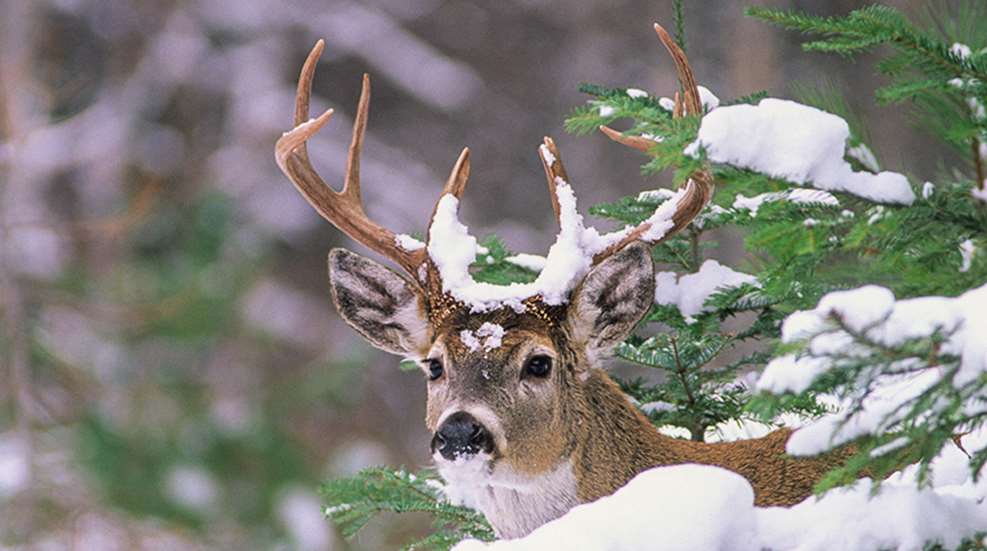
There’s really only one time of year to scout whitetails most effectively, and that is immediately after the whitetail season closes—preferably when there’s snow on the ground. That’s late January or February in most areas. Certainly some weird folks are burned out on deer hunting altogether by this time and looking to do other things—like keeping warm by a fire—but this is the prime time to strap up the boots and hit the woods to gain valuable intel for the following season. Here’s why the late season is so valuable for scouting, and what to do when you get out there.
Why now? The hunting season is closed, so you can tromp around bucks’ bedrooms without fear of spooking them. Sure, you might scare one like it’s Friday the 13th and you're the creepy guy in a ski mask, but it doesn’t matter all that much. By the following year—or three days later—the buck will have forgotten all about you.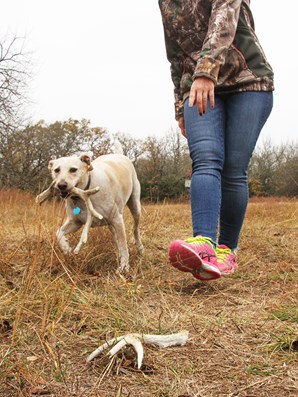
Tactic: Dive off into the woods, walking trails, noting tracks, rubs and late-season food sources; scout like you’re hunting rabbits, not deer, and don’t be afraid to crash through the thickest areas around to see if you can flush a deer. If you do, try to get binoculars on it to see if it’s a buck and its size. Note the buck’s escape route; it could help you later. Depending on your region, this might even be a great time to hunt for sheds, because a fresh shed is a giant clue that instantly tells you the size of a buck and that it’s living in your area.
Why now? In late winter, with the foliage gone, it’s much easier to see and read subtle terrain features such as saddles, knobs, funnels, draws and buck trails.
Tactic: With the lay of the land now opened up and easier to read, note places that have distinctive terrain features that are even slightly different from the surrounding terrain. Most times of year, big bucks are like trophy bass: They tend to follow low-lying contours of the land so they can stay hidden. Just keep in mind that “low-lying” areas are relative to the surrounding landscape. For example, in many places that don’t have obvious ridges or deep creek ditches, subtle draws and drainages naturally funnel animal movement. On the contrary, in wet weather deer often take to the high ground, so gentle knobs and elevation changes of only a few feet can attract them and alter their travel routes. Now that these features are more visible, follow them out and look for sign where contours and tracks converge. Strongly consider hanging a treestand there.
Why now? If there’s snow on the ground—and hopefully there is—easy-to-see deer tracks will paint a near-complete picture of deer movement in your area, and could reveal the clues you’ve been missing all season regarding a buck’s hideouts and travel routes.
Tactic: Mature bucks are solitary for a few more weeks, and they don’t often travel the same worn trails as does. Now is the best time to suss out the doe trails from the buck trails that parallel and cross them. Look for bigger tracks, longer strides and rubs to determine a buck made the trail, then backtrack it to its start and conclusion. If, over a few days, there are tracks on tracks, it could be a pattern. Consider hanging a trail cam along the trail to determine if it’s a buck worth hunting next season.
Why now? The deer at this time of year have been hunted, so they are still wary. This means their behavior and patterns will more closely mimic the hunting season, and not their summer patterns that don’t do hunters much good. They’re also hungry, so they’re always on a quest for food, which means they will guide you to their preferred food sources.
Tactic: With the trees bare, now is the time to glass from afar food sources such as agriculture—preferably from your warm truck if you can find a nice vantage point. Deer you see are behaving how they’ll behave in the late season next year, which means they will likely enter and exit the same fields near the same spots at early morning and evening times when they feel safest. Note the food sources they are hitting hardest, when and where they are hitting it, and, of course, any good bucks you see. Jot this down in a notebook so you can formulate a solid plan for next season using actual data, not whims.
Why now? With the cold weather and little concern for spooking bucks, now is the time to hang new treestands and repair others. In plenty of places south of the Mason-Dixon, June through September is unbearably hot—with snakes and ticks out in full force. And spring is for turkey hunting. So the best time to hang stands is now, just after the whitetail season ends. As a bonus, this is the best time to get deals on treestands.
Tactic: After scouting and noting new places for stands, plan a couple work weekends with a buddy or your kids. Now is a great time to get even young kids involved in the process—and they’ll have a good time in the woods doing it; they’ll learn the terrain, learn to read sign and become invested in the stands they help place when they’re old enough to hunt. Gather everything you’ll need—stands, steps, straps, saws, flagging, etc. and knock out all your stand-hanging in a couple days. Best of all, you can do this without fear of getting Lyme disease or falling out due to heat stroke.
Sure, killing a big buck requires being at the right place at the right time, but if you scout diligently now, you can up those odds tremendously and take some of the luck out of the game.