Everyone has been told at one time or another to dress in layers, but what does that really mean? While some may consider placing a hooded sweatshirt under their rain coat “layering,” what they’re missing is the science behind a multi-garment system. For instance, in the previous ensemble the cotton hoodie won’t retain heat once it becomes damp and the rubber rain coat holds in moisture, making your body uncomfortably cold when at rest. If you had opted for a more appropriate layering system consisting of a next-to-skin base layer beneath a down insulation layer, which sits under a waterproof and windproof jacket, your day would have been a lot more comfortable. With the latter system, the base layer keeps moisture off the skin, allowing it to evaporate without cooling the body, the insulation layer retains heat and the breathable outer layer staves off wind while keeping you dry. By using these three garments together, distinct advantages of different fabrics and materials work together, allowing for maximum efficiency. Seems simple right?
While it sounds simple to follow, the next-to-skin base layer is typically the most overlooked component. Hunters are often willing spend hundreds of dollars on an outer or insulation layer, and then put their over-sized, 30-year-old army surplus poly-pros or cotton long johns underneath. Doing so eliminates the ability to achieve even marginal performance from mid and outer layers, despite their hefty cost.
In addition to overlooking base layers all together, it’s a common misconception that a base layer system consists of only a long sleeve shirt and a pair of tights. If that’s what you currently believe, I hate to break it to you, but you are doing it all wrong. Think about the three areas of your body that become coldest the fastest. If your first three thoughts included you head, feet and hands, a bulb should immediately begin burning brightly in your head. Here’s a basic guide to base layers that if followed will keep you much warmer on your next hunt.
How We Get Cold
Our bodies lose heat in four ways including; radiation, evaporation, convection and conduction. Radiation is the loss of heat to our surroundings, evaporation occurs when moisture evaporates from the surface of the skin, convection occurs when air blows across our skin and conduction occurs when our body comes into contact with a cooler object. Now, how we control these four types of heat loss comes in different ways. For instance, convection can be controlled with a wind stopping outer layer, and conduction can be minimized by not sitting directly on the cold ground—easy enough. For the other two types of heat loss, one piece of clothing helps combat them—a base layer. The correct base layer system will help minimize both radiation and evaporation by adding warmth next to our skin and pulling moisture away from it.
Materials
Base layer materials come in different compositions, but can be broken down into two categories—synthetic (predominately polyester) and natural (different types of wool). While both of these materials will do the same job at wicking away moisture and retaining heat appropriately at a next-to-skin level, wool (typically merino) is the best choice—mainly due to its odor deterrence capabilities. Unlike synthetic materials, wool’s texture naturally prevents bacteria from forming (the root cause of body odor), thus makes wool superior to synthetic choices. For those that backpack hunt and have limited opportunities to shower, wearing merino wool will help keep your presence unknown in the field by making you stink less. If you want to test this, spend an hour in merino wool on the treadmill and throw it in a garbage bag. Spend another hour the next day in synthetic and do the same. In a week, unseal each bag and let me know which one smells worse. I think you can guess where I’d put my money.
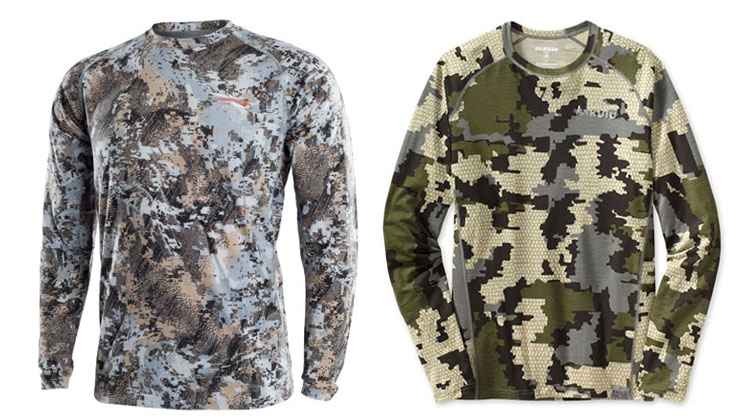
Pants and Shirts
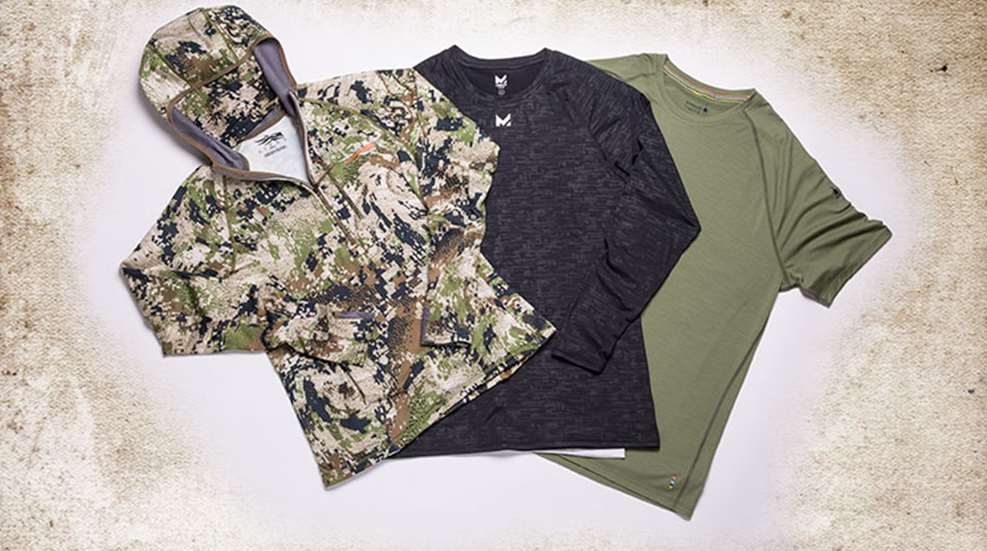
When it comes to selecting a base layer, the first steps are to look for a clothing manufacturer you trust and decide what material you prefer. In terms of pants and shirts, manufacturers from various companies including Cabela’s, Smart Wool, Kuiu, Sitka and Columbia all make garments that fit into the next-to-skin base layer mold. In some instances, they’re sold in two different weights, and while thickness matters, if you’re looking for a multi-purpose garment, go with the thinner of two choices—you can always add an extra insulation layer if needed. While pants and shirts are fairly general in style and function, where base layers shine is when they are placed on the extremities including the feet, hands and head.
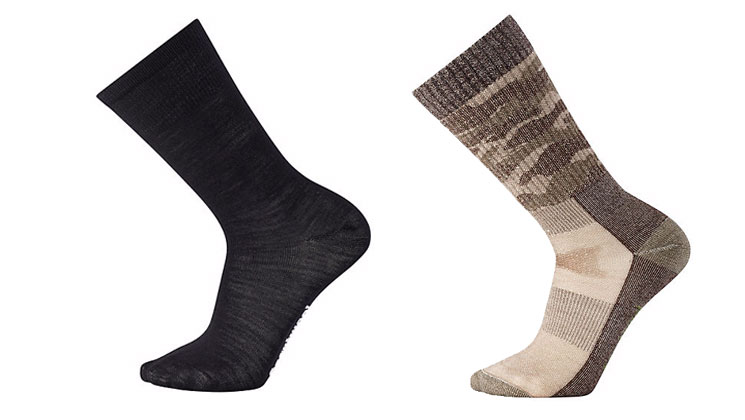
Feet
Typically, feet are the number one area of discomfort for hunters that sit while hunting. Feet are the body’s furthest extremity from the heart, making maintaining warmth difficult. In order to help maximize heat retention, a good two-layer sock system is key. Start with a thin base layer sock from a company like Smart Wool to pull moisture away and then add an appropriate weight wool sock over top of it. Stay away from blended wools, and start with only the base layer when moving—add the second layer when seated for the day.
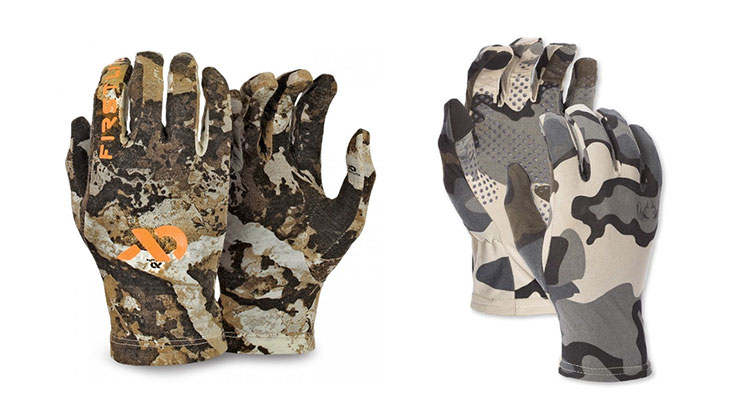
Hands
Your hands and fingers are often the most exposed extremity, as they’re often in use to binoculars or play on a smartphone. While wearing thick gloves is bulky and awkward, a thin base layer glove won’t get in the way and goes a long way in keeping your hands functional. Base-layer gloves from brands like Kuiu or First Lite are great choices to be worn both with and without outer layers. Be forewarned that wearing the base-layer glove while active will result in them wearing out prematurely, but when sitting, they will keep your hands warmer and won’t get in the way when an opportunity presents itself. Also, they often include material that allows you use phone while wearing them—not that I do such things—but just in case you do.
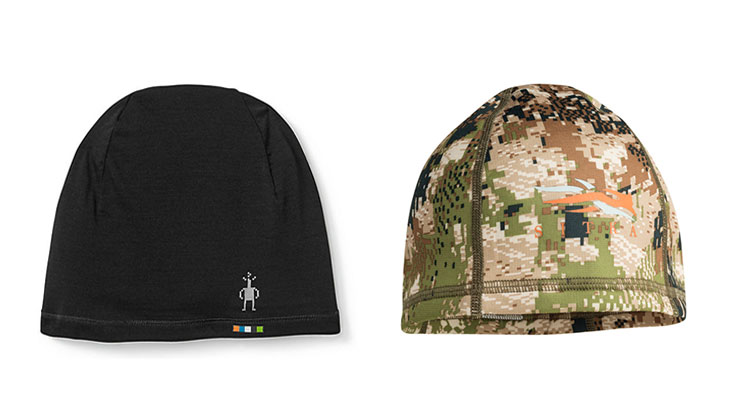
Head
Continuing along with the trend of adding base layers to extremities, wearing a skull cap under your hat helps to retain heat in the area of your body that you lose the majority of your heat from. This layer is thin—almost like a swimmers cap—and for those of us that have male pattern baldness, skull caps are our saviors. They can be used standalone or in combination with a second layer, making them an important functional component to any clothing system.