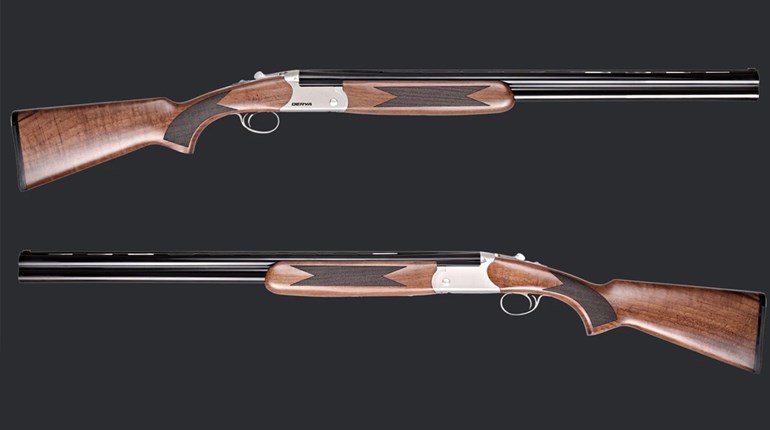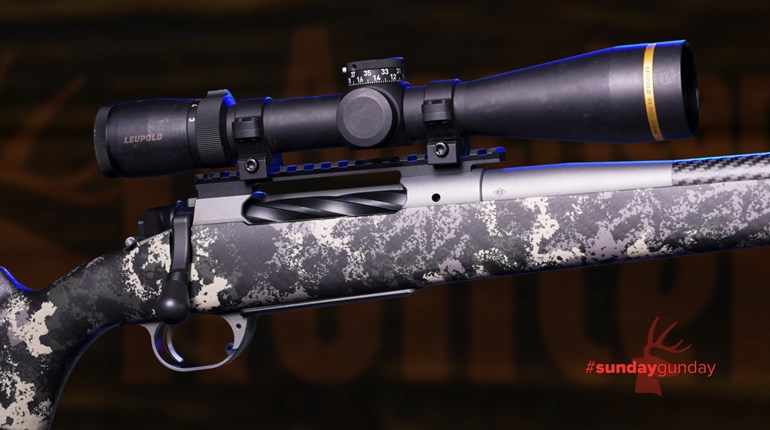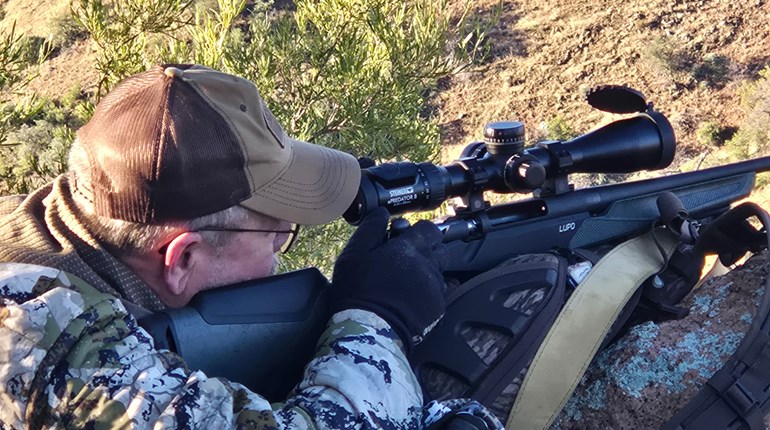
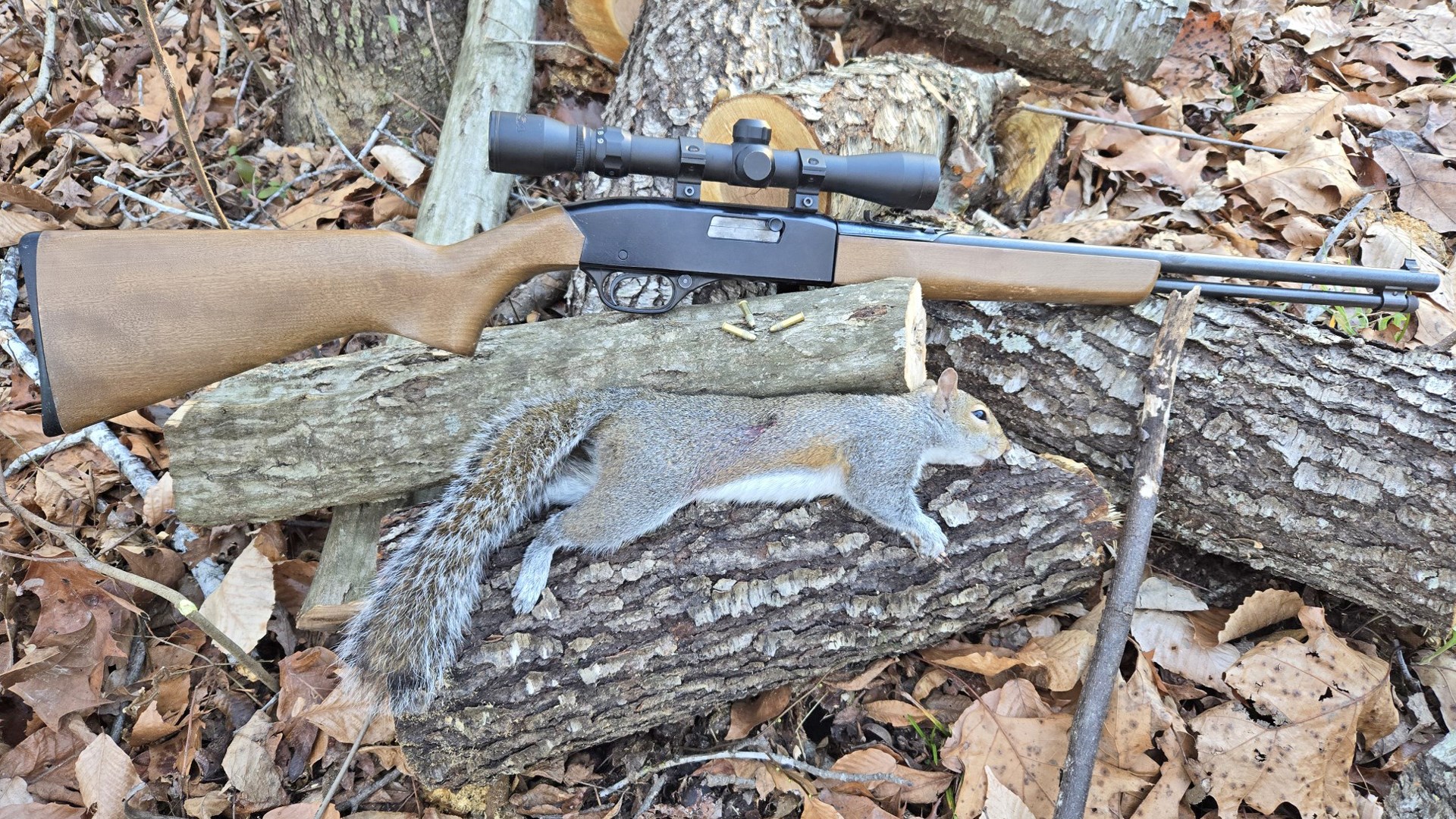
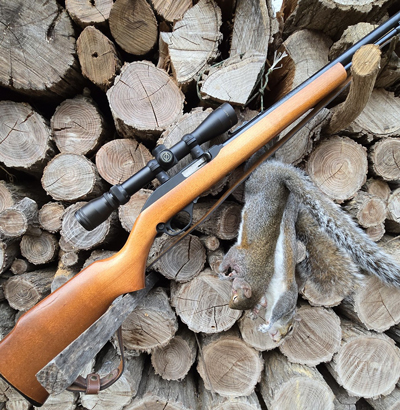
Last season I used a slug gun and a rifle on the half-dozen whitetail deer we put in the freezer. Most of the shots were at deer standing still or walking along where I had time and a large target to hit at ranges no more than 110 yards in my neck of the woods. When deer season ended, I traded those guns for a .22 rifle and went to the squirrel woods to put up some stew meat and got my rear end handed to me the first few trips out. That was tough, considering as a kid I rarely missed with my .22, and many of my shots back then were squirrels running up or down a tree or limb. I had to face it, shooting skills can erode quickly if you do not use them. Here is what I have done since then to fix my problem and gain my pride back as well as consistently put some small-game meat in the freezer.
Practice the Basics
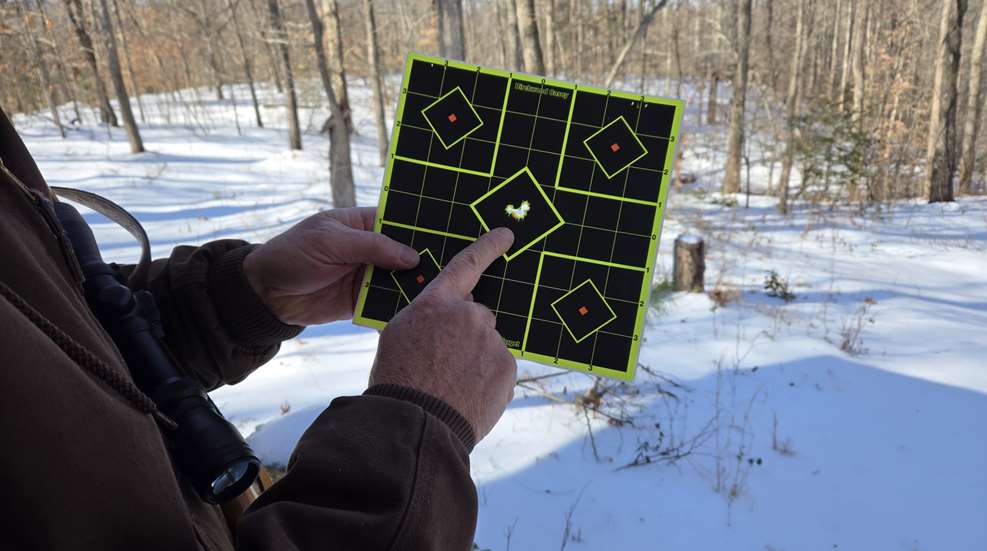
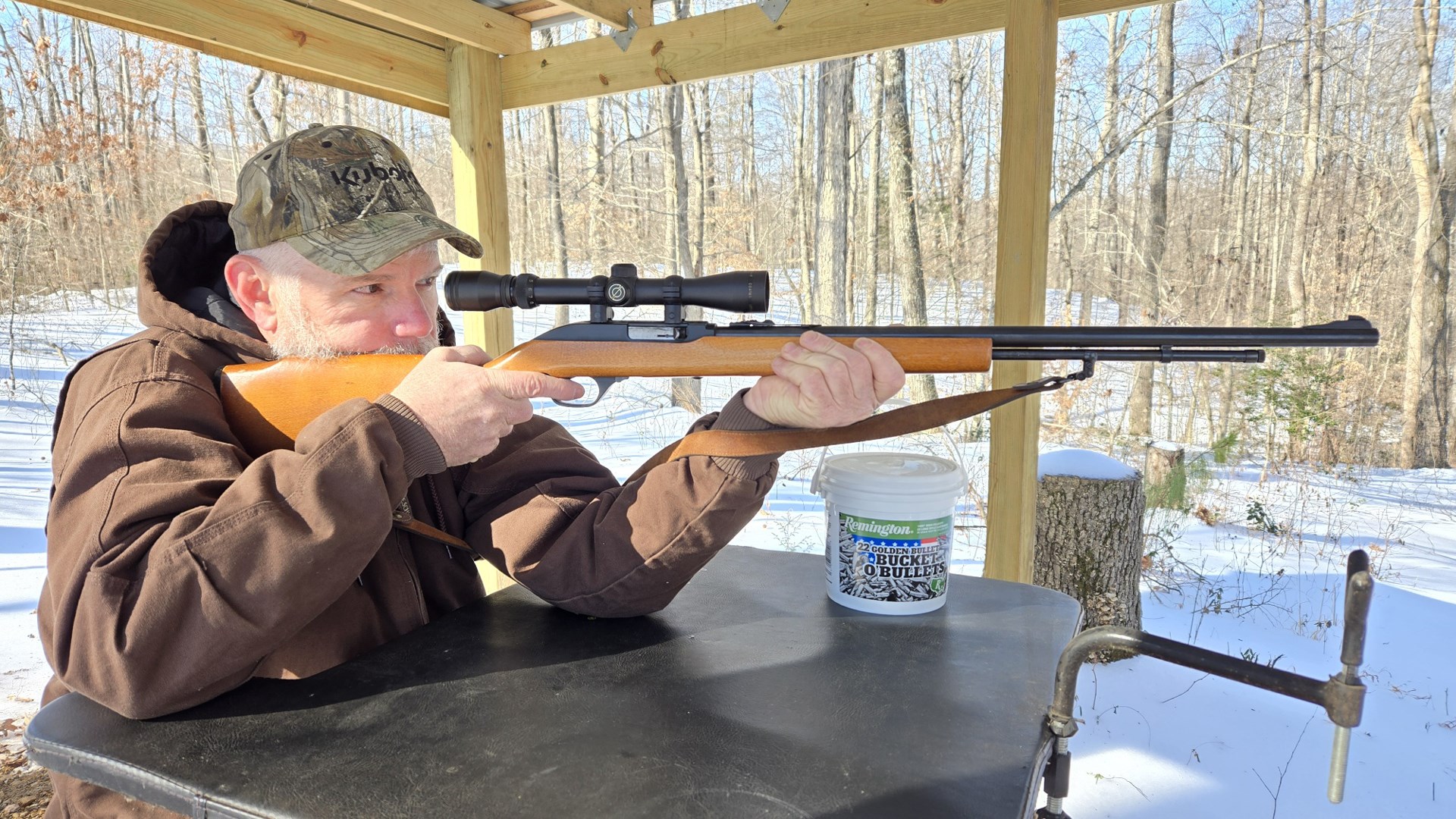
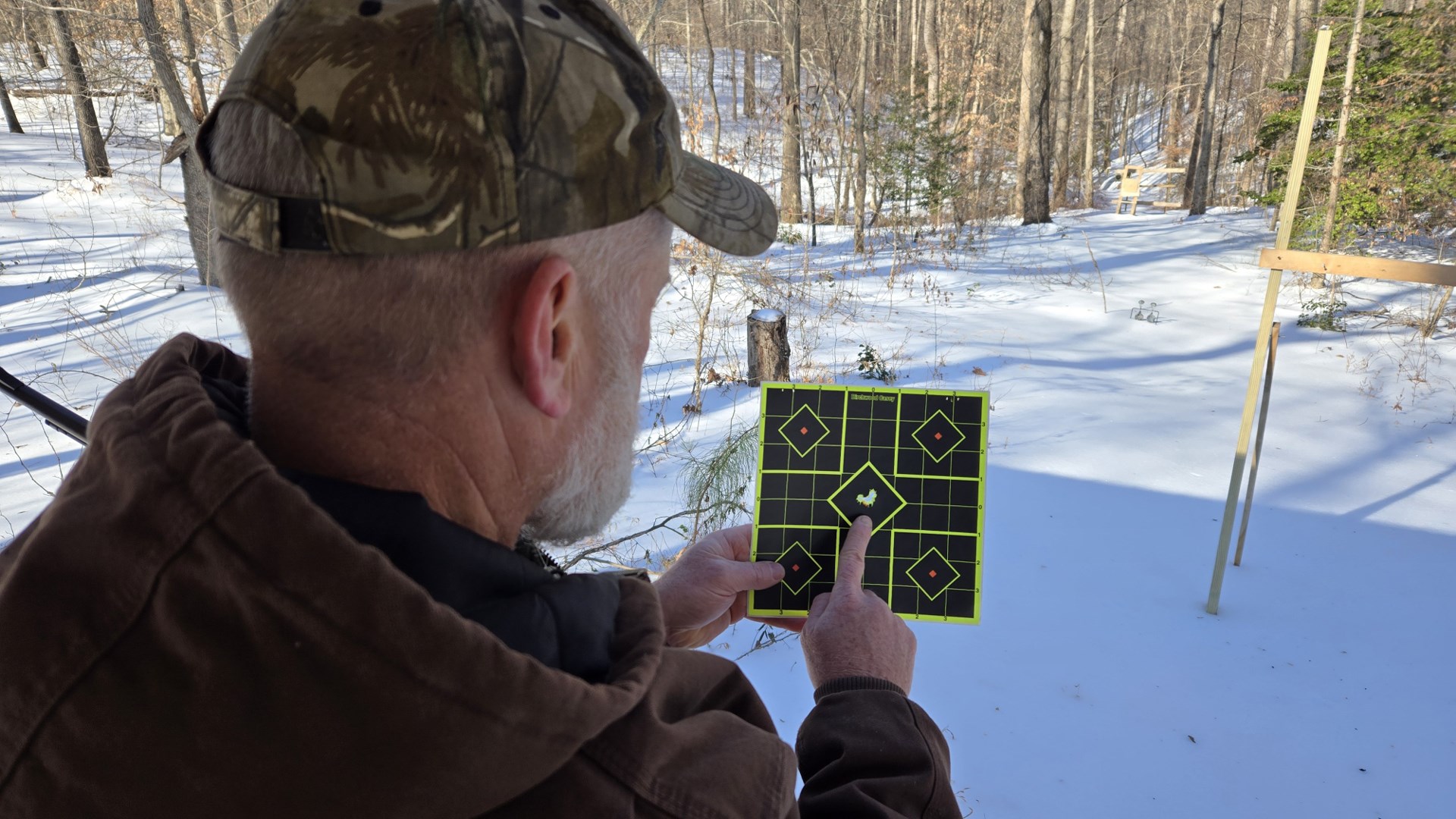
Yes, it is a no brainer, but honestly shooting at 6 deer a year is not much practice—particularly when they are not moving that fast and they present quite a large set of vitals to hit. So I was fooled into thinking my shooting skills were still as good as they once were. Once I admitted my lack of skill, I visited the shooting bench, setting up at 50 yards and literally just plugged away at a paper target a few times a week to get the basics back down. Those skills included proper hold on the rifle, cheek placement, eye relief, sight picture, finger position on the trigger and a focus on breaking the trigger the same way each time while controlling my breathing. I was a bit surprised how inconsistent I was, and how I often pushed the shot when I honestly was not good enough to shoot that fast again yet. There really is no substitute for practicing the basics. At first, I did this by dry-firing my rifle so as not to waste ammo (even though .22 ammo is a lot less expensive than high powered rifle ammo). At some point, though, live fire is a requirement to know how you are doing.
My advice is to practice the basics until you are shooting as good as the rifle is capable of shooting before you move to the next step. In other words, your shots should touch (or nearly touch) on the target with slow fire.
Range
The next step for me is to increase the range I am shooting at, as any mistake behind the gun will be exponentially telling at longer ranges. For this part of the exercise, I shoot at cans or paper at 75 and 100 yards. I do this to improve my accuracy in the event that when I am behind the big rifle faced with a long shot, I am ready to make that shot. Improving my accuracy at longer ranges refines the shooting skills. If I miss a squirrel at 100 yards, not much is lost. If I miss a deer or elk at 300 or 400 that is a lot of investment of time and money gone in an instant. I run through the same steps that I did with the basics practice, using those same fundamentals. Holding the sights on a target at 100 yards consistently to get tight groups is a lot harder, but much more rewarding. You can see progress at this stage when you are printing one hole an inch or so big.
Movement and Speed
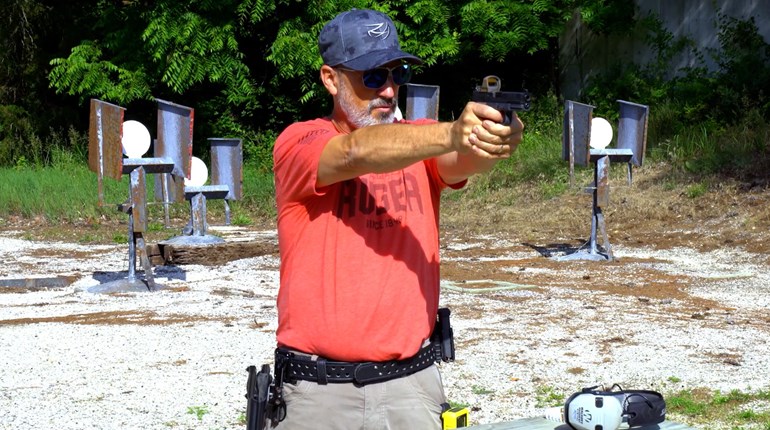
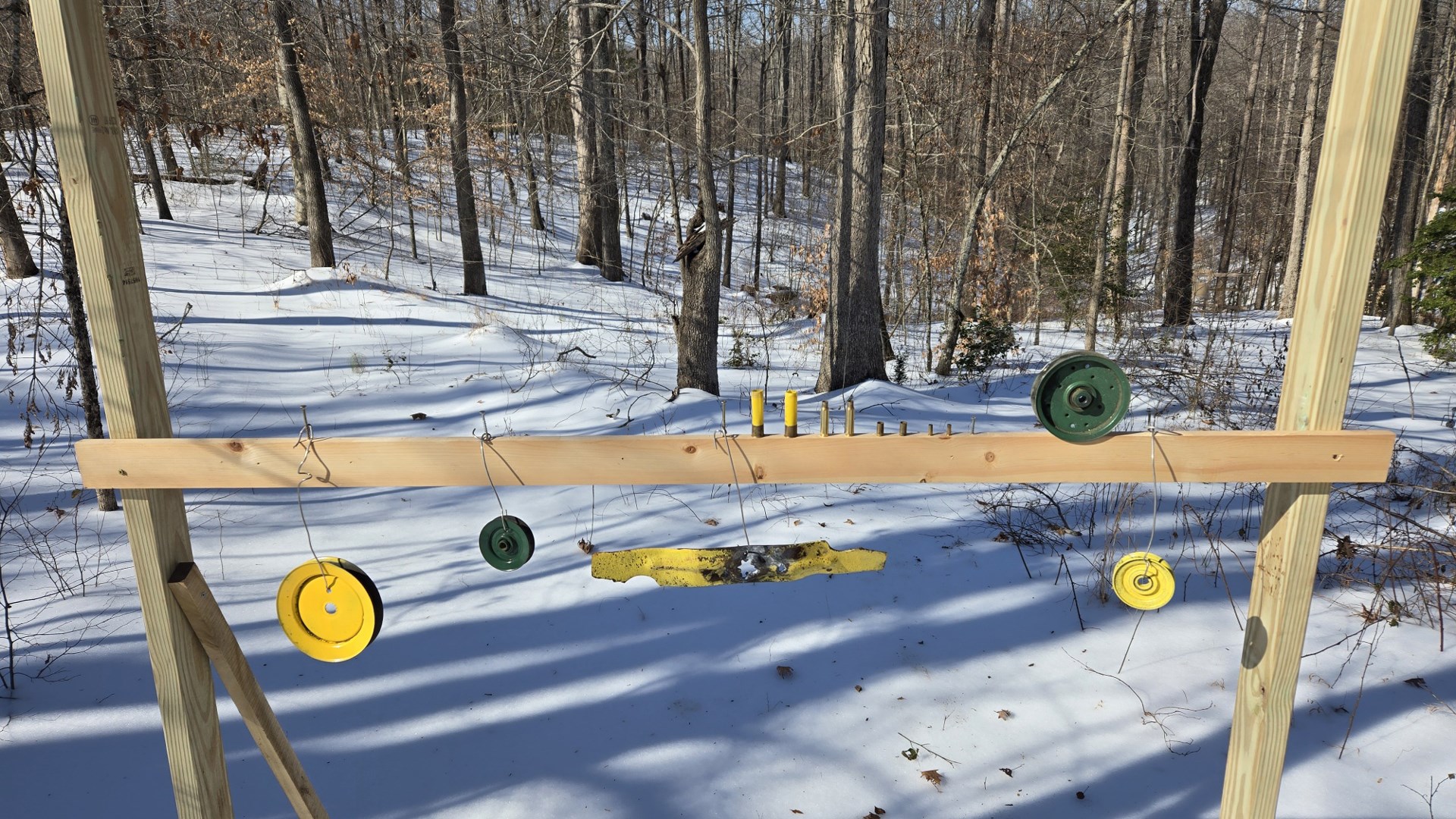
At this point I like to jazz things up a bit and shoot at moving targets; often swinging saw blades, old pulleys from the mower or something like that hanging on a wire downrange are just the things I need. The movement forces me to time breaking the trigger at just the right moment. Shooting something metal tells you right away if you hit it, giving instant gratification and causing the metal to move more.
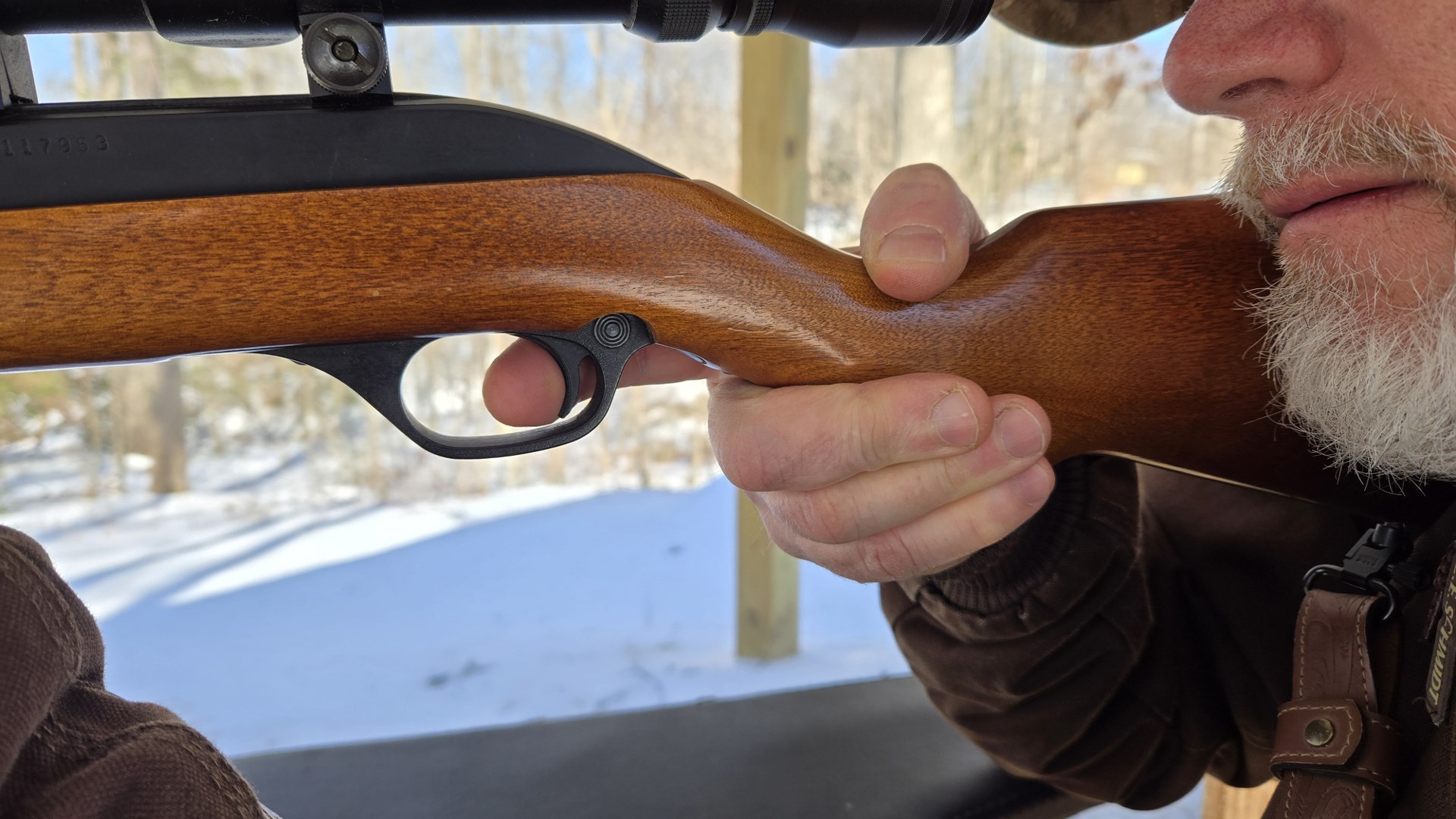
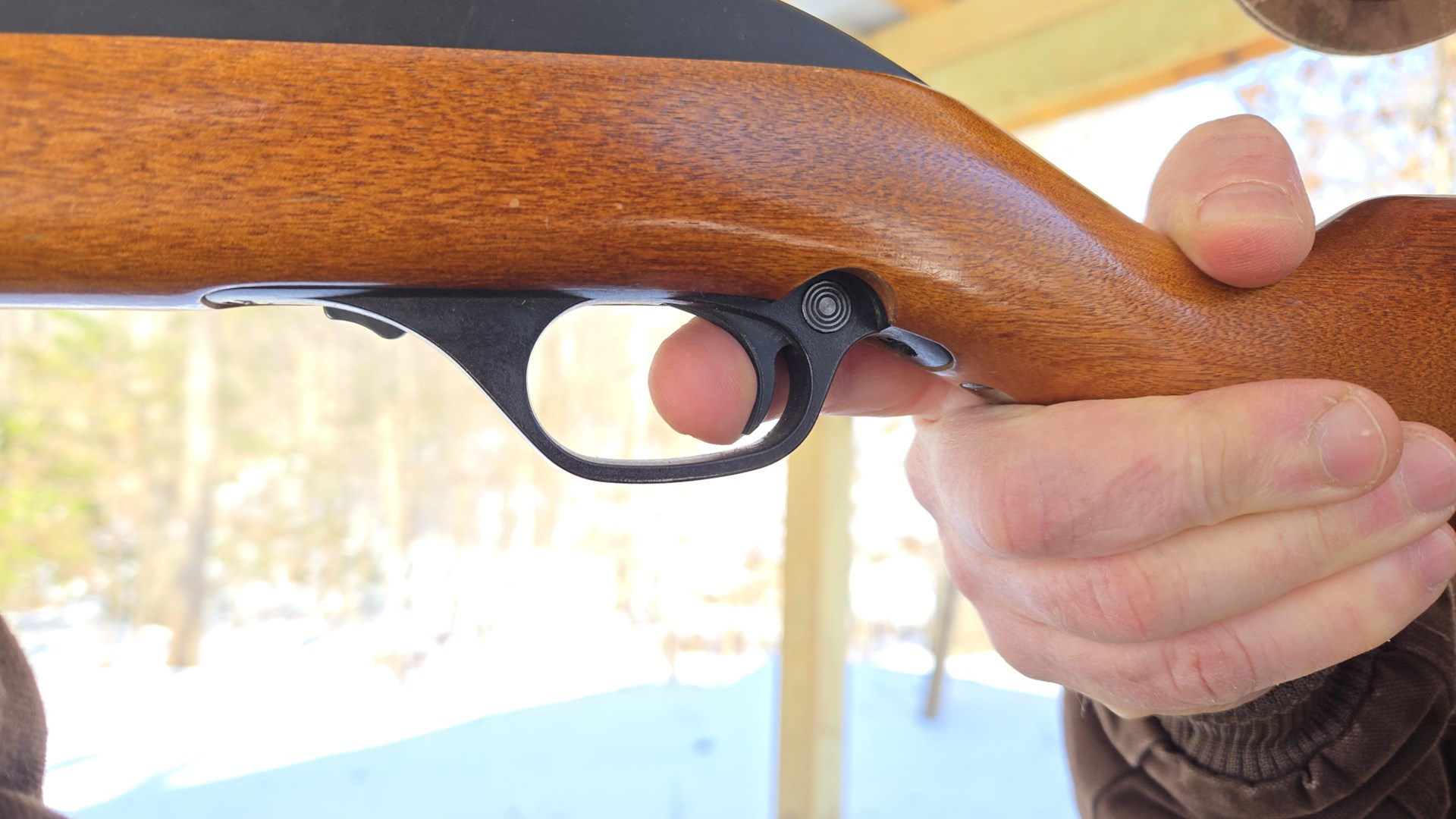 When shooting, always press the trigger with the end of your finger pad.
I also like to speed things up a bit too. Sometimes I use a semiautomatic rimfire rifle to do this, and sometimes I will use my bolt rifle to mimic field conditions when deer hunting. Speeding things up is often started on paper to see how well I can successfully print a magazine of rounds in a target in a group. The last step here for me is to then shoot rapidly at the moving blades or pulleys I have set up. Once I can hit the moving targets regularly (and have a lot of fun doing it), I will often put them further downrange. That is when I know I am not only ready to pick off squirrels running along a branch or down a tree, but I am also ready to pick off running rabbits if I get the chance, too.
Bonus Practice
If my range distance is limited where I am shooting, or I am ready to just have a lot of fun and challenge myself or a friend, I will use smaller targets. Sometimes acorns lined up on top of a board are great targets at 75 yards (think squirrel or rabbit heads. so no meat gets messed up) or tiny things like shotgun hulls or rifle cartridge cases on sticks. Whatever your choice, make it challenging.
This small game season, and especially during the off season, take the time to refine your shooting skills and gain some confidence. Remember, the time on the range will equate to much better shot to kill ratios in the field and more meat in the bag!