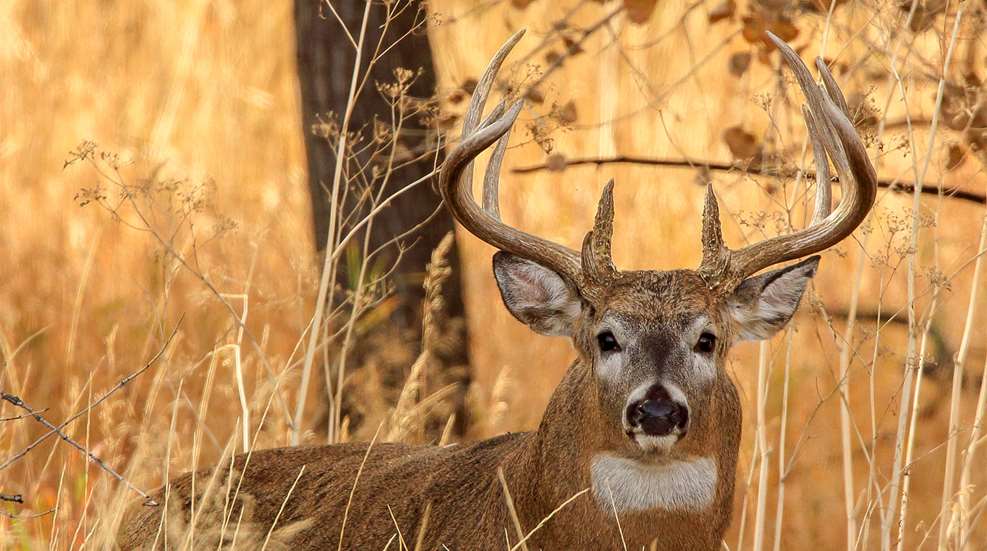
Hunting big deer is hard. Consistently killing big deer is even harder. It’s no cakewalk, even for the most seasoned of deer hunters. But do you know how they do it every single season? By hunting places pressured bucks find sanctuary. Here are 18 places big bucks find places to hide. But first, some whitetail logic.
Understanding Bedding Areas and Sanctuaries
While getting close enough to kill big deer really is a combination of art and science, the places they go to escape hunters isn’t. Land size doesn’t really matter. It’s just all about survival. If they can hide and get away from other hunters, it’s great. If it also had an abundance of food and water nearby, it’s gold. Really, the area just needs to offer deer their basic needs for survival.
Usually, that’s the thickest area around. Deer in general express bedding habits, but especially mature deer. They bed close to food when unpressured, and in more remote areas when pressured. They almost always inhabit advantageous terrain.
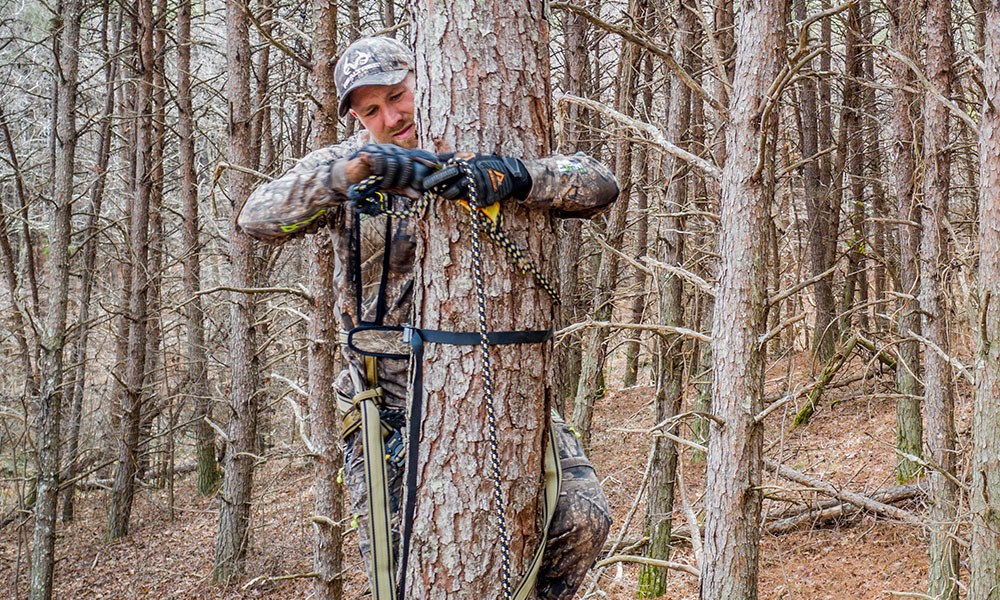 Hunt deer where they are during daylight. You can’t shoot them if they’re bedding hundreds of yards away.
When bedded down, they typically have their backs to cover, especially if bedded in a more open setting. They’re also generally facing downwind and keep an eye on their backtrail used to enter the bedding area earlier in the day. And because deer tend to be their own creature, and even express what can be interpreted as personality traits, degrees of caution vary from deer to deer. Now, with generalities aside, here are some specific spots to find big, old bucks.
1. Big Woods
Those who hunt big woods understand just how daunting these places can be. They’re monstrous tracts of timber, and when peering at them from 10,000 feet up, it’s overwhelming. That said, the best thing you can do is find edge areas where different vegetation types meet, or locate various topography features that are better suited for hunters, such as pinch points, saddles, benches, etc.
2. Cedar Thickets
Deer love to bed in cedar thickets, especially those that are thickened up and hard to walk through. Deer migrate to these areas for security, but during the late season, enjoy the thermal cover they provide, too.
3. CRP, CREP, Etc.
Until I started hunting a CRP farm in 2015, I had no idea how much deer loved it. In short, they live in it, including mature bucks. Pressured deer love this type of cover because they feel safe in it. That’s something to remember.
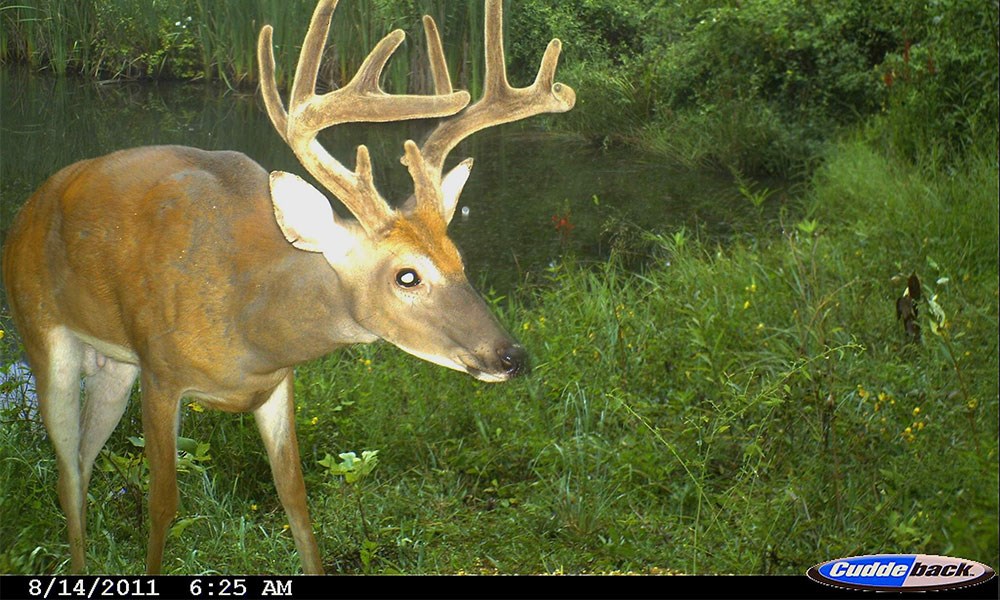 Deer aren’t pressured during the pre-season and early season. But that soon changes as hunters start going afield.
4. Cutover Timber
If logged within the past eight to 10 years, areas of moderate to heavy timber harvest offer quality bedding cover. So long as sunlight reaches the forest floor, it should be covered with thick saplings. Deer like areas with high stem counts.
5. Ditches and Drainages
Other overlooked places are low-lying areas, including ditches and drainages. If large enough for deer to comfortably bed in, deer will certainly bed there. This also includes large sinkholes.
6. Islands of Cover
Small, secluded islands of cover oftentimes go overlooked by hunters. They’d rather hunt the more attractive areas elsewhere. That’s a mistake on their part, but one you just might benefit from. Oftentimes, bucks live here, especially during the rut.
7. Thick Spots
Any thick spot will work. Heavy, thick cover in general is optimal. The nastier the better. If it’s hard for humans to walk through, deer like it that much more.
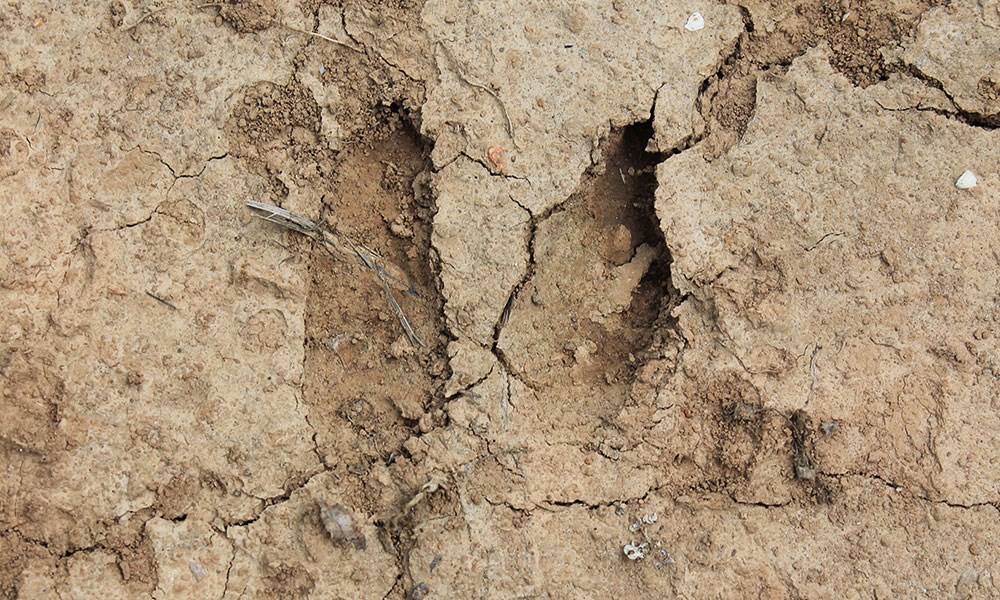 Follow the sign to determine where pressured deer are spending the most time.
8. Hubs and Flats
In hill country, deer really like hubs, or places where several ridges taper down and meet. Sometimes, flats might exist in said areas, too. Regardless, deer congregate here because of winding advantages they have—it swirls. That makes it hard for hunters to go unnoticed, and deer tend to stay alive when that happens.
9. Edge Cover
Any place where two types of vegetation meet is going to be thicker. By nature, deer like this for several reasons. First, it provides food sources. Secondly, deer like to bed and travel along such places, too.
10. Leeward Ridges
Best described as the downwind side of a ridge, leeward ridges are big-buck havens. Deer love it here because of the winding advantages these provide. In essence, you have the prevailing wind blowing over the top of the ridge, as well as thermals rising from below. This oftentimes creates a tunneling effect, and deer use that to their advantage.
11. Marshes
Deer won’t bed down in standing water, but they do use water to their advantage by finding islands of dry land in the middle of it. Marshes provide lots of these areas. Locating islands of dry land with thick bedding cover, within an already thick, difficult-to-navigate marsh, and it likely harbors some big bucks.
12. Swamps
Like marshes, swamps offer plenty of buck bedding. Again, they won’t bed down in water, but they will find areas of dry ground. Bank on it.
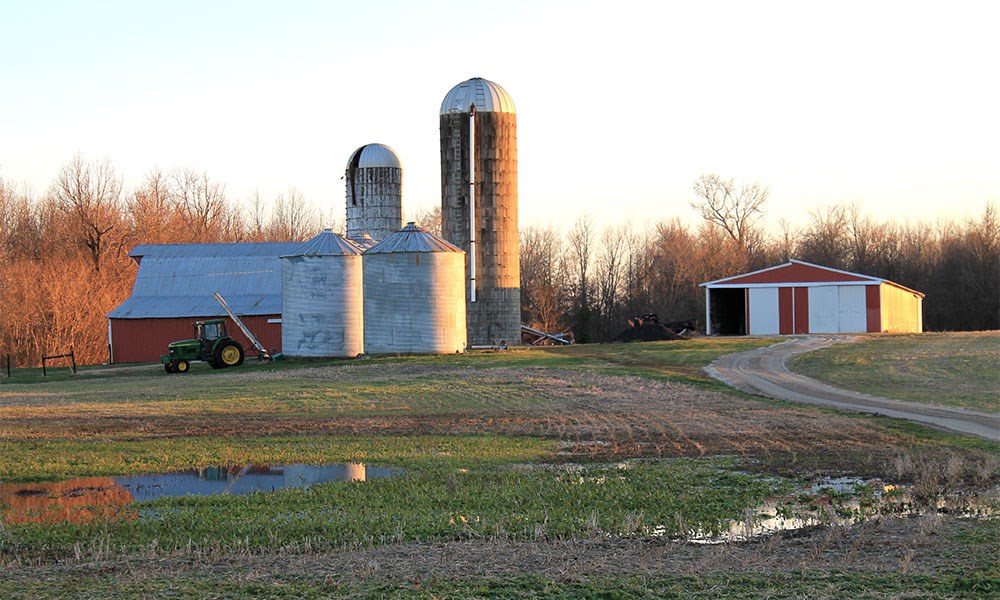 Sometimes, pressured deer might be bedded close to civilization. Other times, it could be the most remote area around. Scout to find out.
13. Oxbows
Another advantageous terrain feature is an oxbow. These are located along creeks, lakes and rivers that create a “U” shape, or peninsula, of land. Deer like to bed close to the water at the base of the U. Rarely do predators come from the water, and if something comes from land, they can escape out the back door through the water, effectively evading death.
14. Ridge Points
Deer like to bed on ridge points for the same reasons. It’s easy for them to detect danger coming from either direction. And when it does come, they can go up over the top, or dive off and over down below to escape the intruder.
15. Standing Crops
A sea of standing crops, such as corn or milo, is a haven for pressured deer. Small timber and brush pockets within standing crops are especially so. Here, it’s virtually impossible to see a deer, let alone approach close enough to get a shot off. And so, that’s why wary bucks inhabit such places.
16. Suburban Cover
Pressured deer don’t always avoid humans. They just avoid the humans who are trying to kill and eat them. That’s why you oftentimes find deer hoarding close to the suburbs and other areas that typically have some level of habitat and no deer hunting.

17. Hard-to-Access Places
While we’ve covered a lot of ground, there are other areas deer bed. And any of those that are hard to access likely hold plenty of deer. If it discourages hunters from accessing it or is outright impossible for most hunters to do so, rest assured whitetails live there.
18. Other Overlooked Locations
Lastly, just because it’s accessible doesn’t always mean hunters are there. Sometimes, places just go overlooked. Again, whitetails know where these spots are located. You should, too.