A mix of big-game hunting opportunities plays out in the backcountry before snow prohibits most traffic. Irrespective of your mountain timetable and whether you partner or go solo beyond the road, being prepared for any mishap diminishes your chances for trouble.
As a four-year veteran of the Routt County Search and Rescue in Colorado, Harry Sandler is no stranger to mountain mishaps. The organization conducts 30-90 missions annually; hunting season is its busiest season.
“Regardless if you’re going on a short, quick hike or an extended trip into the backcountry, you should always take along the needed items to provide first-aid or comfort in case of the unexpected,” says Sadler. “Your schedule could change— say, if you shoot an elk at dark or the unforeseen occurs—so tailoring your equipment to the activity and time frame can make a huge difference in the mountains.”
Meet these primary needs of survival and your chances of telling the tale increase dramatically.
First-Aid
Sadler recommends the easy route: Look to experts who have assembled wilderness kits to tackle the most common injuries.
“There are several kits you can pick up at REI- or Cabela’s-type stores. They are pre-packed in a waterproof kit for one to two people for three or four days,” he says. “Start there and add to it depending on your activity. Specifically, remember to add your personal medications, and bring extras in case you need to spend an extra day or two in the woods. Whether you are lost or spend an extra day field-dressing an elk, it’s always easier for us to locate a healthy person as opposed to an unhealthy one.”
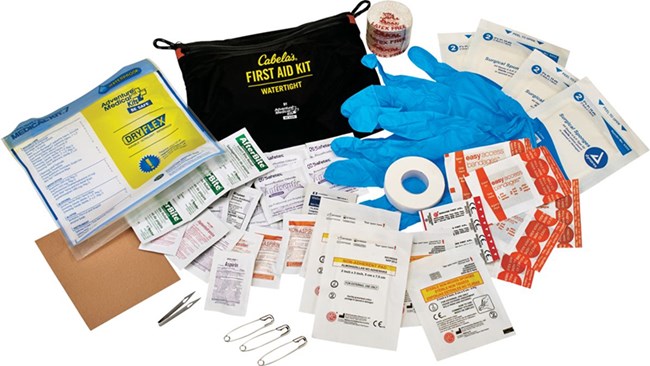
Basics include bandages for various sizes of injuries, butterfly closures, gauze, pain meds, antiseptic wipes, antibacterial ointment, medical tape, liquid bandage, tweezers and a first-aid manual. You may wish to add QuikClot hemostatic devices, sunscreen, insect repellent, antihistamines or other personal care items. An often overlooked area is foot care. When you begin to feel a hot spot on your feet immediately stop and pad it with moleskin secured with athletic tape.
Water
You can live without food for perhaps a month or more, but without water it’s a speedy end in three to five days. Remember, approximately 60 percent of the human body is water.
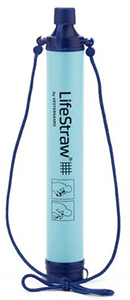 Your off-trail itinerary, temperature and length of stay will dictate your hydration requirements. An oft-quoted requirement is 3 liters per day for each individual; 2 liters minimum. You may not have to pack water at all in a pristine wilderness with springs and creeks that provide water on site. To avoid the risk of giardia, treat or filter all water unless you are certain of its purity.
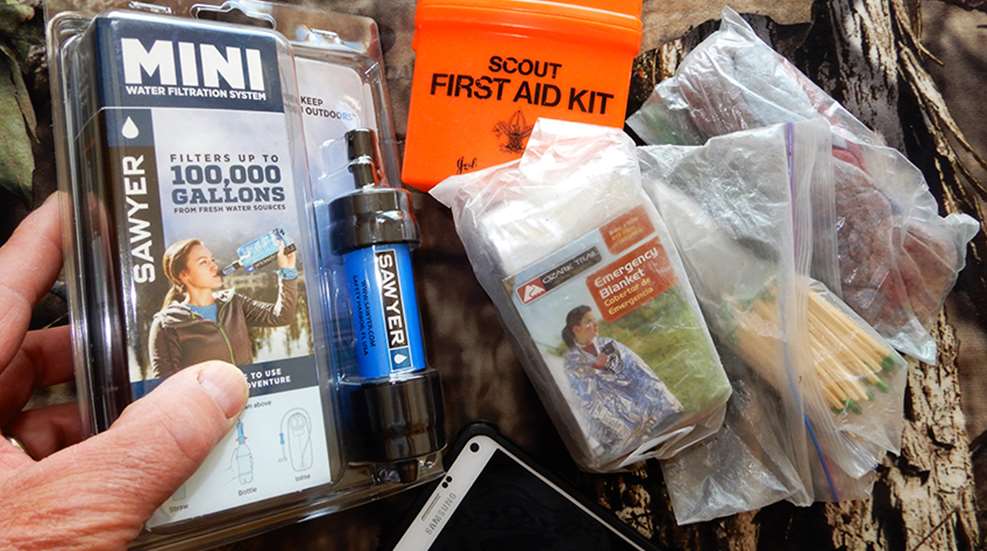
It pays to always pack along a mini filter like a LifeStraw. These filters weigh virtually nothing yet are true lifesavers when you run out of bottled water and must hydrate from questionable sources.
“If you’re day-hunting from camp, carry the water you need for the day,” advises Sadler. “For backpack hunts, think about filters or chemical purification. In addition to a LifeStraw I also carry a metal cup. You can boil water in it for purification; hot water hydrates you with a warming sensation if you’re cold.”
Shelter
Depending on the season (and the forecast, regardless) the absence of shelter can have varying affects. Add rain, wind or plummeting temperatures to the environment and finding suitable shelter fast becomes a necessity before hypothermia sets in.
“You should always be prepared to spend the night,” cautions Sadler. “It can quickly drop to single-digit temperatures in the mountains in the fall. Having access to a tent, a bivvy sack, a tarp, plus a warm jacket, gloves and hat can really make the difference.”
If your mountain ventures regularly include backcountry camping you likely have a bivvy sack or tent setup. Add to that raingear, which should be a constant in your pack to shield from moisture and to trap heat when temperatures drop. For urgent situations, a survival blanket or specialized emergency bivvy sack from companies like Adventure Medical protect you from the elements. They trap heat and are blaze orange for high visibility. And always remember a flashlight with extra batteries.
Always carry fire-making tools, tinder and a backup. Matches in a waterproof container, ferrocerium or magnesium rods for striking and simple tinder like dryer lint or petroleum jelly-soaked cotton balls all should be considered for emergency fire starting. Not only can a fire keep you warm, but it can serve as a beacon for location with its brightness at night and smoke during the day. Add the sound of an emergency whistle and you’ll lead rescuers to your exact location.
Food
You could live up to four or five weeks without food as long as you have water. Food is the fuel that energizes your body and fuels your self-rescue. Always maintain enough energy-based food to last the duration of your outing and extras in case of misfortune.
Food should include about 40 percent carbs, 30 percent protein and 30 percent fats. All should be healthy versions that boost energy, not rob it. Sadler suggests not weighing yourself down; bring just enough to fuel an additional day or two.
“Definitely have enough food packed for an extra day. My go-to is beef jerky. It provides lots of protein for energy and doesn’t add a lot of weight. Combine that with energy bars and trail mix to give you several extra hours of nutrition,
and energy.”
Communication & Navigation
The first rule of communication in the backcountry, says Sadler, is to plan as if you won’t have any. The second rule is to stay put if you do become disoriented. This allows searchers to zero in on your last known location rather than expand the search.
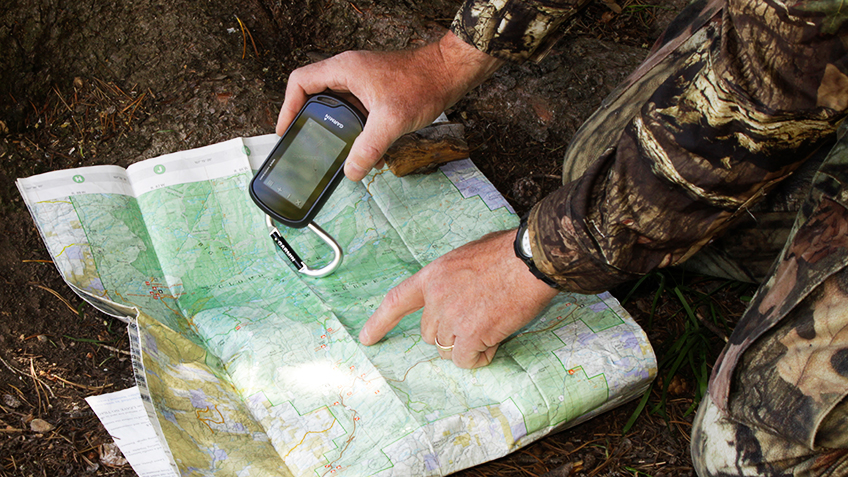
Back up electronic navigation devices with elements of yesteryear including a map or compass.
“For navigation, I’m old school and like a map,” says Sadler. “It can never run out of batteries. Lots of guys use a phone; if it dies, there goes your map. Use a compass and map along with your GPS, or phone apps for backup navigation.”
Along with old school technology Sadler suggests downloading maps to avoid online connections, and to bring extra power sources for all electronics. Batteries and solar chargers offer an energy boost in an emergency. Placing your phone in airplane mode prolongs its battery life.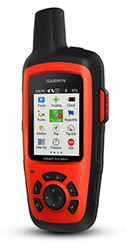
“You may also want to invest in a satellite communication device, like the Garmin inReach units,” he says. “They offer the ability to text message, track your location and even send an SOS.”
Even if you think you’ll have communication and navigation abilities, leave exact details regarding your trailhead, route, camp location and time of return. Keep your smartphone off until needed—but turning it on for a few minutes as you move through your hunting area gives it a chance to leave an electronic trail (if coverage is available). If you need help, call 911, not your girlfriend, counsels Sadler, to give searchers a
GPS coordinate.
Don’t wait too long to reach out for help. In Colorado, as in many locations, search-and-rescue is free.
“Call us sooner than later,” says Sadler, “because there is no need to worry about a big rescue bill. We will get you out of the woods and to safety.”
■ ■ ■
10 Essentials from the Routt County Search & Rescue
1. Navigation equipment: topo map, compass, GPS
2. Sun protection: hat, sunglasses/goggles, sunscreen
3. Insulation: warm layers, hat, gloves, buff, hand warmers
4. Illumination: flashlight, headlamp, extra batteries
5. First-aid: basic or activity-specific kit, whistle
6. Fire: waterproof matches, fire starter/tinder, saw
7. Repair/tools: knife, zip-ties, duct tape, activity-specific items
8. Nutrition: high-energy snacks, beef jerky, honey stinger, trail mix
9. Hydration: ability to make clean water (if not, carry extra)
10. Shelter: tent, bivvy, tarp, space blanket, raingear
■ ■ ■
Backcountry Safety
1. Always tell someone where you are going and when you will return.
2. Bring a fully charged cell phone and ability to recharge (but don’t expect to always have service).
3. If lost, seek shelter and stay put. Build a fire (to make smoky during the day and a big, bright light at night).
4. If injured, stabilize the injury, keep warm and sheltered. Call or send for help (911).