“Get your buck yet?” The question was a punch in the gut. This was eighth grade in a small Catholic middle school. There were a dozen boys in class who’d just experienced their first opening day with their very own buck tags in their pockets and they wanted to know where I fit. Had I become a man or was I still a grade-school kid?
“Not yet,” I mumbled as “just you wait” shouted in my head.
The news passed down and across the rows of desks. I heard the tally. Four of them had gotten their bucks on opening Monday. They were the ones asking. The rest of us knew we’d have to endure their stories until we’d earned our own. We knew if we came back from Thanksgiving break without a filled buck tag we’d be boys for the rest of the school year.
Of course, as we get older and have sons and daughters to take hunting and a lot of seasons to our credit this changes, but we still ask each other that same defining question each season. And we still wonder what we can do to fill those tags. Here are a few savvy ways to, if not answer with a photo on your smart phone, at least have a lively story to tell about how the big one slipped through your almost perfect plan.
1. Go Thick and Stay Long
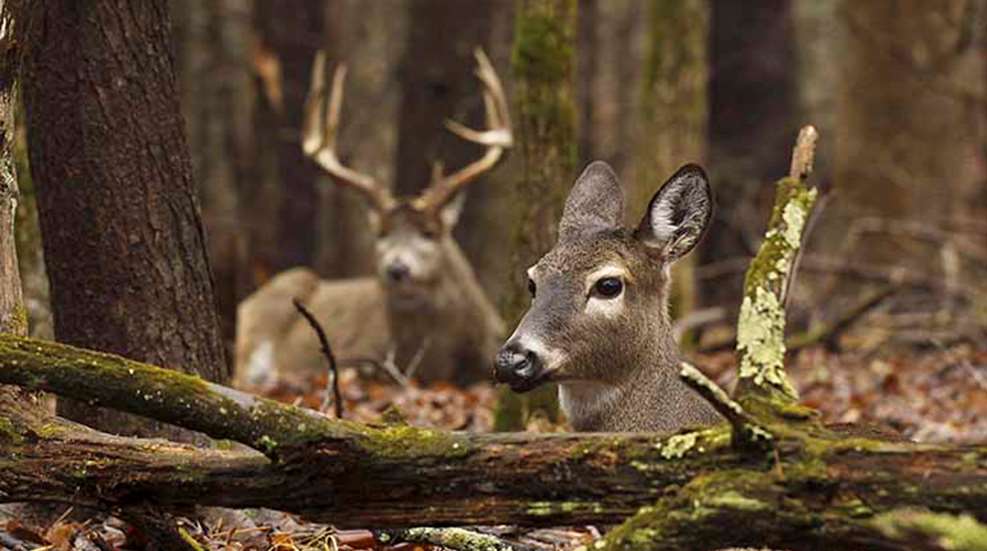
We said this in the eighth grade and I still hear guys saying this at the club: “All the bucks are worn out from the rut and are laying up somewhere.” This is true and false. Lots of anecdotal experience and plenty of GPS-collar deer studies have shown that hunting pressure makes bucks spend their days in thicker habitat. But bucks don’t necessarily tuck in and sleep from sunrise to sunset. GPS-collar studies have shown that bucks get up and move around their core areas—the thick and safe places they spend their days in—during midday to feed or search for late-estrous does. They’ll also often begin moving toward feeding areas during shooting light. So, with the right setup and approach, you can catch a “nocturnal” buck on its feet after opening day.
2. Hunt Low-Impact
Keaton Kelso, owner of K&K Outfitters in Kansas, and one of NRA Outdoors’ vetted hunt providers, says, “We don’t pressure our properties, but my neighbors love to push deer, so by the end of the season we typically have a lot of mature bucks moving on to us that we’ve never seen before. Some are following the does, but others are just avoiding pressure.”
Kelso says his basic late-season strategy is for hunters to use the capabilities of their rifles. He sets them up 200-300 yards from food sources and waits for bucks to make a mistake. When it’s time to leave, a hunter can easily slip away unnoticed.
For those hunting on smaller parcels or public lands, hunting low-impact means finding those buck hideouts and hunting them smart.
3. Target Yearling Does
Yearling does typically come into estrus 28 days after the peak of the rut. If the rut peaks in your area on Nov. 10, you can expect this second rut to take place about Dec. 8. Here’s what’s really interesting: Yearling does haven’t learned to lead a buck into thick cover, away from heavily used deer trails, thereby locking him down for 24-48 hours. Yearling does are naïve. They tend to stay in areas with other deer. The bucks with these young does follow them and attract other bucks. This can make the second rut even better than the first.
Kelso says, “Yearling does drag big bucks into the open in this secondary rut. The mature bucks might know better, but they have something else on their minds.”
4. Focus on Food
Though we’ve all heard that bucks lose around 30 percent of their body weight during the rut, look at this statistic this way: A buck weighing 220 pounds in the pre-rut would be only 154 pounds in the post-rut. This means bucks must feed heavily after the rut.
Ryan Bland, owner of Non Typical Outfitters in Illinois (also one of NRA Outdoors’ vetted outfitters), says, “Almost all my late-season hunters fill their tags. They also often take our biggest bucks.” He says they do this because he plants late-season food plots—mostly brassicas—and doesn’t pressure them until conditions are perfect. “When it’s 20 degrees and falling, the wind is gusting and a snowstorm is starting, we’re going to see our biggest bucks.”
Bland says a huge 11-point buck he named “Curly” is a classic example. The buck would show on his trail cams each November, but he’d only get after-dark photos of the giant. As soon as the rut was over he wouldn’t even get those. Still, Bland knew basically where that buck had to be. One December day during muzzleloader season he put a young hunter in a stand on a food plot near where he thought this buck was hiding. Fierce winds blew into a near whiteout as a storm dropped 10 inches of snow that afternoon. This weather made Curly get up in daylight. He stepped into the plot. The hunter had a 75-yard shot, but he was young and didn’t feel confident he could make the shot with his muzzleloader in the blowing snow.
“Some of the guys in camp gave that kid a hard time for not taking a shot he wasn’t comfortable with,” says Bland, “but I took him aside and told him I was proud of him. Don’t get me wrong, I’m an outfitter and I’d love to have that buck on my website with his smiling face, but he did the right thing.”
When that kid was asked, “Did you get your buck yet?” by his classmates I hope he proudly told them how he went out in the big storm but passed on the shot at the big buck. That’s how a sportsman acts. As for me, I got my buck that eighth-grade year, and I told a few people, but mostly I just remember a quiet satisfaction.