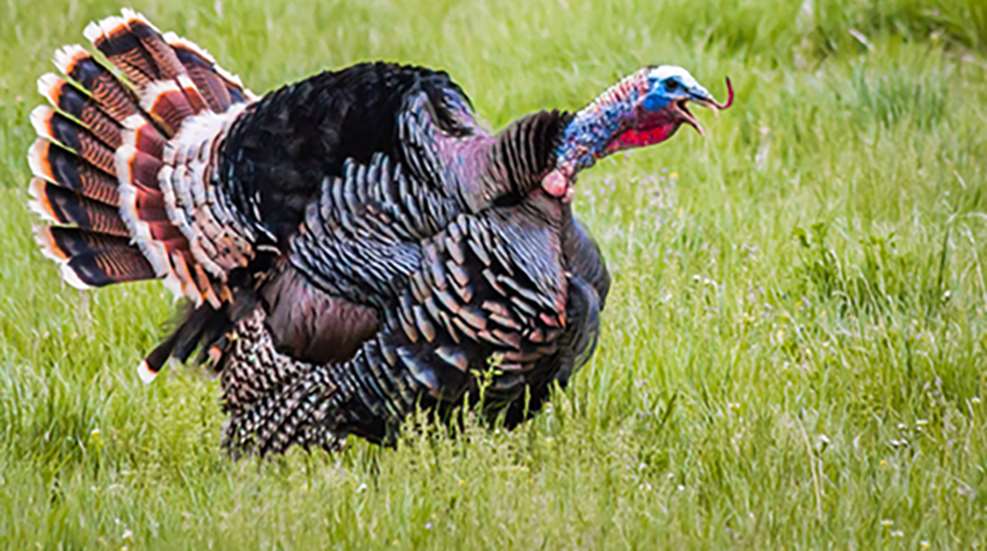
In two days I’d heard only one gobble. It wasn’t even an explosion-of-passion sort of gobble. It was a single, mumbling kind of gobble made obligatorily at sunrise. Then nothing. “They’re henned up,” everyone was saying with this the-season-is-a-bust kind of melancholy. Spring had come early and the turkeys started breeding with it and now the most intense gobbling period was over, over, over.
I looked at the calendar. Two weeks earlier, the gobblers were screaming their fool heads off all day—a week before the season had started. I did the math and considered the weather and knew hens were already laying eggs. They typically lay one egg per day. They lay an average of a dozen eggs. They don’t start incubating their eggs until they’ve laid them all, so all the eggs will hatch at about the same time. When they start incubating their eggs they’ll leave their gobbler cold. When this happens the next peak of gobbling will occur. All I had to do was wait. Most of the hunters would give up and the woods would be loud again.
Timing these gobbling peaks isn’t as easy as predicting the peak of the whitetail rut, but, by watching the factors explained here, it is possible and it can help you get your gobbler this season.
The First Gobbling Peak
The first gobbling peak occurs when winter flocks break up in spring. The timing is related to the amount of daylight (the photoperiod); no hen is going to build a nest in a snow bank. Most turkey seasons start after this first peak in gobbling (when hens are first breeding) to give hens a chance to breed before their mates are shot; however, weather conditions can move this first peak by a week or more from year to year. This is one reason why hunters more often bag subdominant gobblers in early season, as these gobblers don’t have the pleasure of being “henned up.”
Tactics:
Engage the hens and be aggressive. Repeat whatever the most vocal hen says. She might get so worked up she’ll come in with her gobbler in tow. Hunt hard, but smart. Don’t overcall and educate toms. You typically need to catch them alone to call them in—for that you might have to wait. If you scatter a tom’s harem, move quietly toward where the gobbler flew and wait 30 minutes or so. Call like a hen and you might bring in the gobbler.
The Second Gobbling Peak
The second peak in gobbling typically occurs from three to four weeks later, when most hens incubate eggs. You’ll see this coming as gobblers become more vocal in late-morning through afternoon, when their hens leave them to go lay an egg. The hens will come back to the tom until they’ve finished laying eggs. When they stop coming back, the second peak occurs.
Tactics:
Call in late morning. Start with a locator call then try a loud call—cutting and yelping. Don’t enter an area you think has a tom unless you get more than one response.Use a jake decoy with hens in an open area turkeys have been frequenting. Make half-hearted gobbles and call lightly every 15 minutes or so.
The Pressure Factor
Weather fronts come and go, changing the barometric pressure. This and other factors are said to affect gobbling. It’s difficult to gauge the influences of climactic factors, but an interesting study by biologist Chad Lehman looked at the effects of hunting pressure on gobbling. In South Dakota, researchers counted the number of gobbles they heard in Wind Cave National Park (a non-hunted population) and the adjacent Black Hills National Forest (a hunted population). As the properties were adjacent to each other, environmental factors such as rain, incoming weather and so on were similar.
“We observed two peaks in gobbling activity during the spring,” said Lehman. “The first followed the winter break-up of flocks, which usually happens just before turkey season opens, and the other just before or during peak incubation, which is during the regular turkey season.” When they tallied the average number of gobbles per bird, they found that before the hunting season opened there weren’t any differences between the non-hunted and hunted populations. “However,” he said, “when the turkey hunting season was in session, the non-hunted birds gobbled significantly more times than the birds in the area that allowed hunting.” Even more interesting: After the season closed, the average number of gobbles for the non-hunted birds and hunted birds returned to similar numbers.
Tactics:
In mid-to-late season, after most hunters give up, gobblers will often calm down and begin answering calls again. Call softer and use call types or tones most hunters in your area don’t use.
As the season progresses, take note of where gobblers roost, feed and strut. Use this information to take a stand.