Dove season has opened, and that always marks the official beginning of hunting season for me. Here are five things I like to do to get tuned up in the kitchen and in the field as the season begins.
1. Practice
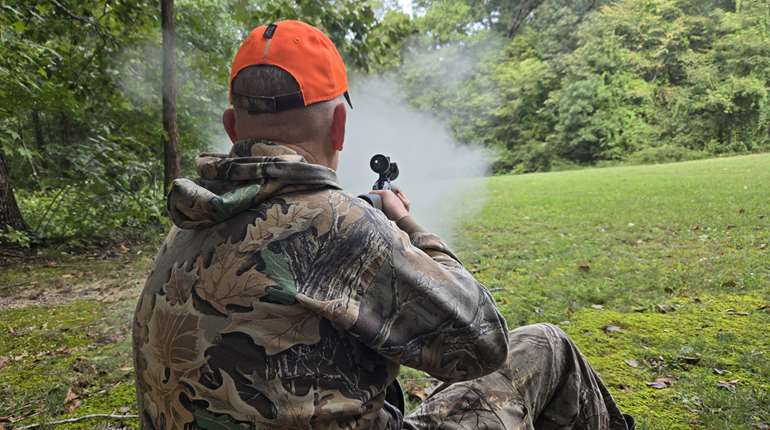
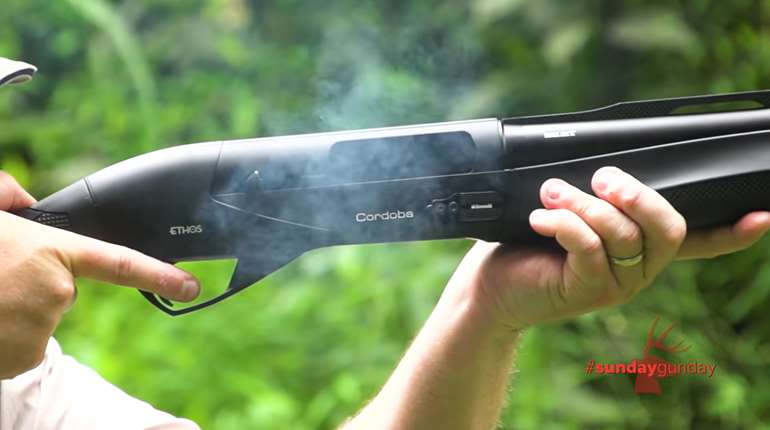
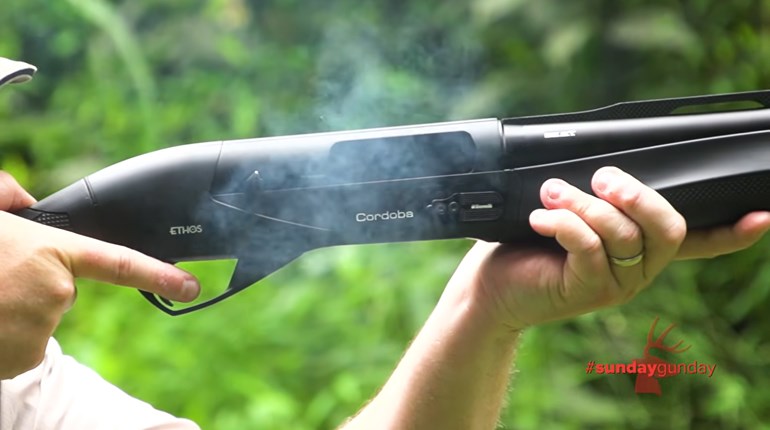
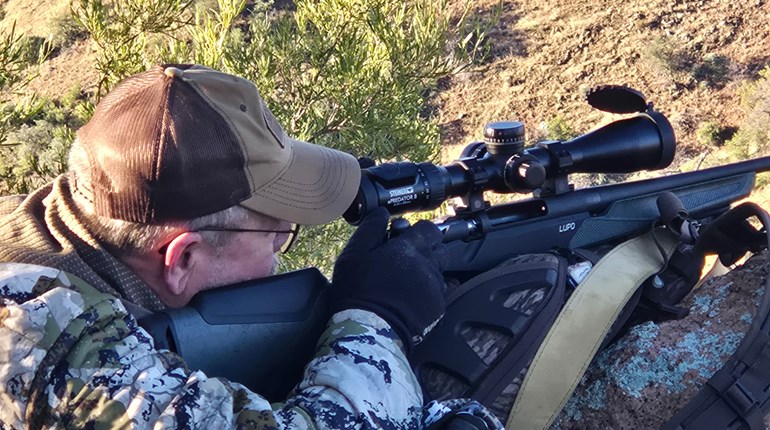
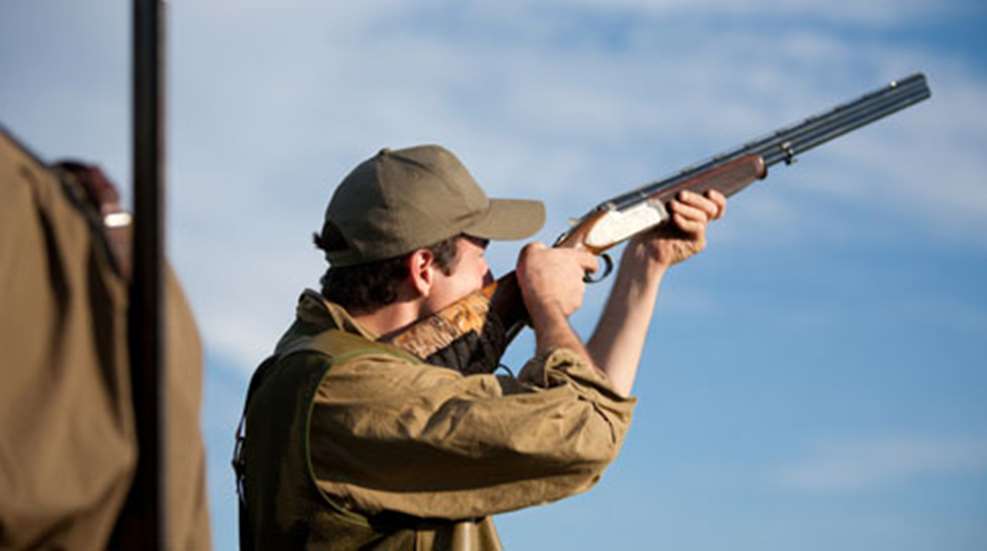
It may seem basic, but if it has been a few months, I think it is important to remember what it feels like to shoot your gun before you take it into the field. A shot at a dove shouldn’t be your first shot of the season. Practicing allows me to make sure my riflescope is sighted or my shotgun patterned. This can all be done at a local shooting range or trap field and comes in handy, particularly for dove season. There are also clinics, like my co-ed Adventure Weekends, for those looking for some professional guidance among friends and like-minded folks.
2. Be Well Equipped
I never look for the fanciest equipment, but I like to stock up on earplugs and eye protection before the season starts so that I am not scrambling the night before a hunt. Think about the environment you will be hunting in this fall, make a list of the right waterproof, windproof, temperature proof, snake-proof and cactus-proof clothing, shoes, and gear you will need and gather it now. If you are traveling, call a local hunting shop and ask the experienced locals what they recommend.
3. FIFO
This is the time of year when I like to take stock of my freezer. First-in-first-out, or FIFO, is a very important approach to take with the protein in your freezer. I like to organize the frozen packages of game in the freezer according to date, making sure that the oldest ones are cordoned off to one side and used first. Blue painter’s tape and permanent markers are good to stock up on so that you can properly date the game that will be coming in.
4. Get Mixing
I like to have several of my favorite dry rubs on hand as well, as a good curing rub, so that I can make the most of the wild game I bring home. If you make these rubs in large batches and seal them well in plastic containers, they will last the whole season. If you buy the seasonings in bulk it will also be less expensive. For example, I like to make a dry cure for hog bellies and duck prosciutto well in advance, which includes 450 grams (2 cups) of Kosher salt, 225 grams (1 cup) of sugar and 50 grams (10 teaspoons) of pink salt No. 1 (this is used in many types of cured meat products to keep it safe, and can be found online). Then when I have 3 to 5 pounds of hog belly, I use ¼ cup of rub to preserve it and turn it into delicious bacon. Simple seasoning rubs also come in handy, including smoked paprika and cumin. It is a chance to experiment with some new flavor combinations each season.
5. Sharpen Your Knives
Most people buy new knives and use the factory-sharpened blade for a while, then never sharpen them again. Whether it is a field-dressing knife, a butchering knife or a kitchen chef’s knife, they will lose their sharpness much faster the more they come in contact with meat and fat. Have you ever tried to cut a fatty piece of meat, only to find that it becomes increasingly difficult to cut with your knife? That is no coincidence—a knife loses its blade quickly with meat. I recommend investing in a diamond steel to allow you to sharpen as you work, or while you’re sitting around a campfire in the evening. But to start off the season on the right foot, I recommend sending your knives away to a professional who will sharpen them for the season. It is a worthwhile investment.
What are your favorite ways to prepare for the new season? Share them with us in the section below.